Paris, 23 June 2025: The 24th edition of the Cultural Festival of Tibet and the People of the Himalayas dedicated to the 90th birthday of His Holiness the Dalai Lama concluded on a vibrant and thought-provoking note in Paris this past weekend, bringing together artists, scholars, and visitors from across Europe and the Himalayan diaspora. Held from 20-22 June 2025 under the theme “Preserving Tibetan Language,” the festival served as a powerful platform for cultural exchange and advocacy.
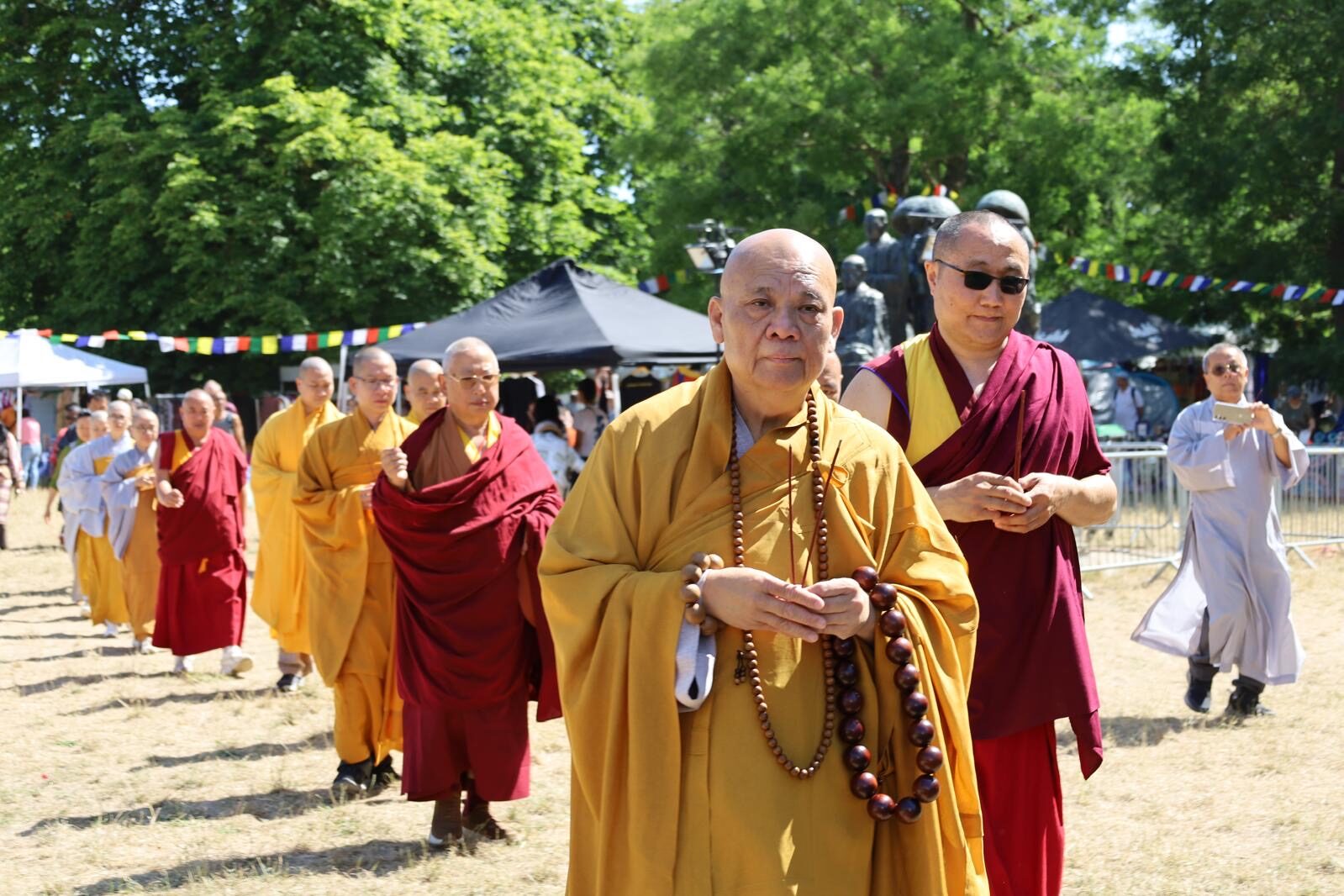
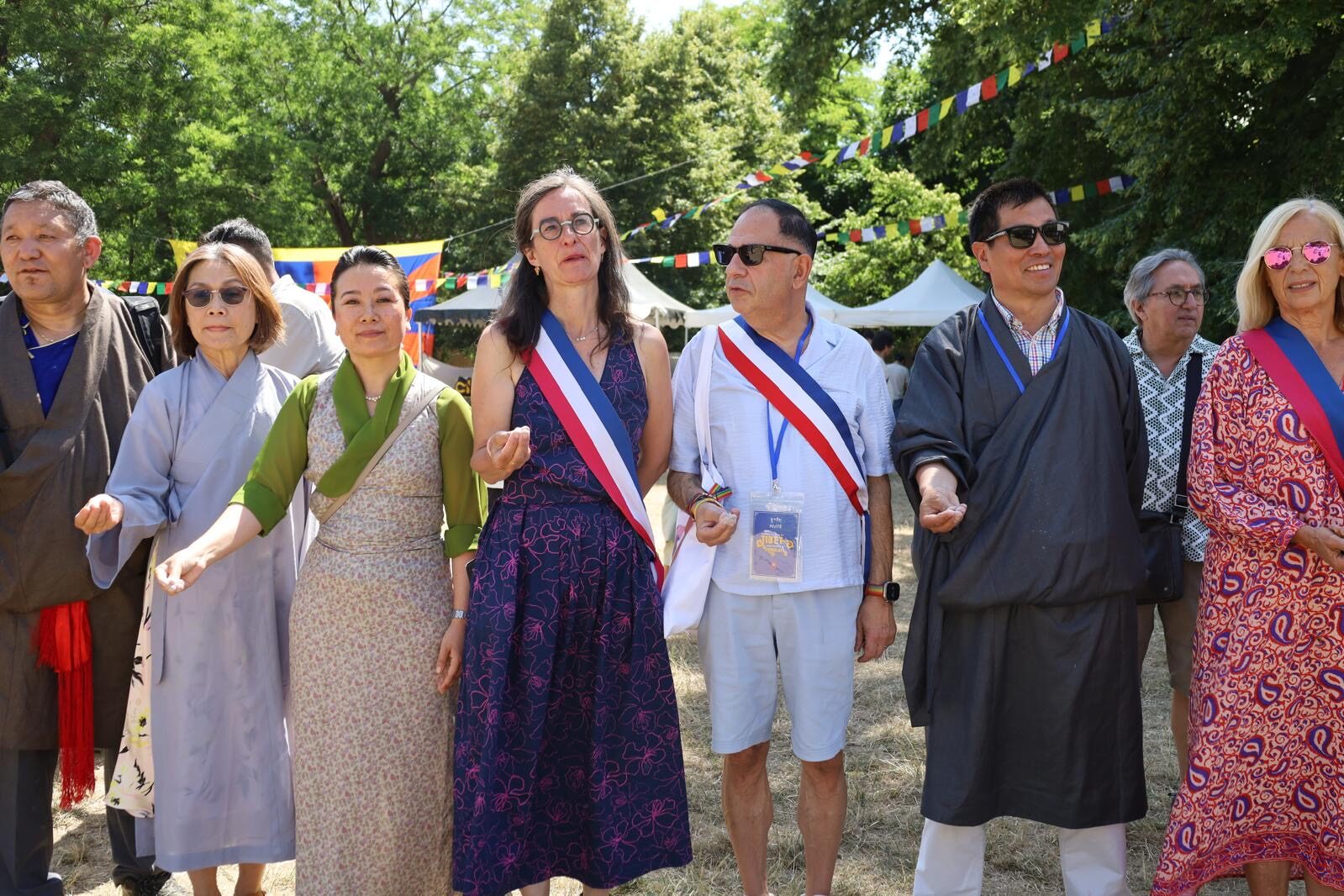
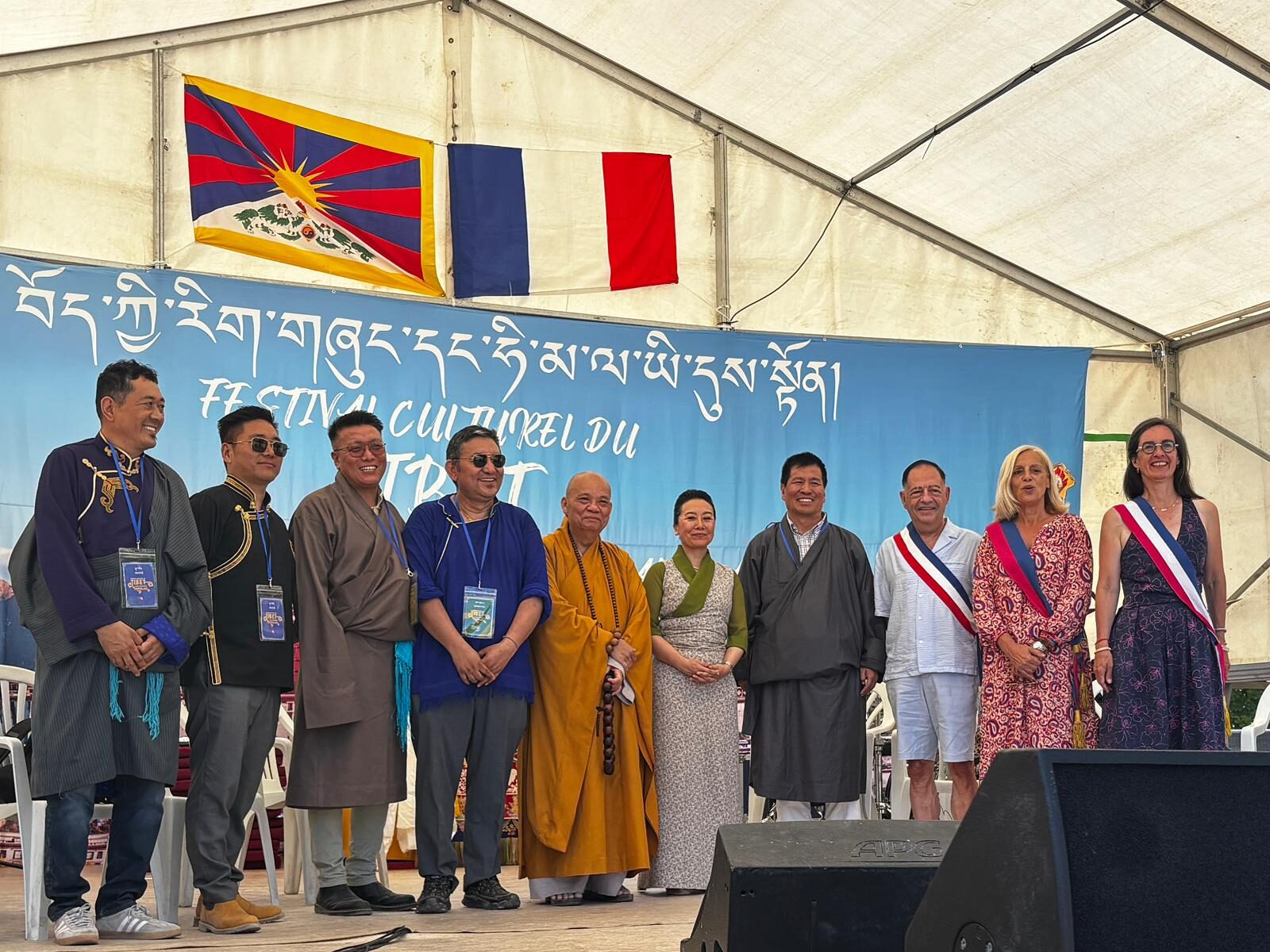
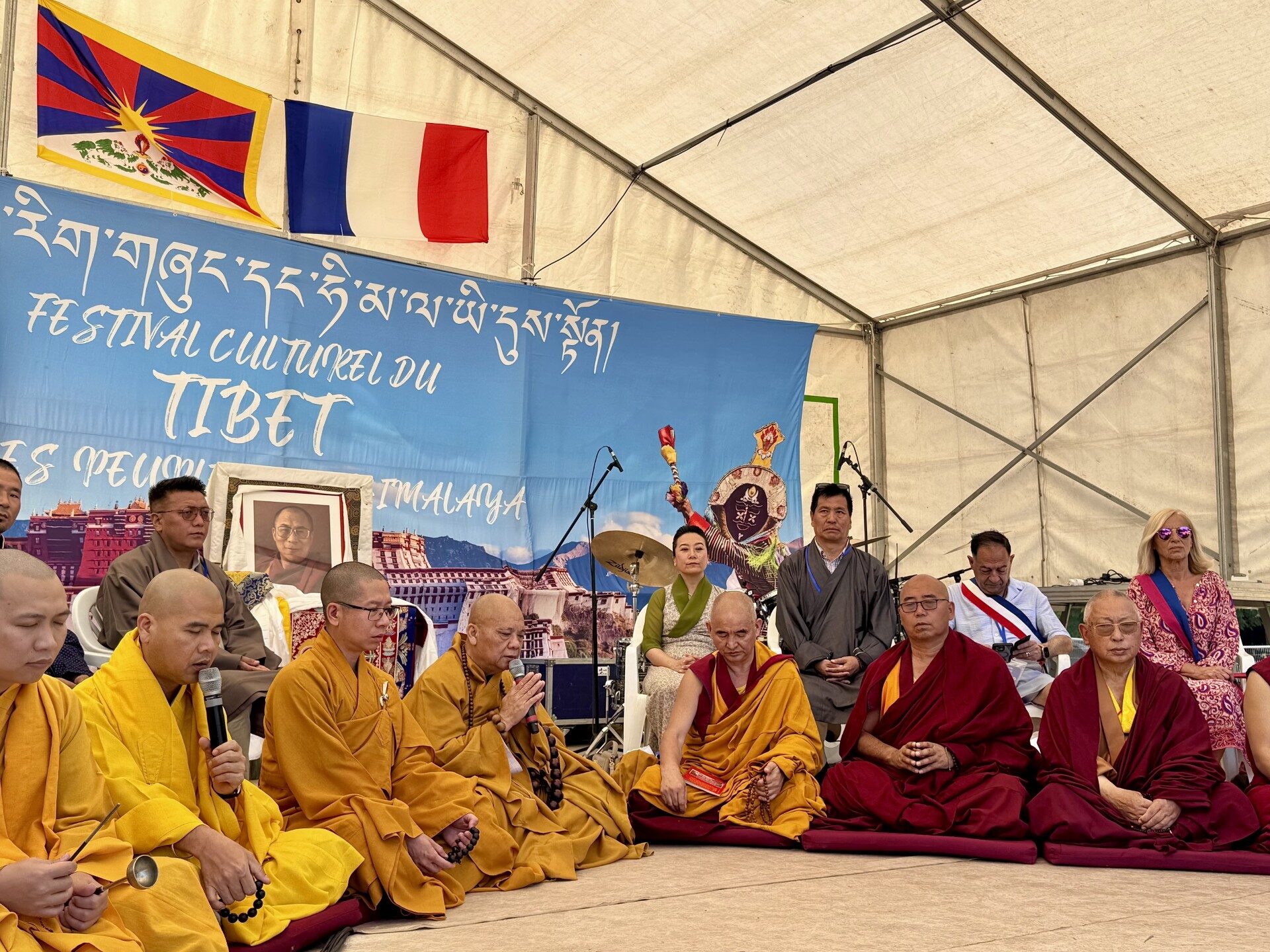
The festival was inaugurated on Saturday, 21 June, with the traditional procession with Members of the Sangha carrying the portrait of His Holiness the Dalai Lama, accompanied by the Representative of His Holiness the Dalai Lama, Rigzin Genkhang, Venerable Superior Thich Quang Dao and delegation, Khahn Anh pagoda, Emmanuelle Pierre-Marie, Mayor of Paris 12th, Jean-Luc Romero-Michel, Deputy Mayor of Paris, Geneviève Garrigos, Counsellor the Paris City hall, Member of Tibetan Parliament-in-Exile Thupten Gyatso, Coordinator Thupten Tsering and representatives of Tibetan Associations. After installing His Holiness the Dalai Lama’s portrait on the throne, guests presented khatag, chanted prayers for His Holiness’ long life and performed a sang-sol to purify the venue.
Following this, Representative Genkhang remarked, “it is with profound reverence and deep joy that I welcome you to the 24th edition of the Cultural Festival of Tibet and the People of the Himalayas. This year, our gathering holds even greater significance as we dedicate it to the 90th birthday of His Holiness the 14th Dalai Lama, guiding light of the Tibetan people, messenger of peace, wisdom and compassion for the world”.
“As we celebrate our shared cultural heritage, we also honour His Holiness’ lifelong commitment to non-violence, tolerance, dialogue, harmony among dialogue religious traditions and the preservation of Tibet’s spiritual and cultural identity”, Representative Genkhang further continued. In this spirit, Representative Genkhang also urged fellow Tibetans to carry His Holiness’ message in their hearts and more importantly to translate it into action in their daily lives.
Mayor Emanuelle Pierre-Marie, Deputy Mayor Jean-Luc Romero-Michel and Counsellor Garrigos all expressed their delight at being present at this special edition of festival dedicated to His Holiness’ 90th birthday. They expressed deep respect for His Holiness and unequivocally acknowledged his invaluable contribution to world peace.
Venerable Superior Thich Quang Dao recalled His Holiness’ message of compassion and peace and wished him a long life.
Member of Tibetan Parliament-in-Exile Thupten Gyatso highlighted His Holiness’ four principal commitments.
This solemn moment marked the launch of the weekend, demonstrating the City of Paris’s commitment to cultural diversity and the Tibetan cause.
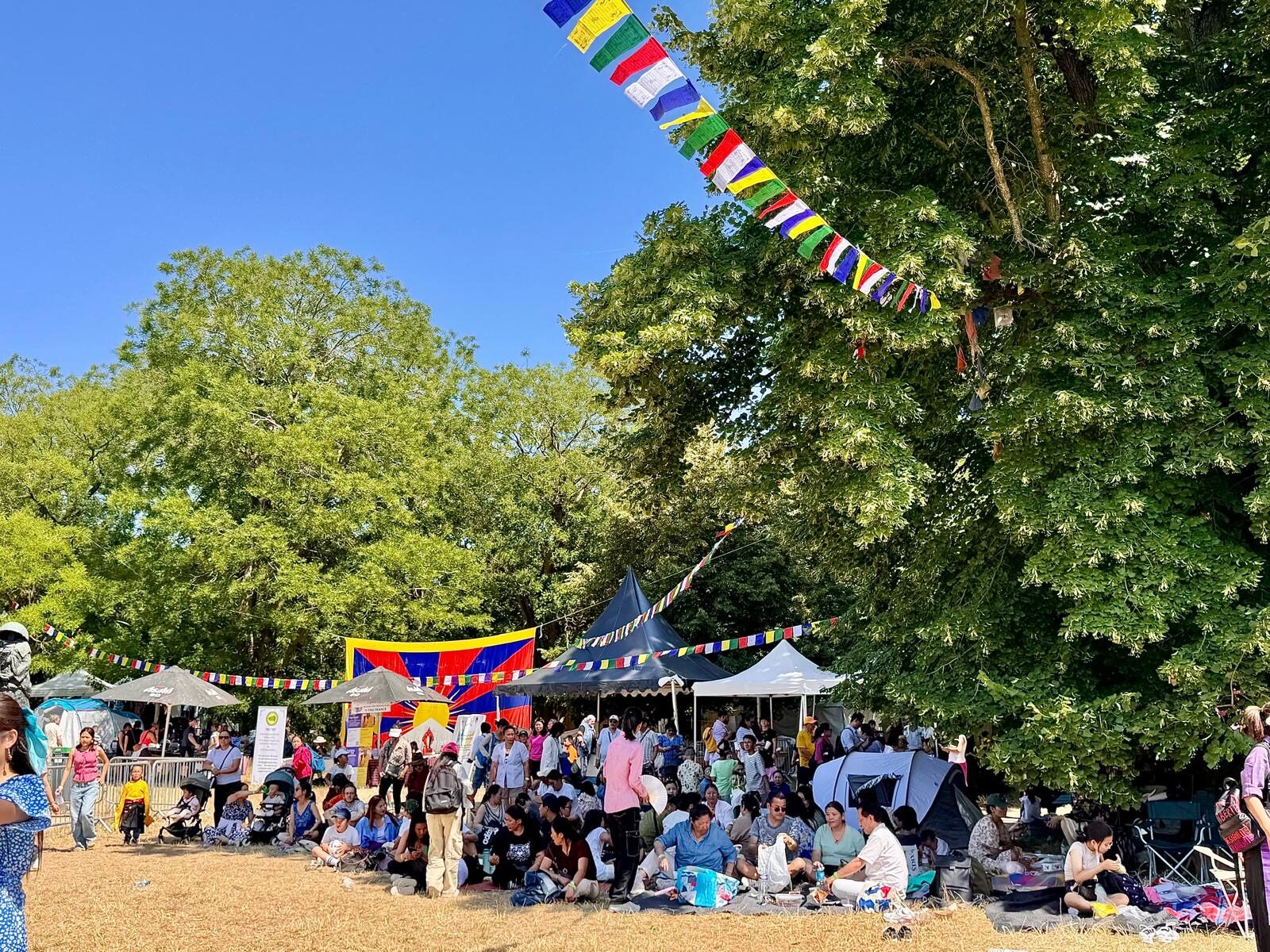
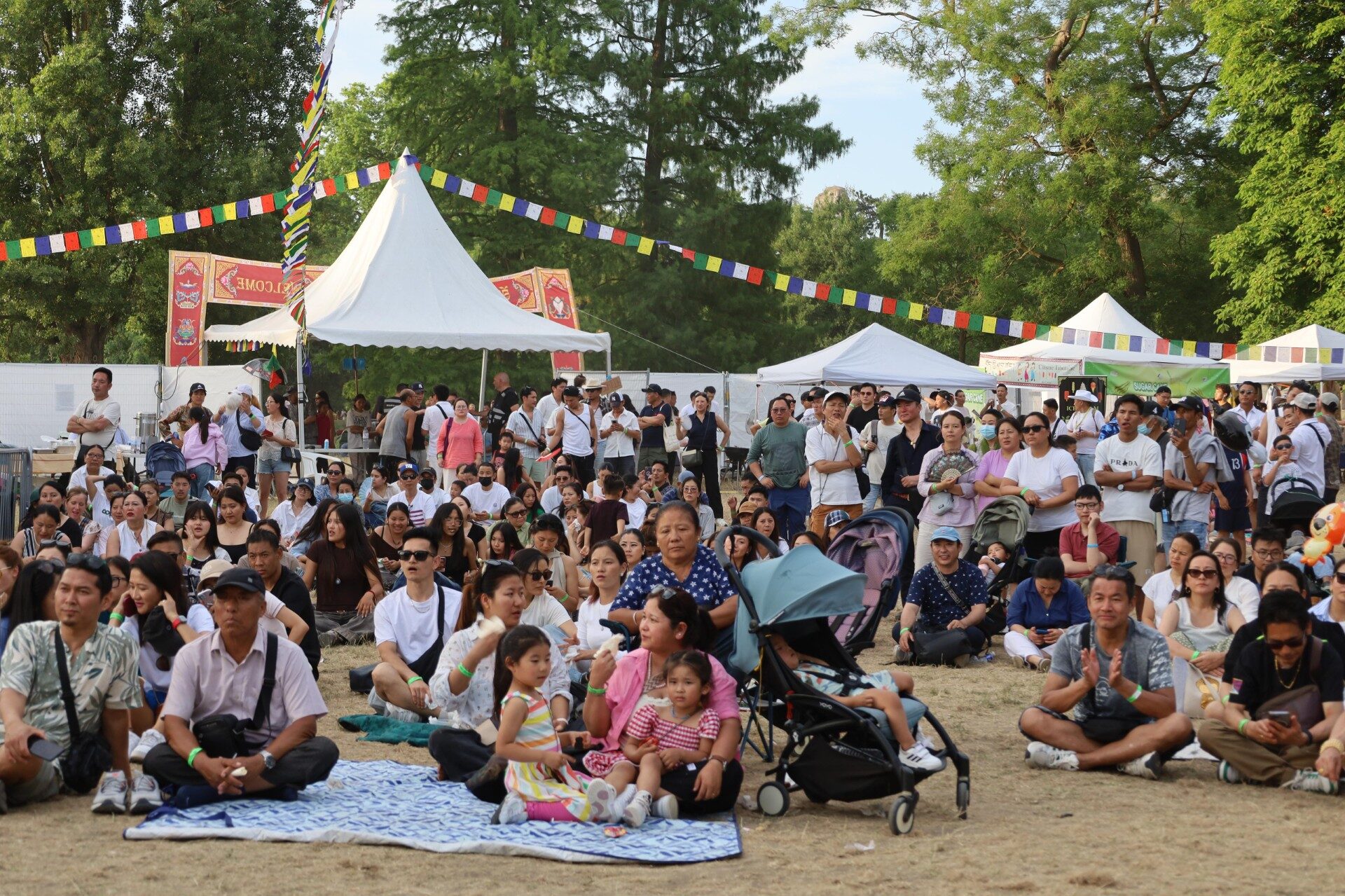
Despite the intense summer heat, with temperatures soaring above 37°C, large crowds gathered daily at the scenic Lac Daumesnil, where the festival took place in open-air tents. The weather did little to deter the enthusiasm of performers and audiences alike, with many describing the event as one of the most anticipated events of the year.
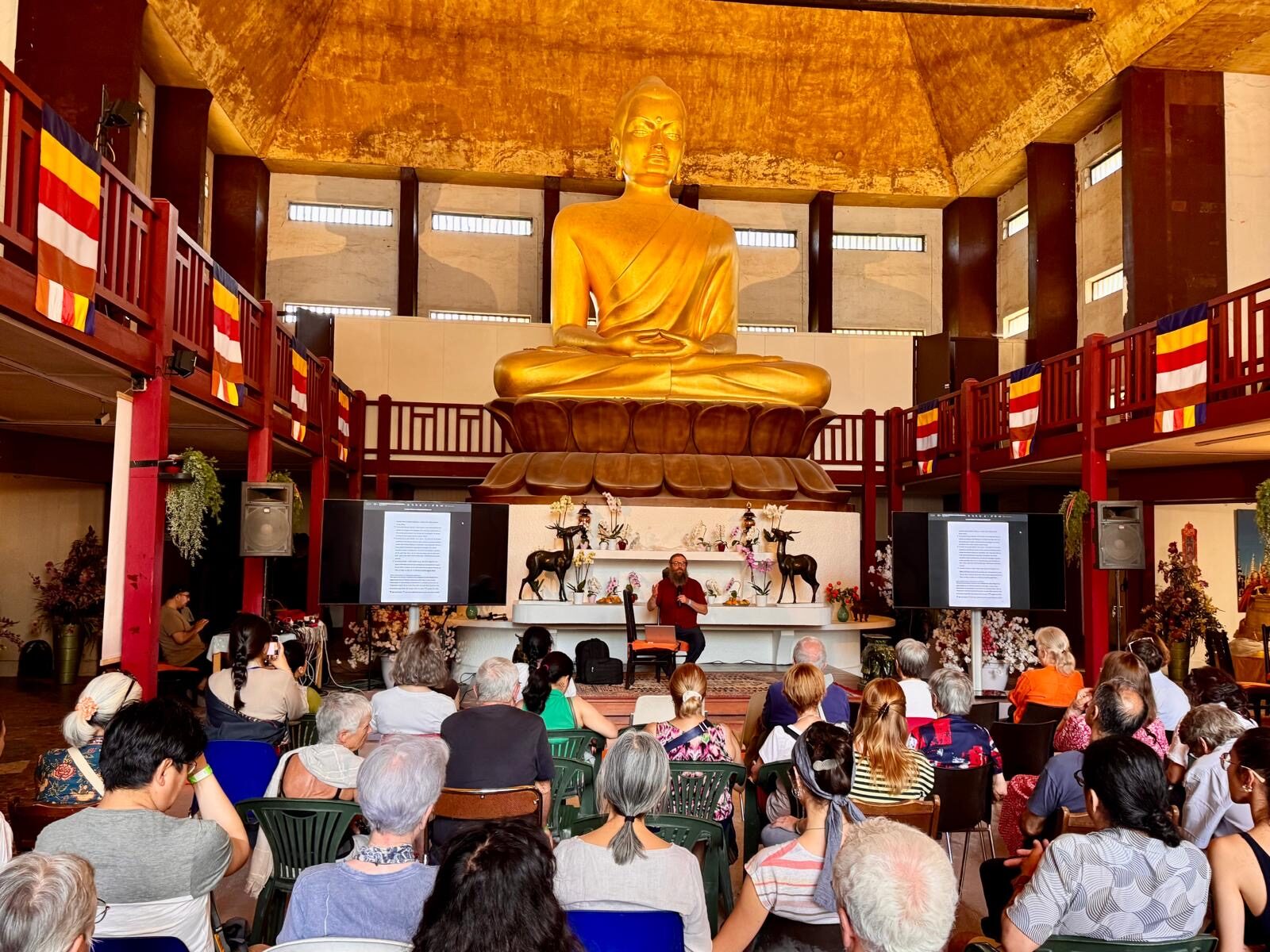
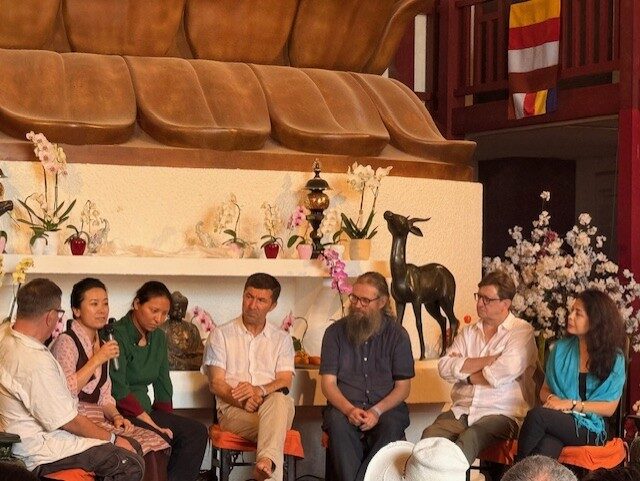
This year’s focus on the endangered status of the Tibetan language was reflected across all segments of the festival — from spoken word poetry and traditional storytelling to educational panels and calligraphy workshops. A highlight was a conference on Tibetan language led by Professor Nicolas Tournadre, followed by a roundtable discussion on “Power, Language and Identity: Challenges and resilience of Tibetans in the age of Artificial Intelligence” featured several renowned speakers, including Bruno Phillip, former Journalist Le Monde, Dr Boquel, Psychologist and Geshe Monlam. This also saw the participation of Representative Rigzin Genkhang.
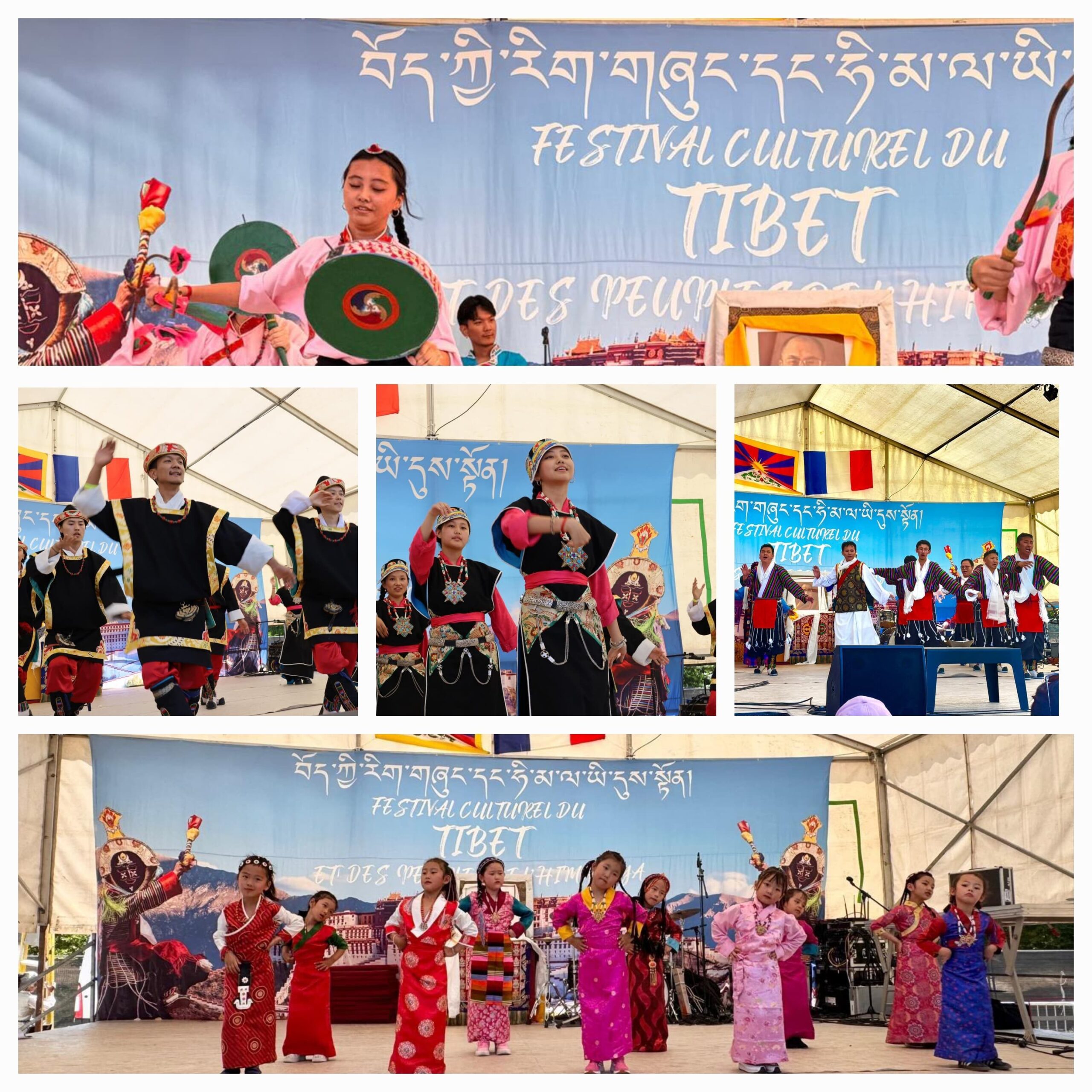
On the lakeside podium, visitors were treated to traditional Tibetan cultural performances, including Tibetan opera, dances and songs from the three main provinces of Tibet: U-Tsang, Kham and Amdo. One of the most heartwarming highlights came when a group of young children took to the stage. Dressed in colorful traditional outfits, they stood in neat rows, some barely tall enough to see over the microphones. As the music started, their adorable dance moved instantly, melting the hearts of the audience.
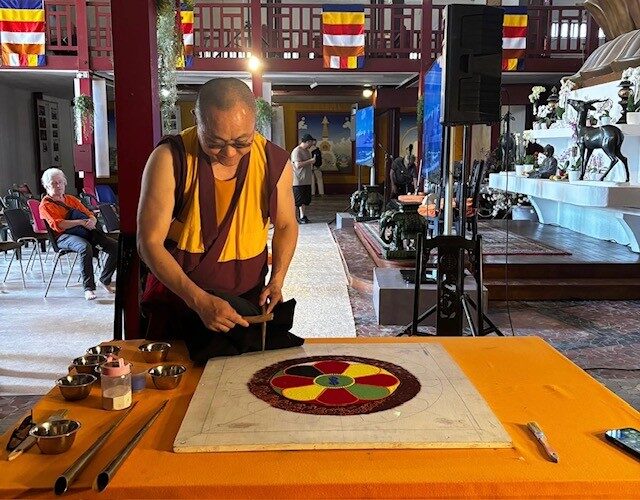
Other cultural showcases included creation of sand Mandala, a thousand-year-old tradition symbolising the impermanence of life.
Stands run by individual businesses, various associations, Buddhist centers and artists catered to the public. Among the colourful stalls, the aroma of freshly prepared Tibetan delicacies filled the air drawing curious visitors and food lovers alike. While other stands sold a mix of Tibetan and Himalayan artefacts including spices. The festive ambiance created by the musical backdrop: dance performances on stage by dance troupes of the Tibetan Community, various Tibetan associations and weekend Tibetan school added to the cultural richness.
The atmosphere was enlivened by yoga workshop sessions, and presentations of stories and poetry for all ages and levels.
Under the supervision of Representative Genkhang, Thupten Tsering, Coordinator, Bureau du Tibet Paris, led the festival with assistance from Tibetan Liaison Officer Dhundup Gyalpo, Accountant Tenzin Nordhen, and EU Advocacy Officer Tenzin Phuntsok deployed from Bureau du Tibet Brussels.
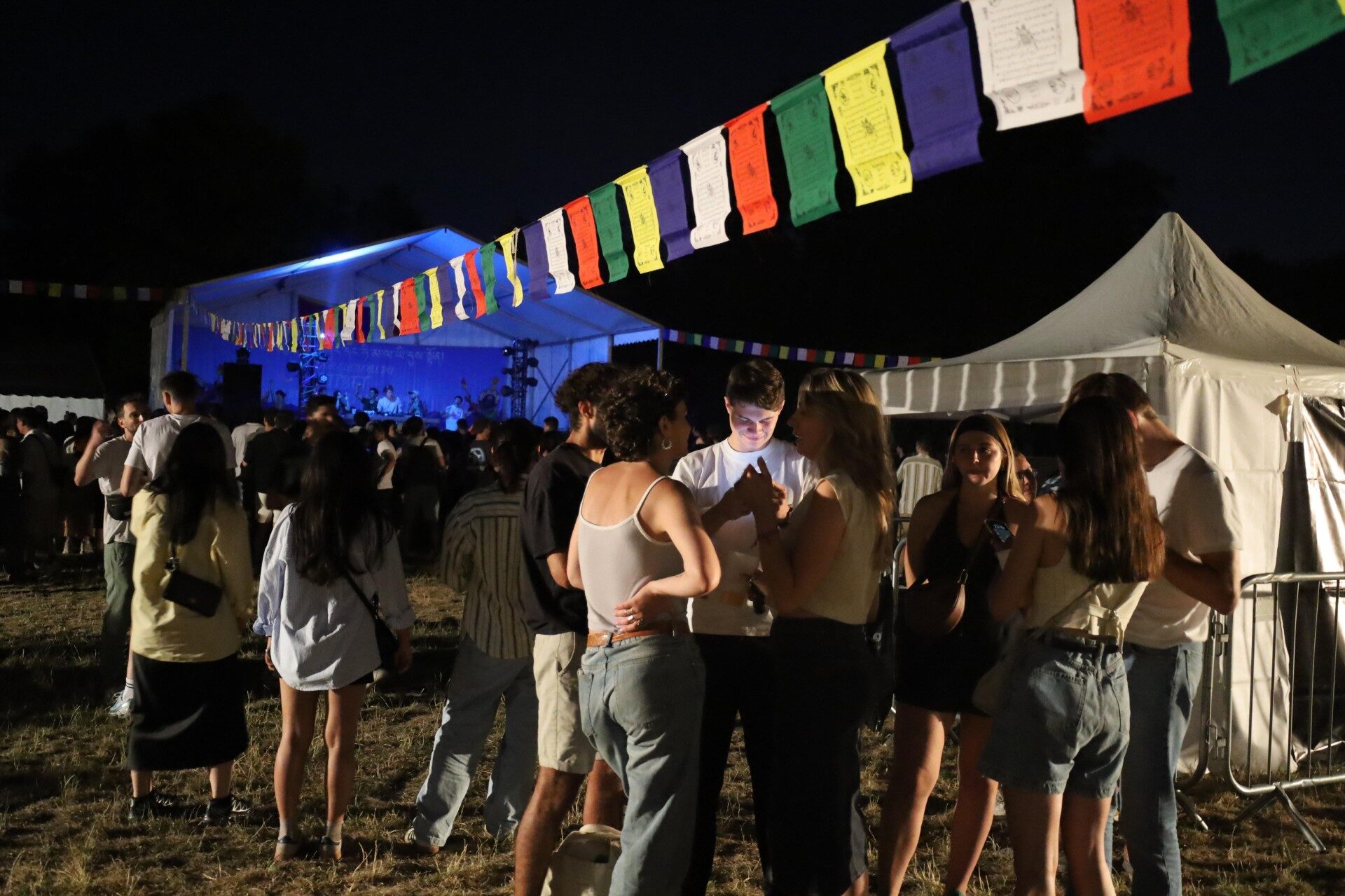
As the sun set on the final day, the festival reaffirmed its mission: to keep Tibetan and Himalayan cultures not only alive but thriving — through art, language, and global solidarity.
Over 5000 visitors attended the festival. All in all, the Cultural Festival of Tibet and the People of the Himalayas was a success, offering visitors an authentic immersion in Tibetan culture. The Festival is made possible largely due to the contribution of hundreds of steadfast volunteers who show up to help every year and, during the closing ceremony Coordinator Thupten Tsering acknowledged their hard work and expressed gratitude.
The acknowledgements and announcements were followed by a traditional circle dance, allowing the audience to join in and celebrate the richness of Tibetan culture.
-Report filed by Bureau du Tibet, Brussels