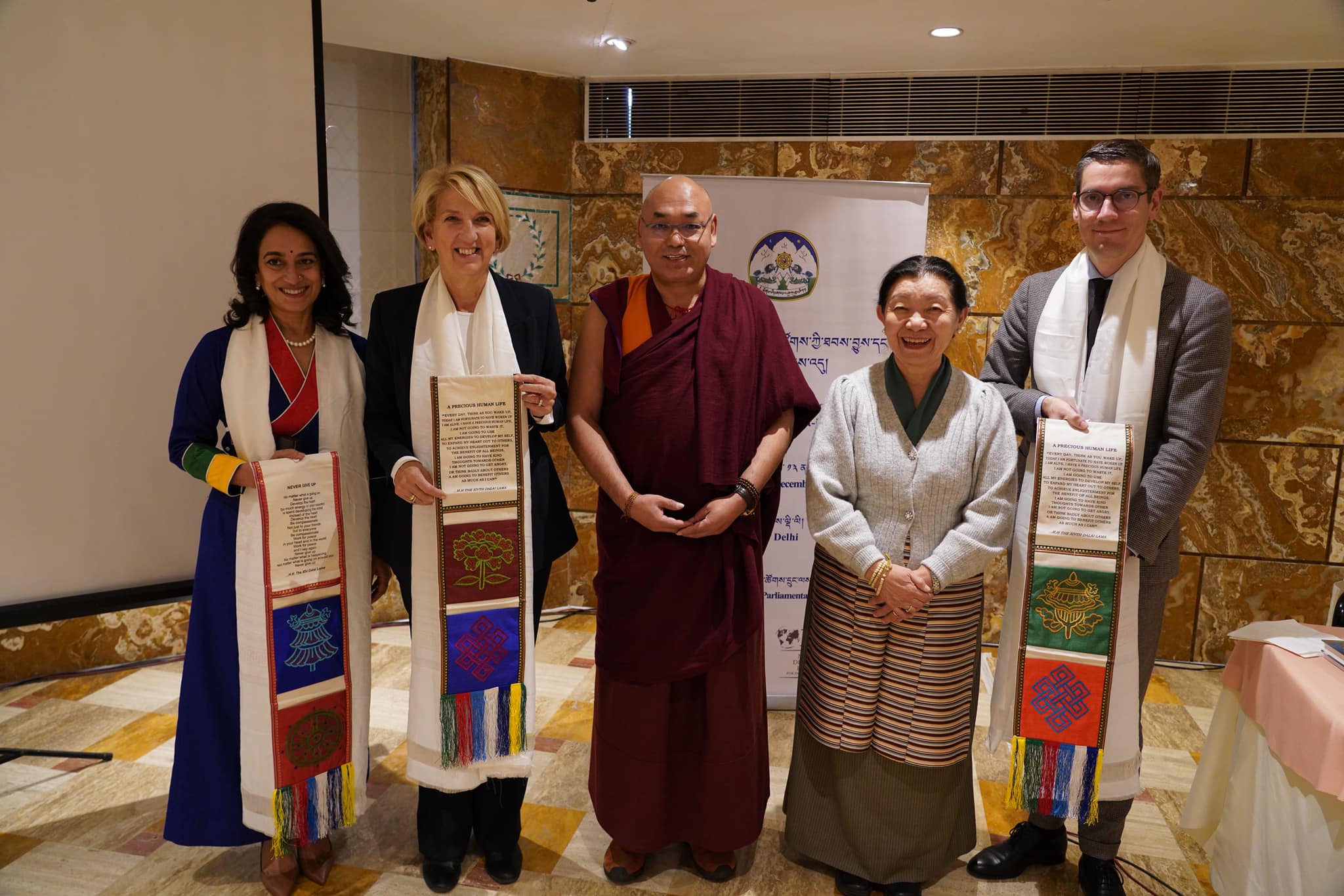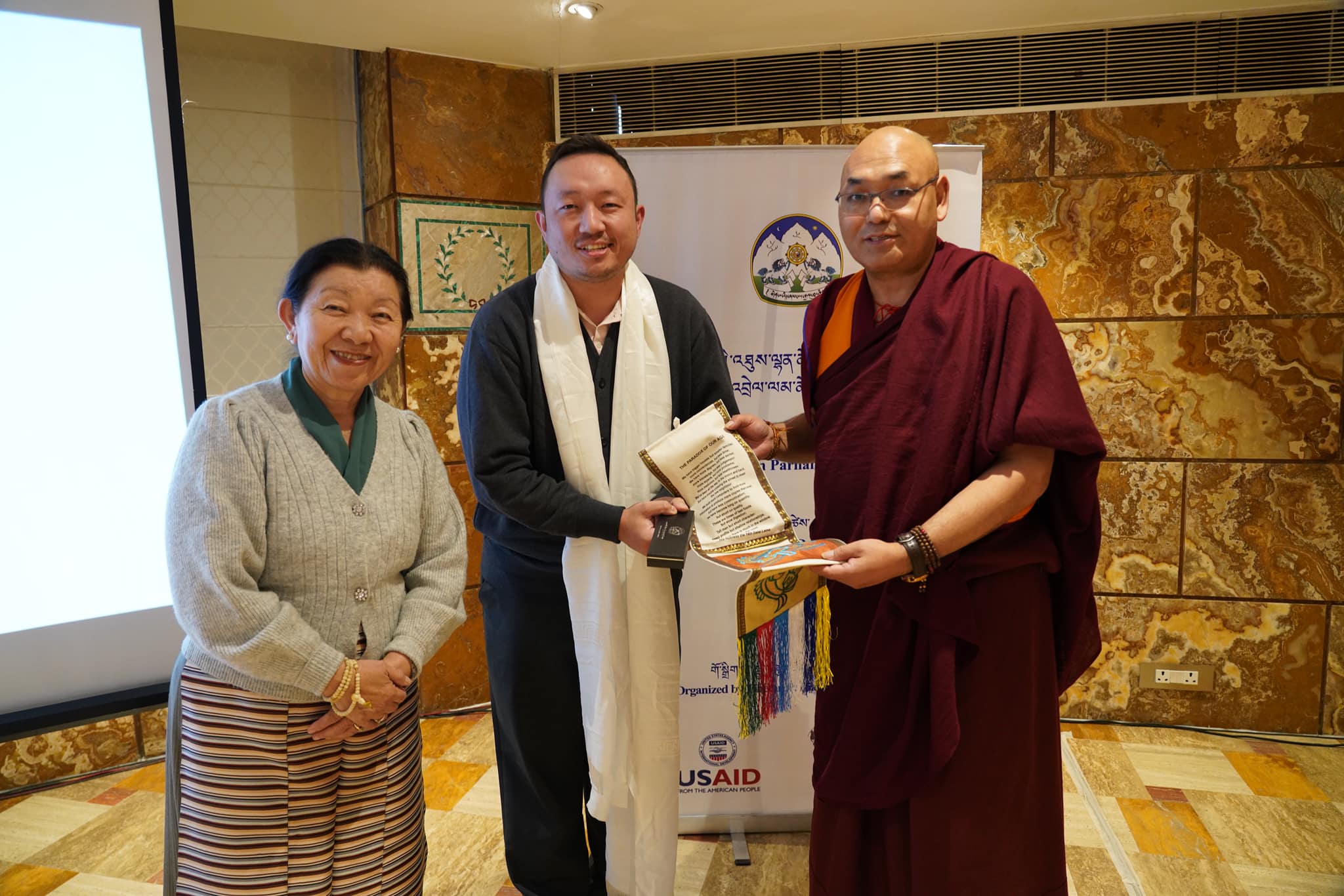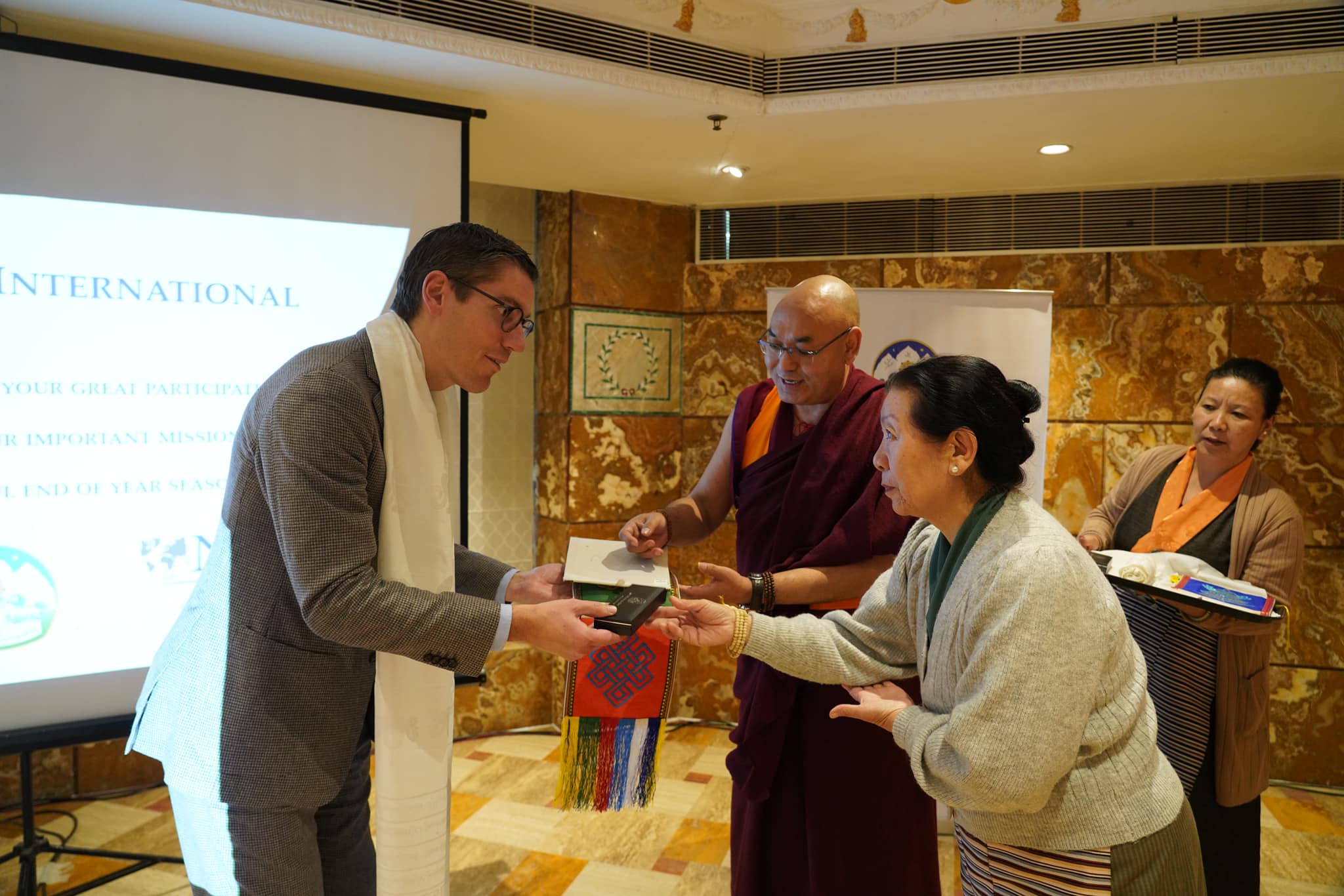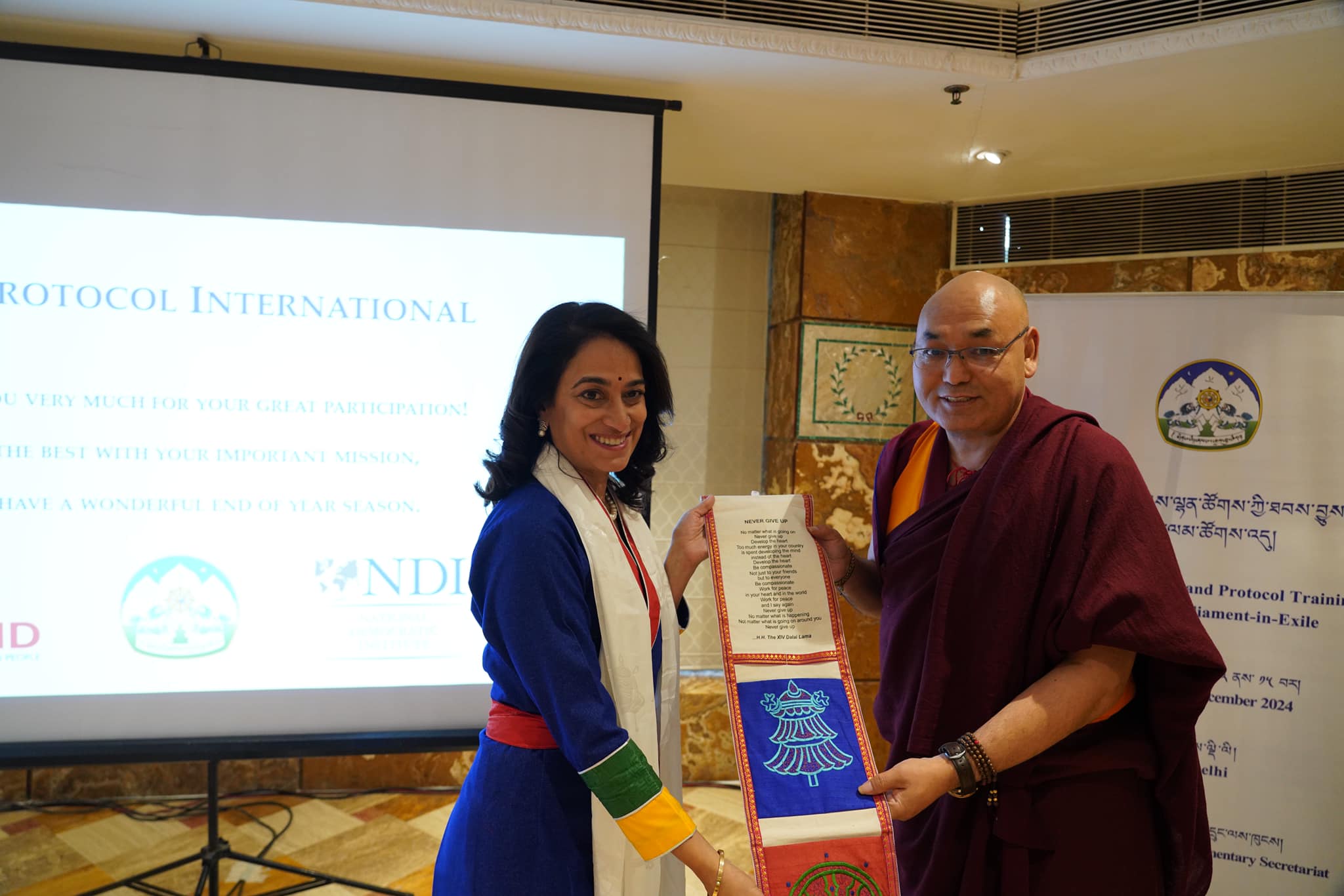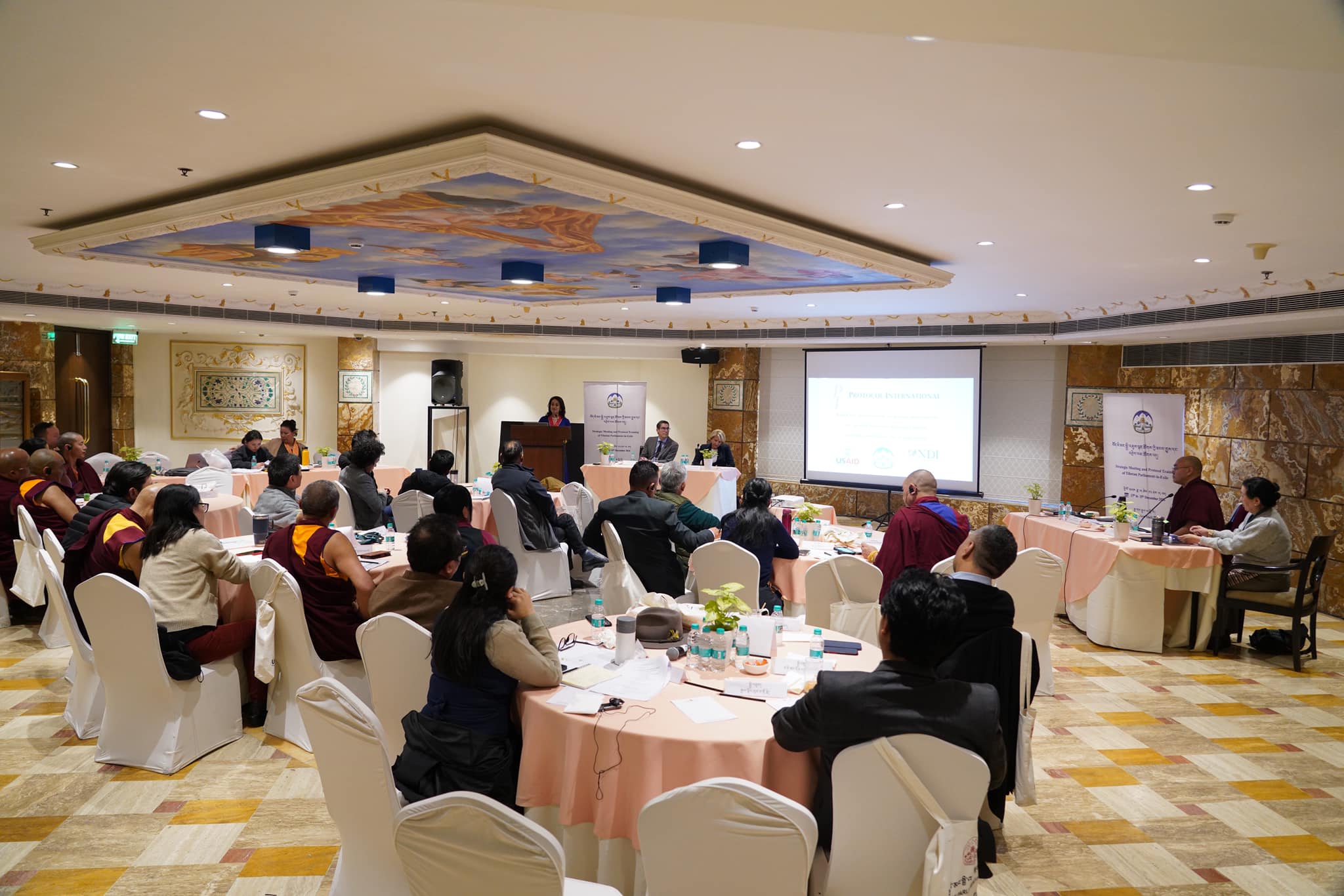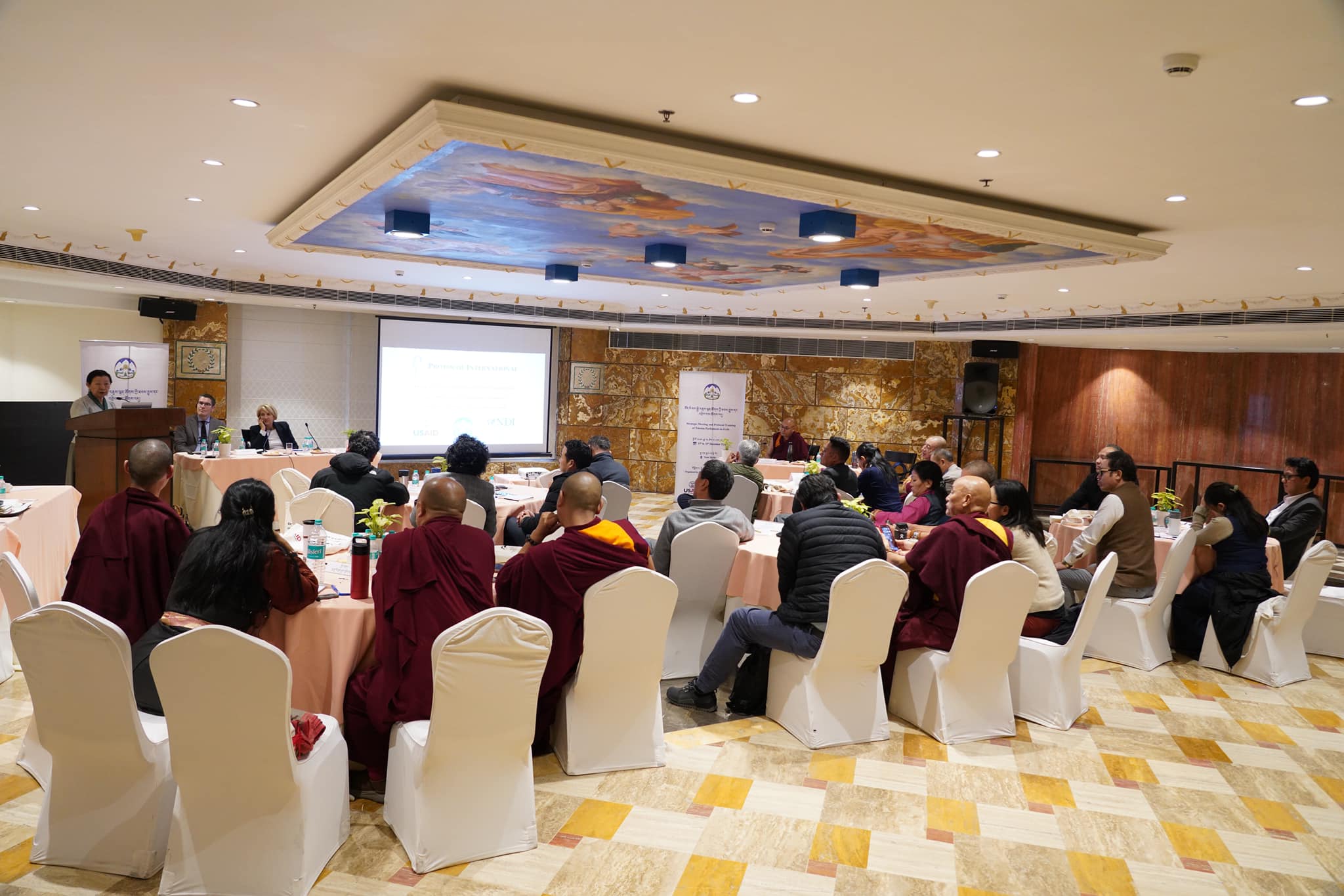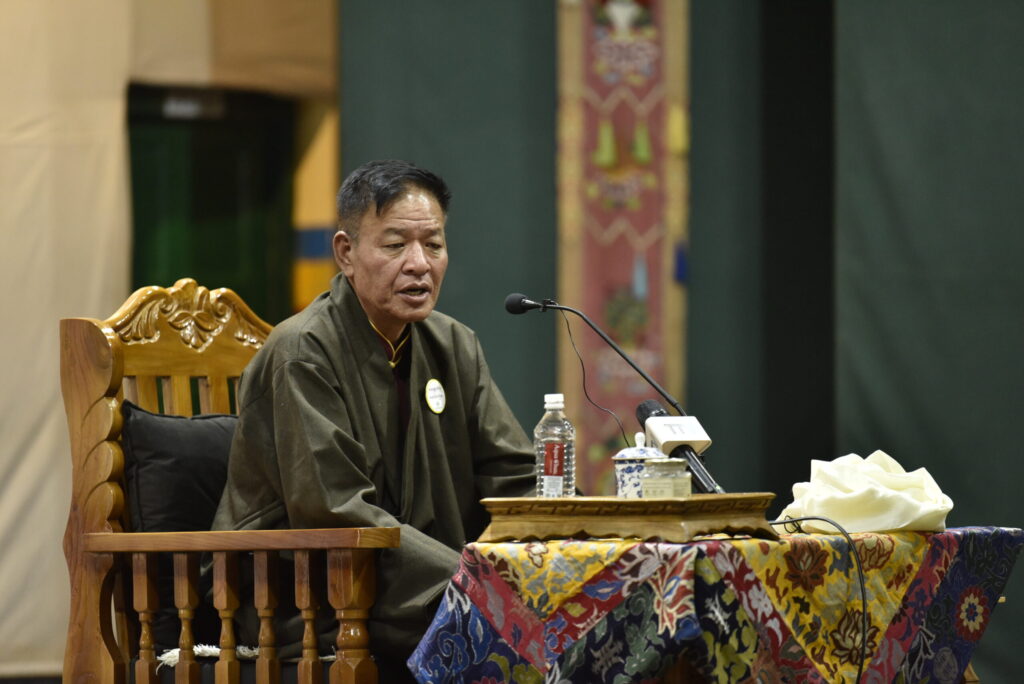

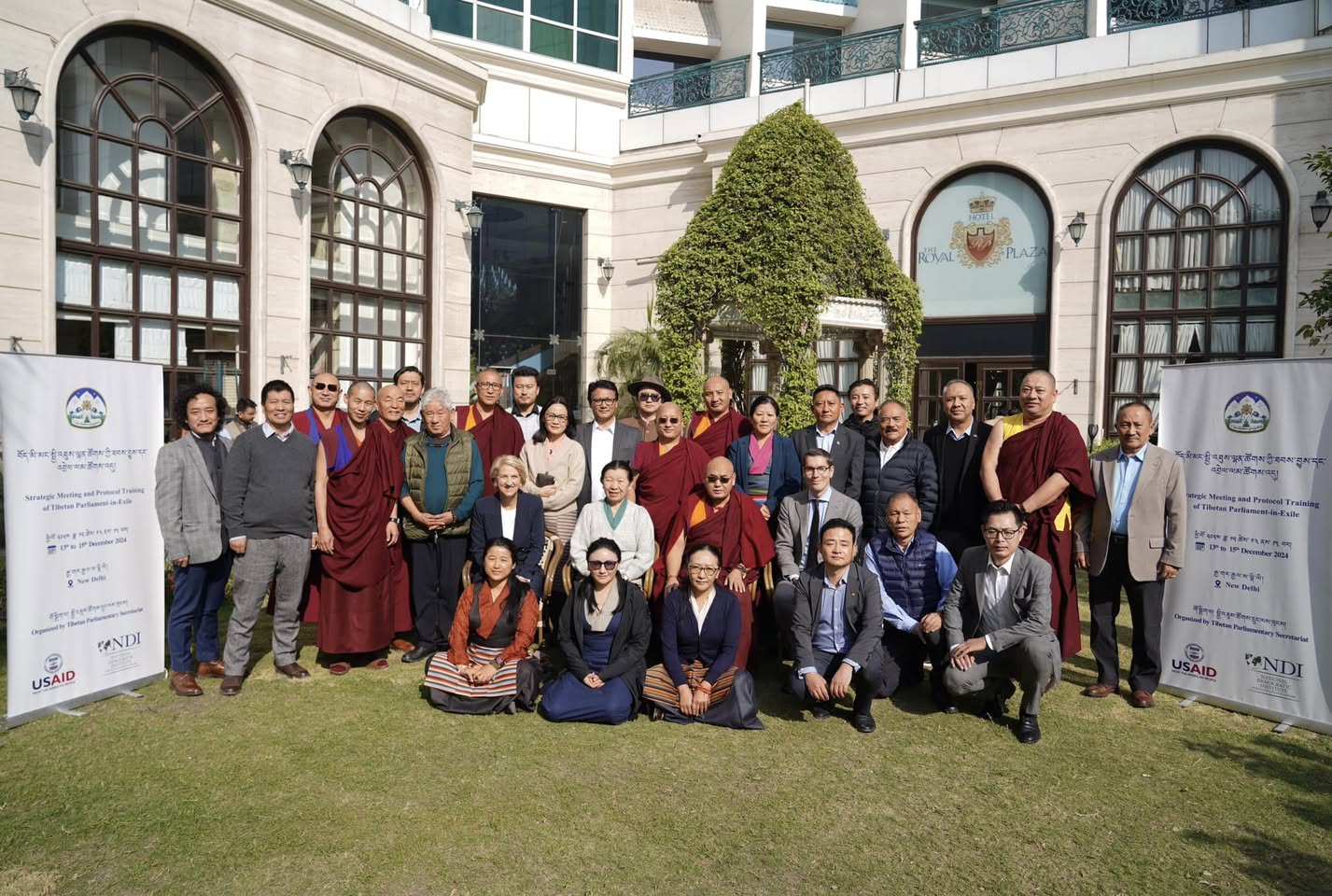
New Delhi: The Tibetan Parliament-in-Exile successfully concluded its three-day strategic meeting and protocol training, scheduled from 13 to 15 December 2024 in New Delhi. The meeting had the presence of Speaker Khenpo Sonam Tenphel, Deputy Speaker Dolma Tsering Teykhang, and members of the 17th Tibetan Parliament-in-Exile.
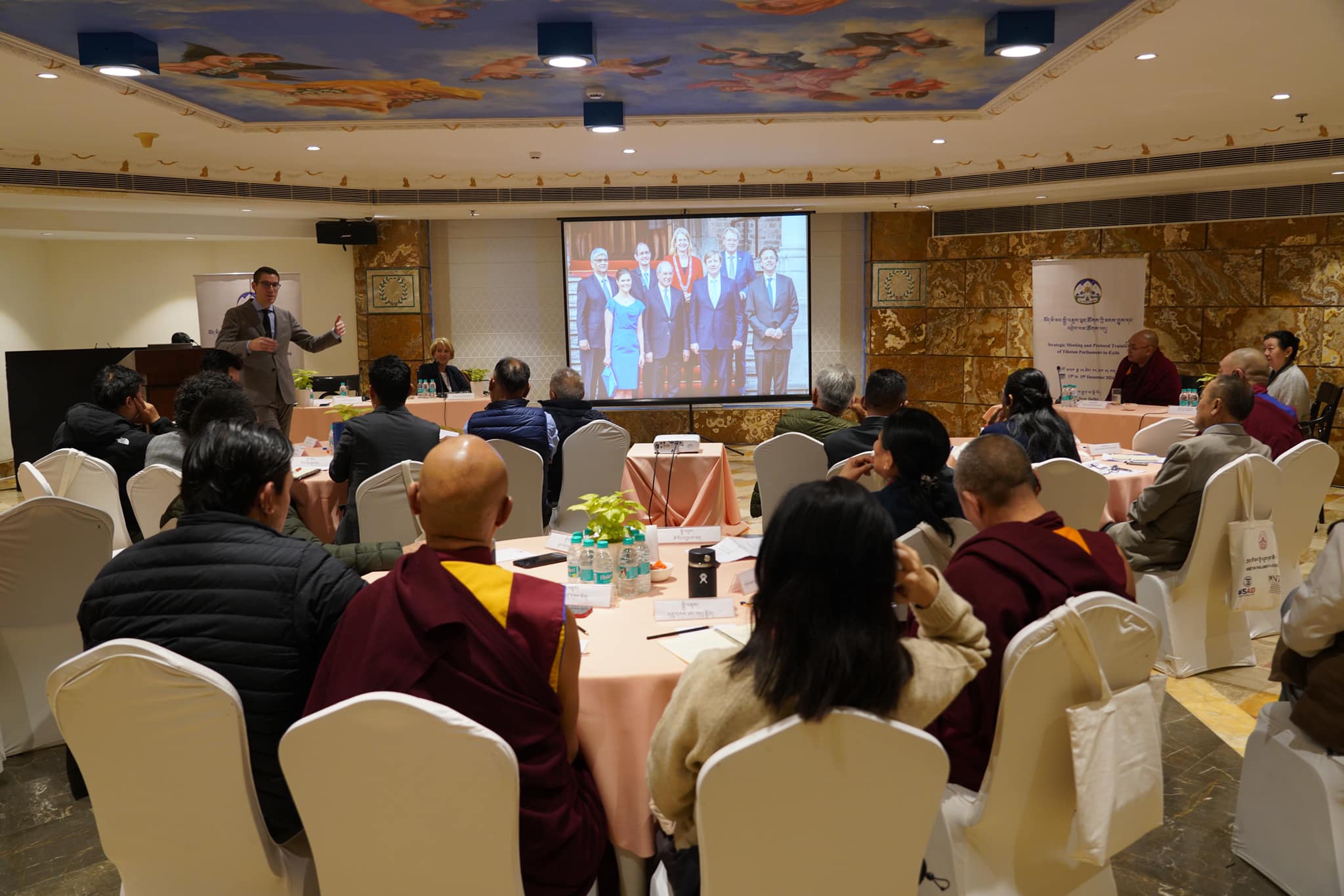
The last two day sessions featured international protocol experts Mark Verheul and Maryse Larché Mele as resource persons. The protocol training covered a wide range of topics, including the fundamentals of protocol in an international environment, differences between protocol and etiquette, the history of both, and the evolving role of international protocol in today’s technology-driven world, including the integration of Artificial Intelligence.
Additionally, the session addressed the concept of order of precedence in international protocol, which considers factors such as position, age, rank, and seniority. The training also explored how these principles vary across cultural contexts and countries and applications of precedence in international protocol, the role of (social) media and security related to protocol management, and others.
Diplomatic hospitality in international relations, the role of protocol in branding, cultural awareness, diversity and inclusion, theories of intercultural communication, the power of soft skills, negotiation and conflict resolution, engaging with various kinds of Leadership, were among other topics explored during the training.
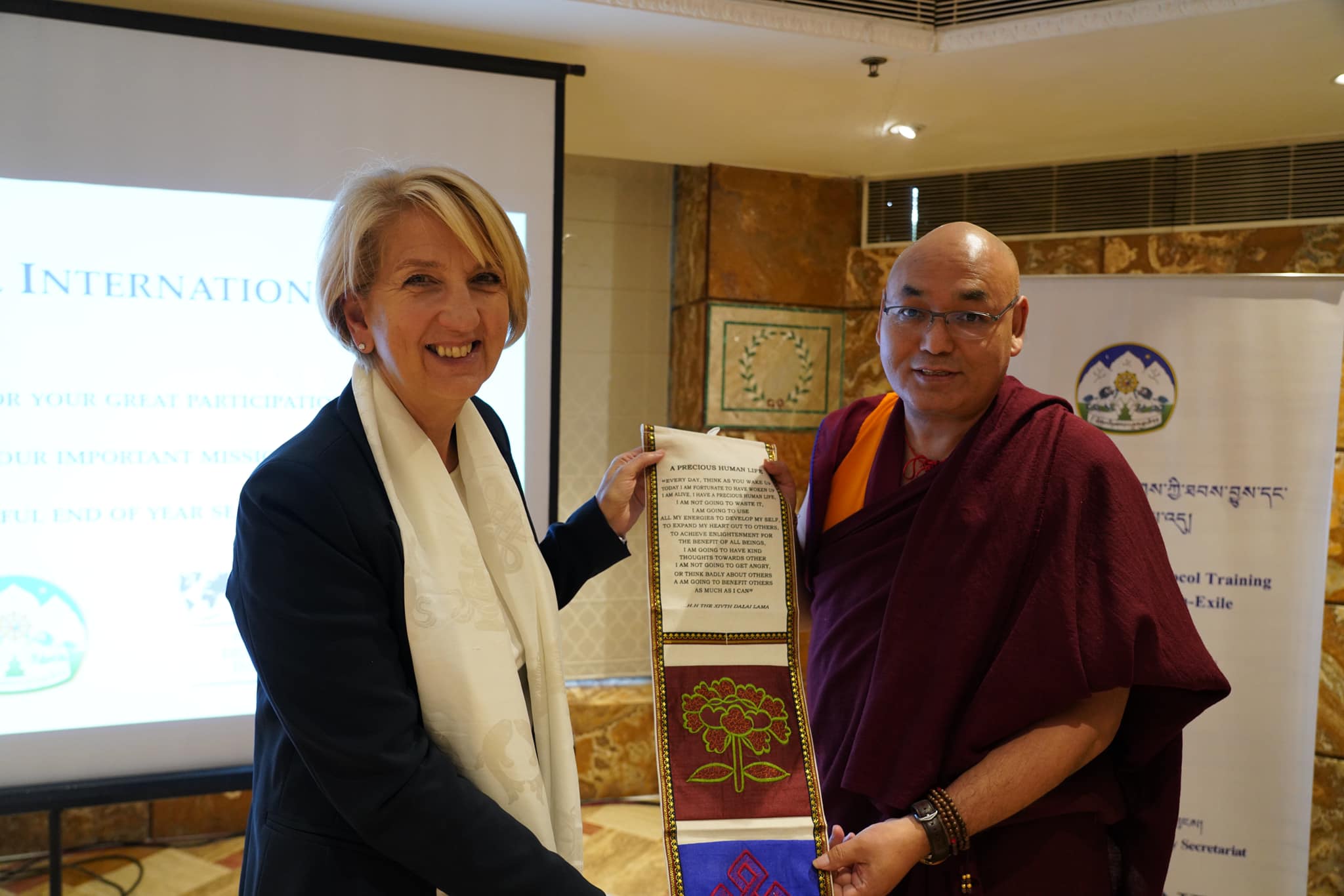
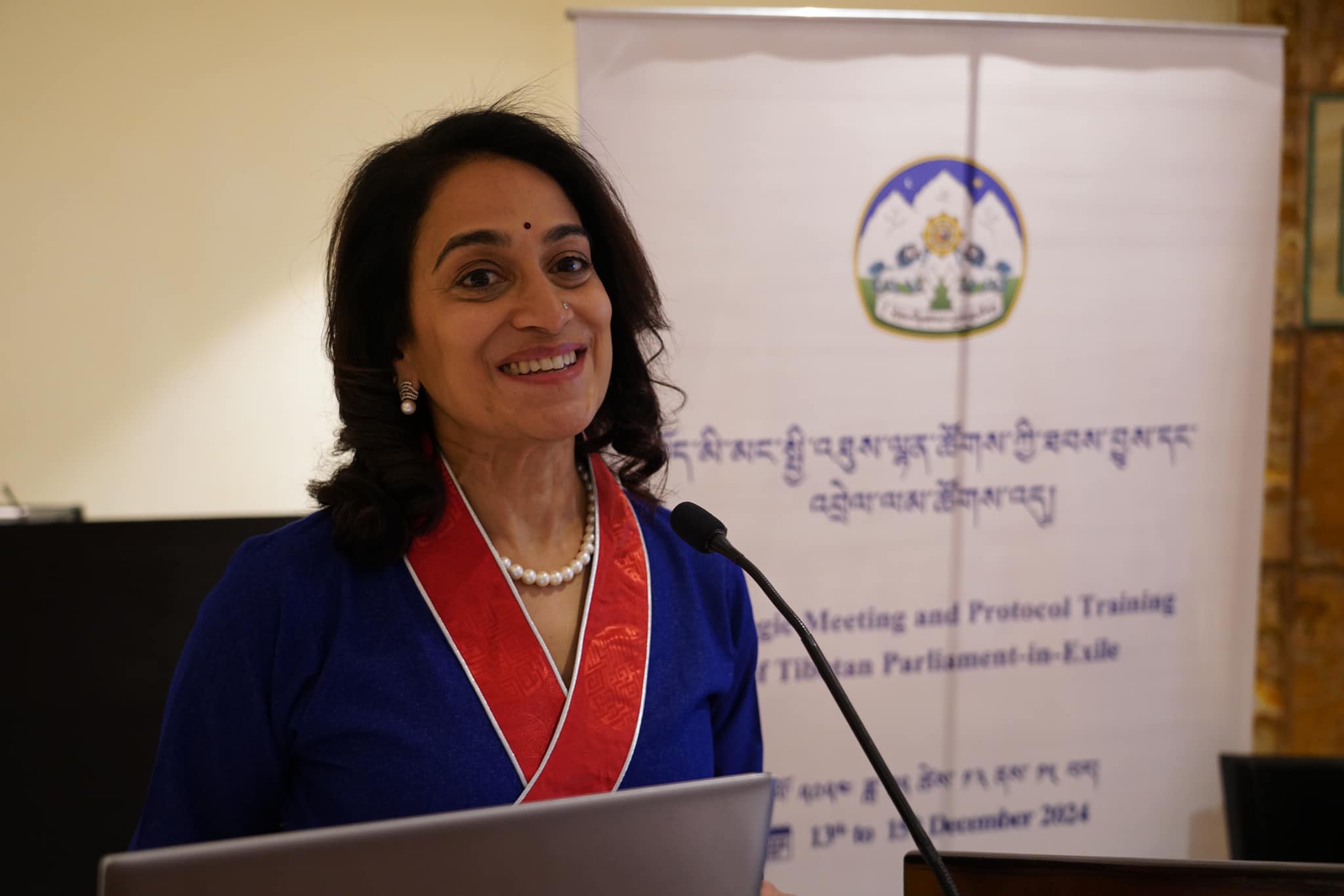
A closing ceremony was held by the end of the event where Deputy Speaker Dolma Tsering Teykhang and NDI Chief of Party Leela Mulukutla gave closing remarks.
Mulukutla expressed gratitude to all Parliamentarians for their active participation in the two-day protocol training, which aimed to ensure that all the MPs are well-versed in international diplomatic protocols, particularly in advocacy initiatives and engagements with international diplomats.
Special thanks were extended to trainers Mark and Maryse for their valuable contributions. The knowledge and skills shared during the sessions are expected to benefit Parliamentarians in the upcoming three-day advocacy campaign in Delhi.
The Chief of Party highlighted TPiE’s role as a key partner in USAID-funded CTA-CBSI and NED-funded programs. Updates on ongoing initiatives of the partnership were also provided, emphasising the significance of these efforts in amplifying Tibet’s international presence and improving governance within TPiE.
Deputy Speaker Teykhang, in her address, extended her heartfelt gratitude to prof. Sunaina Sing, Former Vice Chancellor of Nalanda University and Former Vice President of the Indian Council for Cultural Relations (ICCR); Amb. Dilip Sinha, Former Permanent Representative of India to the UN in Geneva & Former Ambassador for their valuable insights into the process of enhancing reach out to think tanks and educational institutions and on enhancing the just cause of Tibet in the foreign policy of India during the first day of the strategic meeting.
She continued to thank USAID and NDI, especially NDI’s Chief of Party Leela Mulukutla and staff members for their valuable contribution in many of parliament’s programs including this protocol training. The resource persons international protocol experts Mark Verheul and Maryse Larché Mele were also thanked for their valuable insights, as well as members of parliament for their active participation during the workshop, and others including Delhi’s Bureau of His Holiness the Dalai Lama, interpreter Tenzin Loden, among others.
This program was made possible by the generous support of the American people through USAID via NDI and SARD.
-Report filed by Tibetan Parliamentary Secretariat