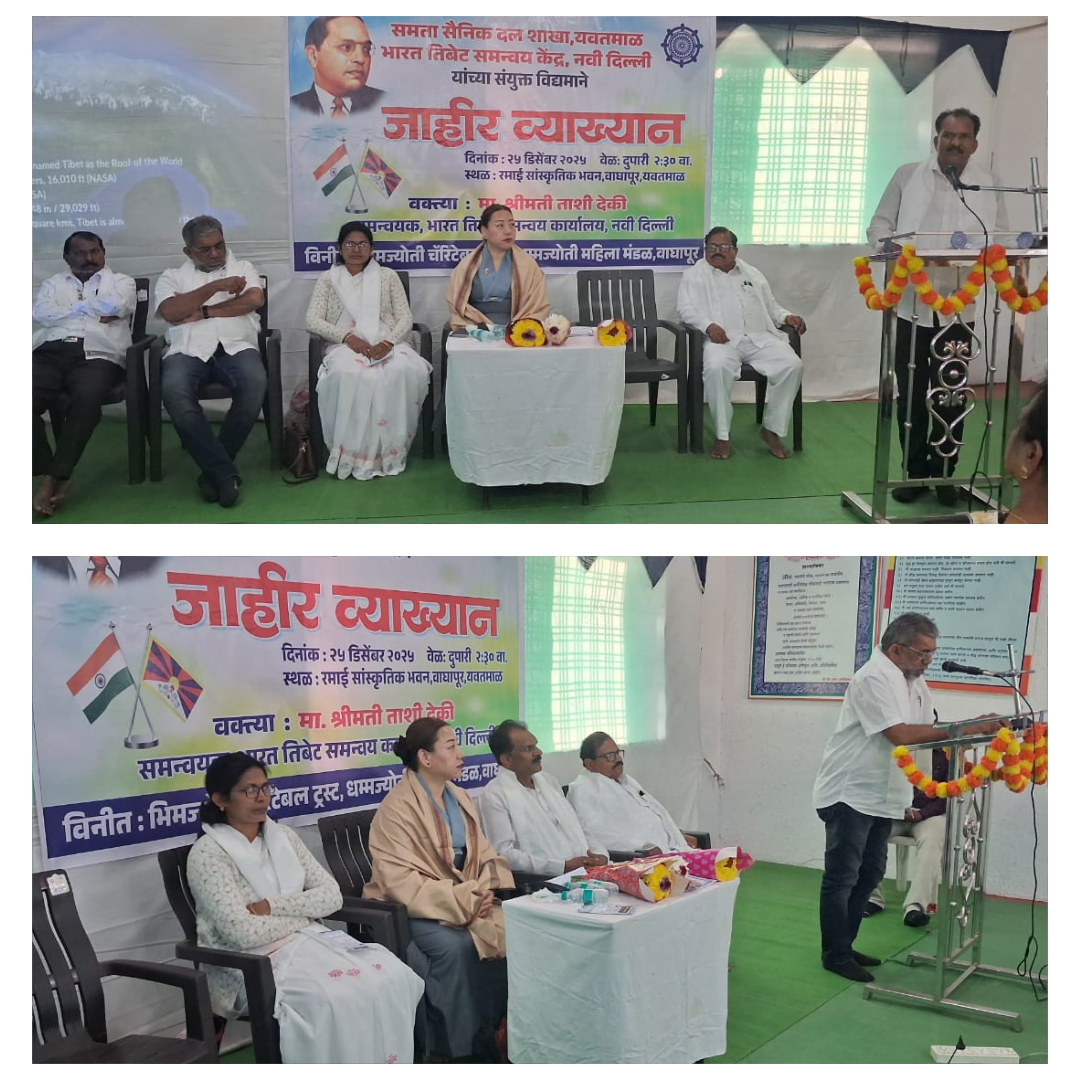

New Delhi: The India Tibet Coordination Office (ITCO), New Delhi, in collaboration with Shri Arvind Nicose, Regional Convener, Core Group for Tibetan Cause, successfully organised Tibet Awareness Programmes in two regions of Maharashtra—Yavatmal and Amravati. These programmes were specially designed to engage two different audiences within the Ambedkari community. The programme in Yavatmal focused on the general public, particularly adult community members, while the programme in Amravati was conducted for college students, with the aim of educating and sensitising youth about the Tibet cause.
Both programmes highlighted the historical background of Tibet, the current challenges faced by the Tibetan people, and the relevance of Dr B. R. Ambedkar’s values of justice, freedom, and human rights in understanding the Tibet issue. The sessions received active participation and positive responses from attendees in both regions.
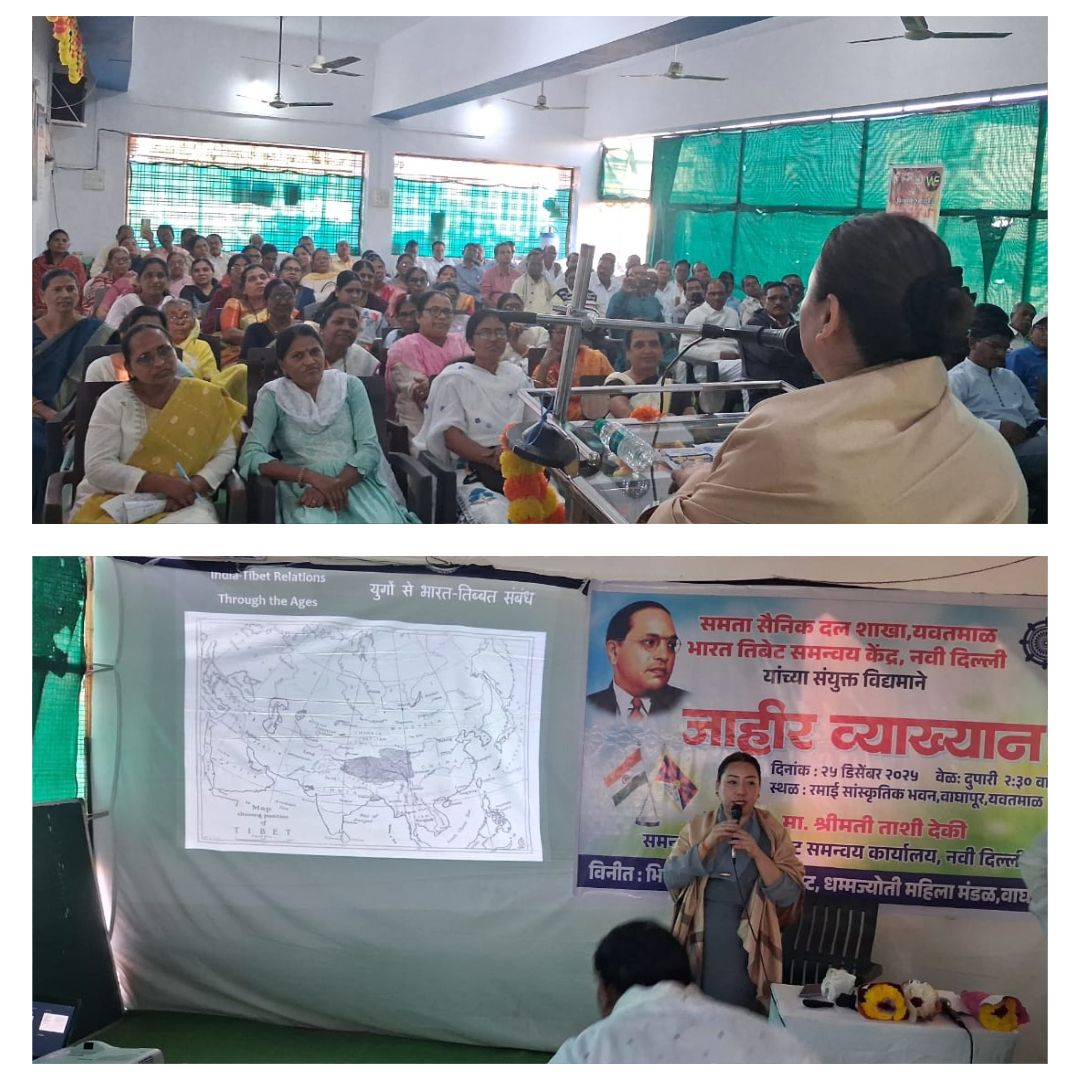
The public lecture on Tibet awareness, themed “India–Tibet Relations: Shared Heritage and Shared Future and the Role of Dr Babasaheb Ambedkar,” witnessed participation from more than 100 people. The programme was presided over by Meera Ramdas Veer (President, Dhammajyoti Mahila Mandal, Waghapur), Dhamma Kamble (Social Activist, Yavatmal), Ashok Taksande (President, Samata Sainik Dal, Yavatmal), Ramdas Bankar (President, Bhimjyoti Charitable Trust, Yavatmal), Shri Arvind Nicose, Regional Convener, Core Group for Tibetan Cause, and Tashi Dekyi, Coordinator, India Tibet Coordination Office.
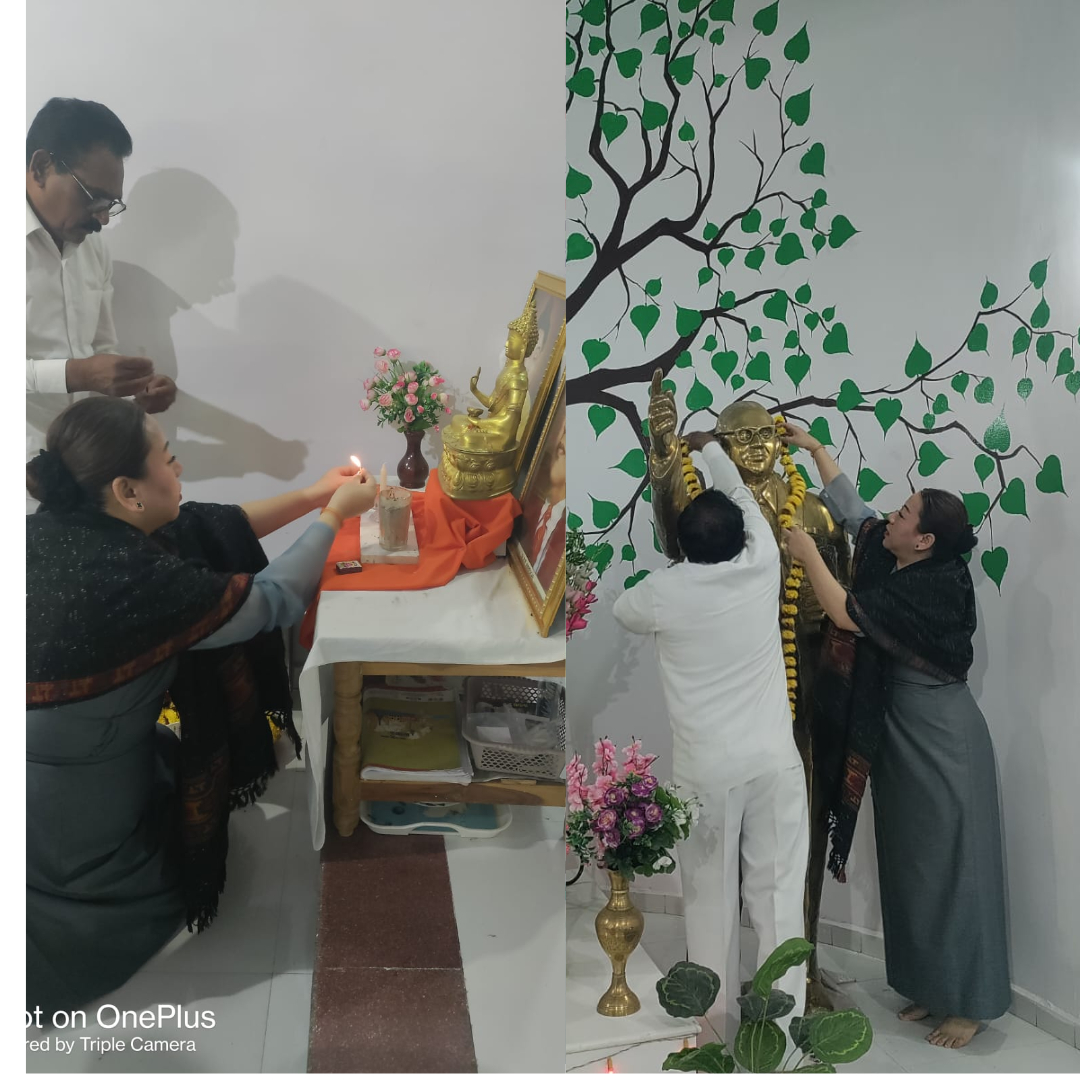
The event commenced with the lighting of lamps, followed by a prayer for world peace. The programme was formally introduced by Rajesh Jungare.
Dhamma Kamble delivered an insightful overview of Tibet and highlighted the role of Dr Babasaheb Ambedkar in advocating human rights, speaking in the Marathi dialect. He addressed how Dr B. R. Ambedkar strongly criticised India’s China policy, particularly in the context of China’s takeover of Tibet. He explained that Dr Ambedkar consistently warned that China was not trustworthy, emphasised that Tibet served as India’s strategic buffer, and cautioned that the Panchsheel Agreement was one-sided. Kamble further underlined why Tibet matters to India, especially in terms of national security and global peace, and urged the audience to stand in solidarity with the Tibetan community and support the Tibetan cause.
Tashi Dekyi, Coordinator of the India Tibet Coordination Office (ITCO), shared an overview of Tibetan history and delivered a PowerPoint presentation themed “India–Tibet Relations: Shared Heritage and Shared Future.” The presentation highlighted the historical relationship between India and Tibet, with particular focus on the origins and development of language, religion, and Sowa Rigpa (traditional Tibetan medicine).
She also addressed key topics, including Tibet’s status as an independent nation, the Tibetan people’s journey into exile, the role of the Central Tibetan Administration (CTA), the current situation in Tibet, and the significance of Tibet to India. Emphasising the moral foundation of the Tibetan movement, she stated that the Tibetan cause is rooted in truth and appealed for continued support from the people of India, noting that the movement can be strengthened only through the solidarity of Indian brothers and sisters.
Tashi Dekyi further urged people to become the voice of the Tibetan community—transforming the voices of lakhs into crores—so that the issue may be heard by the global community and international pressure may be applied on the Chinese Communist Government to seek a peaceful resolution to the Tibet issue.
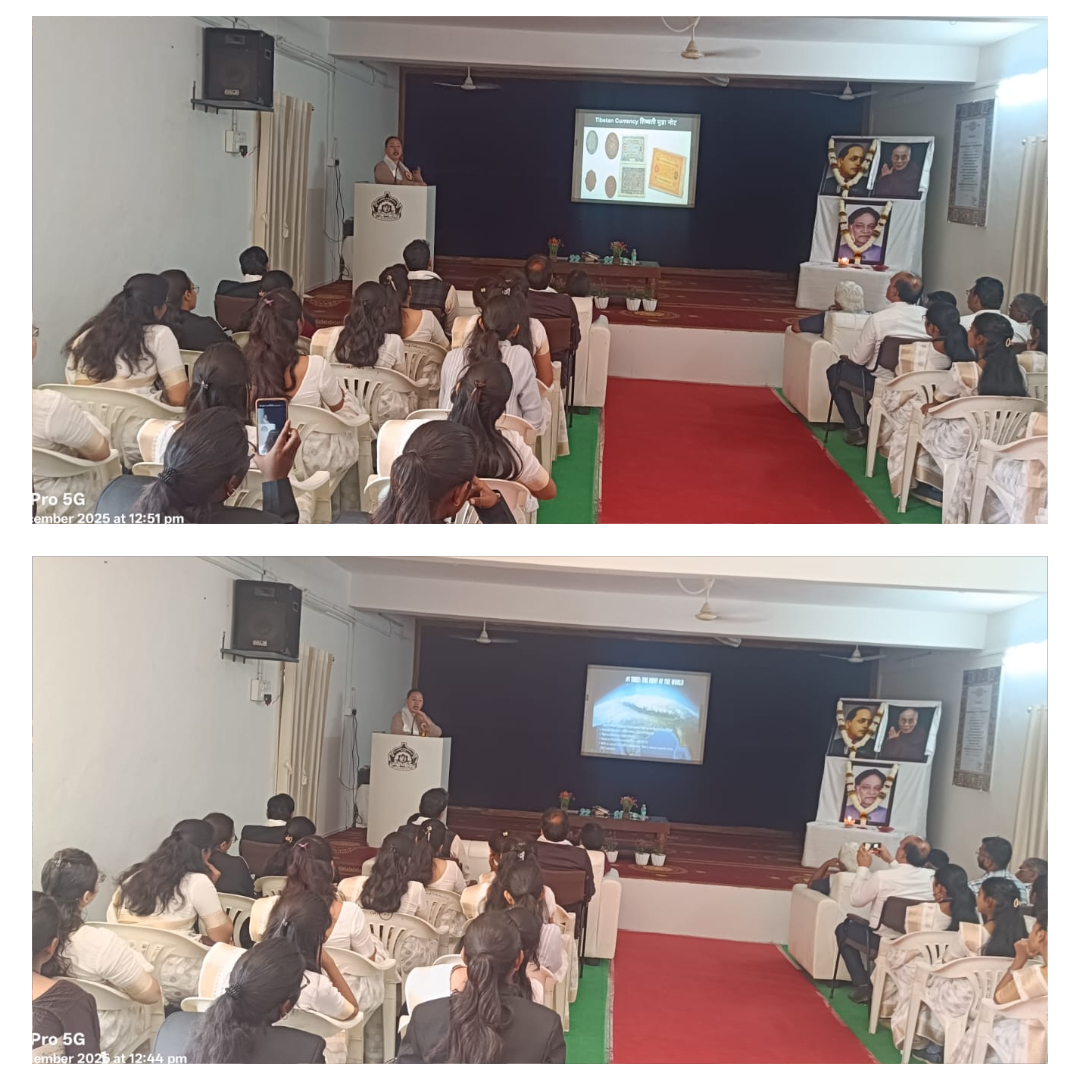
The awareness programme for college students witnessed the participation of around 150 students along with faculty members. The event commenced with the lighting of lamps and prayers and was chaired by Smt Kirti Rajesh Arjun-Gawai (President, Shree Dadasaheb Gawai Charitable Trust, Amravati), Shri Dr Kamlakar Payas (Principal, Dr Babasaheb Ambedkar College, Uttam Nagar), Shri Arvind Nicose, Regional Convener, Core Group for Tibetan Cause, and Tashi Dekyi, Coordinator, ITCO.
Dr Kamlakar Payas delivered the introductory remarks. Smt Kirti Rajesh Arjun-Gawai highlighted the significance of preserving and protecting Tibetan culture and religion, noting that they are deeply rooted in and closely connected with India. She expressed her long-standing commitment to stand in solidarity with the Tibetan movement and urged the younger generation to study Tibet in greater depth so as to advocate the Tibetan cause effectively at the global level.
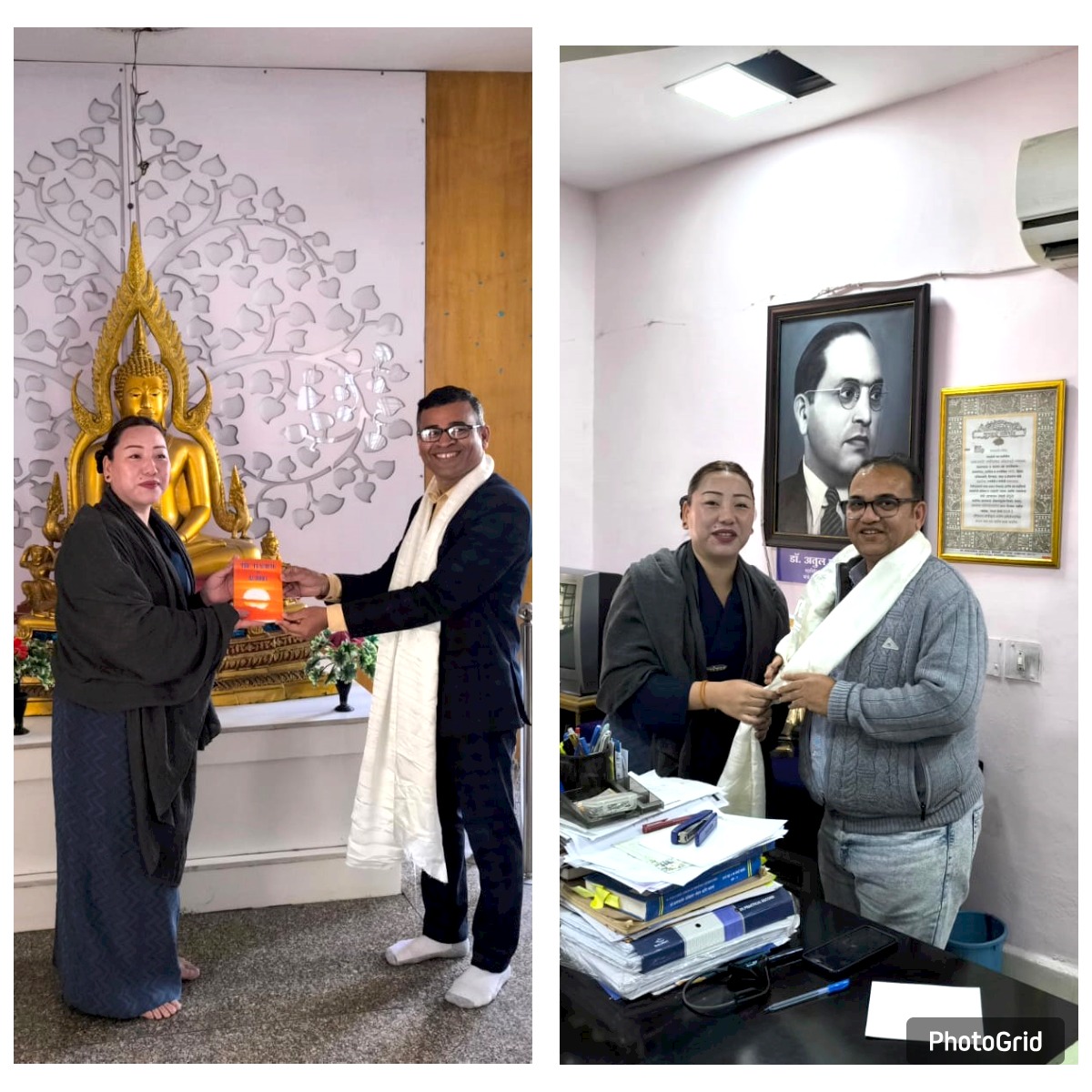
Tashi Dekyi delivered an informative session on Tibetan history and the journey into exile, supported by the PowerPoint presentation “India–Tibet Relations: Shared Heritage and Shared Future.” In her concluding remarks, she encouraged students to explore Tibetan literature, copies of which were donated to the college library, and to educate themselves so they can advocate for the Tibetan cause on international platforms. She reminded students that many of them may one day serve as diplomats, representatives at the United Nations, or members of the nation’s security forces, and therefore bear a responsibility to remain informed and engaged.
The Tibet Awareness Programmes concluded successfully with interactive sessions with students and engagement with regional print media.
– Report filed by India Tibet Coordination Office