Dharamshala: On 21 May 2026, Sikyong Penpa Tsering inaugurated the two-day YES+ Stakeholder Conference organised by the Youth Empowerment Section (YES+) under the Department of Home, Central Tibetan Administration, at the Administration Training and Welfare Society Centre in Dharamshala. The conference sought to build a shared understanding of the Tibetan youth workforce and livelihood ecosystem, while identifying key challenges, opportunities, and partnership strategies. It also aimed to strengthen collaboration among organisations and develop a strategic YES+ roadmap for 2026–2030 to guide future community-driven initiatives.
The conference commenced with a ceremonial butter lamp lighting led by Chief Guest Sikyong Penpa Tsering. Also present on the dais were Kashag Secretary Tsegyal Chukya Dranyi, Home Secretary Palden Dhondup, Finance Secretary Tsering Dhondup, Education Secretary Jigme Namgyal, and Health Secretary Jampa Phuntsok. Around 32 participants representing from 22 diverse cross-section of the Tibetan eco-system including training institutions, entrepreneurship platforms, cultural and digital innovation organisations, youth advocacy groups, development partners and CTA representatives.
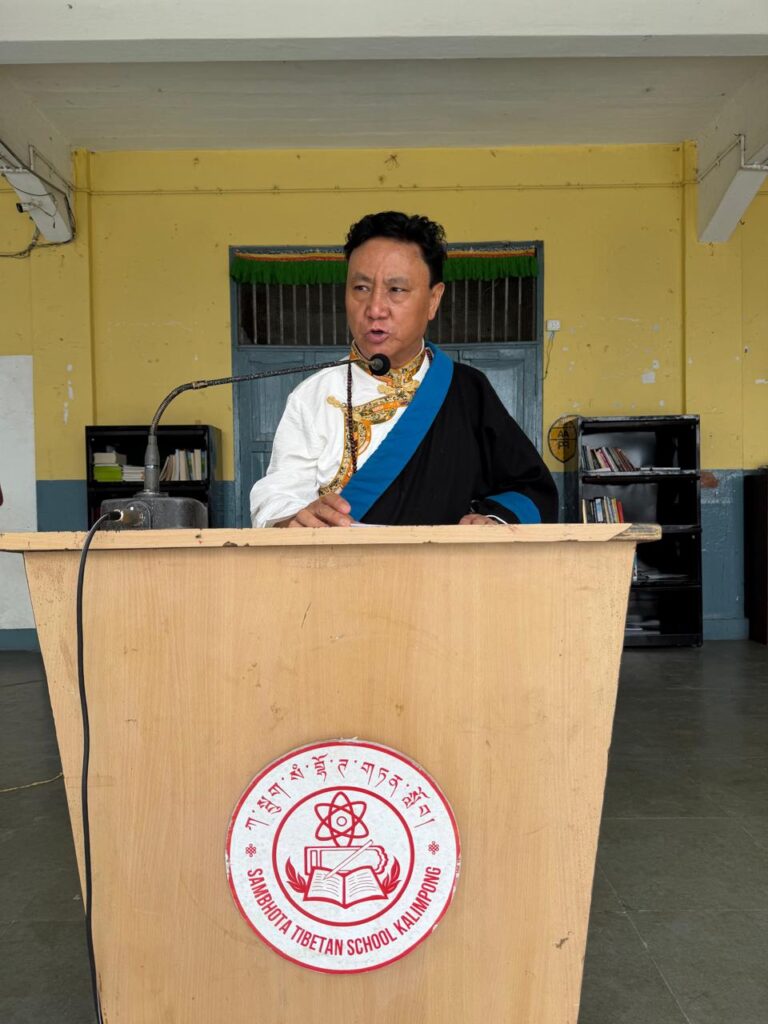
During his introductory address, Home Secretary Palden Dhondup stated that unemployment among youth has become a growing concern in both independent and non-independent countries. He noted that unemployment among Tibetan youth has also increased and the idea was formulated since 2022 to bring together organisations and individuals working in the field to discuss workforce-related challenges and identify practical solutions for the Tibetan community. He added that the initiative seeks to create a positive impact on the future of Tibetan youth employment.
The Home Secretary further said that the YES+ Youth Empowerment Desk is among the most important sections under the Department of Home, as investing in youth development is key to securing a better future for the Tibetan community. He stressed that youth participation in the workforce and the development of human capital is essential. He also remarked that academic degrees alone do not guarantee employability and highlighted the importance of developing practical skills. According to him, the section plays a crucial role in promoting self-reliance and empowering young Tibetans to contribute to nation-building.
Citing recent Tibetan household statistics, the Home Secretary said that out of 85,000 Tibetans living in exile, around 67 percent are between the ages of 15 and 59 and are eligible to work. Of these, 15.6 percent are unemployed, with many youths remaining jobless after completing their education. He noted that many elderly Tibetans are supported financially by family members abroad, underscoring the need for projects and programmes that can create employment opportunities for Tibetan youth. He added that the conference is the first initiative of its kind aimed at fostering the Tibetan community for future generations.
Following the address, Sonam Tashi, programme head who oversees the YES+ youth empowerment support desk, delivered a presentation introducing the YES+ programme and its future plans. He outlined the desk’s focus on workforce development, partnerships, employability preparedness, the YES portal, and the opening of two new YES Tibetan Career Centre branches in Tibetan settlements of Bylakuppe and Ladakh.
Tenzin Khenrab, Joint Secretary overseeing the management of the YES+ programme, presented findings on sample size Tibetan workforce data. The report focused on the demographic status of Tibetans in exile, school enrolment rates, unemployment trends, global workforce patterns, and the condition of the Tibetan workforce. According to data from the Tibetan household survey conducted in 2023, the population stood at 85,700, comprising 57,000 members and more than 10,000 institutions, including monasteries. The statistics further showed an average birth rate of 420 children annually, compared to a death rate of more than 119. The report also noted a significant decline in school enrolment since 2025, with figures dropping 13,000 from 21,000, marking a 36 percent decrease in 2025.
Tenzin Norsang, principal consultant to the YES+ programme, also spoke on the settlement officer survey, global and Indian workforce trends, and provided a brief assessment of the current state of the Tibetan workforce and human capital.
In his keynote address, Sikyong Penpa Tsering who is also the Kalon (Minister) of Home, extended his greetings to the participants and encouraged them to work towards developing strategic outcomes for the future implementation of the YES+ programme plans. He particularly welcomed non-governmental organisations to independently undertake initiatives that remain beyond the limited capacity of the administration. Sikyong underscored the importance of maintaining precise and reliable data collection within the Tibetan community and administrative work, urging Tibetan NGOs working for community welfare to prioritise preparedness and accurate data collection across all sectors.
Furthermore, Sikyong spoke about the allocation of the Fixed Award Amount (FAA) from the US Department of State since October 2024 to the CTA’s Departments of Home, Education, and Health. Recognising the significance and impact of the YES+ programme, the Department of Home received an allocation of around Rs 5 to 6 crore from the award this year.
Speaking on strengthening the connection between Tibetan youth and the administration, Sikyong highlighted the opportunities and youth-focused initiatives introduced by both the previous and current Kashag, encouraging young Tibetans to make full use of these opportunities and actively participate in the administration. He further advised youth to build confidence in themselves by equipping themselves with broad-based knowledge that would help them create stronger pathways for the future.
Addressing the present trend in the Tibetan job market and the increasing number of youth entering the nursing profession, Sikyong questioned the decline in applicants for accounting positions within the administration despite the continued issue of unemployment. He stressed the need to assess why many professionally trained and specialised individuals eventually secure employment in unrelated sectors.
On the political front concerning the resolution of the Tibet-China conflict, Sikyong reiterated that a solution can only emerge through engagement with the Chinese government and not through intervention from other countries or global actors. He therefore stressed the need for young Tibetans to take full responsibility in initiating their own plans and programmes moving forward. Referring to efforts to reach out to the current Chinese leadership and its hardline policies, Sikyong expressed scepticism regarding the prospects of Sino-Tibet dialogue, while assuring continued efforts through backchannel communication to establish reliable contacts and create the necessary conditions for engagement. He also reaffirmed the Middle Way Approach as the only viable path for resolving the Tibet-China conflict through dialogue with the Chinese government.
Before concluding, Sikyong encouraged everyone to read the current Kashag’s manifesto, “Securing Tibet’s Future,” to better understand the broader vision, work, and long-term goals of the CTA leadership in sustaining the Tibetan people and their cause.
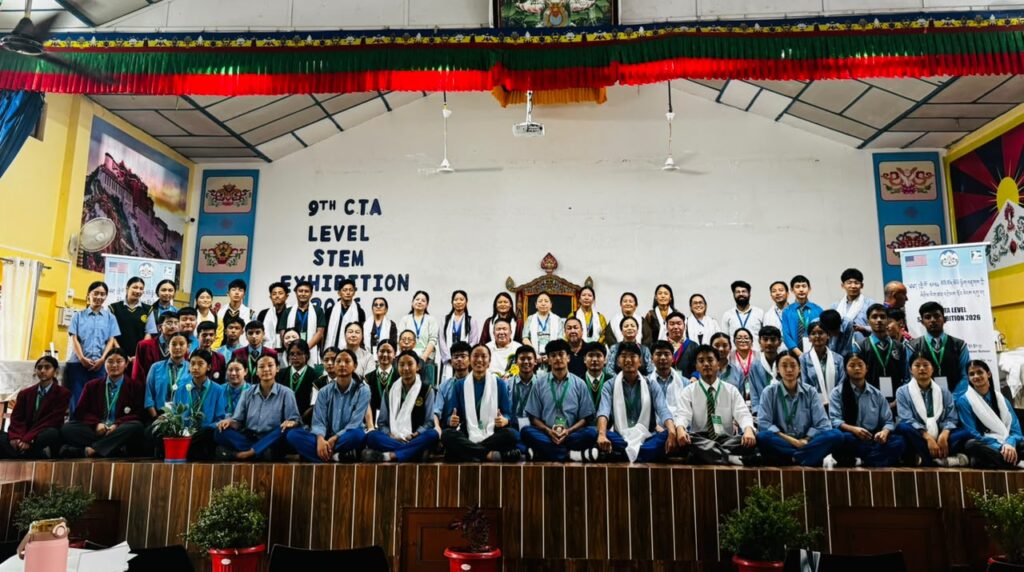
Following the keynote address by Sikyong Penpa Tsering, Additional Secretary Thupten Tsering from the Department of Home delivered vote of thanks. The inaugural ceremony concluded with a brief interactive Q&A session with Sikyong, followed by a group photo session with all participants and stakeholders.
The first YES+ Stakeholder Conference is funded by the US Department of State.