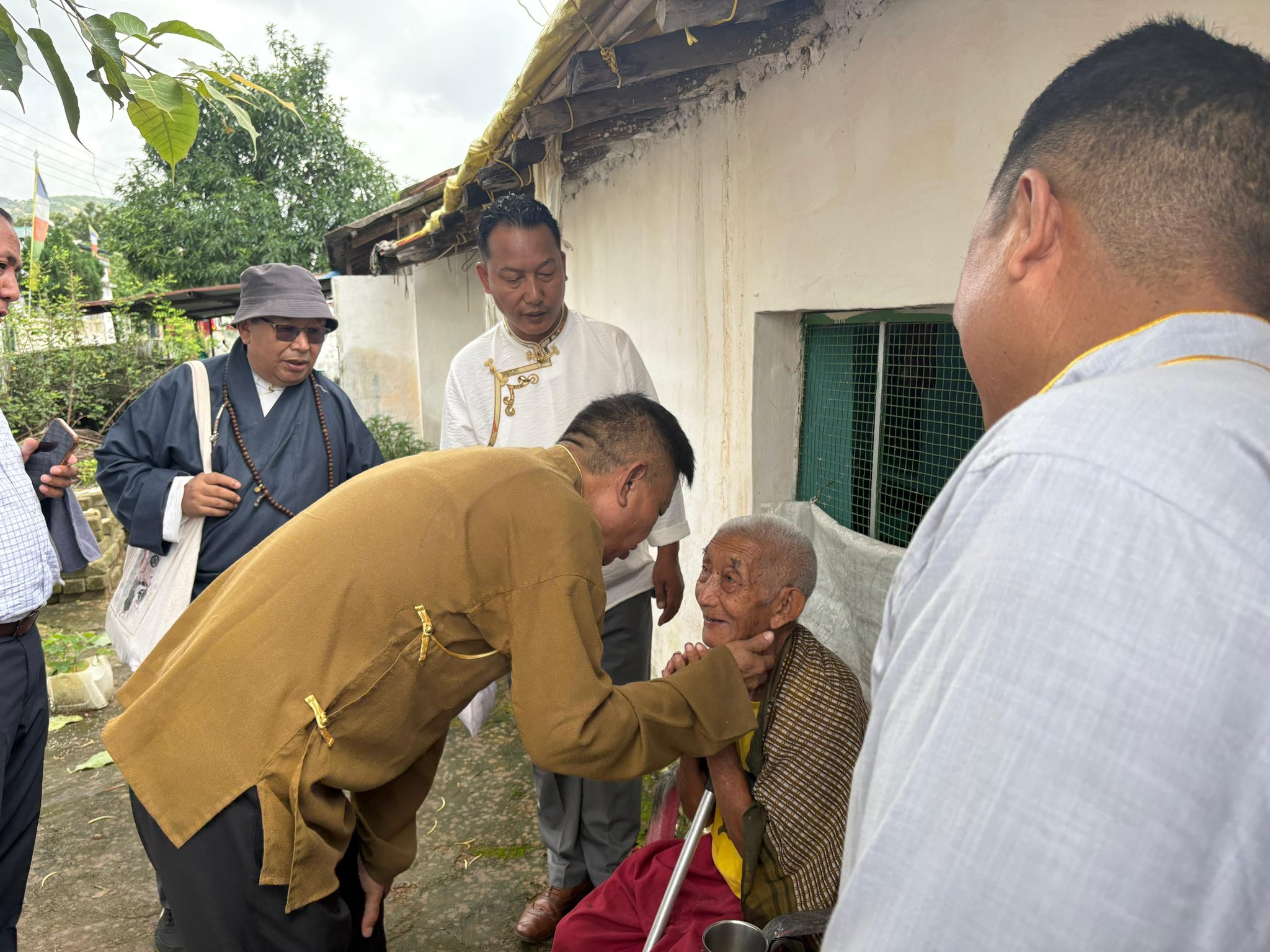
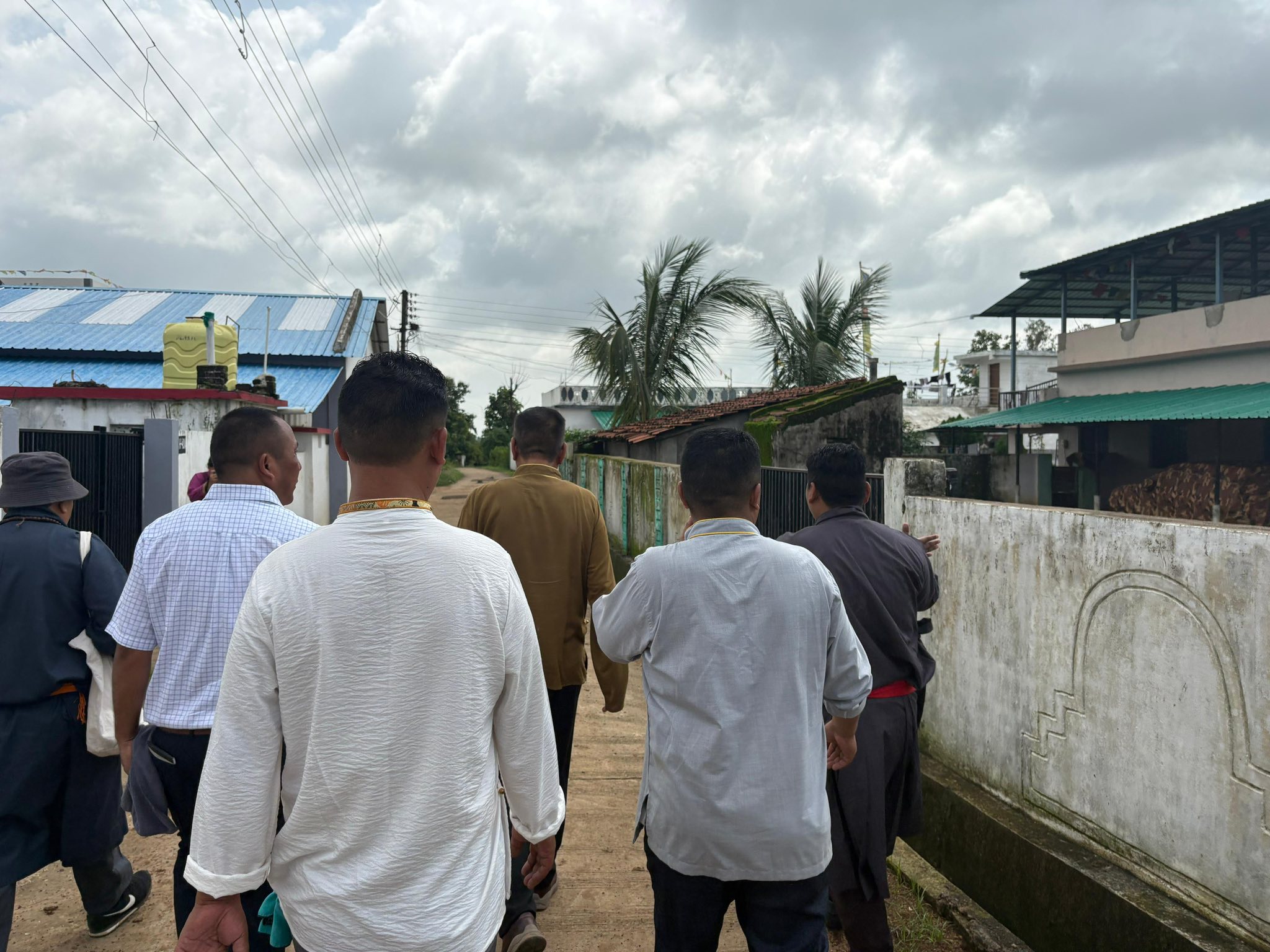
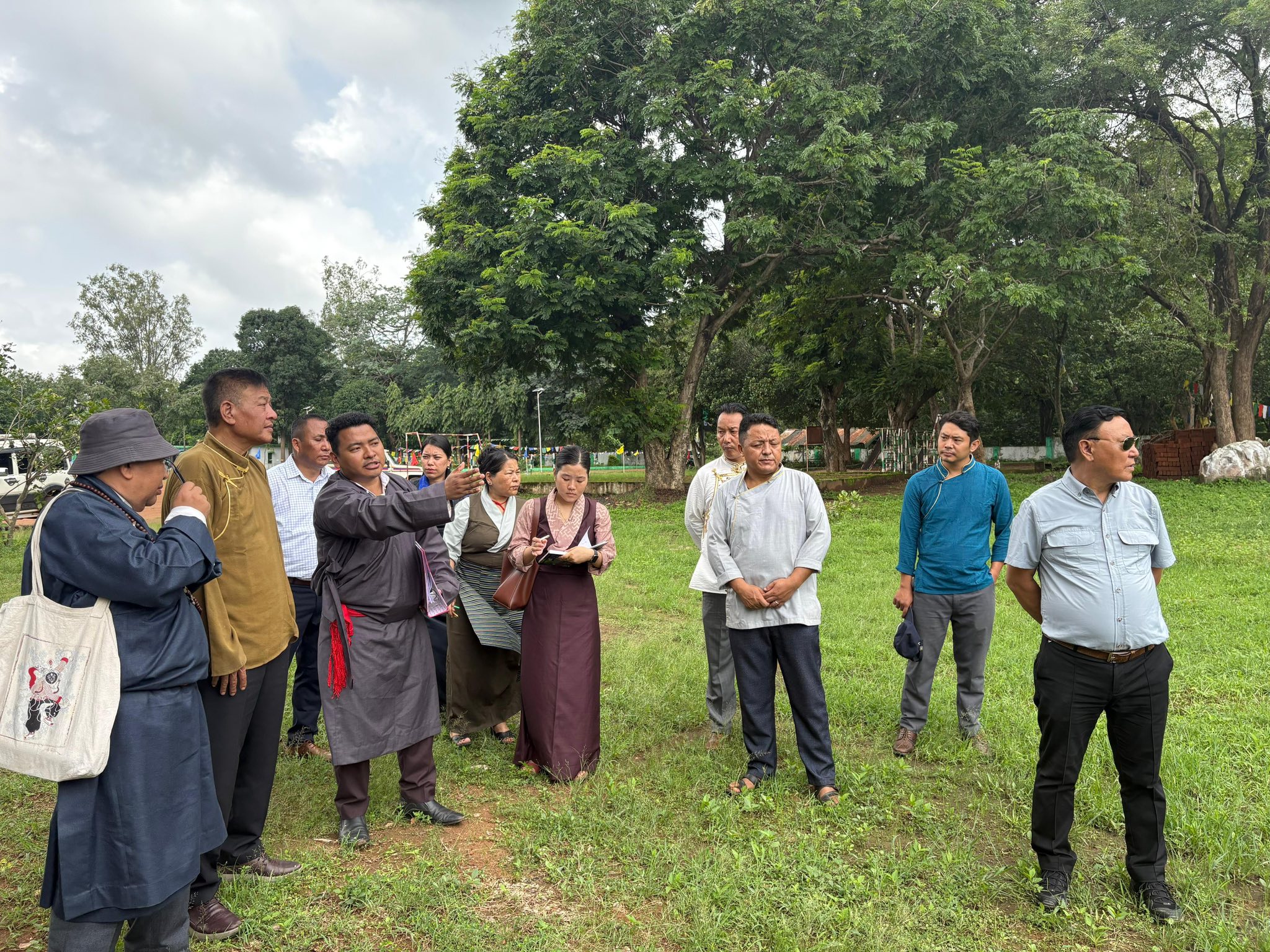
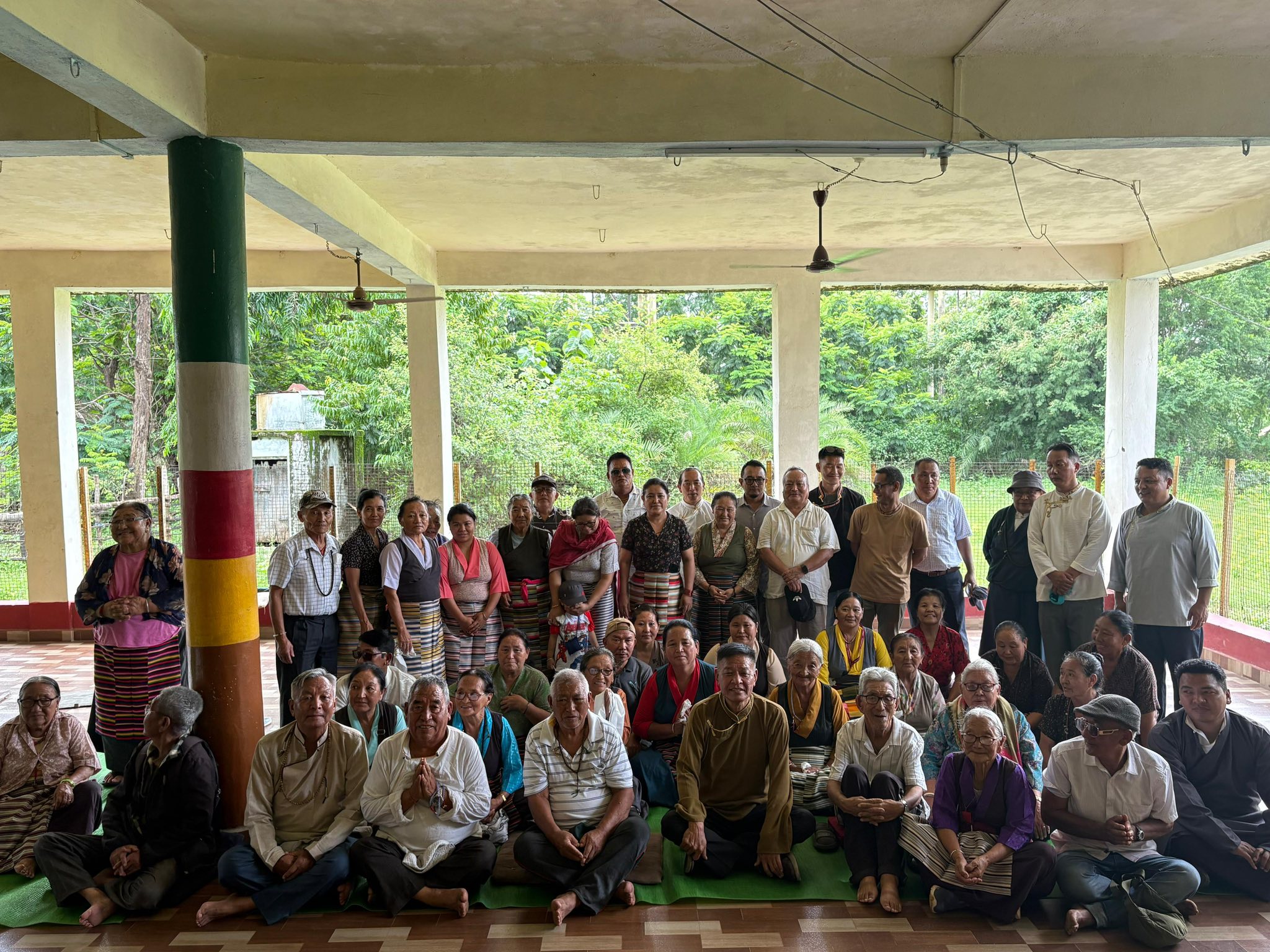
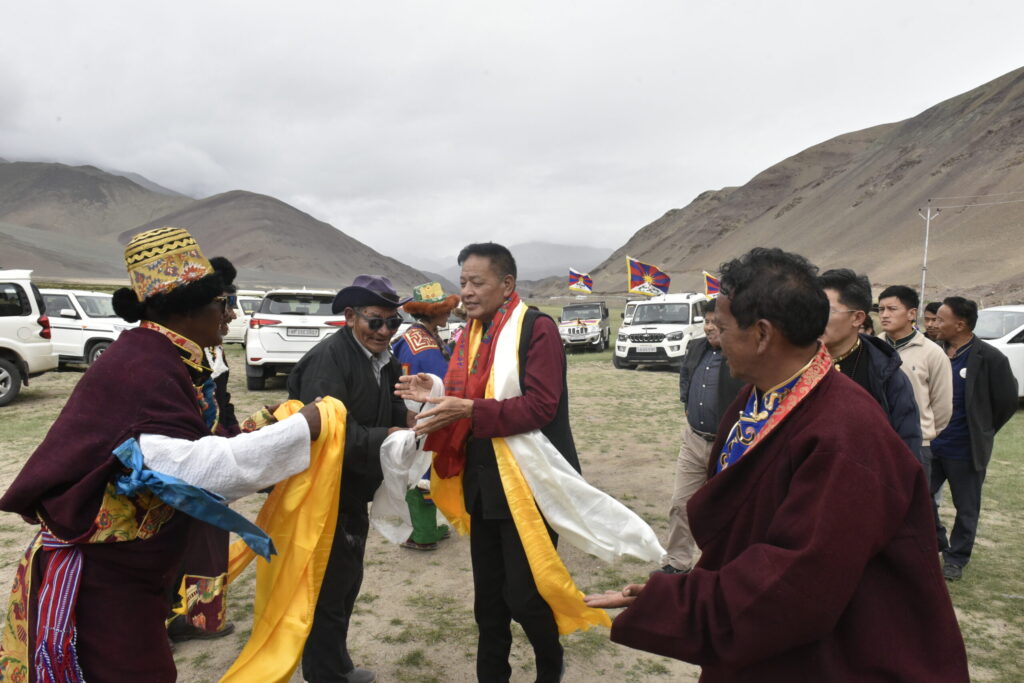
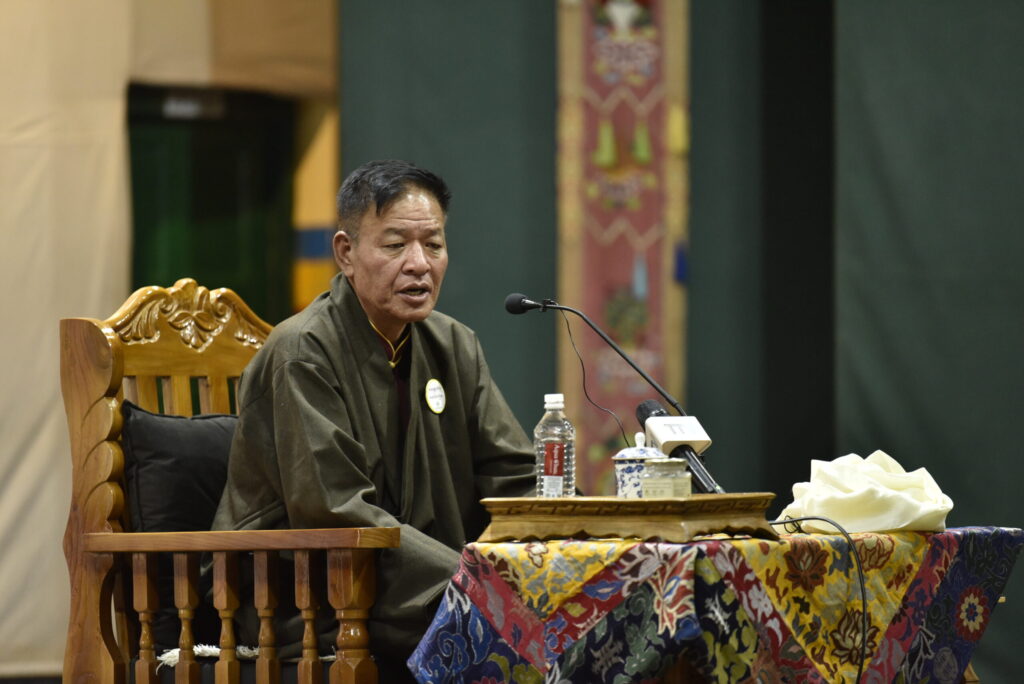
Bhandara: As part of his ongoing official engagement in the Norgyeling Tibetan Settlement, Sikyong Penpa Tsering inspected the proposed site for a new community hall on 31 July 2025 and held a series of meetings with members of the settlement’s co-operative society, local leadership, and the general Tibetan public.
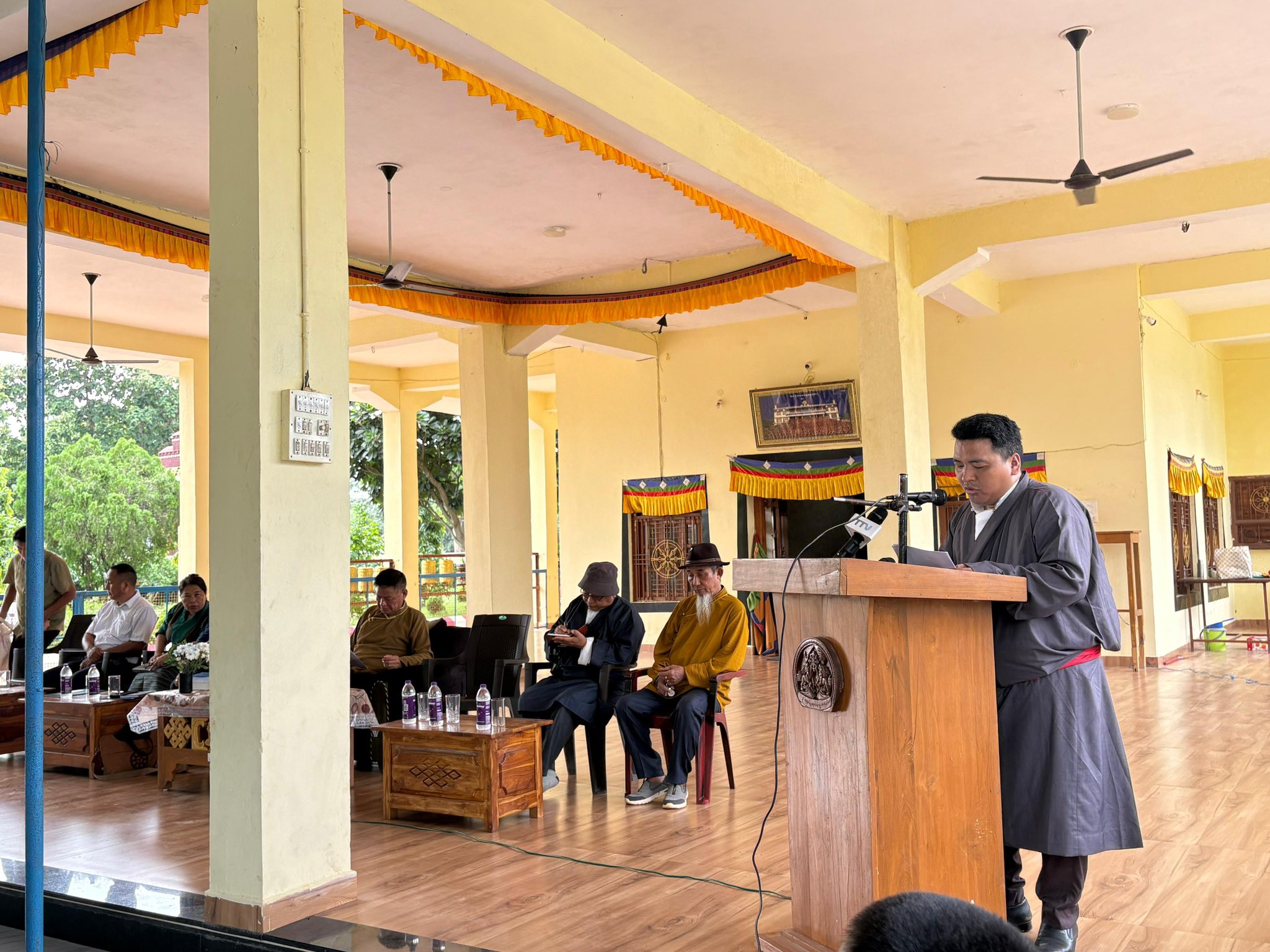
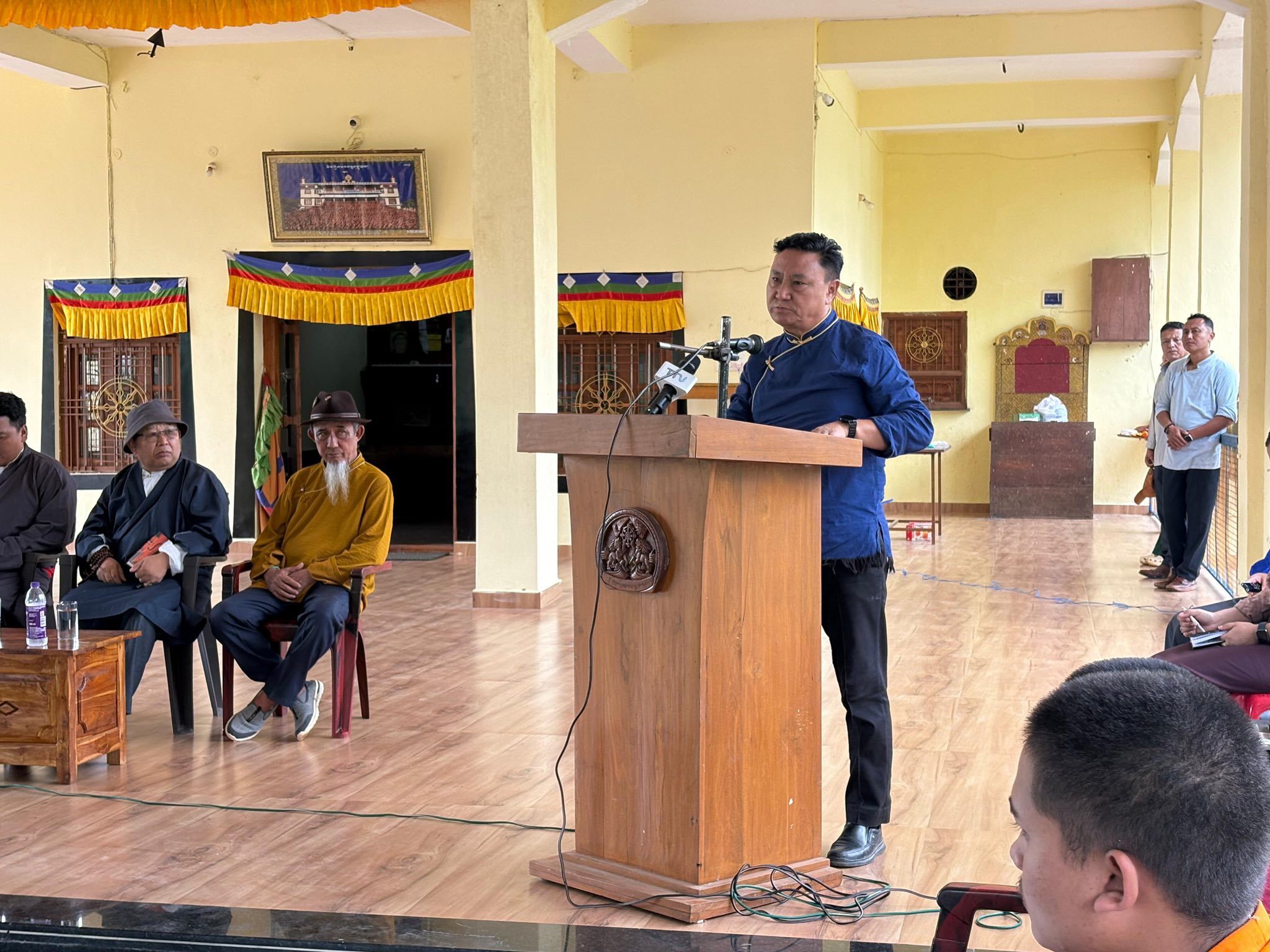
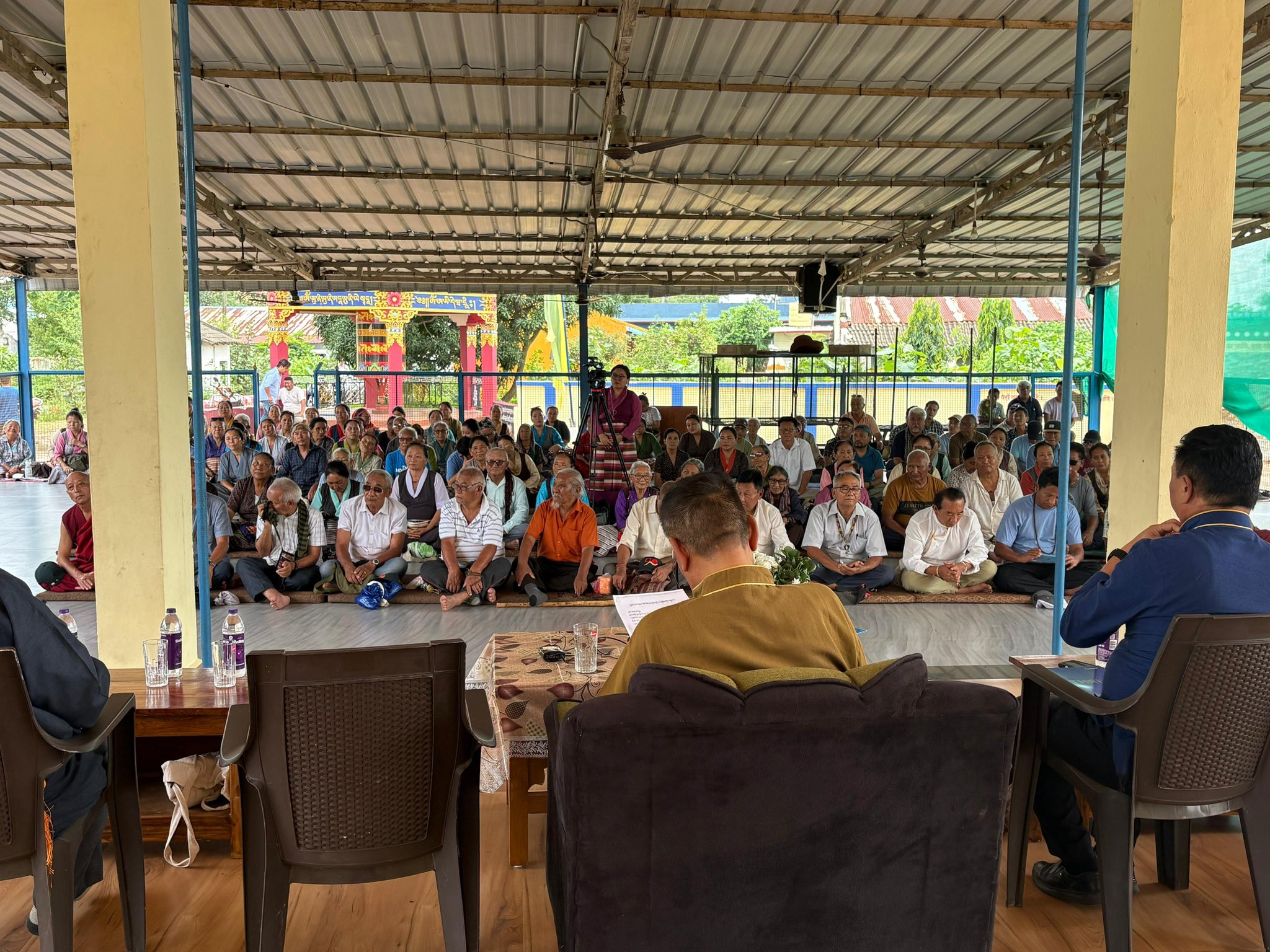
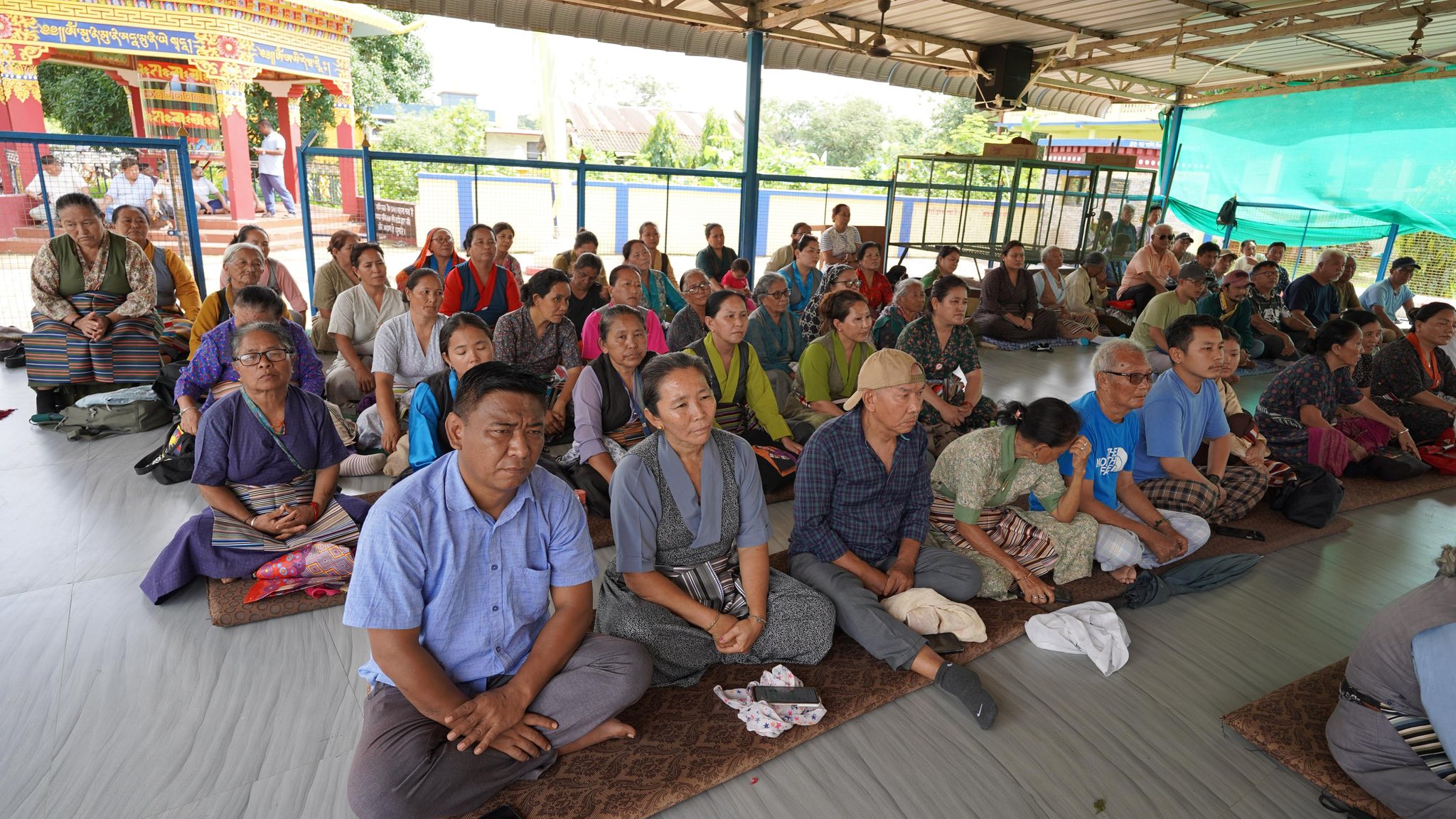
The public gathering, held later that afternoon at Sera Jey Thekchenling Monastery, was attended by the Tibetan Settlement Officer, President of the Local Tibetan Assembly, President of the Regional Tibetan Freedom Movement, Chairman of the Tibetan Co-operative Society, and representatives from the settlement’s two monasteries.
Secretary Palden Dhondup from the Department of Home, who accompanied Sikyong along with Joint Secretary Tenzin Kunsang, addressed the gathering. He stated, “Despite managing multiple portfolios as the incumbent Kalon (Minister) of the Departments of Home, Health, Finance, and Religion and Culture, visiting Tibetan settlements and community centres twice during this tenure remains a priority of the 16th Kashag and a privilege for Tibetans.”
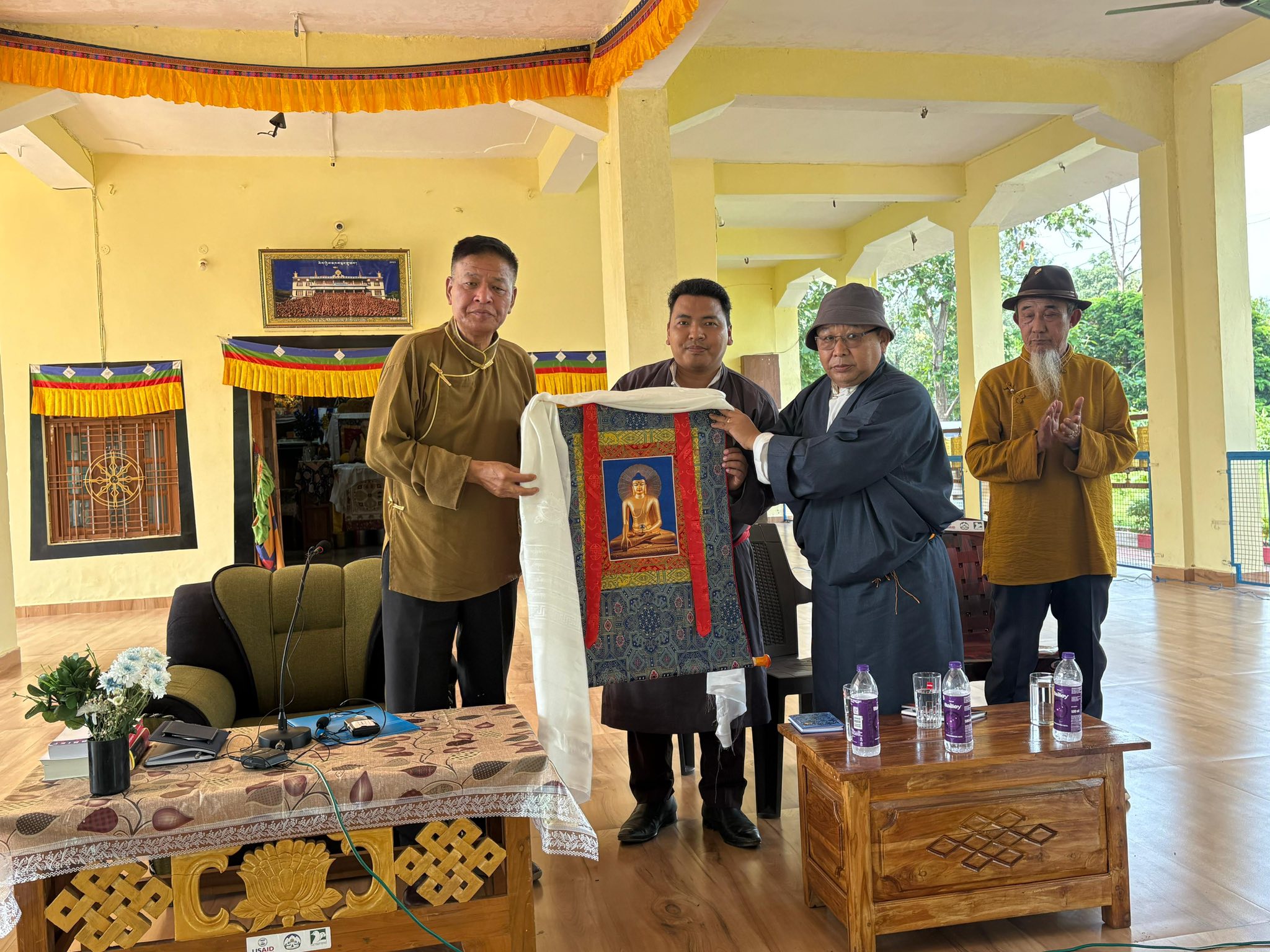
Following the presentation of a thangka of the Buddha to Sikyong by the Tibetan Settlement Officer and the President of the Local Assembly as a token of gratitude, Sikyong addressed the public.
Sikyong stated that one of the key goals of his tenure is to visit all Tibetan settlements at least twice to strengthen ties between the Central Tibetan Administration (CTA) and the wider Tibetan community. Emphasising that Tibetans are not refugees but exiles due to China’s occupation—as affirmed by His Holiness the Dalai Lama—Sikyong highlighted the unique achievement of Tibetans in exile: the establishment of full-fledged democratic institutions under the guidance of His Holiness.
Sikyong also stressed the importance of preserving the Tibetan language and culture. He noted that Tibetan is among the world’s oldest languages, with a script dating back over a thousand years, and warned that without active use and preservation, it risks extinction like many ancient languages. Expressing deep concern over the Chinese Communist Party’s intensified efforts to erode Tibet’s identity, Sikyong said Tibet’s language, culture, religion, environment, and way of life are under serious threat—and that safeguarding this identity is a collective responsibility of all Tibetans in exile.
Sikyong went on to highlight youth engagement as a core priority of the 16th Kashag, urging Tibetan youth to take ownership of Tibet’s future. He introduced the annual International Tibetan Youth Forum, a flagship initiative of the 16th Kashag, and encouraged young Tibetans in the settlement to actively participate.
On Tibet advocacy, Sikyong reiterated that the 16th Kashag continues to seek international support for the Middle Way Approach as a viable solution to the Tibet-China conflict. He encouraged the community to deepen their understanding of Tibetan history and the current situation inside Tibet, and to engage in advocacy through international lobbying efforts.
Sikyong also stressed the growing importance of scholarly research on Tibet, citing books such as Tibet Brief 20/20 by Professor Michael van Walt van Praag and works by Chinese scholar Professor Lao. He urged Tibetans to read such literature to enhance their understanding of Tibet’s historical and legal status.
The visit concluded with Sikyong answering questions from the audience, marking the successful end of his second visit to the Bandara Norgyeling settlement.
On 1 August, Sikyong and his entourage departed for the Odisha Phuntsok Ling Tibetan Settlement.