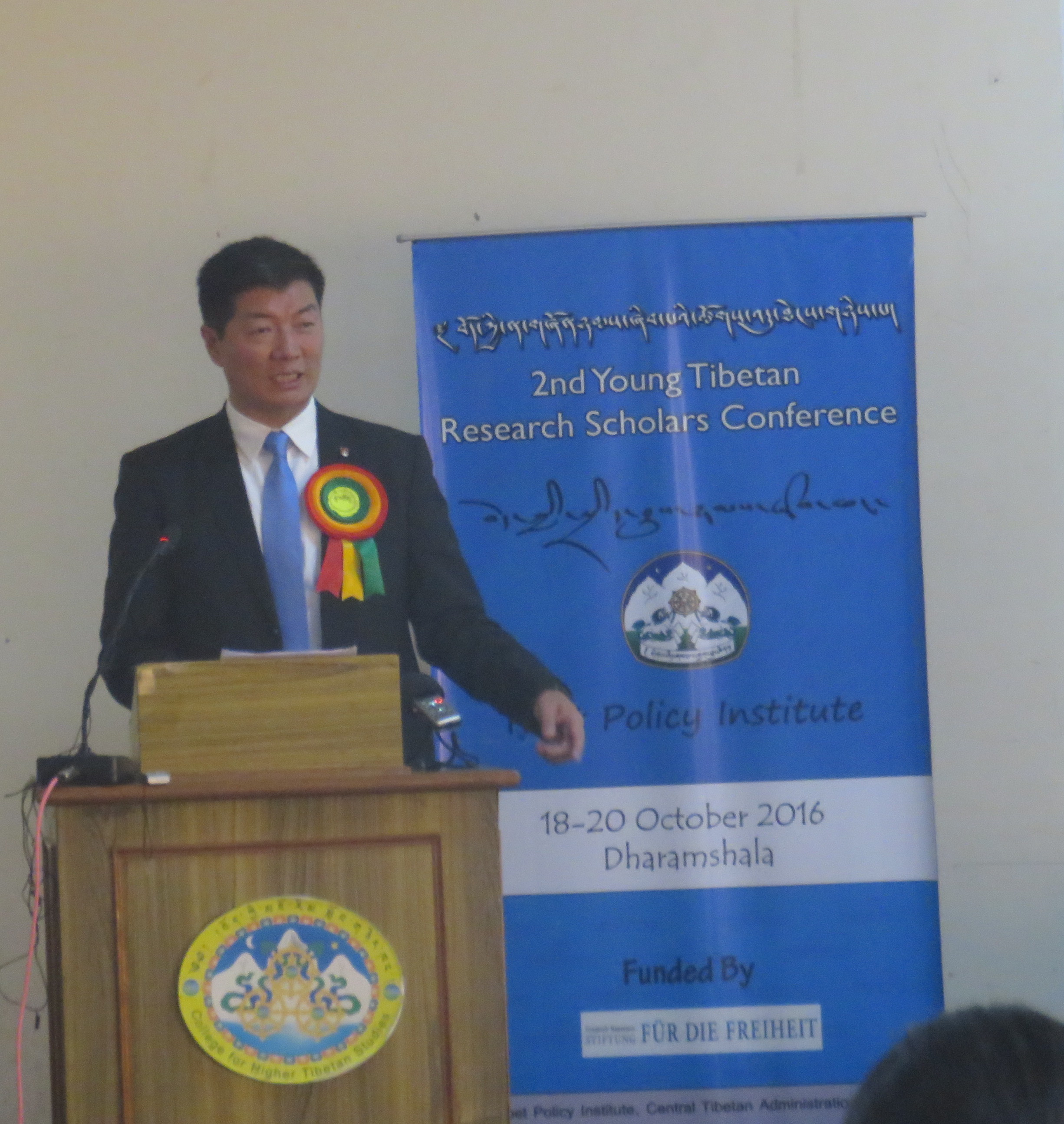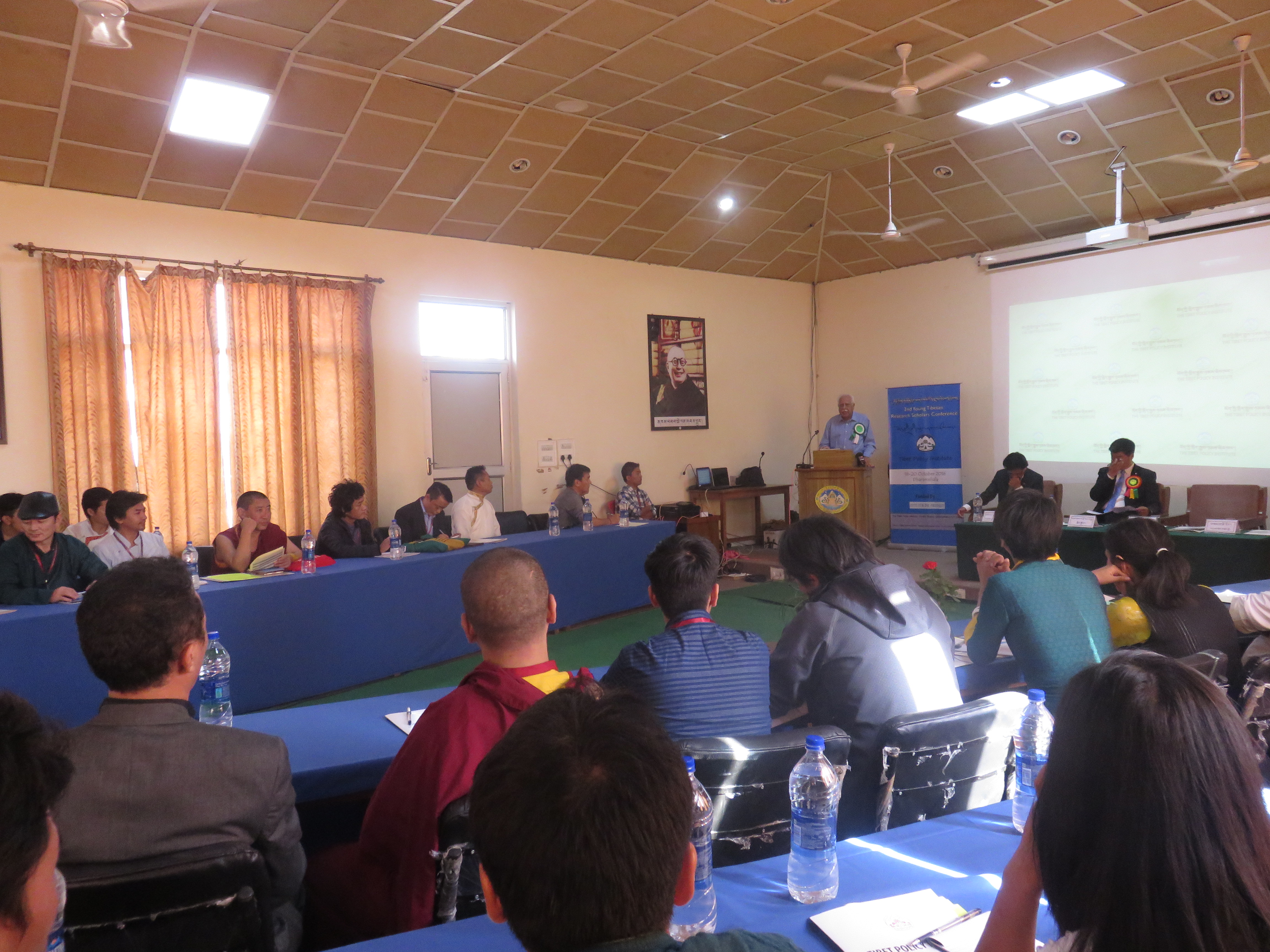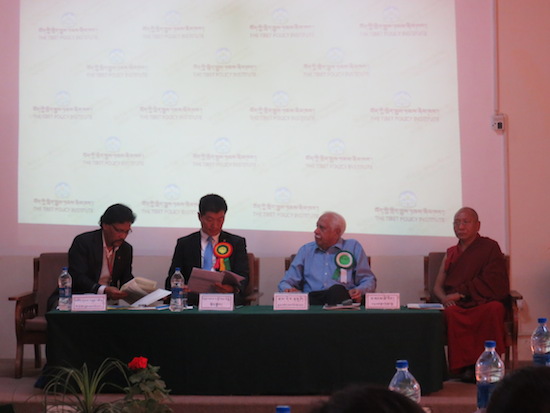
DHARAMSHALA: Sikyong Dr Lobsang Sangay today inaugurated the 2nd Young Tibetan Research Scholars Conference organised by Tibet Policy Institute, think tank of the Central Tibetan Administration. The three-day conference themed ‘Tibet and Tibetans: Prospects and Challenges’ is being held at the College for Higher Tibetan Studies, Sahra near Dharamshala.
The guest of honour at the inaugural session was Mr Jayadeva Ranade, President of the Centre for China Analysis and Strategy and former Additional Secretary at Cabinet Secretariat, Government of India.
Sikyong Dr Lobsang Sangay, in his inaugural address, offered his sharp and incisive perspectives on the global rise of nationalism and the perils of extremism, which could take overtones of xenophobia and intolerance.
He further noted the diminishing practice of compassionate diplomacy among nations as evidenced by the rise of extreme right wing politicians in Europe and the US.
Sikyong also talked about the focal strategy of his 15th Kashag: the five-fifty strategy to resolve the Tibet issue.
“In the next immediate five years, we will exert maximum efforts – both nationally and internationally – in achieving genuine autonomy for all Tibetans based on the Middle Way Approach. However, in case we remain in exile and have to continue our struggle for many years, we need to strategise in order to strengthen and sustain our cause for the next 50 years,” he explained.
“We have to protect and preserve our unique Tibetan identity and tradition. We need to build self-reliance in the Tibetan world, in both education and economy. And we will do that by intensifying our efforts through the respective departments and settlement offices,” he declared.
Concluding his remarks, Sikyong exclaimed that the elder generation of Tibetans have done their best and have popularised Tibetans as the most successful refugee community. However, the new generation of Tibetans have yet to do their part.”
“We shouldn’t get complacent by just being a successful refugee community. We need to break out of this refugee tag and compete on the world stage shoulder to shoulder. And in that regard, CTA is striving its best,” he asserted.
Mr Jayadeva Ranade in his keynote address explained that the world particularly China is on the cusp of great changes and Tibet is critical in these changes.
He further shared his views on the trends that are currently taking place inside China particularly after the 18th national congress of the Chinese Communist Party in 2012. He noted that there is a hardening of the Chinese state in the form of systematic imposition of controls on various aspects of society in China following that meeting.
He also talked about the fear of western ideologies among Chinese policymakers and the fear of contemporary ideas prevailing among their own people, which led to a flood of CCTV surveillance cameras across Chinese cities and an individual credit system, which appraises loyalty to the country.
He further offered his views on the appointment of Wu Yingjie as the new party secretary of Tibet Autonomous Region and China’s attempt to buy the loyalty of Tibetan monks and lay people through cash incentives and indoctrination.
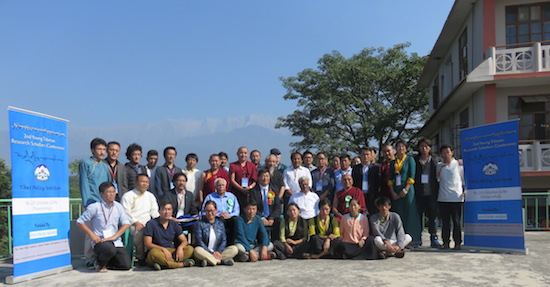
At least 60 participants including 29 researchers from across India are taking part in the researchers’ conference. The researchers will present ideas and offer their keen observations on all aspects of the Tibetan movement and culture including Tibetan history, literature and poetry, environment, as well as China’s policies and the Central Tibetan Administration’s strategies to resolve the Tibet issue.
TPI is a think tank that strives to serve as an intellectual hub for Tibetan scholars and become an internationally recognized platform that will shape CTA’s policies and perception of the international community towards Tibet and the Tibetan people.