Geneva, 25 September 2025: At the 22nd and 23rd meetings of the 60th Session of the United Nations Human Rights Council, many countries raised strong concerns about the human rights situation in China. The debate focused on violations in East Turkestan, Tibet, and Hong Kong, with repeated calls for China to respect international law and work with UN human rights bodies.

European Union:
The European Union called for the release of Tibetan human rights defenders. It also urged China to cooperate fully with the Office of the High Commissioner for Human Rights (OHCHR) and to implement the recommendations of its assessment report.
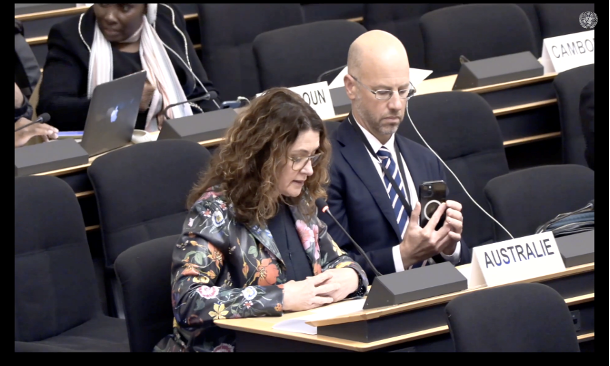
Australia:
Australia said it was gravely concerned about violations against Uyghurs and Tibetans. It stressed that governments should not interfere in the selection of religious leaders, including His Holiness the Dalai Lama.
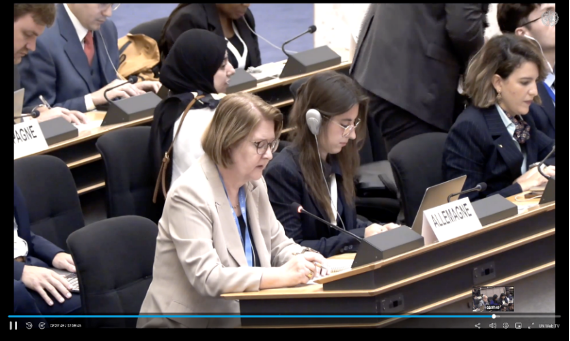
Germany:
Germany said the situation in East Turkestan and Tibet remains serious and raised concern over the erosion of political rights in Hong Kong. It called on China to respect freedoms of religion, expression, and assembly, and condemned transnational repression.
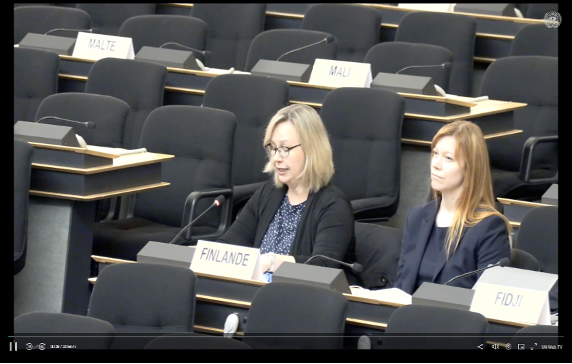
Finland:
Finland urged China to follow the recommendations of the OHCHR and UN treaty bodies. It also highlighted restrictions on civic space in Hong Kong and the situation of ethnic and religious minorities in East Turkestan and Tibet.
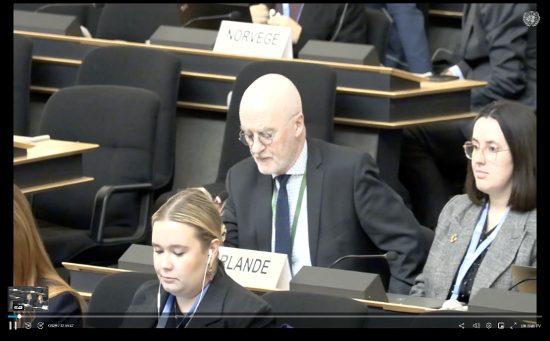
Ireland:
Ireland repeated its concern about restrictions on freedom of expression and freedom of religion or belief. It raised concern about repression of Uyghurs and Tibetans and called for respect for freedoms of assembly and association in Hong Kong.
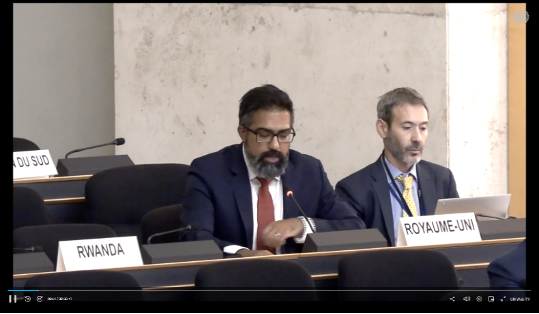
United Kingdom:
The United Kingdom expressed deep concern over religious and cultural restrictions in Tibet, unjust detention of activists like Sophia Hoang, and widespread censorship and surveillance. China must honor its human rights commitments and restore fundamental freedoms.
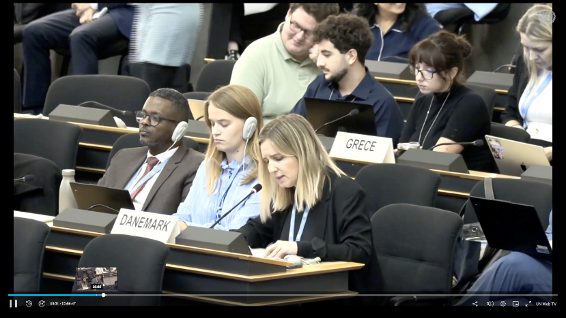
Denmark:
Denmark repeated its serious concern about the human rights situation in China, especially in East Turkestan, Tibet, and Hong Kong.
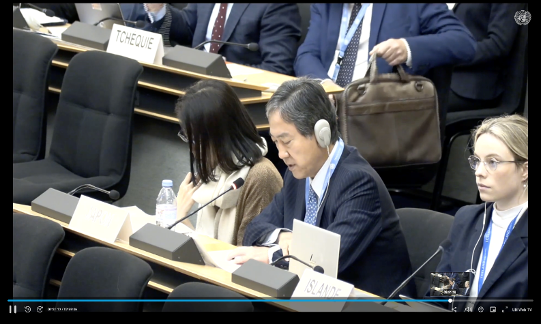
Japan:
Japan said the situation in East Turkestan is deeply concerning. It stressed the need to protect universal values such as human rights, freedom, and the rule of law across China, including in Tibet and Hong Kong. Japan also urged China to take transparent and concrete steps.
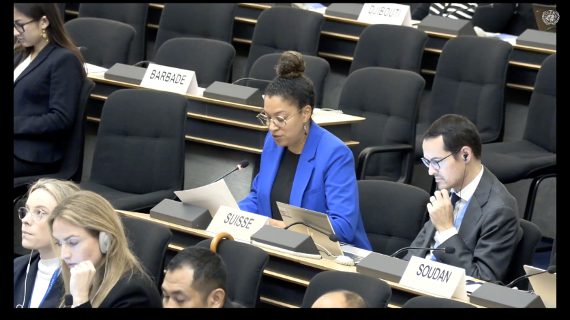
Switzerland:
Switzerland called on China to respect international conventions on minority rights, particularly in East Turkestan and Tibet.

Sweden:
Sweden said it remains concerned about the situation in Hong Kong, Tibet, and East Turkestan. It urged China to follow the recommendations of the Universal Periodic Review, the OHCHR report on East Turkestan, and UN special procedures.
In conclusion, the statements delivered at the Council reflect a broad and unified call from the international community for China to improve its human rights record. Countries emphasised the protection of fundamental freedoms, respect for minority rights, and the need for accountability. The situations in East Turkestan, Tibet, and Hong Kong remain a key concern. Representative Thinlay Chukki of the Tibet Bureau in Geneva expressed gratitude to all countries that raised the issues concerning Tibet, highlighting the importance of keeping international attention on the Tibetan people’s struggle for rights and freedoms. While many statements employed cautious diplomatic language, their message was clear: China’s actions in these regions are inconsistent with international law and basic human rights standards.
-Report filed by Office of Tibet, Geneva