
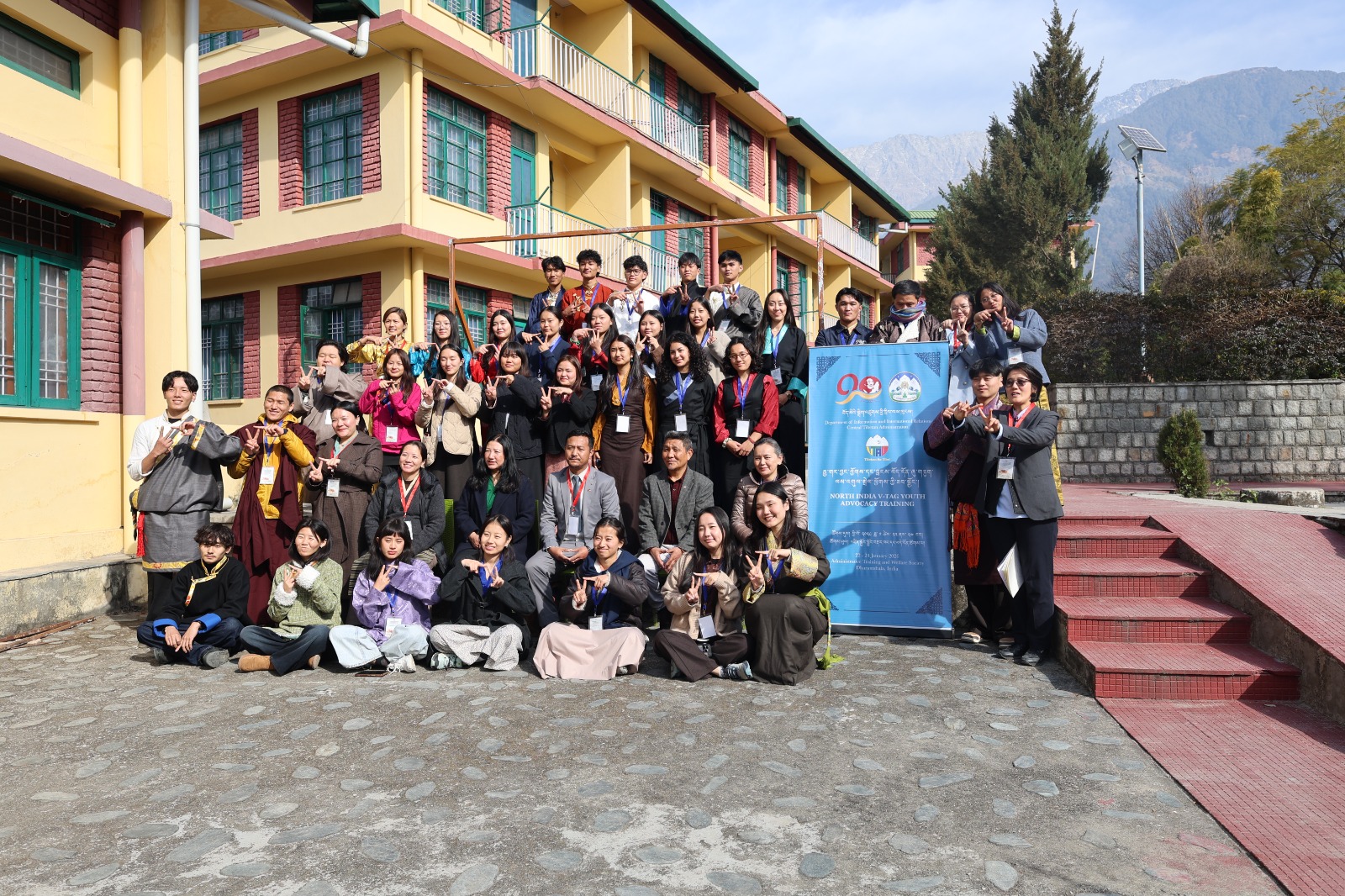
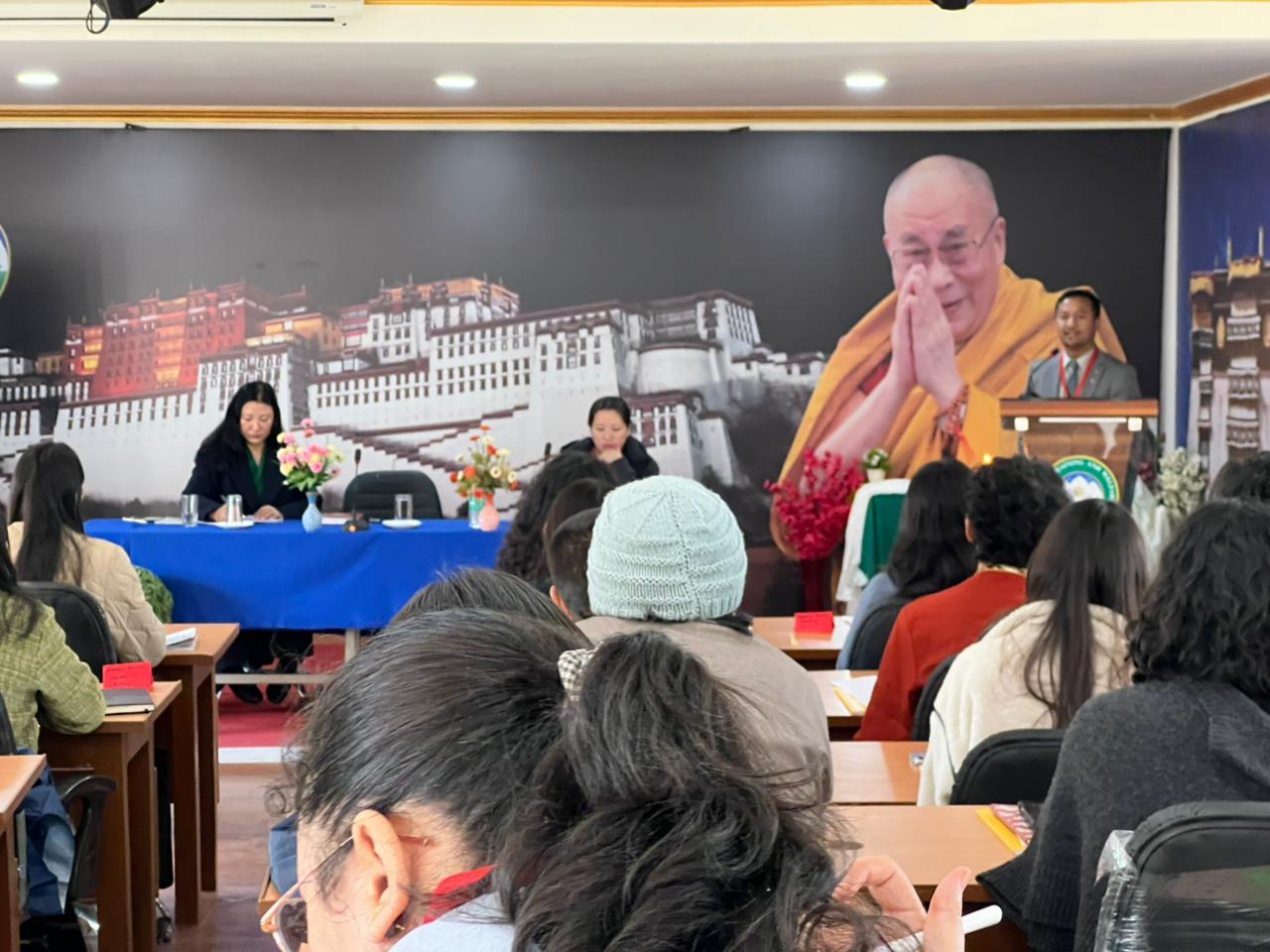
Dharamshala, 22 January 2026: The Department of Information and International Relations, Central Tibetan Administration, began a three-day North India V-TAG Advocacy Training at Administrative Training and Welfare Society, Dharamshala, on 22 January 2026. The program aims to equip Tibetan youth from North India with essential advocacy skills, strengthen coordinated regional efforts, and inspire greater leadership within the Tibetan freedom movement.
The training brought together 38 young advocates from across North India, including Dharamshala, Delhi, Chandigarh, Varanasi, Shillong, Sikkim, Darjeeling and Ravangla, who are committed to strengthening coordinated Tibet advocacy efforts in their respective regions.
The programme began with an introductory and ice-breaking session conducted by Dukthen Kyi, Head of Tibet Advocacy Section, Department of Information and International Relations, Central Tibetan Administration. The session set the tone for the day by fostering a welcoming and interactive environment, encouraging participants to engage openly and build connections with one another.
The inaugural session featured keynote addresses from Dukthen Kyi, Joint Secretary and Head of Tibet Advocacy Section, DIIR, Tsering Choephel, President of the Tibetan Youth Congress and Lobsang Yangtso, Program and Environment Coordinator, International Tibet Network. Dukthen Kyi spoke on the objectives and importance of organising the advocacy training, emphasising the indispensable role of Tibetan youth in the Tibetan freedom movement. She urged participants to take leadership in their respective regions by drafting concrete action plans and implementing them at the regional level. Tsering Choephel provided an overview of the Tibetan Youth Congress and highlighted its various advocacy campaigns, while Lobsang Yangtso introduced the International Tibet Network, shared insights into its recent major campaigns, and outlined key gaps and opportunities where V-TAG members can play a more active role.
The rest of the day was dedicated to a session on Youth Leadership and Non‑Violent Communication, facilitated by Karma Lekshey, Executive Director of the Tibetan Centre for Conflict Resolution (TCCR), along with Associate Director Sonam Dechen. The session went beyond its core theme to cover key elements such as conflict resolution, teamwork, and cooperation. Through a series of engaging exercises and activities, participants remained actively involved throughout, making the session highly interactive and impactful.
The day concluded with a reflection on the learnings from the sessions, allowing participants to share insights and personal takeaways. The evening informal session included the screening of a short documentary on the human violations under Chinese rule, followed by an open discussion on “what we think about Tibet advocacy”, the challenges we face and what we could do better.
– Filed by the Tibet Advocacy Section, Department of Information and International Relations, CTA
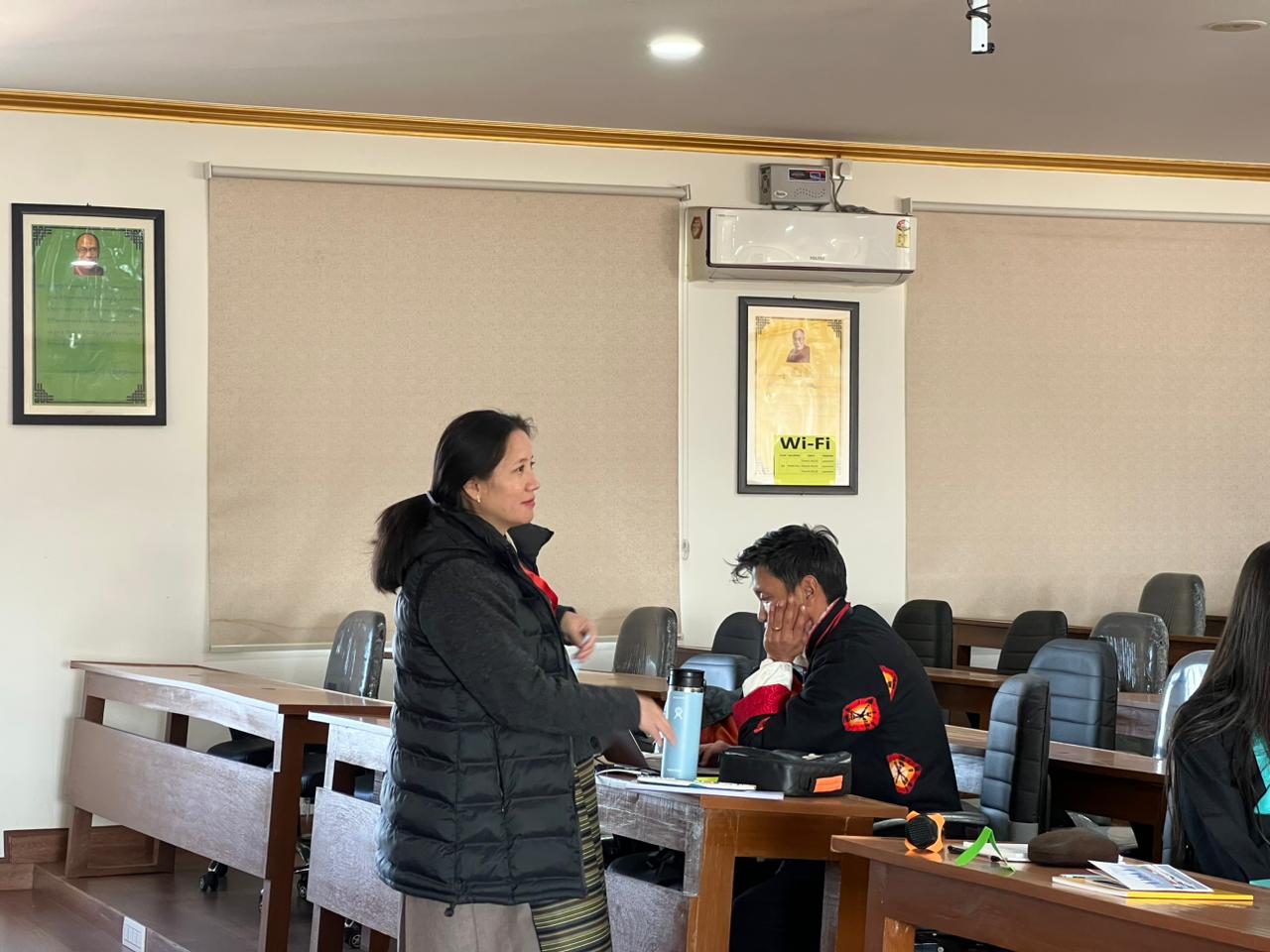
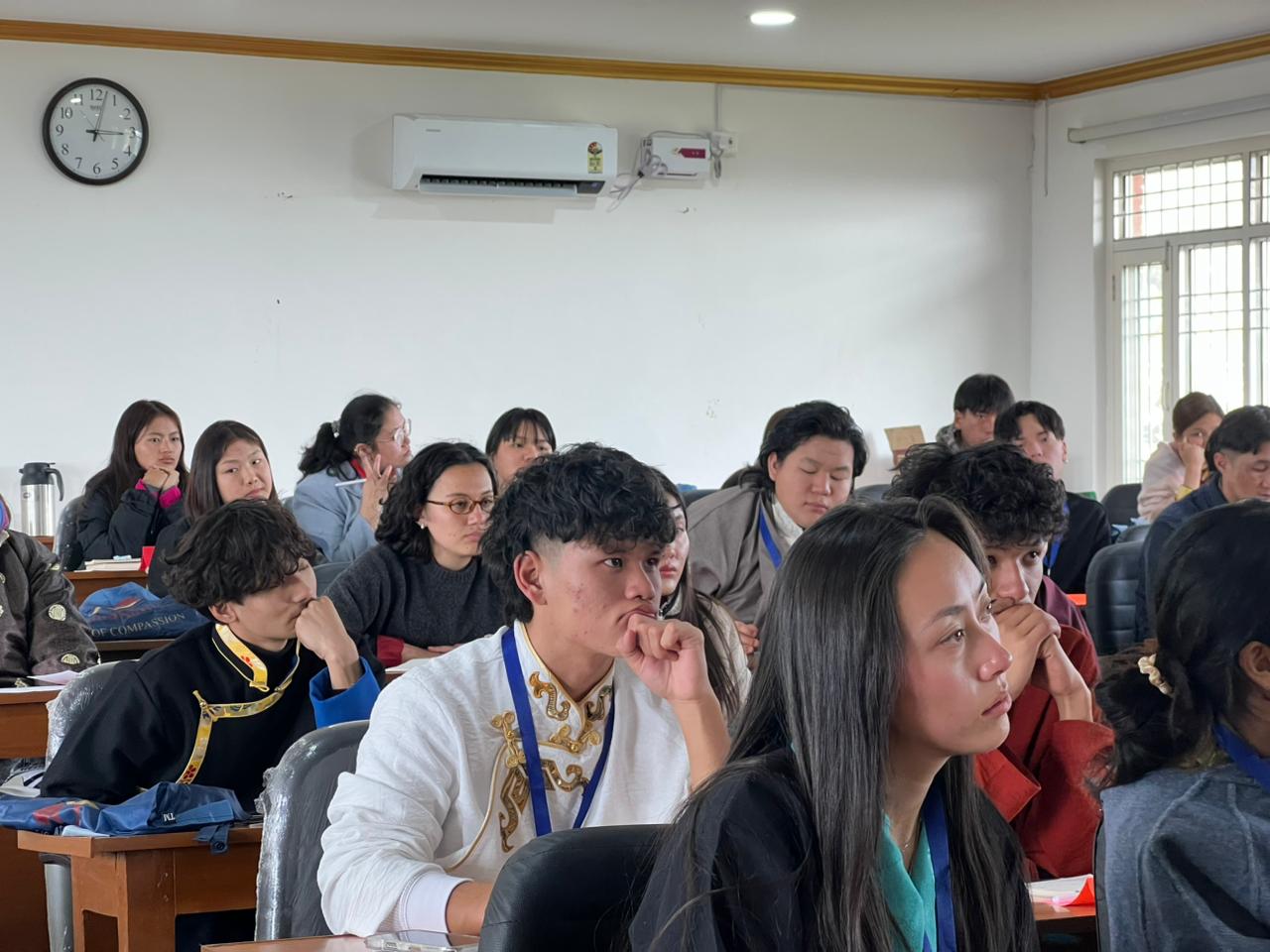
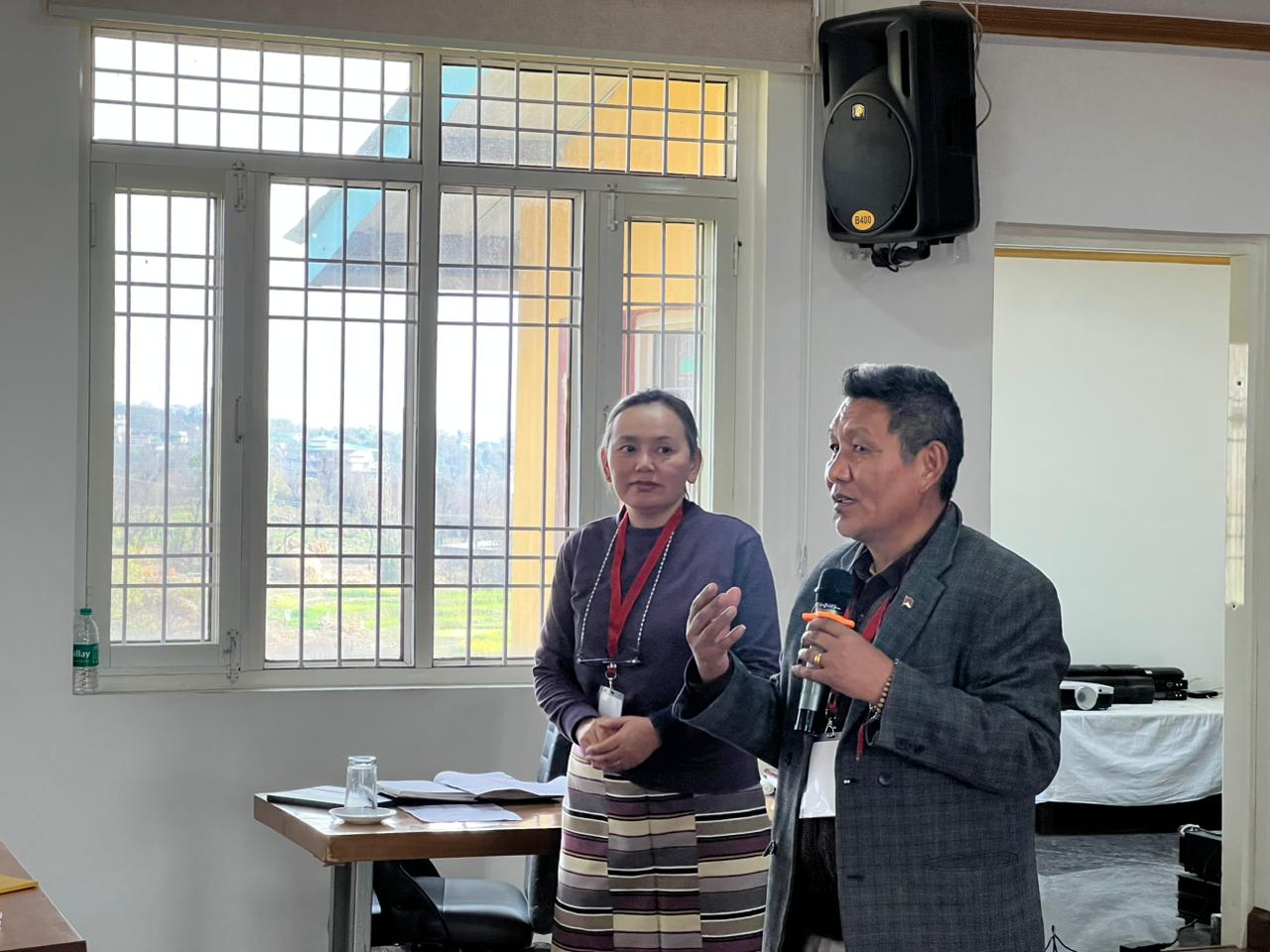
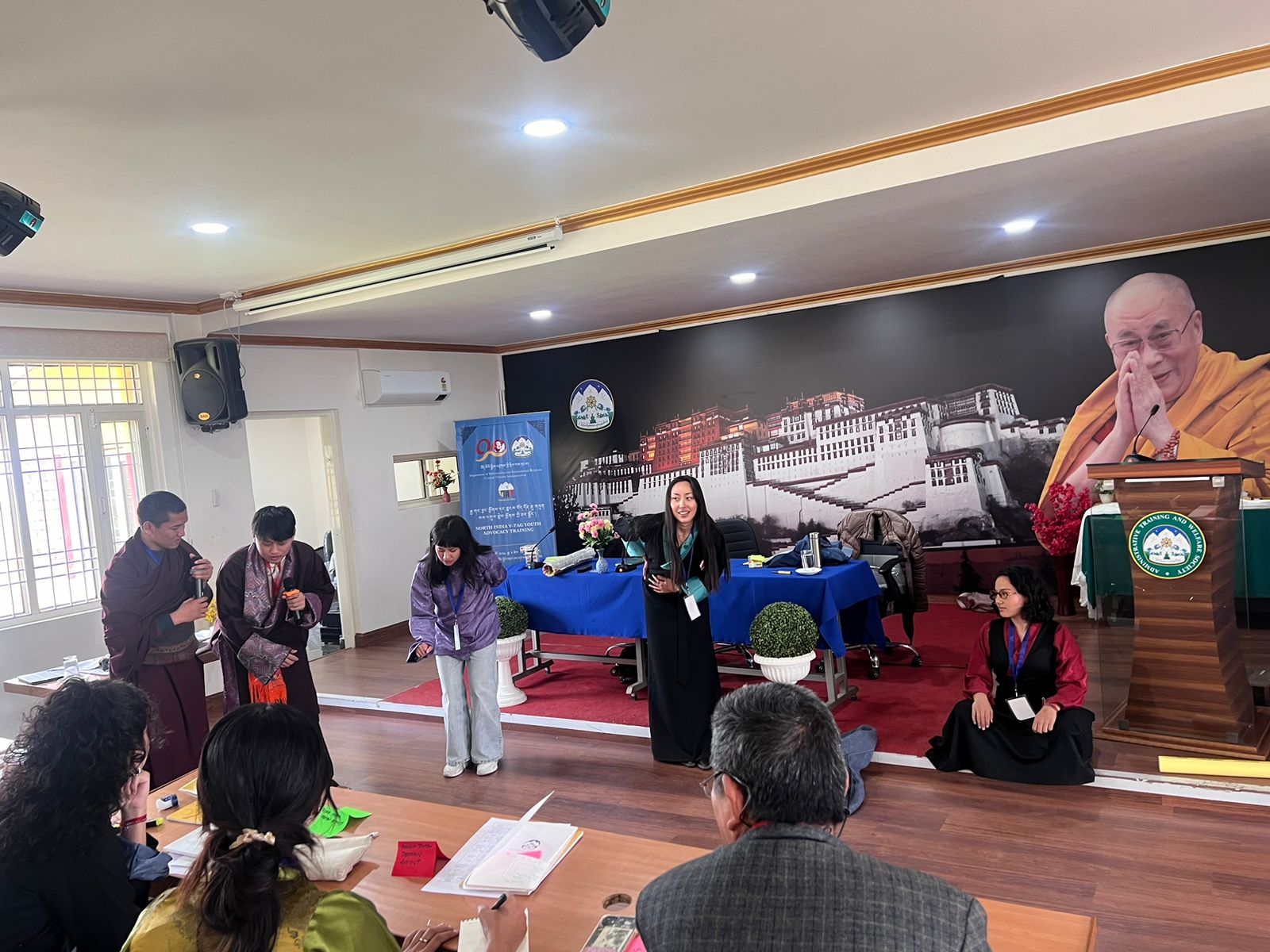
Participants take part in an interactive activity during the leadership and non-violent communication training conducted by the Tibetan Centre for Conflict Resolution.