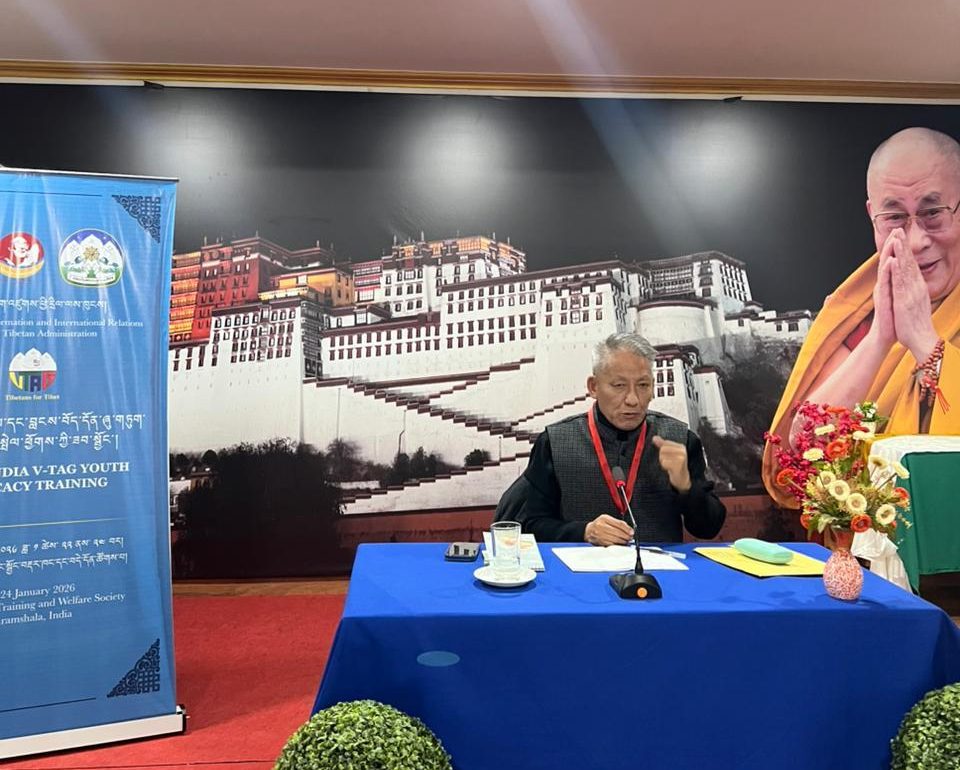


Dharamshala: The V‑TAG North India Advocacy Training concluded successfully with participants presenting concrete action plans aimed at strengthening grassroots advocacy across the region.
The second day opened with an address by Karma Yeshi, Chairman of the Public Service Commission of the Central Tibetan Administration (CTA), who emphasised the crucial role of Tibetan youth in sustained Tibet advocacy sharing practical examples drawn from his own professional journey and stressed on the importance of preserving Tibetan language and culture in daily life.
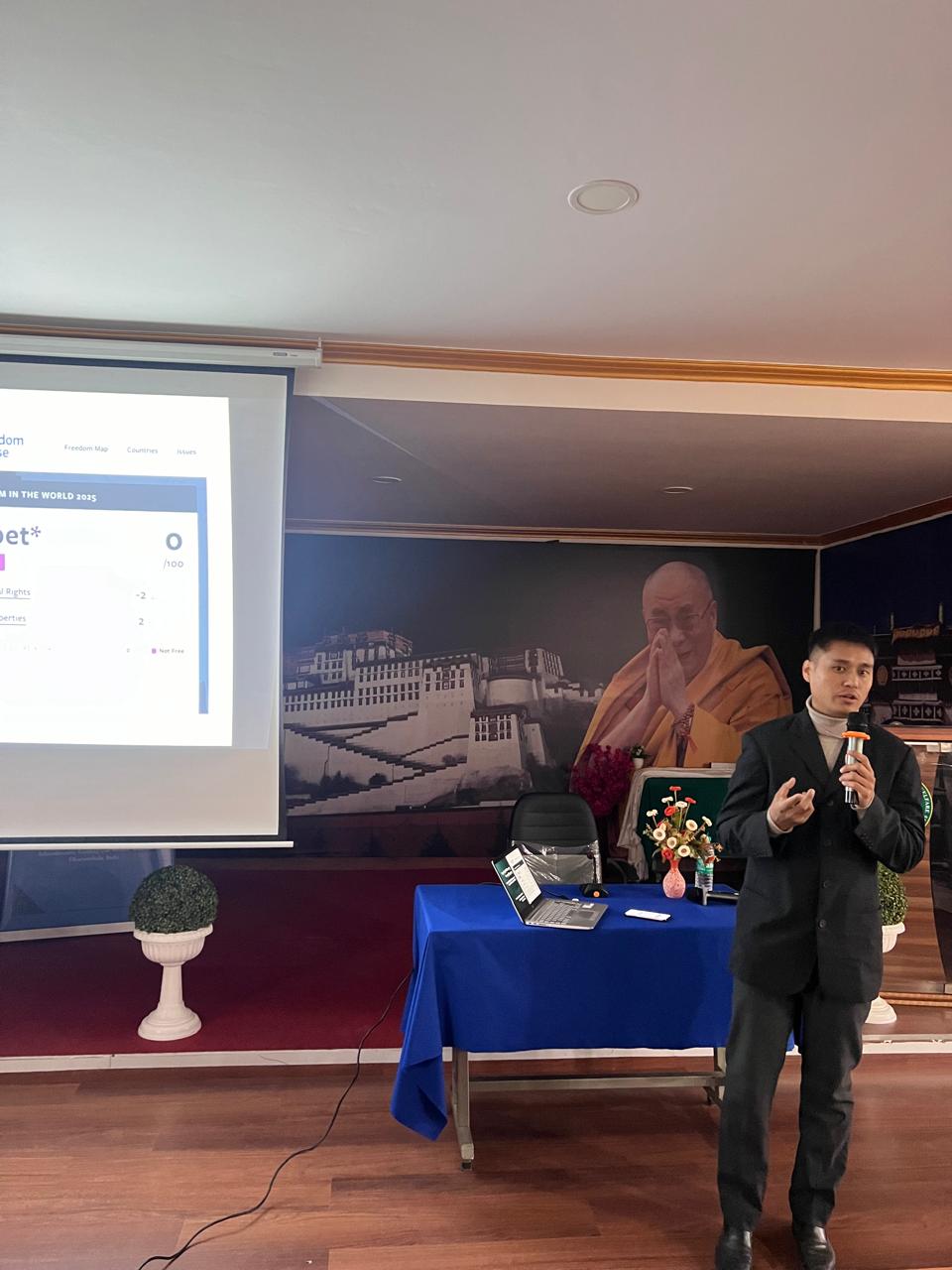
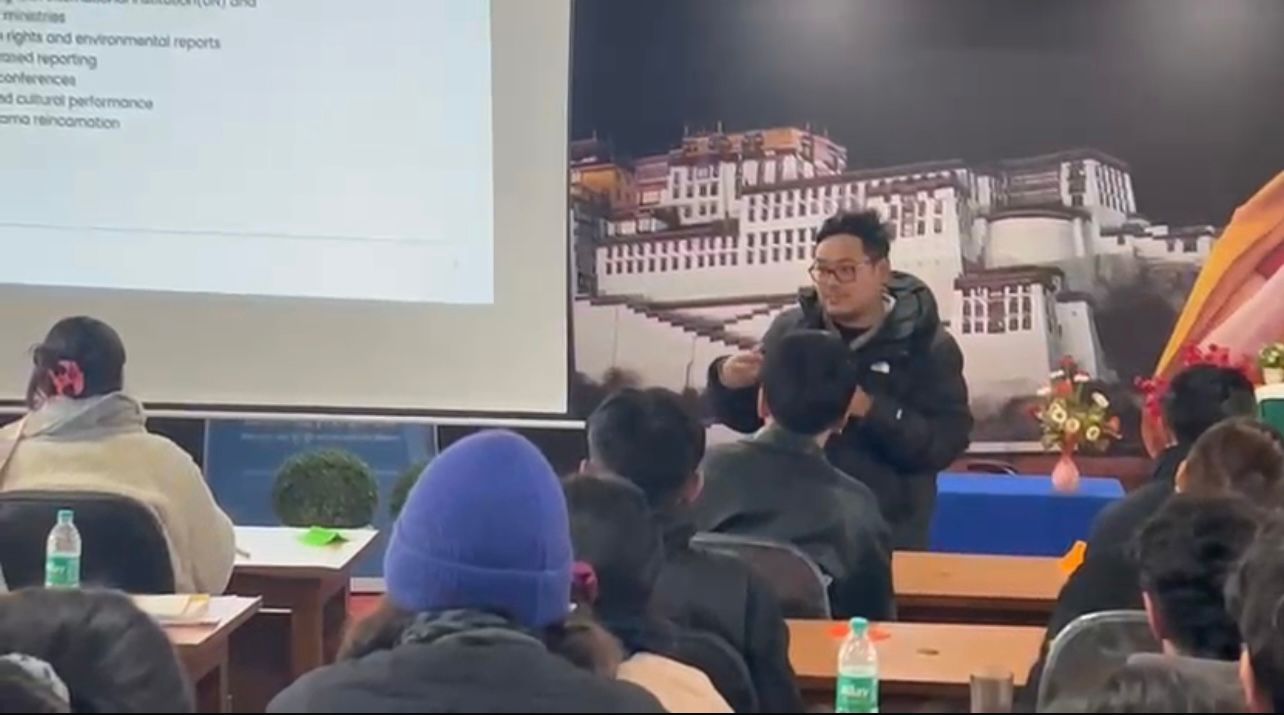
This was followed by a presentation by Tenzin Kunkhen, Research Associate at the Human Rights Desk, Tibet Advocacy Section, DIIR, who briefed participants on the current human rights situation in Tibet. He highlighted key violations of fundamental rights, explaining how various Tibet‑related issues are linked to these violations within the United Nations framework. Subsequently, Rinchen, staff of the Tibet Advocacy Section, introduced participants to the Middle Way Policy, outlining its history, evolution, and underlying vision.
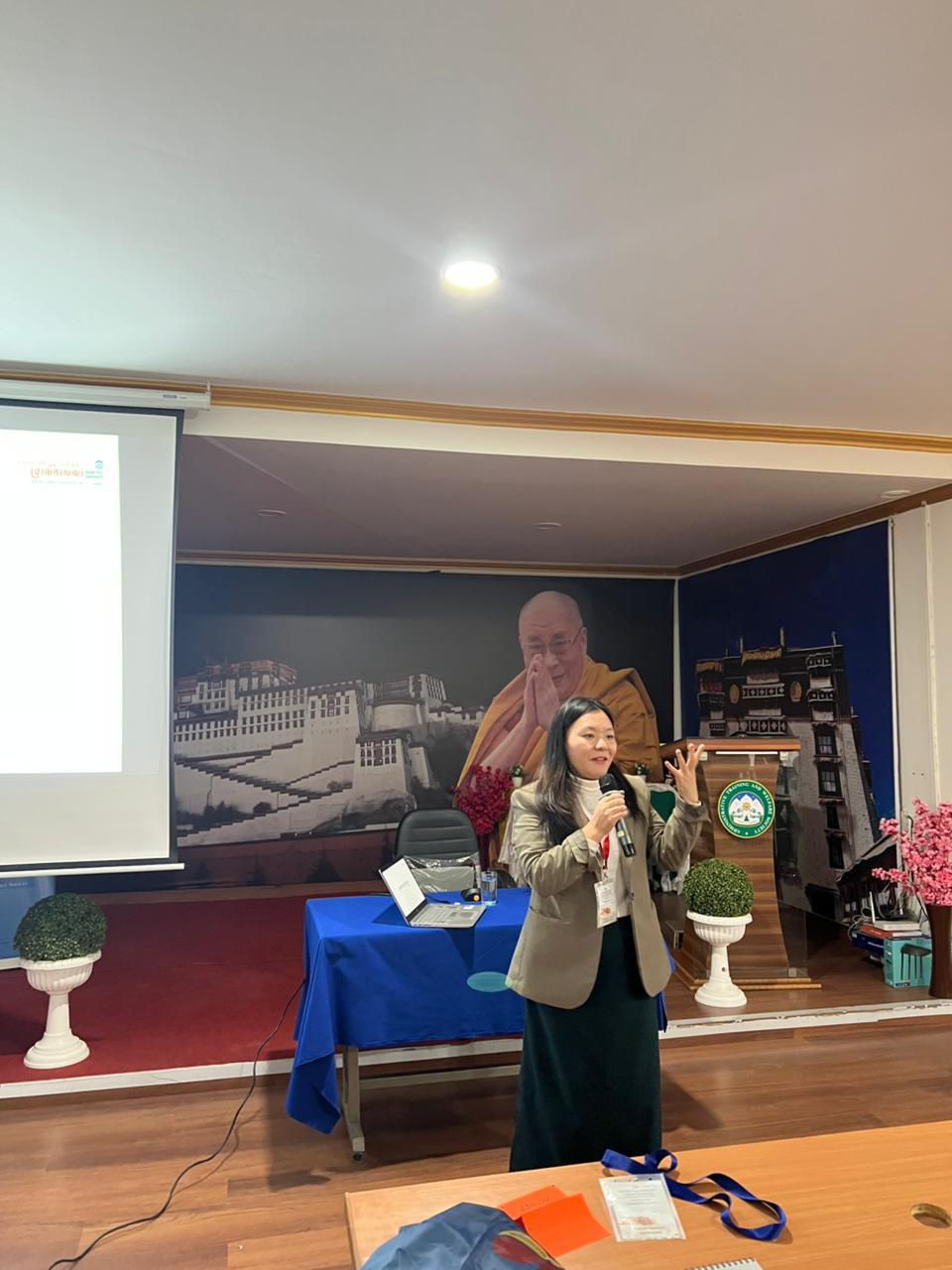
The next session on Tibet advocacy and preparation of advocacy materials was conducted by Dukthen Kyi, Head of the Tibet Advocacy Section, DIIR. The session equipped participants with practical tools and strategies to design effective advocacy materials tailored for different audiences.
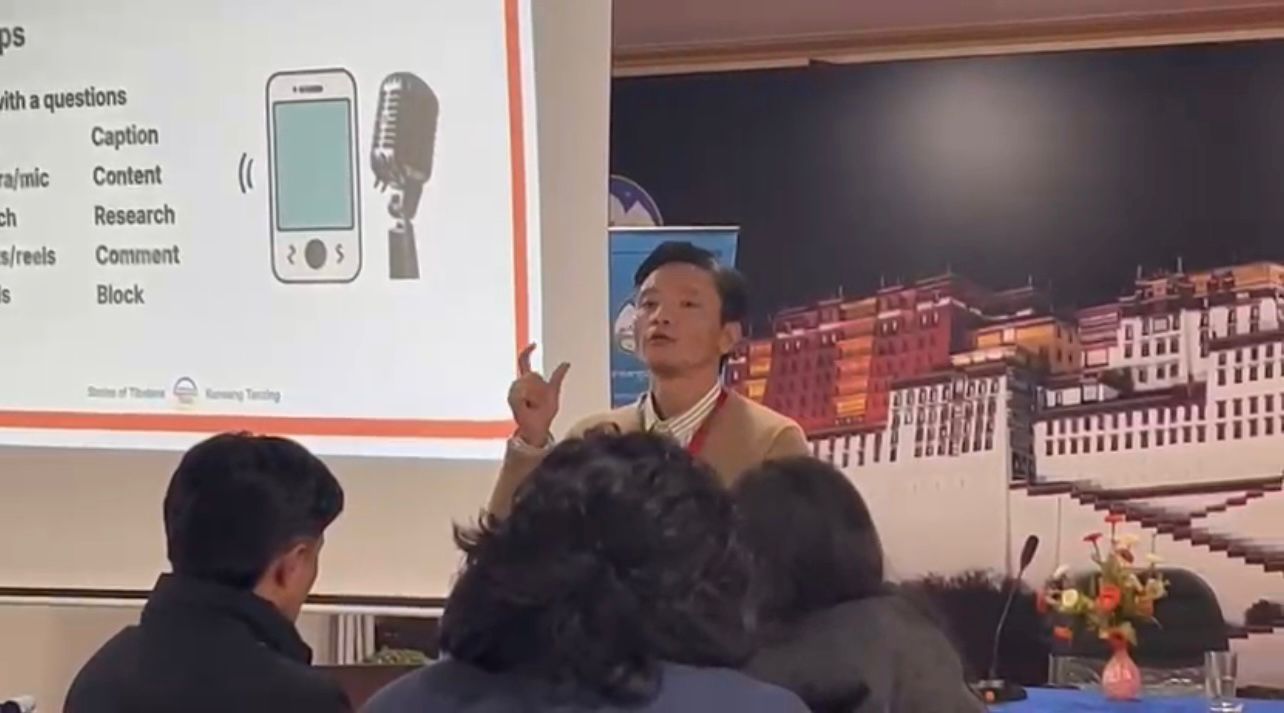
Sessions on digital advocacy followed, including “Tips and Tactics for Effective Social Media Advocacy” by Tenzin Thayai, Digital Security Program Manager at Tibet Action Institute, and “Turning Voices into Impact via Social Media” by Kunsang Tenzin, V‑TAG India National Coordinator. Both sessions emphasised responsible, strategic, and secure use of digital platforms to amplify advocacy efforts.
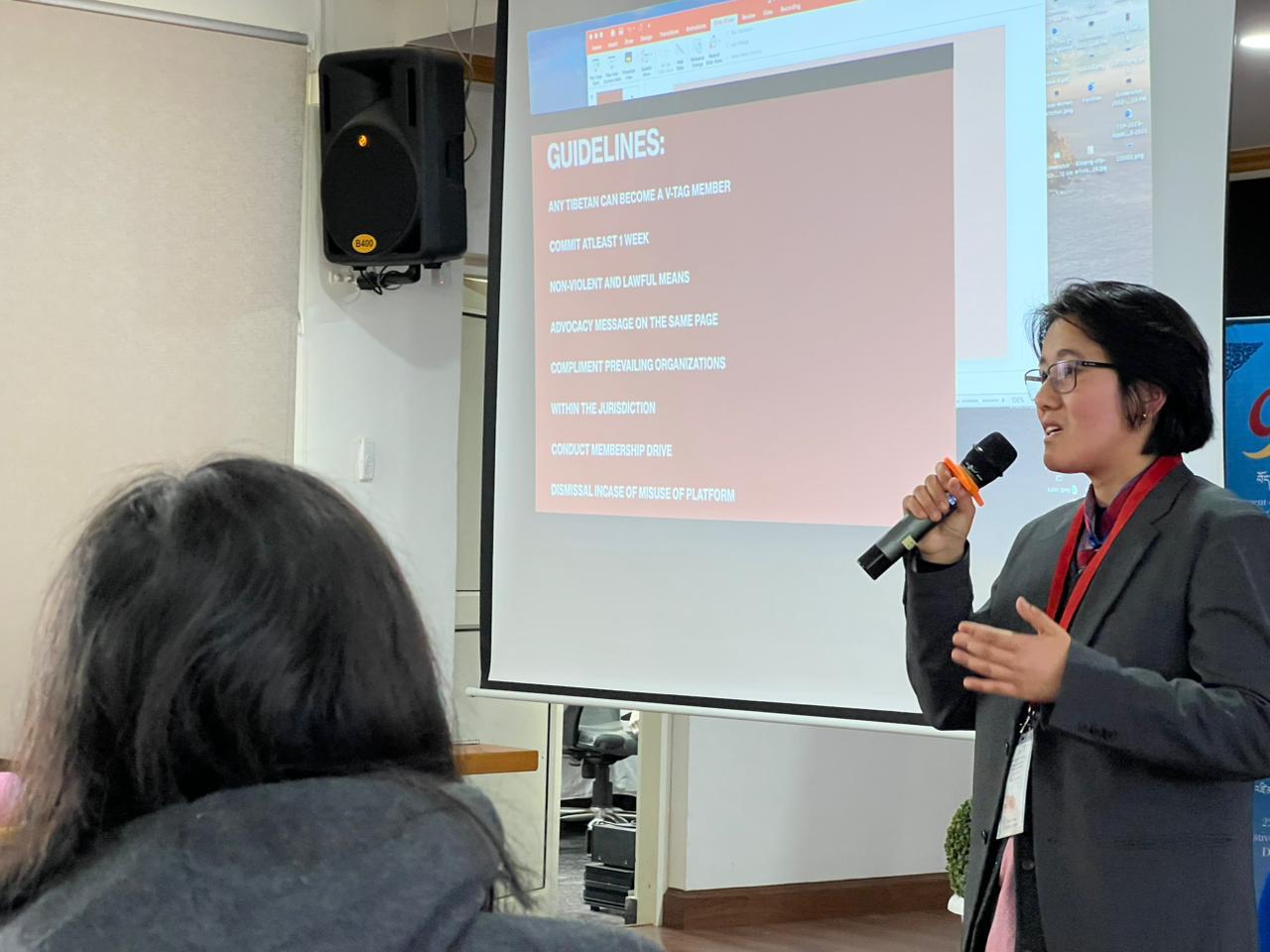
The final session of the day featured an Introduction to V‑TAG by Tsetan Dolma, staff of the Tibet Advocacy Section, DIIR, who provided an overview of the vision, goals, structural framework, and role of V‑TAG in advancing the Tibetan freedom movement.
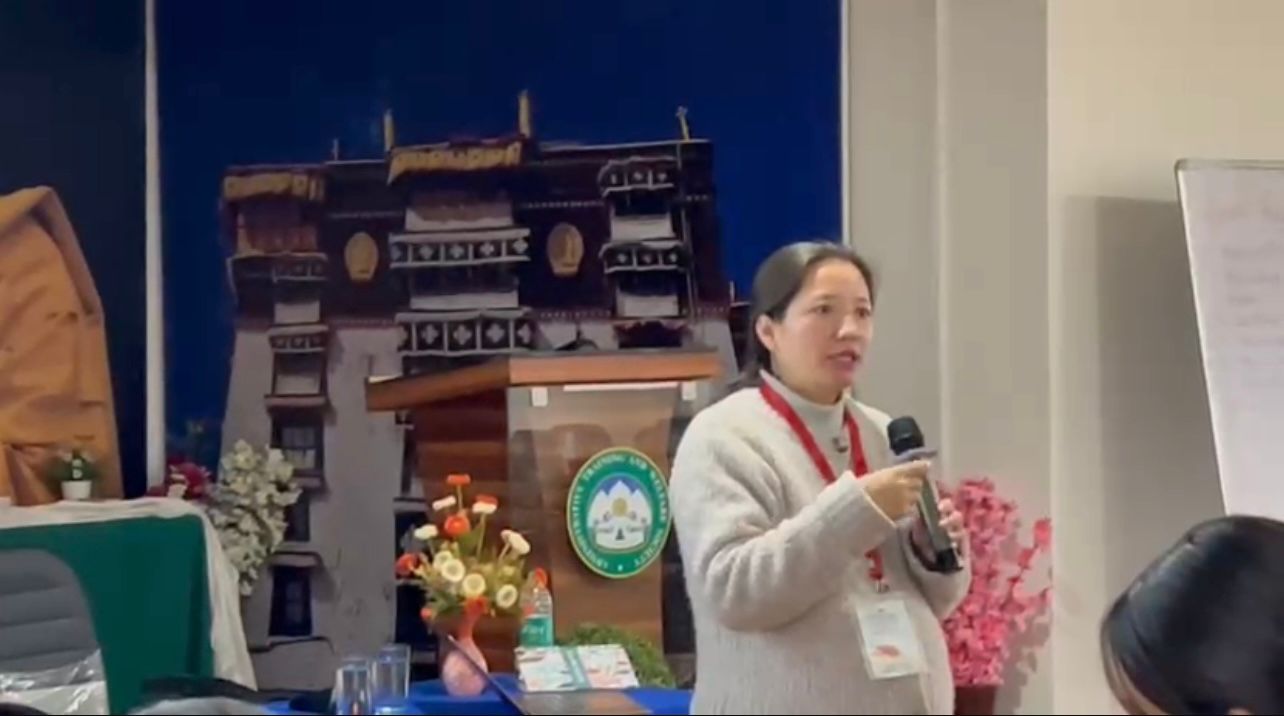
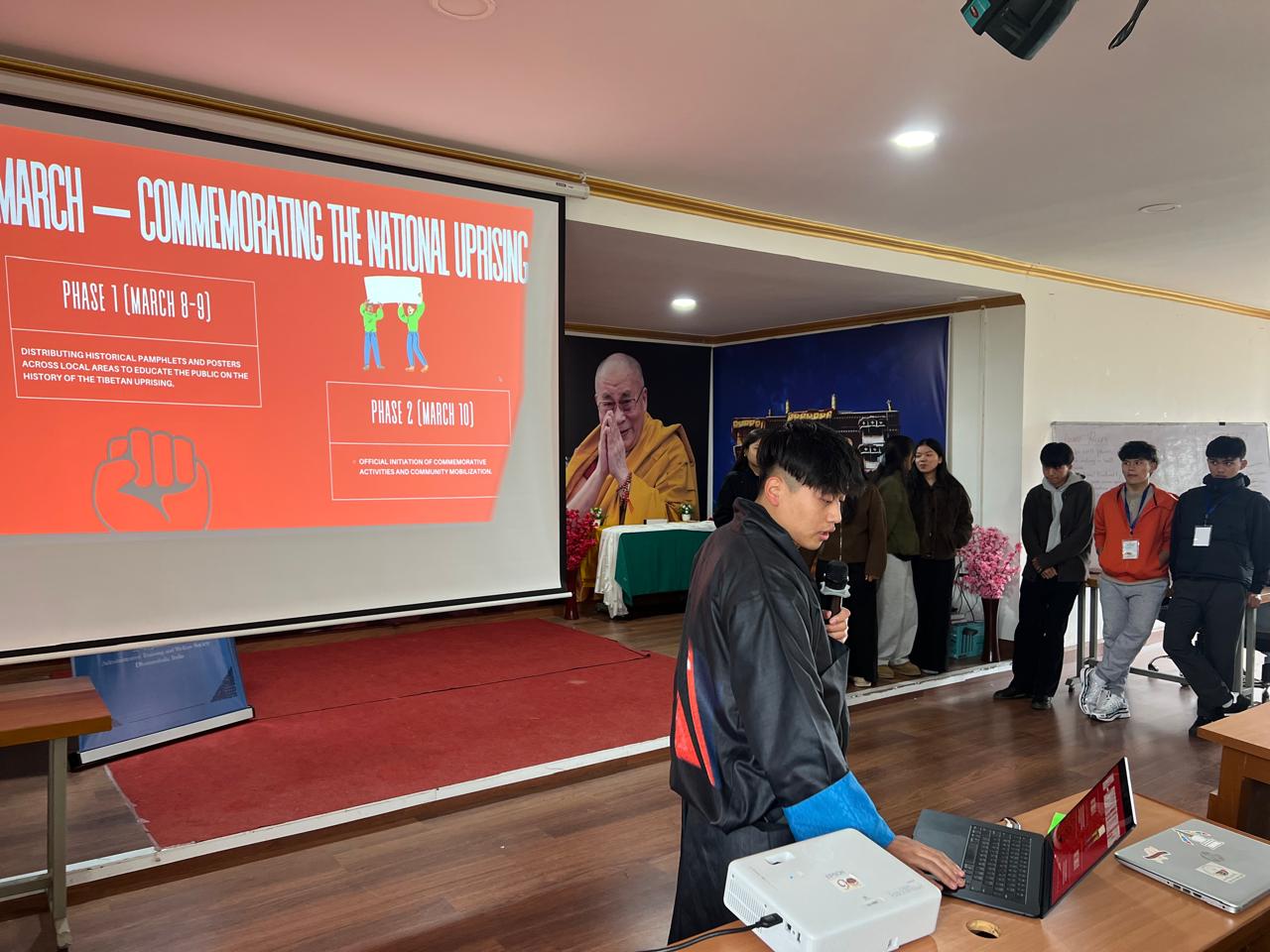
Participants then dispersed into group discussions to design local advocacy campaigns. Given the training’s strong emphasis on group discussion, participants worked collaboratively to design locally- relevant advocacy campaigns. Group discussions continued the following day, culminating in group presentations where participants presented their action plans for implementation in their respective regions. This was followed by a presentation led by Kunsang Tenzin, V‑TAG India National Coordinator, along with V‑TAG Coordinators from Dharamshala, Delhi, and Varanasi—Tenzin Woesel, Tenzin Palkyi, and Chime Phunrab, respectively—who shared V‑TAG India’s annual report on advocacy campaigns carried out in their respective region over the past year.
The training concluded with closing remarks by Dukthen Kyi, followed by certificate distribution, a feedback session, and a farewell evening tea. Overall, the training instilled a renewed sense of motivation and determination among participants, equipping them with practical skills and well‑defined action plans to advance advocacy efforts at the local level.
– Report filed by Tibet Advocacy Section, DIIR, CTA