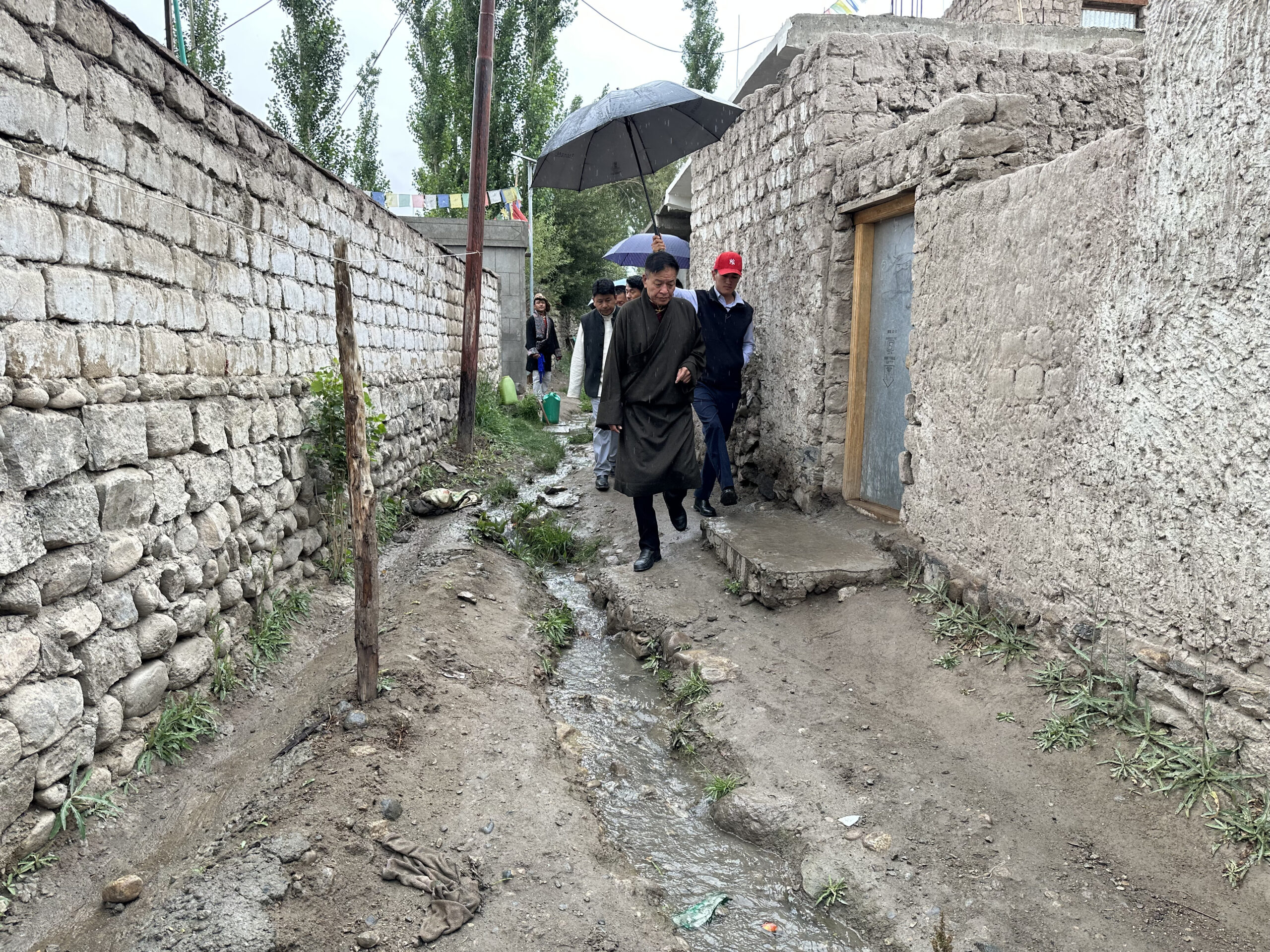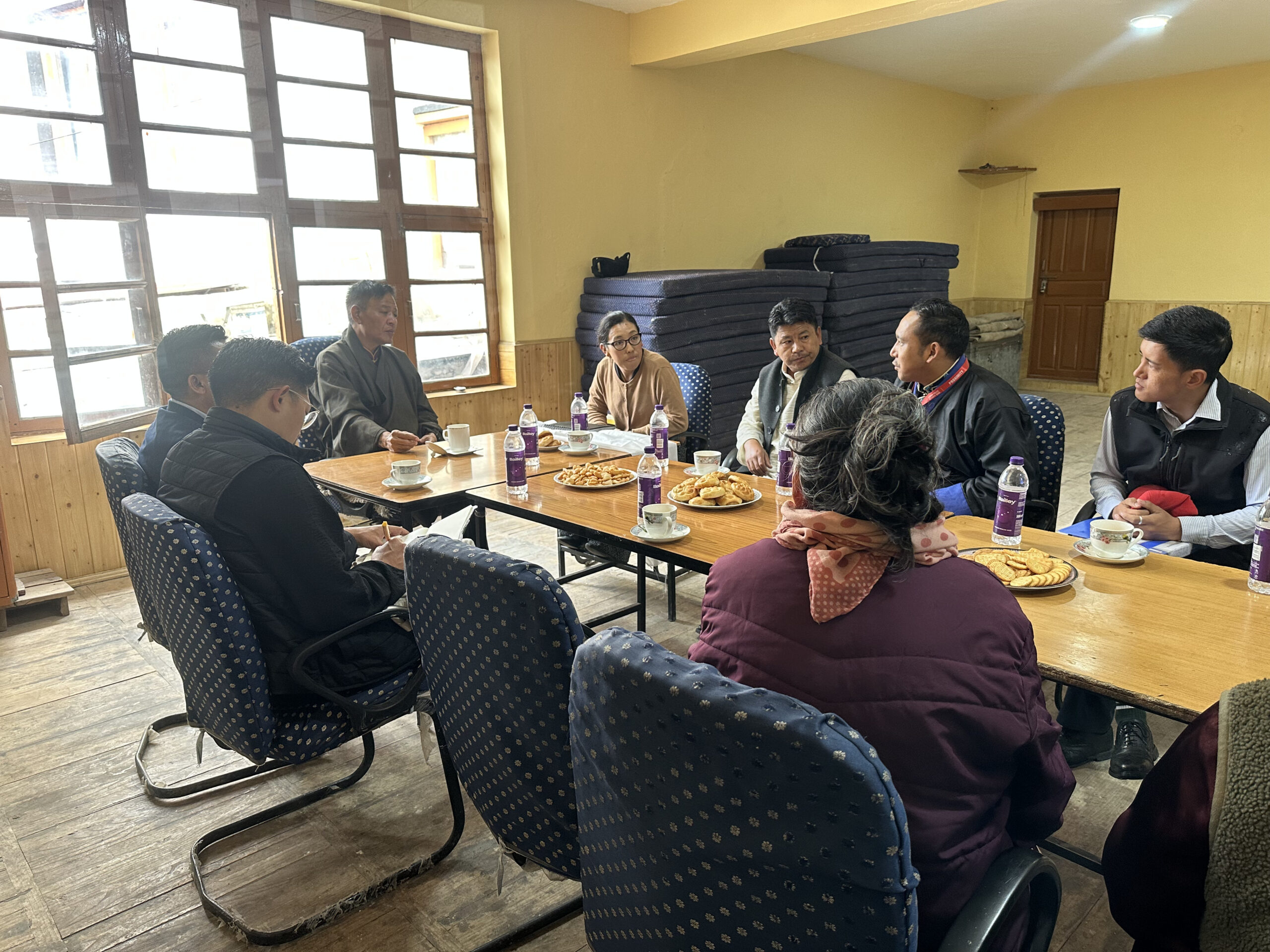
Ladakh: Continuing the third day of his official visit to Ladakh, Sikyong Penpa Tsering of the Central Tibetan Administration interacted with members of the younger and older generations of the Tibetan community during visits to the remaining four camps of the Sonamling Tibetan Settlement, SOS Tibetan Children’s Village (TCV) Ladakh, and the Old Age Home near Rudok Lhundup Choding Monastery on 8 July 2026.
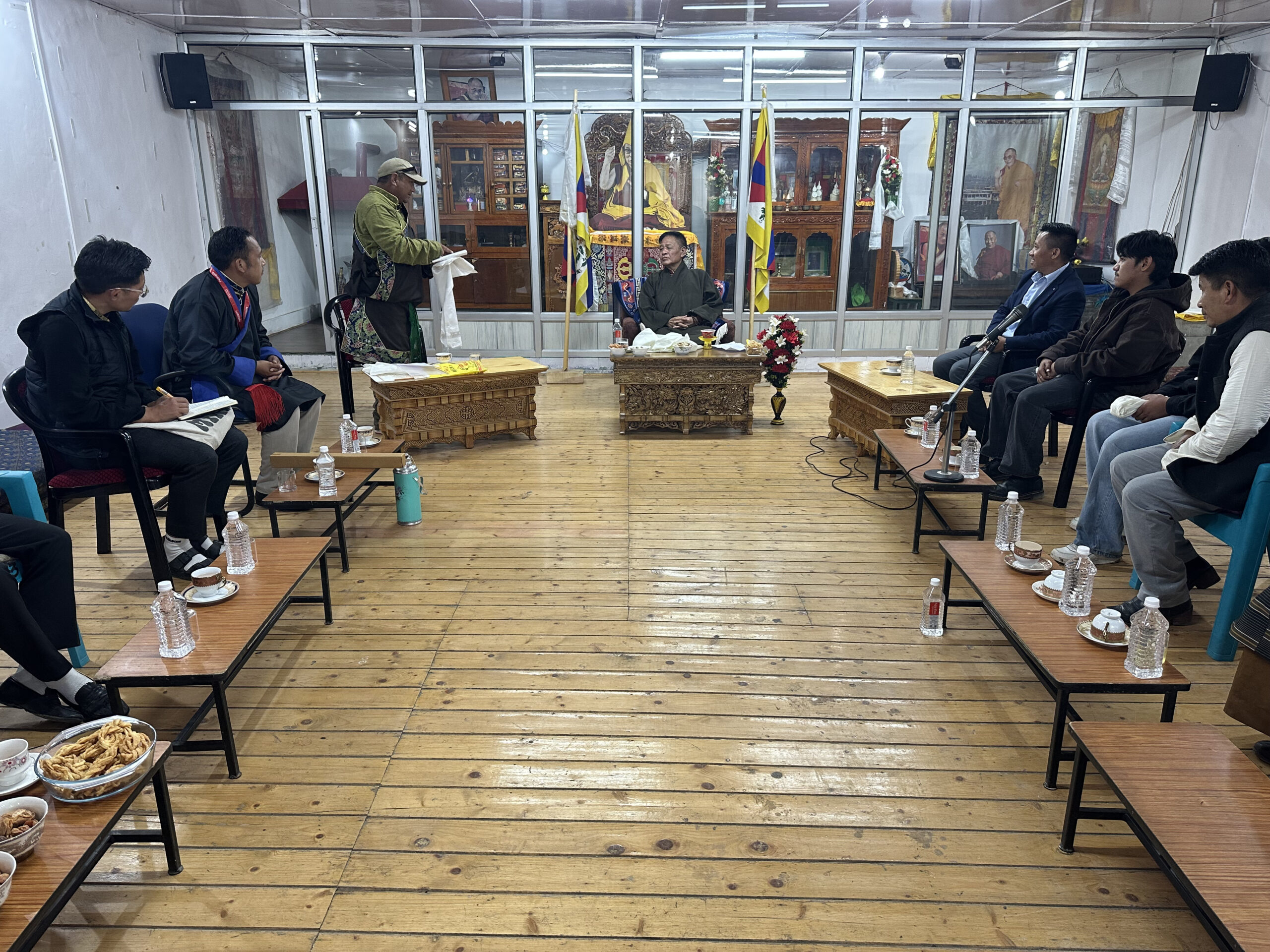
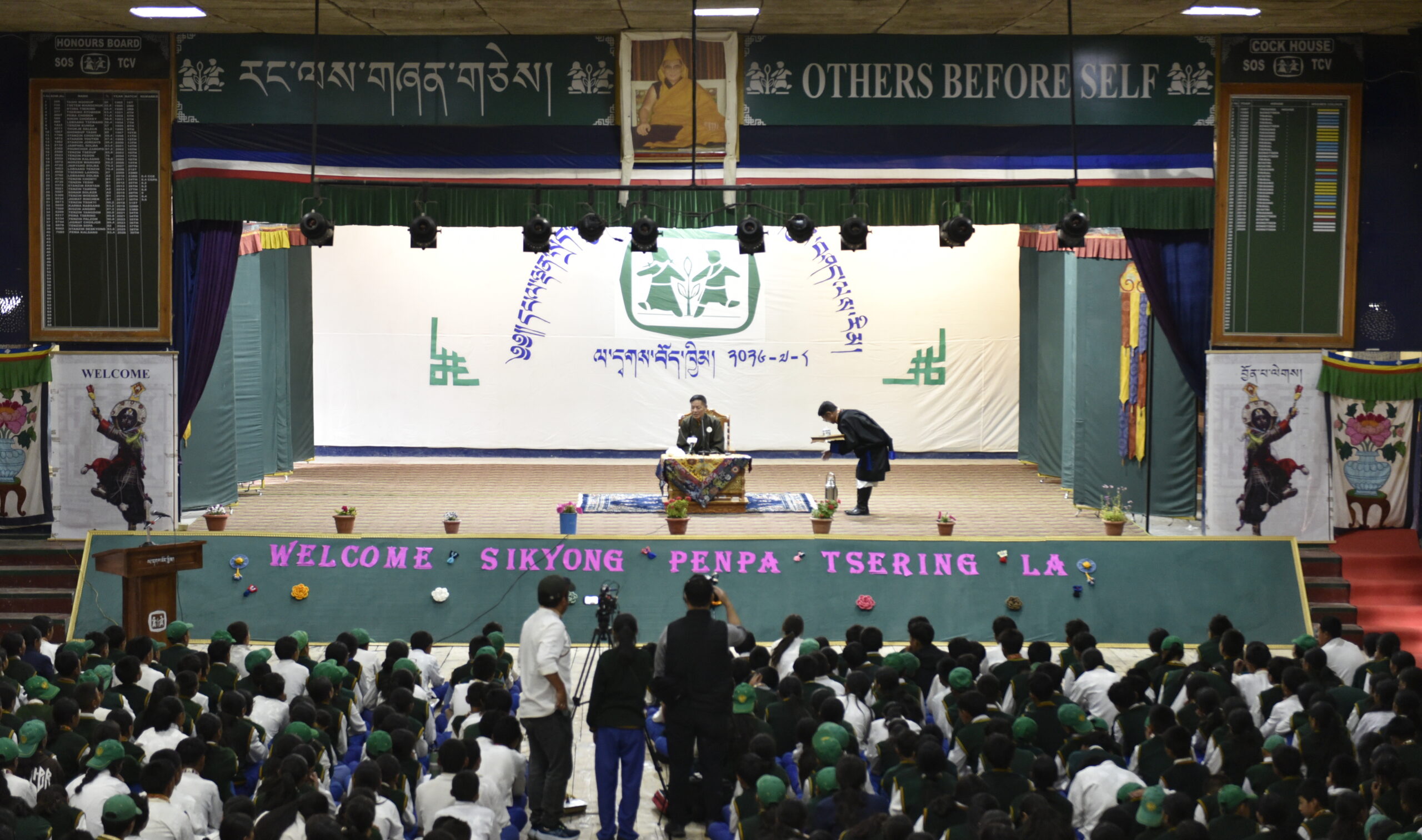
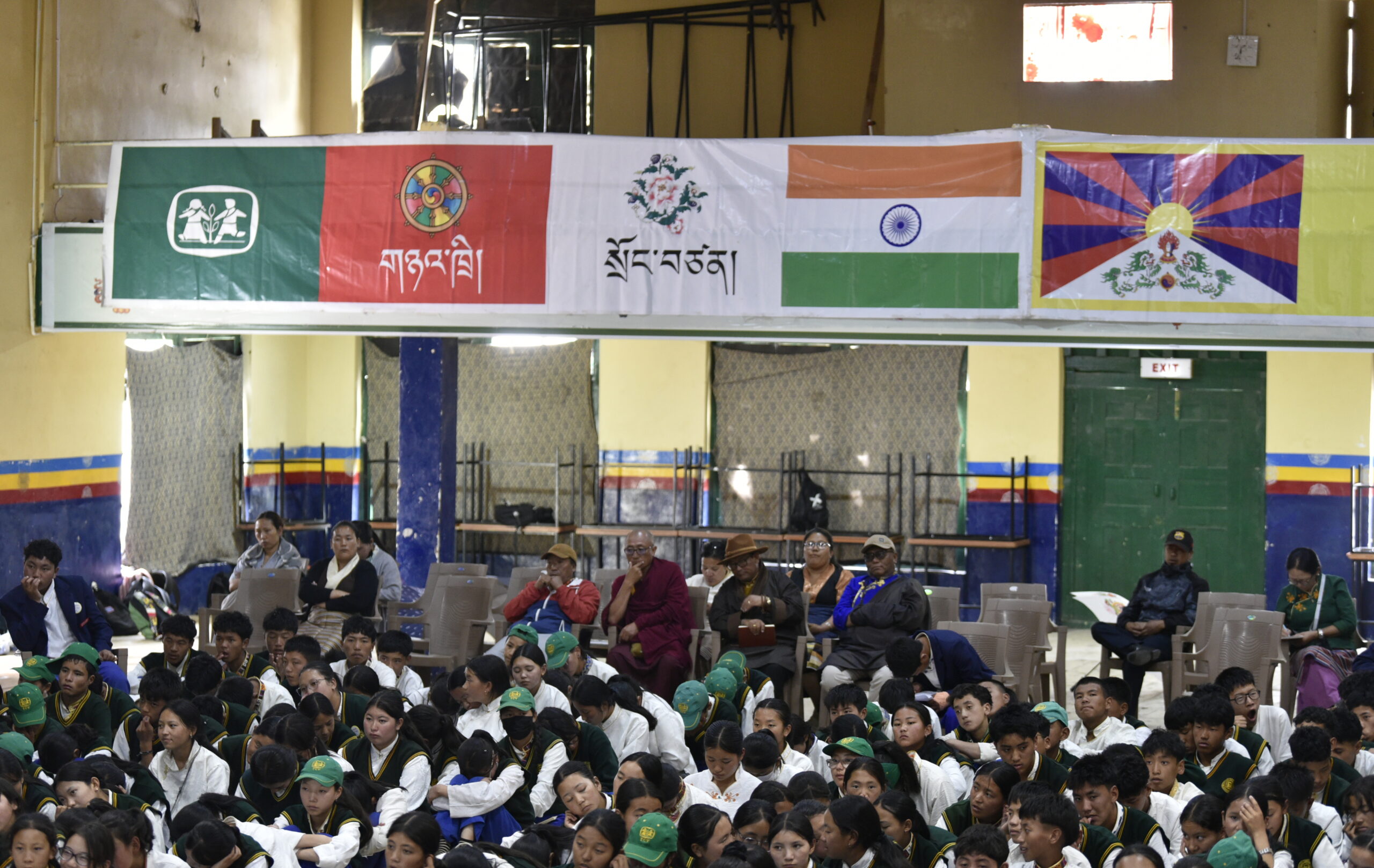
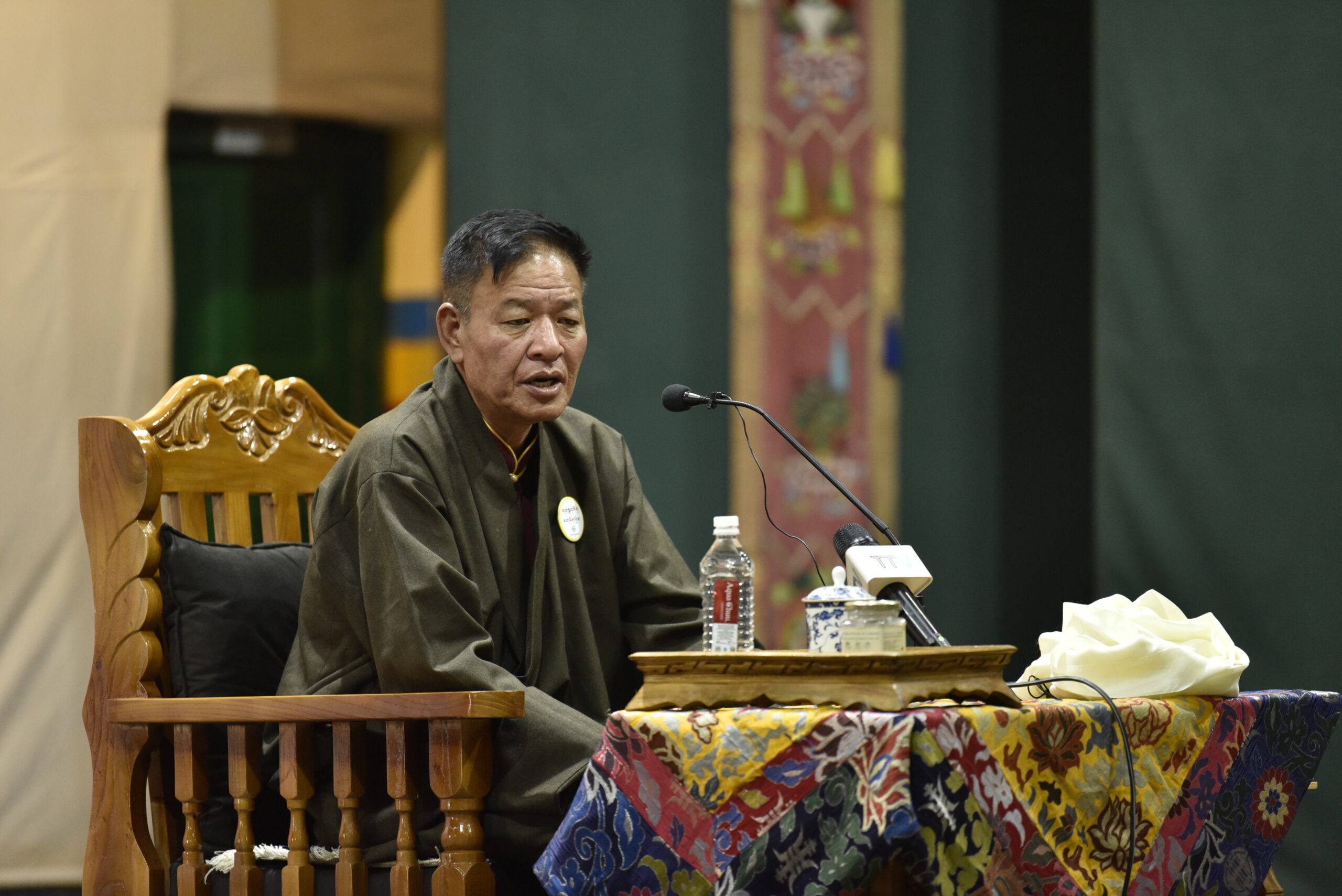
During his visit to the school, Sikyong addressed students and staff on the vital role of education, safeguarding Tibetan identity, environmental stewardship, and preparing the younger generation to carry forward the Tibetan cause. He later inspected the school campus before concluding the day’s programme with a visit to the Old Age Home near Rudok Lhundup Choding Monastery.
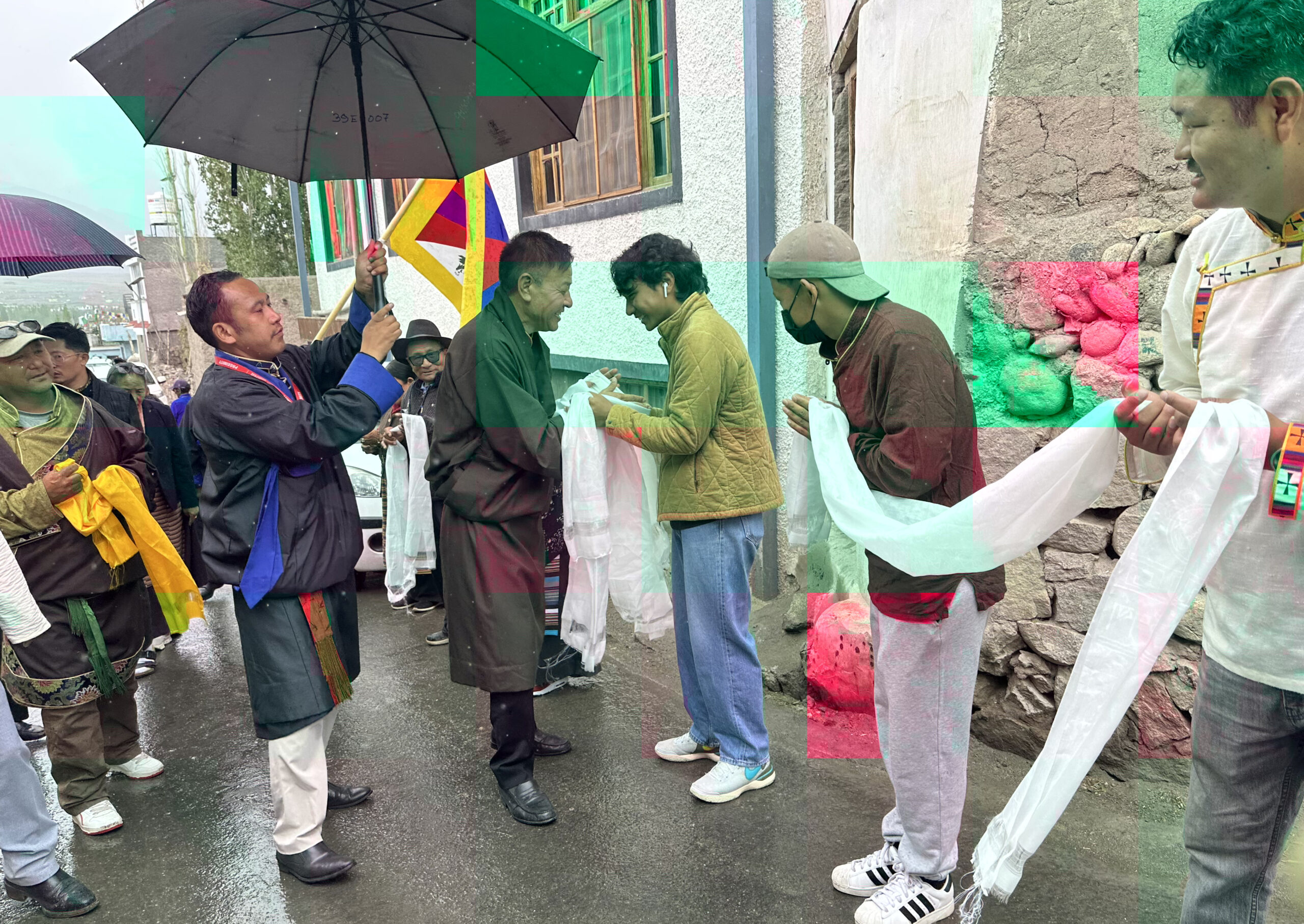
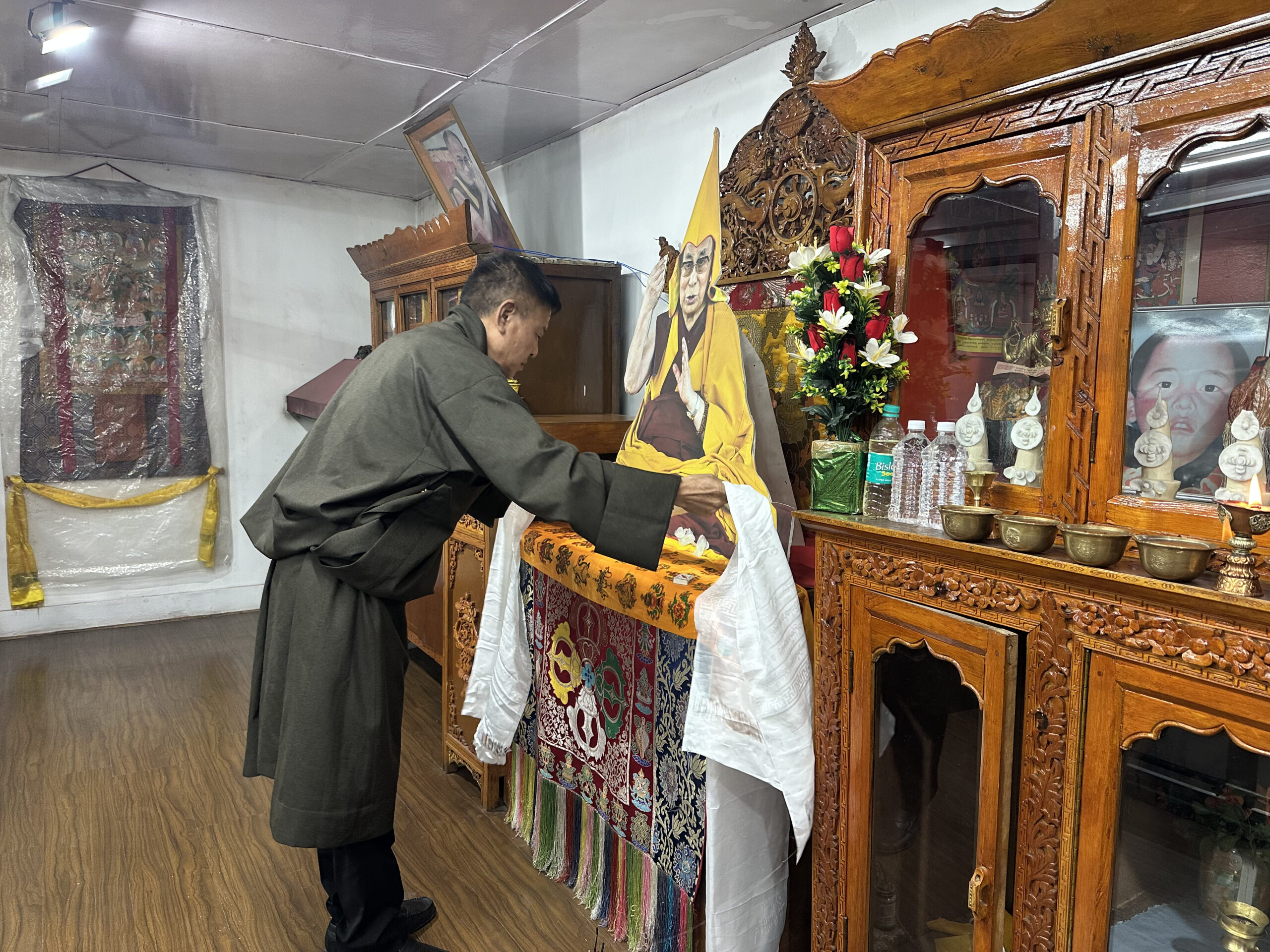
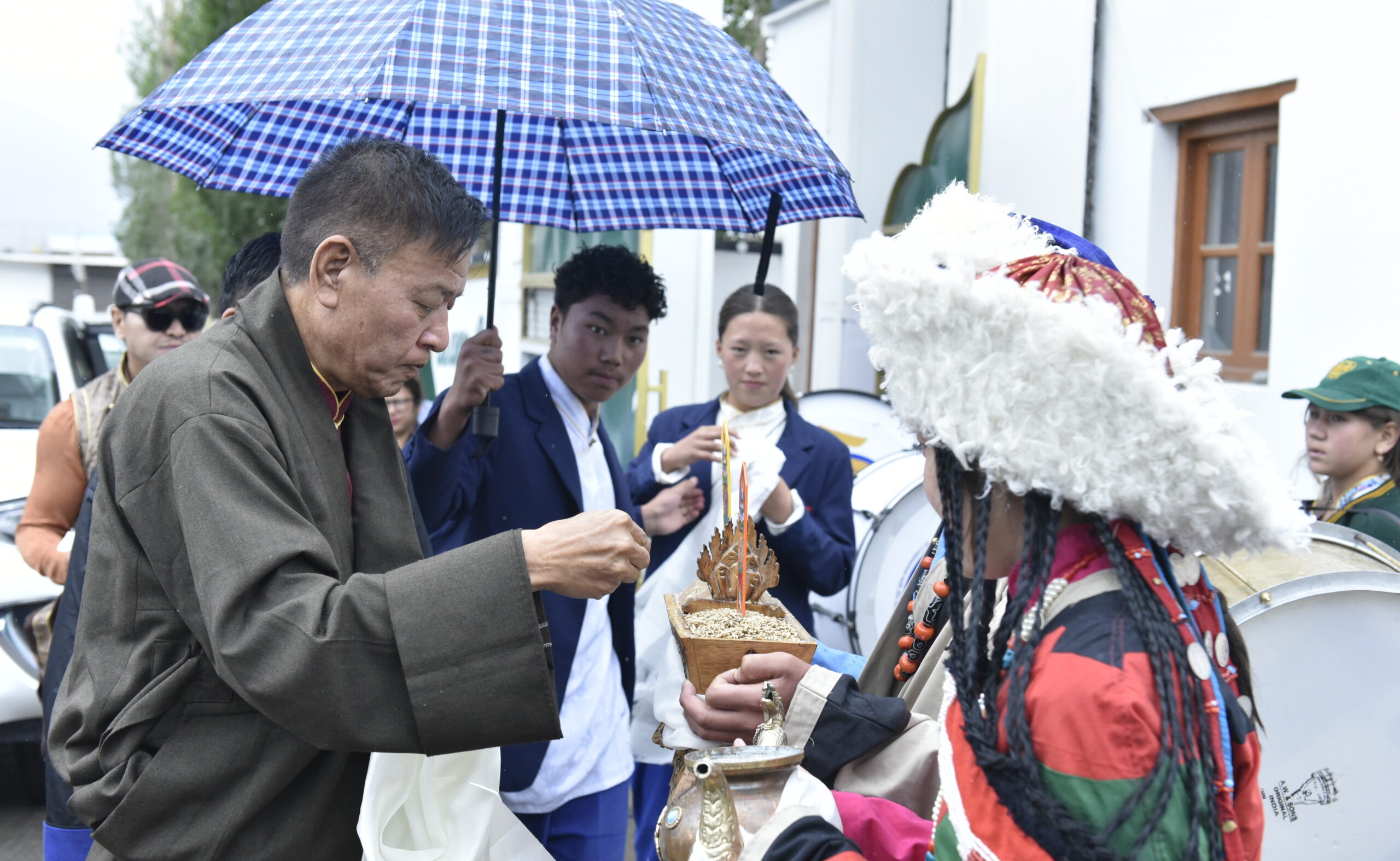
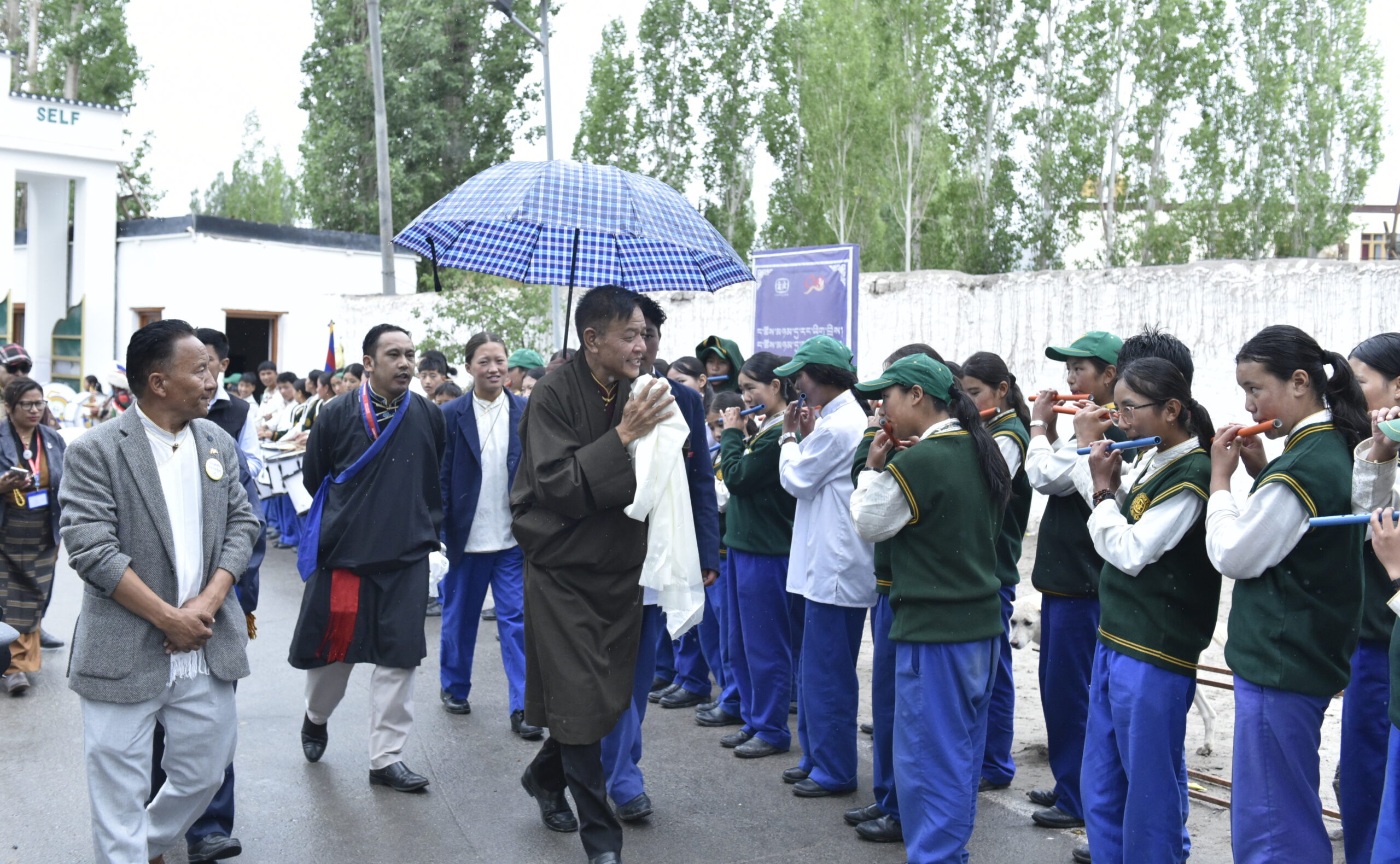
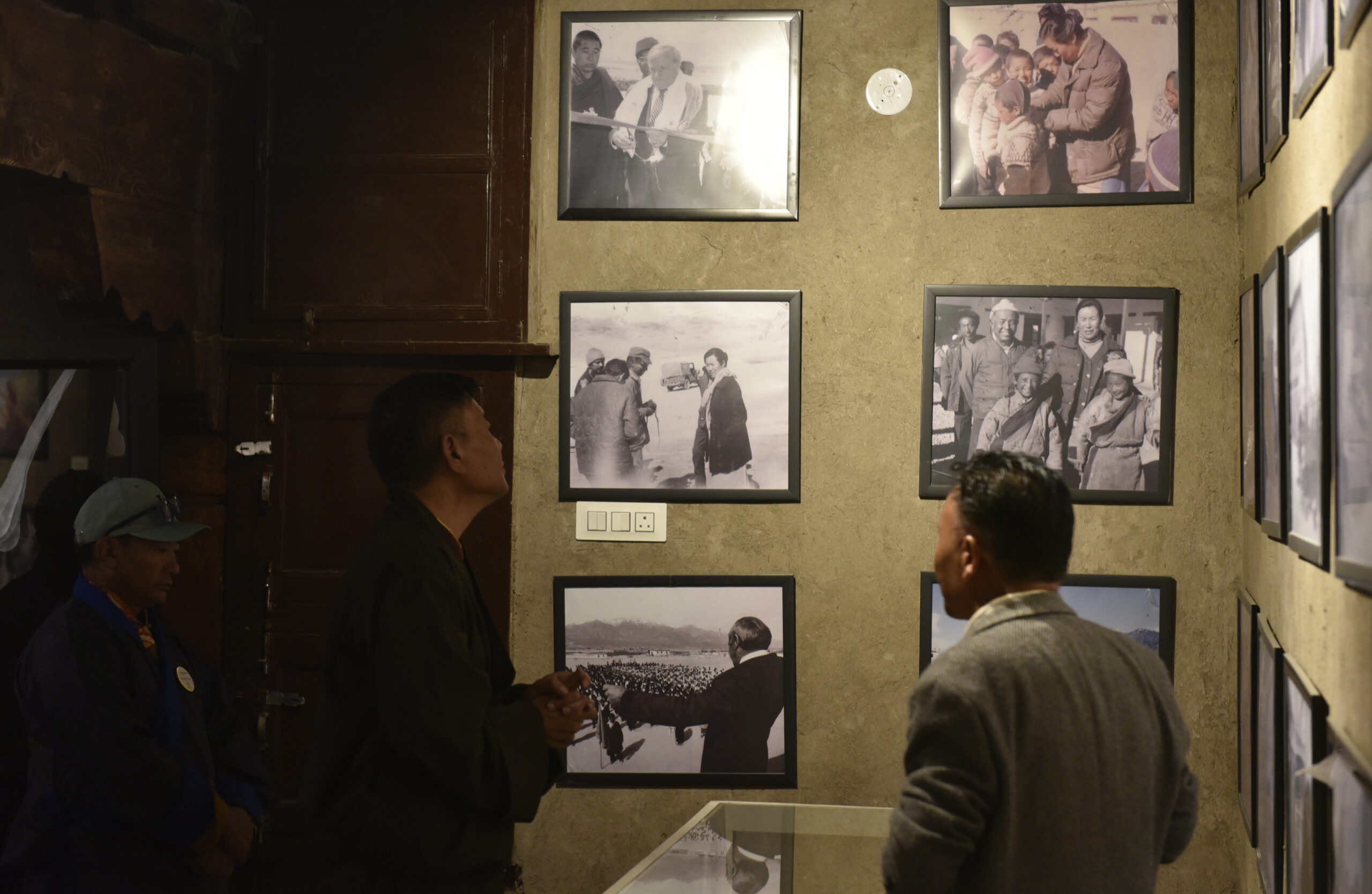
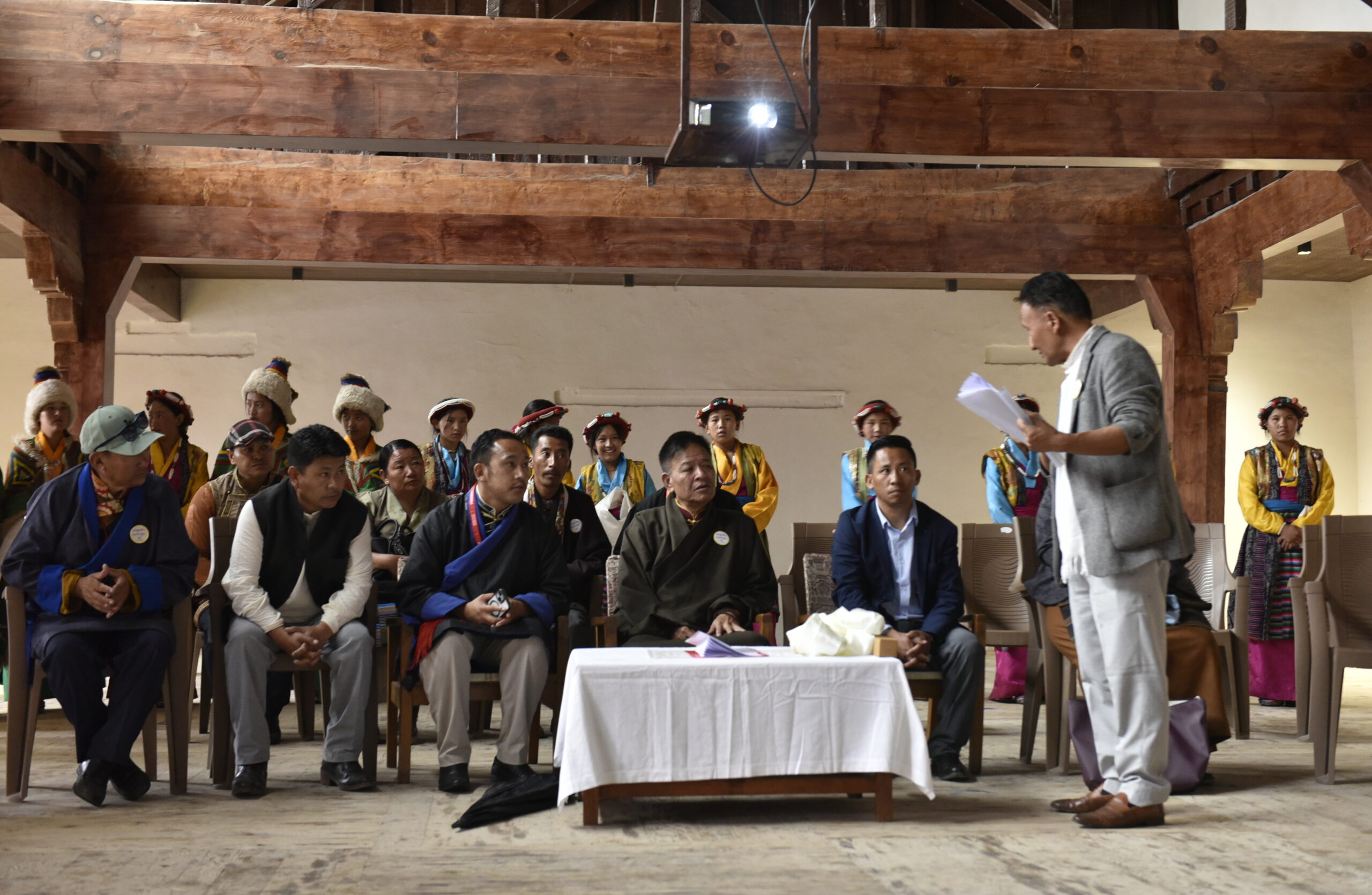
At the school, Sikyong was warmly welcomed by TCV Ladakh Director Tenzin Rabten, Principal Dhondul Jigme, staff, and teachers. At the start of the school programme, Sikyong Penpa Tsering toured the TCV Ladakh Heritage Archive, established during the Golden Jubilee of Tibetan Children’s Village to commemorate five decades of TCV’s journey of service, resilience, and educational excellence. The archive preserves the institution’s rich history and enduring legacy, inspiring future generations to uphold its mission of education, community service, and the preservation of Tibetan identity.
The archive chronicles the evolution of TCV Ladakh from its humble beginnings while paying tribute to the leadership of His Holiness the 14th Dalai Lama, Ama Jetsun Pema, founding Director Tenzin, and the unwavering dedication of generations of staff members and the wider TCV family, whose collective efforts have shaped the institution over the past five decades.
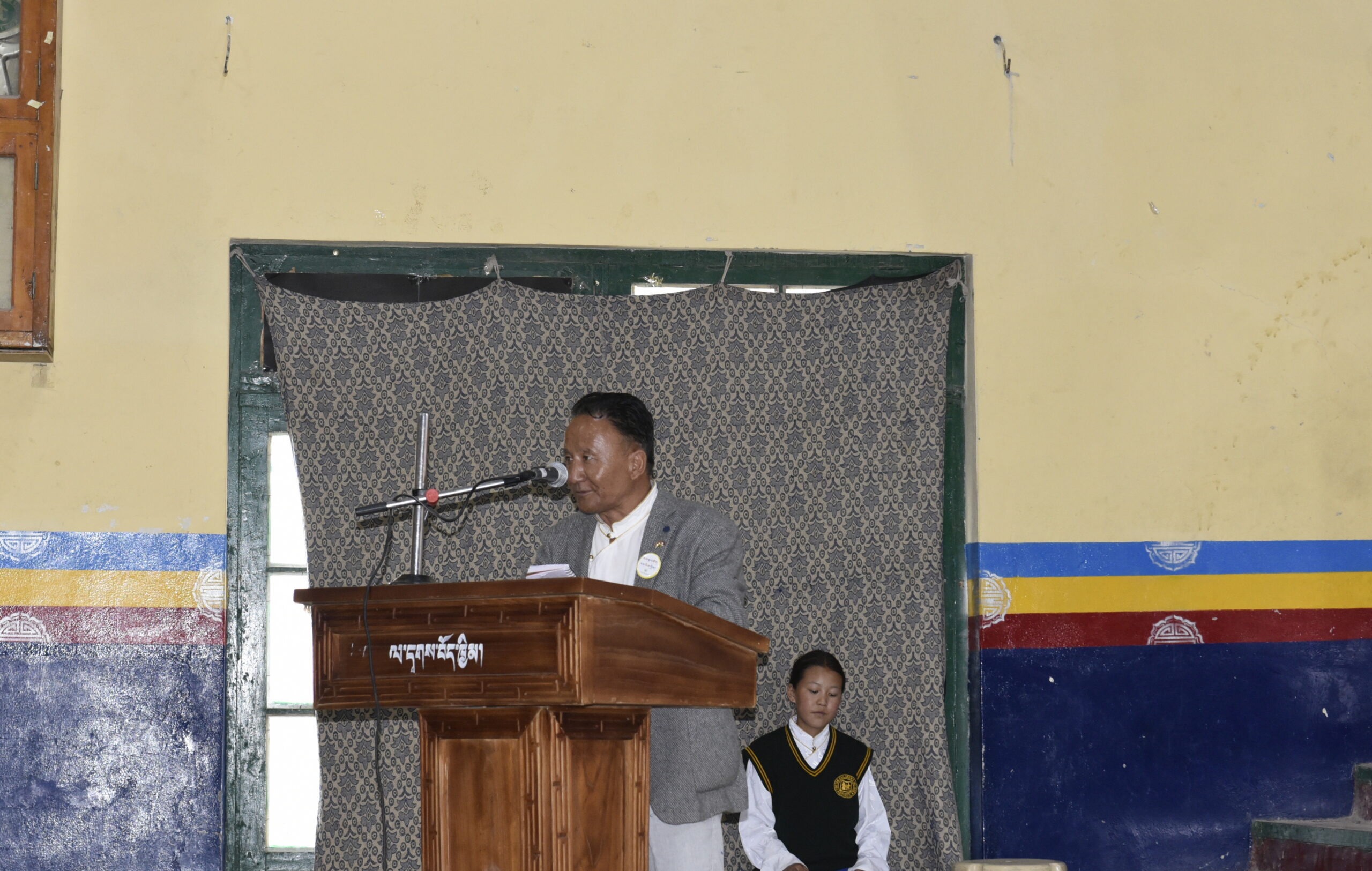
In his address to the students and staff, Sikyong spoke about how the Government and people of India have supported Tibetans by providing opportunities to preserve their rich identity through education. He underscored that His Holiness has consistently regarded modern education, complemented by traditional Tibetan values, as the foundation for building a strong and self-reliant Tibetan community.
Encouraging students to cultivate resilience and foresight, Sikyong quoted the saying, “Hope for the best, but prepare for the worst,” urging them to face future challenges with optimism while remaining prepared for changing circumstances. He also encouraged students to regularly listen to the teachings and public addresses of His Holiness the Dalai Lama, noting that each time one listens with an open mind, new insights and inspiration can be gained.
Reflecting on his own journey, Sikyong shared how he developed a positive outlook and a commitment to serving the Tibetan community from his school days. He encouraged educational institutions to take greater initiative in strengthening students’ knowledge of Tibet’s history, culture, language, and the larger Tibetan cause, stressing that such understanding is essential for preserving Tibetan identity and preparing younger generations to effectively advocate for the just cause of Tibet.
Sikyong further stressed that advocacy for Tibet should extend beyond the Tibetan community by highlighting Tibet’s environmental, ecological, and geo-strategic importance to the wider world. “If we Tibetans ourselves do not possess a thorough understanding of our country’s history, culture, and current status, it becomes difficult to convince others to support our cause,” he remarked, urging students to build a strong foundation of knowledge before engaging in advocacy.
Sikyong also expressed concern over China’s policies in Tibet, including legislation promoted under the banner of “Ethnic Unity and Progress.” While presented as benign, he said such policies undermine the Tibetan language, culture, and identity through coercive assimilation. He noted that many Tibetan parents in Tibet are increasingly worried that their children, after attending Chinese boarding schools, return home unable to communicate fluently in Tibetan, creating a growing linguistic and cultural gap within families.
Concluding his address, Sikyong Penpa Tsering called upon students to cherish the educational opportunities made possible through the vision of His Holiness the Dalai Lama and the support of the Government of India and others. He urged them to strive for academic excellence while remaining firmly rooted in the Tibetan language, culture, and values, and to prepare themselves to become responsible custodians of the Tibetan cause and contributors to society in the years ahead.
The school programme concluded with a vote of thanks delivered by Principal Dhondul Jigme, who expressed sincere appreciation to the Sikyong for his inspiring address and valuable guidance to the students and staff.
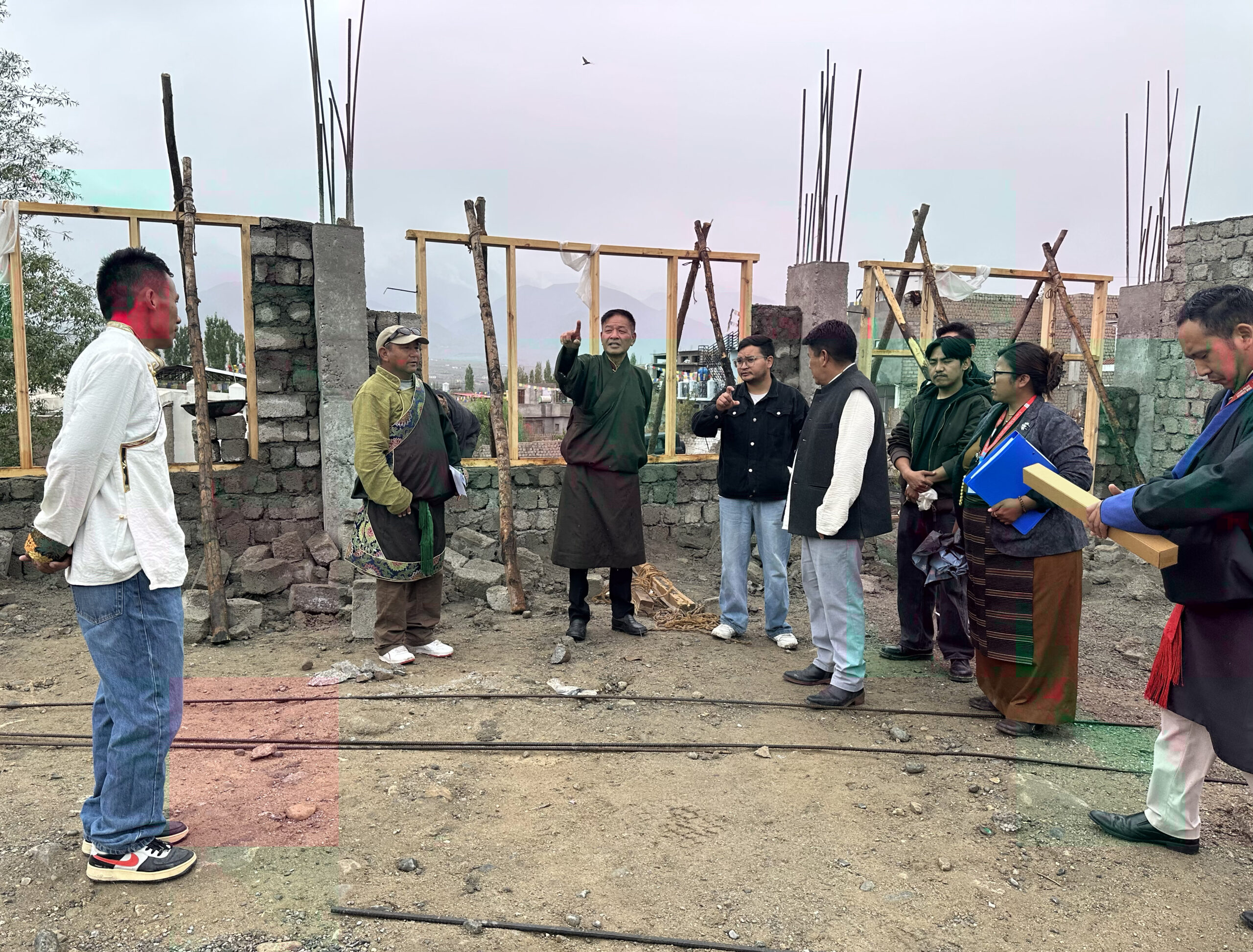
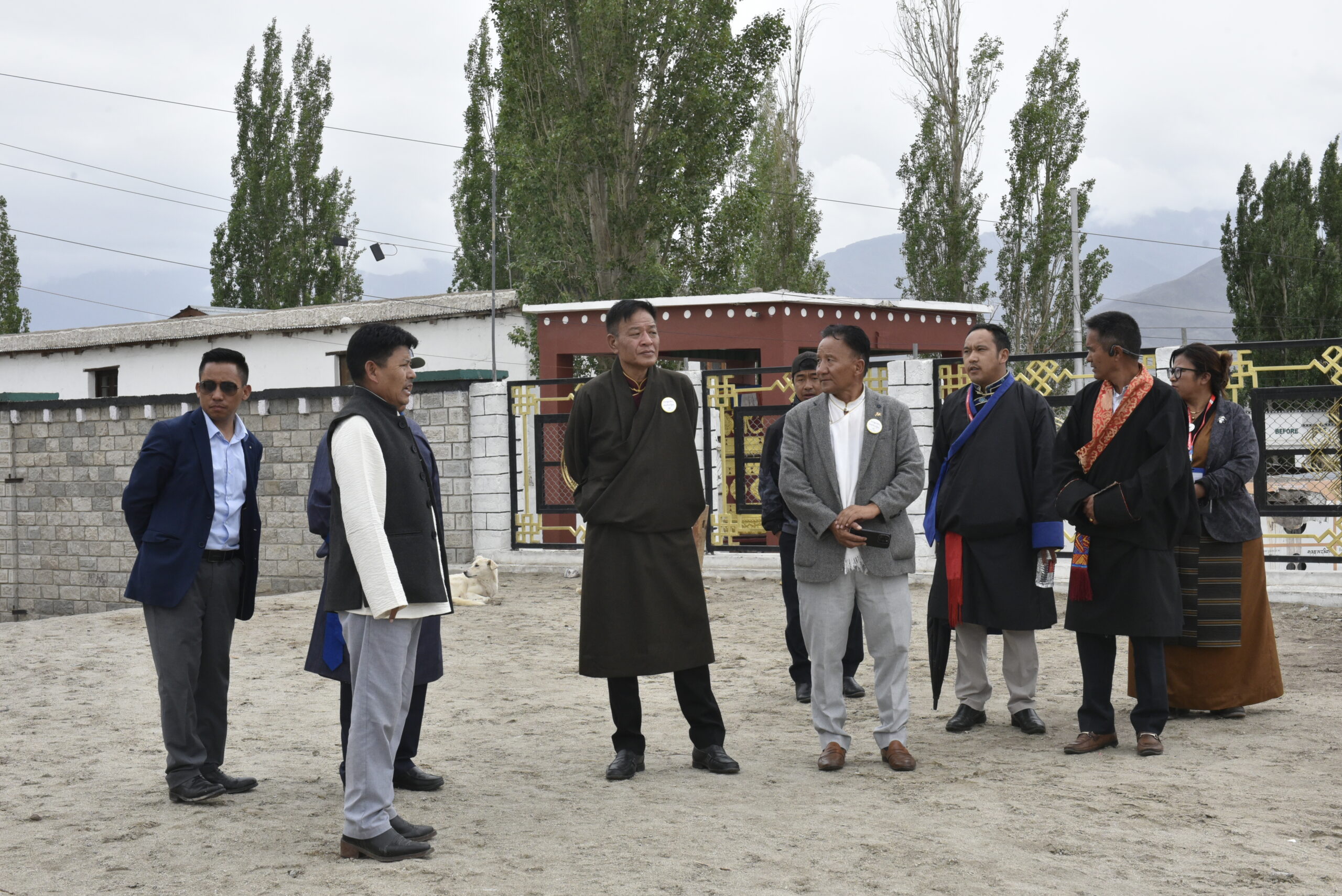
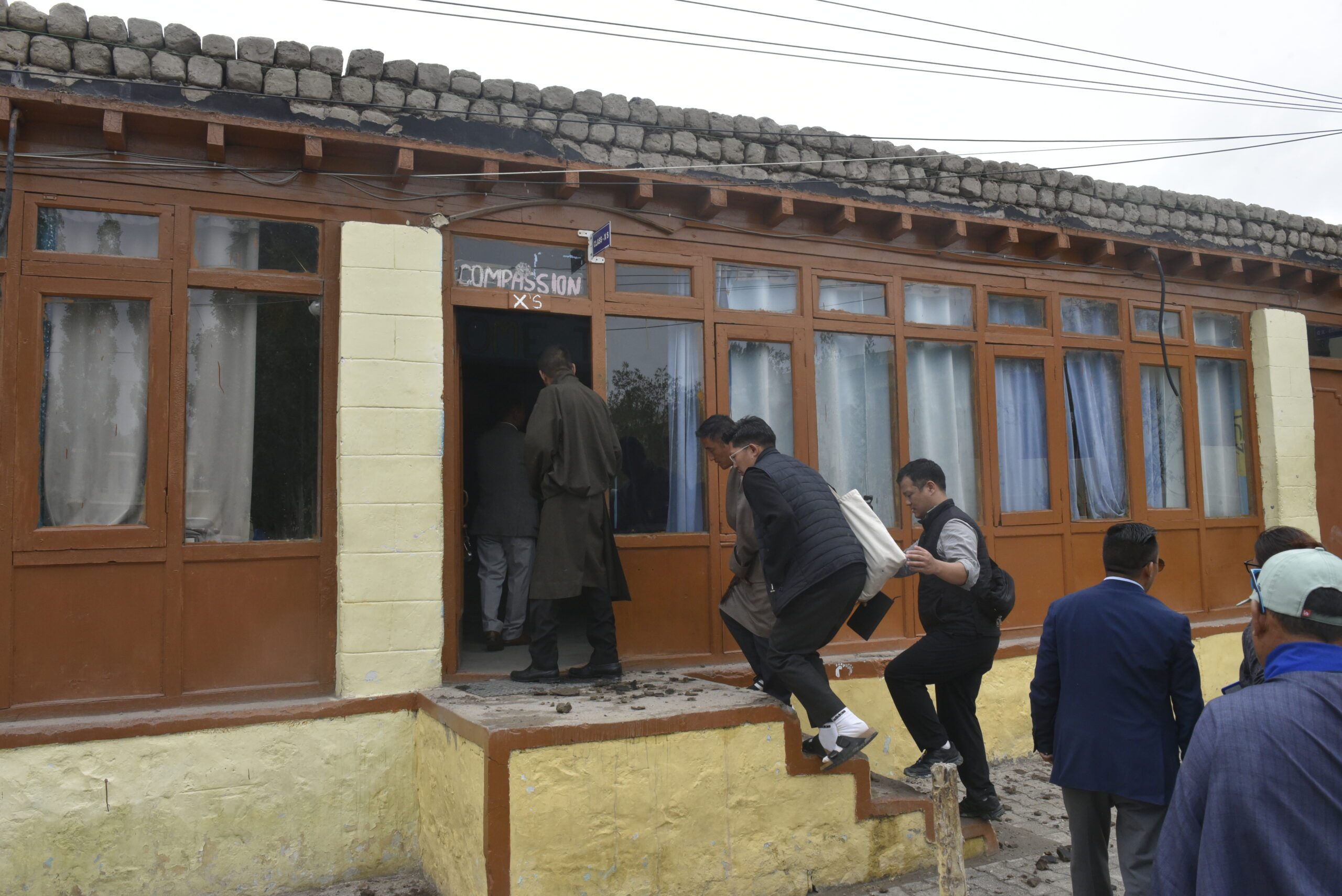
In the afternoon, the Sikyong inspected the school campus, including classrooms, the playground, and ongoing development project sites, where he interacted with school authorities and reviewed the institution’s facilities.
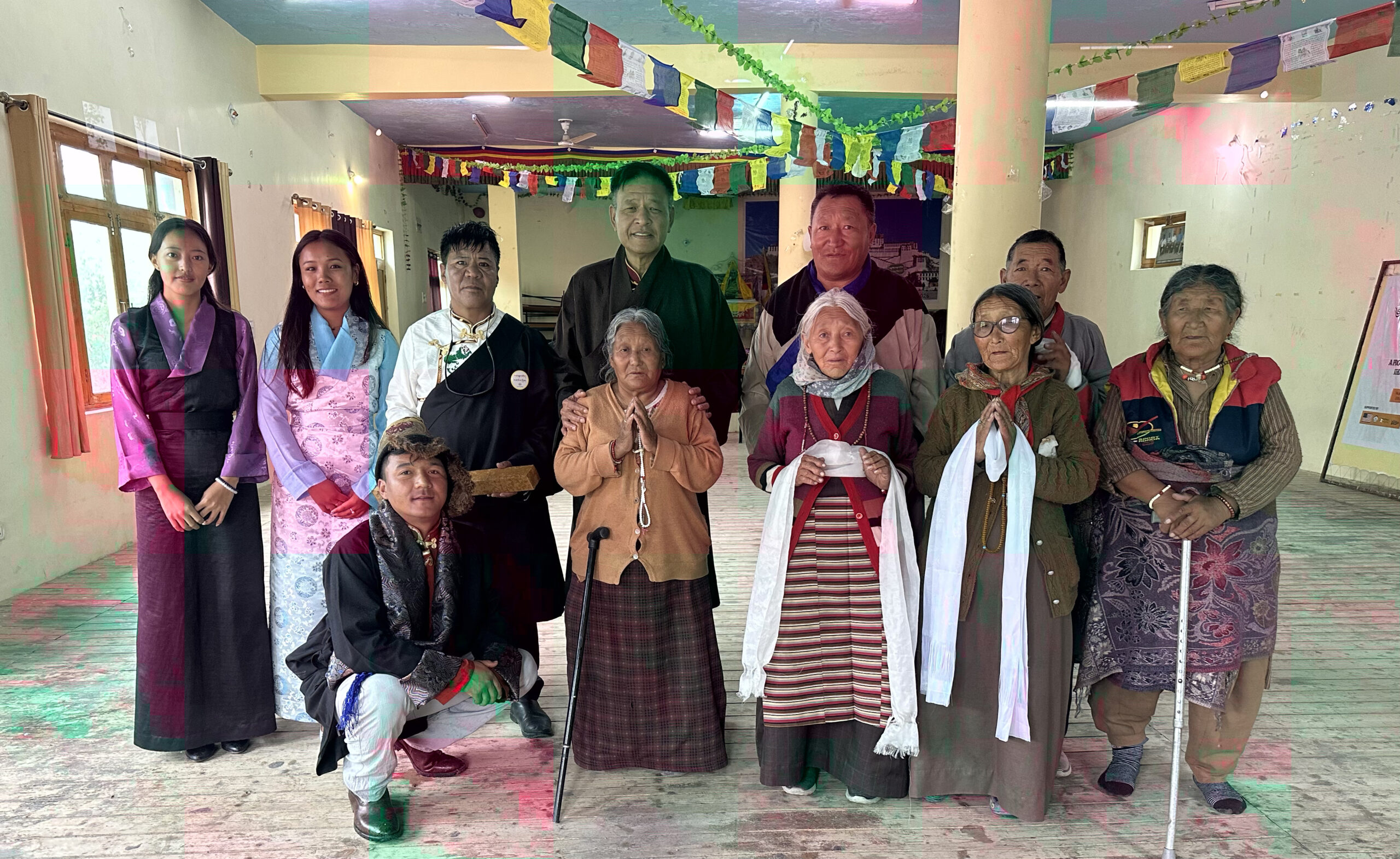
Following the school visit, the Sikyong visited the Old Age Home located near Rudok Lhundup Choding Monastery, where he was warmly received by Nursing In-charge Jigme Wangmo and the staff. He interacted with the 49 elderly residents, inquired about their well-being and living conditions, and conveyed his appreciation to the management and caregivers for their dedicated service in providing compassionate care and support to the senior members of the Tibetan community.
Throughout his engagements at the remaining camps of the Sonamling Tibetan Settlement, SOS Tibetan Children’s Village (TCV) Ladakh, and the Old Age Home, Sikyong Penpa Tsering was accompanied by Chief Representative Officer Tashi Dhondup and TCV Ladakh Director Tenzin Rabten.