
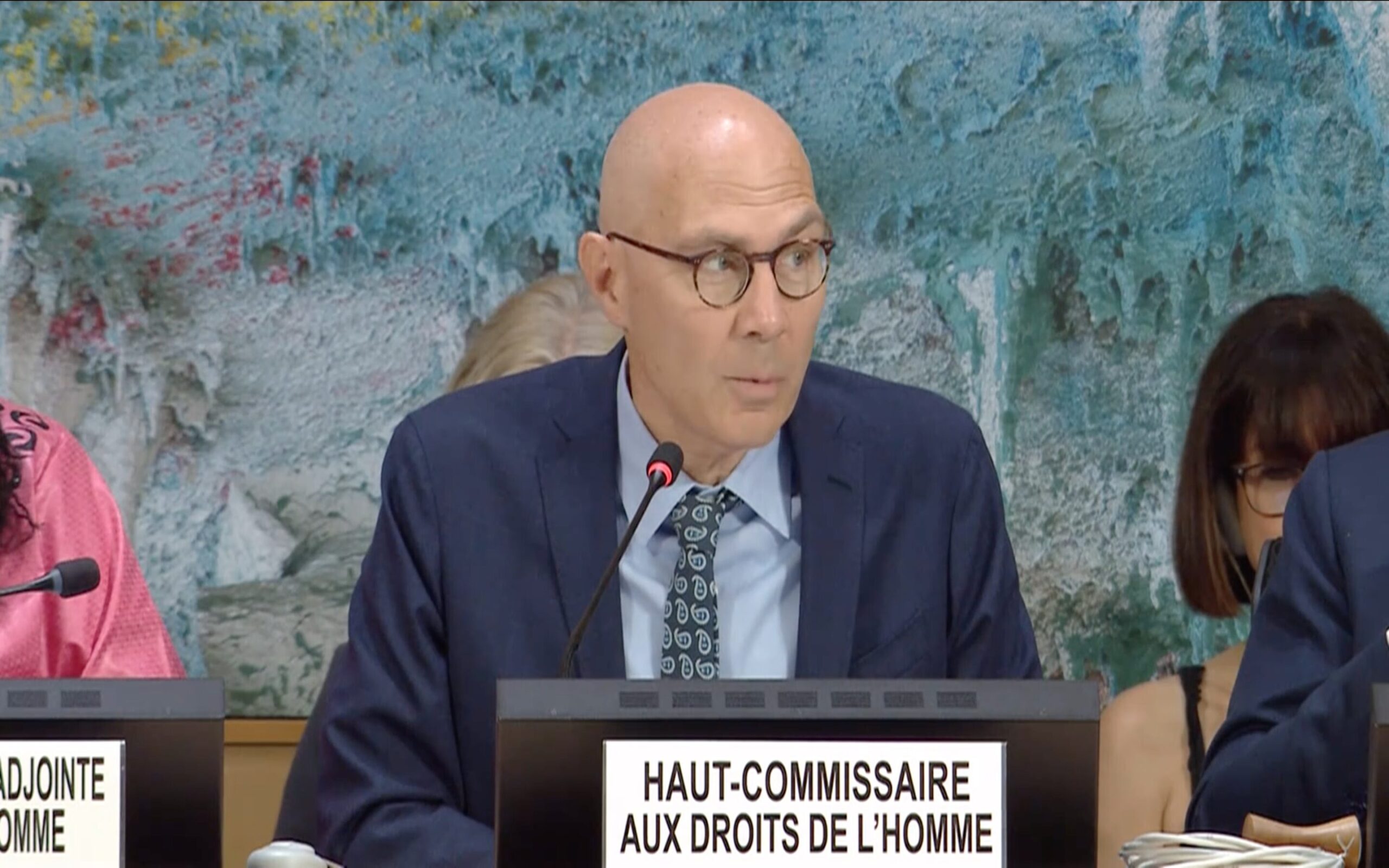
Geneva, 15 May 2026 — United Nations High Commissioner for Human Rights Volker Türk delivered a stark warning to the 62nd session of the United Nations Human Rights Council, stating that the world is confronting a period of profound human rights challenges marked by growing violations of international law and increasing pressure on fundamental freedoms.
Presenting his global update to member states in Geneva, Türk said that the international community is witnessing an “unprecedented, shameless onslaught against international law” that is causing widespread human suffering. “We must call it out every time and everywhere, and work to contain and end it,” Türk told delegates, emphasising the importance of upholding international human rights standards amid escalating global crises.
At the same time, the High Commissioner underscored the continuing impact of human rights mechanisms worldwide, noting that “the nuts and bolts of human rights work are delivering safety, dignity and freedom for millions of people every day.” Among the issues highlighted in his address was the human rights situation in China, particularly the impact of Beijing’s counterterrorism measures and assimilation policies on ethnic and religious minorities.
Türk expressed serious concern over China’s recently adopted Law on Promoting Ethnic Unity and Progress, warning that the legislation could deepen existing restrictions on minority communities.
“I am very concerned about China’s counterterrorism and assimilation policies, particularly as they affect minorities in the Xinjiang, Inner Mongolia and Tibetan regions,” he said.
According to the High Commissioner, the law risks further limiting freedoms related to language, education, religious practice, cultural expression, freedom of expression and peaceful assembly. He warned that broadly worded provisions could penalise the peaceful exercise of minority rights.
Türk called on Chinese authorities to repeal the legislation and end policies that undermine the rights of ethnic minorities.
His concerns echo those raised by several United Nations independent experts and human rights organisations, which have argued that the law could institutionalise assimilation policies and reduce protections for the cultural, linguistic and religious identities of minority communities, including Tibetans, Uyghurs and Mongolians. The legislation, adopted by China’s National People’s Congress in March 2026 and scheduled to take effect on 1 July 2026, aims to strengthen national cohesion and promote a unified national identity. Chinese authorities maintain that the law is intended to foster social stability, national unity and economic development. However, critics argue that the legislation formalises long-standing policies promoting the use of Mandarin in education and public life while diminishing space for minority languages, traditions and religious practices.
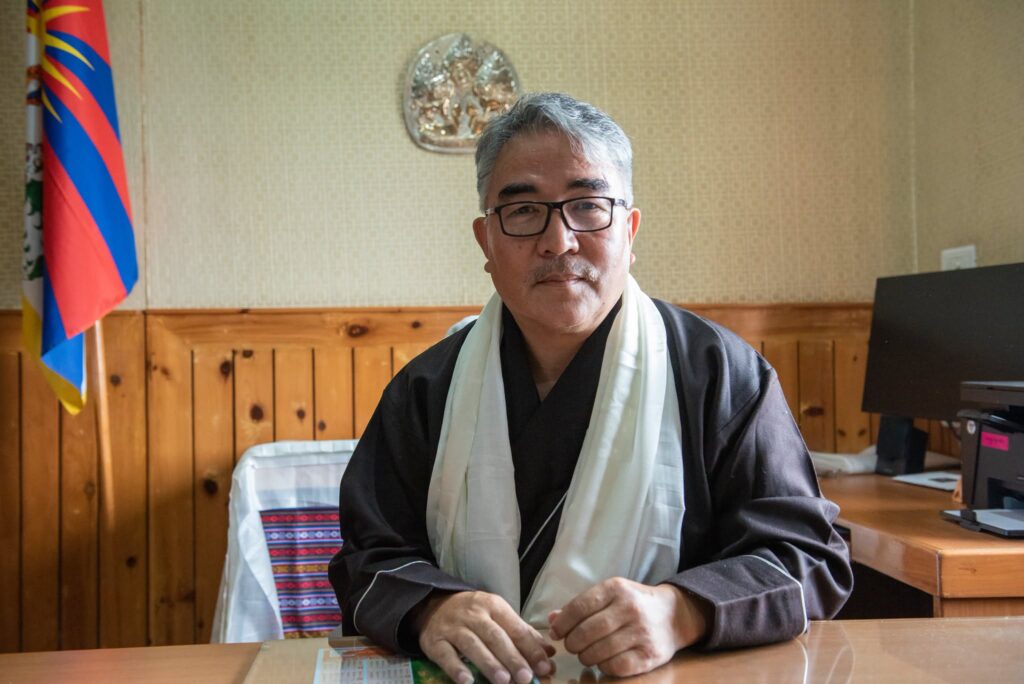
Responding to Türk’s remarks, Thinlay Chukki, Representative of His Holiness the Dalai Lama at the Office of Tibet in Geneva, welcomed the High Commissioner’s intervention and described the statement as both timely and significant.
Chukki said the legislation represents an escalation of policies that Tibetan advocacy groups say have, for decades, sought to erode Tibetan religious, linguistic and cultural identity.
She further argued that the law’s potential extraterritorial implications could extend beyond China’s borders, raising concerns about transnational repression and its possible impact on Tibetan communities living abroad.
“The law not only threatens Tibetan identity within China but also carries implications beyond China’s borders,” Chukki said, adding that the measure could affect diaspora communities and create broader concerns for other countries.
Human rights organisations and several international bodies, including the European Parliament, have similarly voiced concerns that provisions related to ethnic unity could enable increased monitoring and control of minority communities both domestically and internationally.
China has consistently rejected allegations of human rights abuses in Xinjiang and Tibet, maintaining that its policies are necessary to combat extremism, promote development and preserve national unity.
The issue is expected to remain a key focus of discussions at the Human Rights Council as member states, experts and civil society organisations continue to debate the balance between national security policies and the protection of minority rights under international law.
– Report filed by Office of Tibet, Geneva