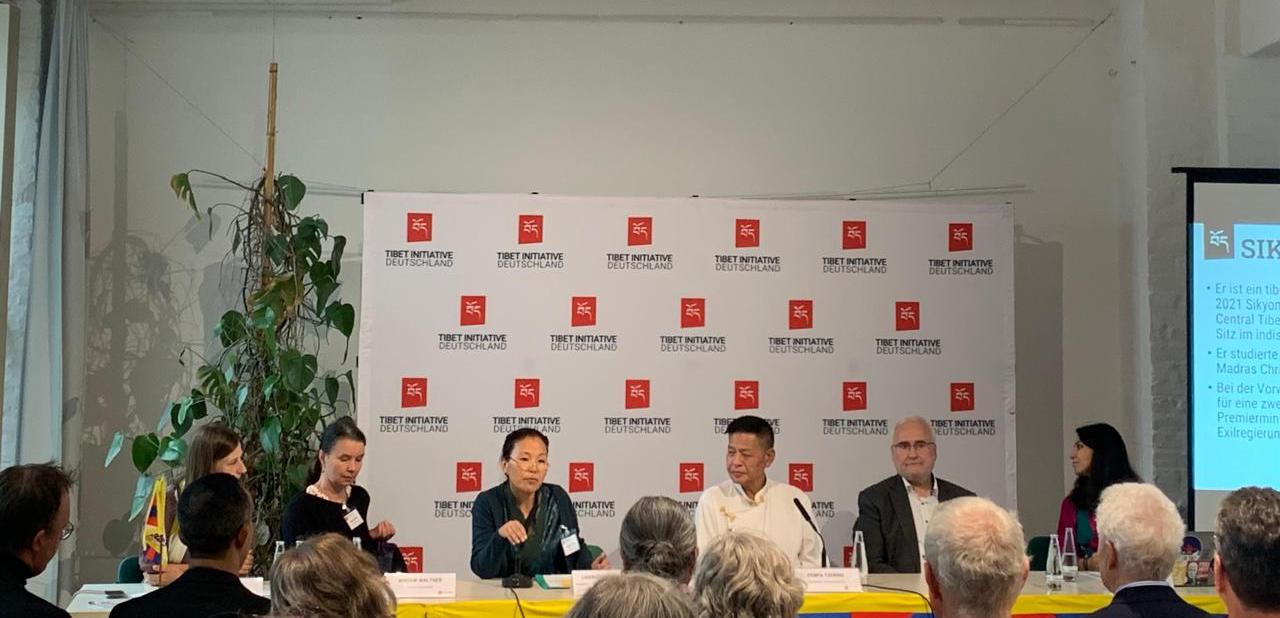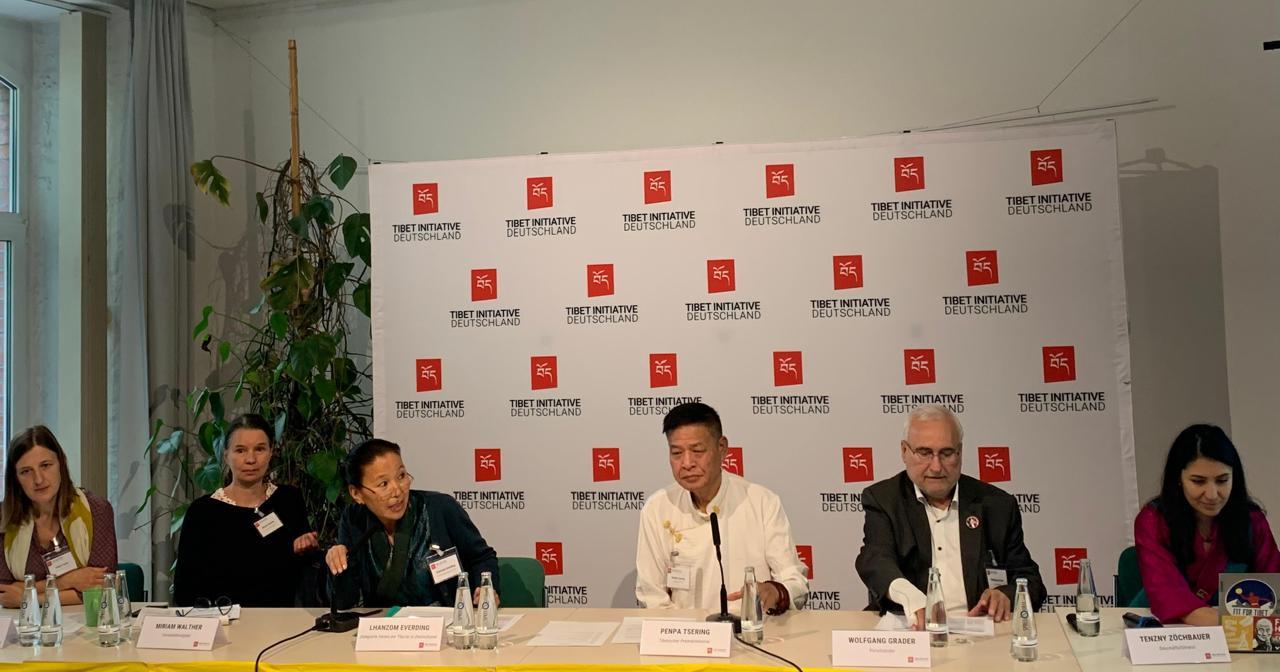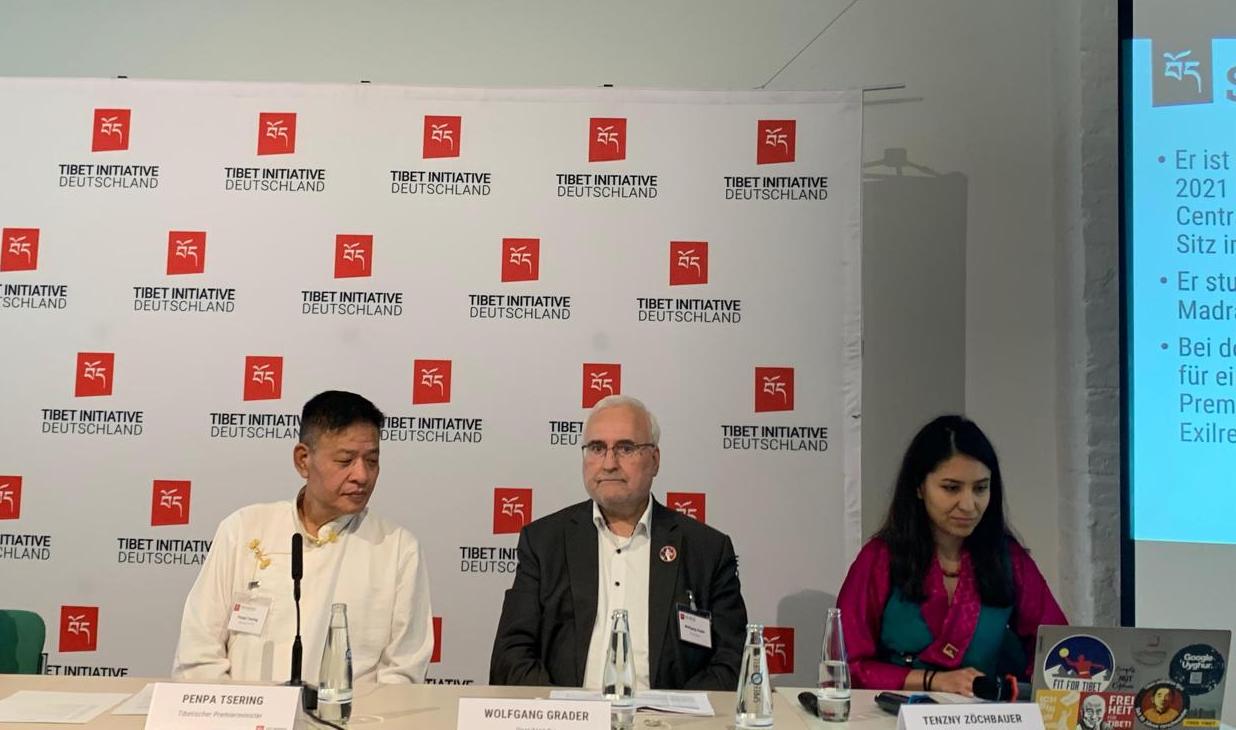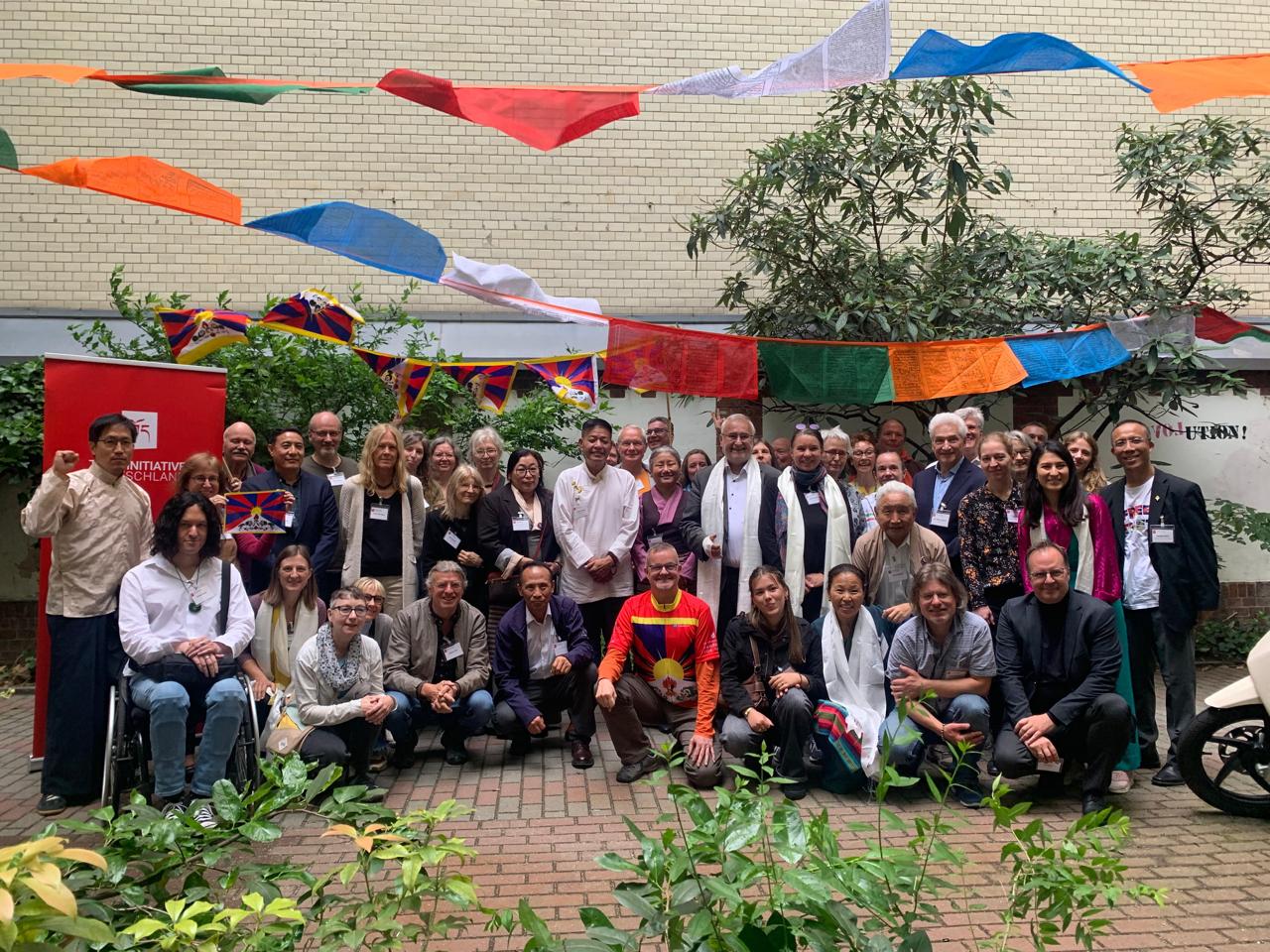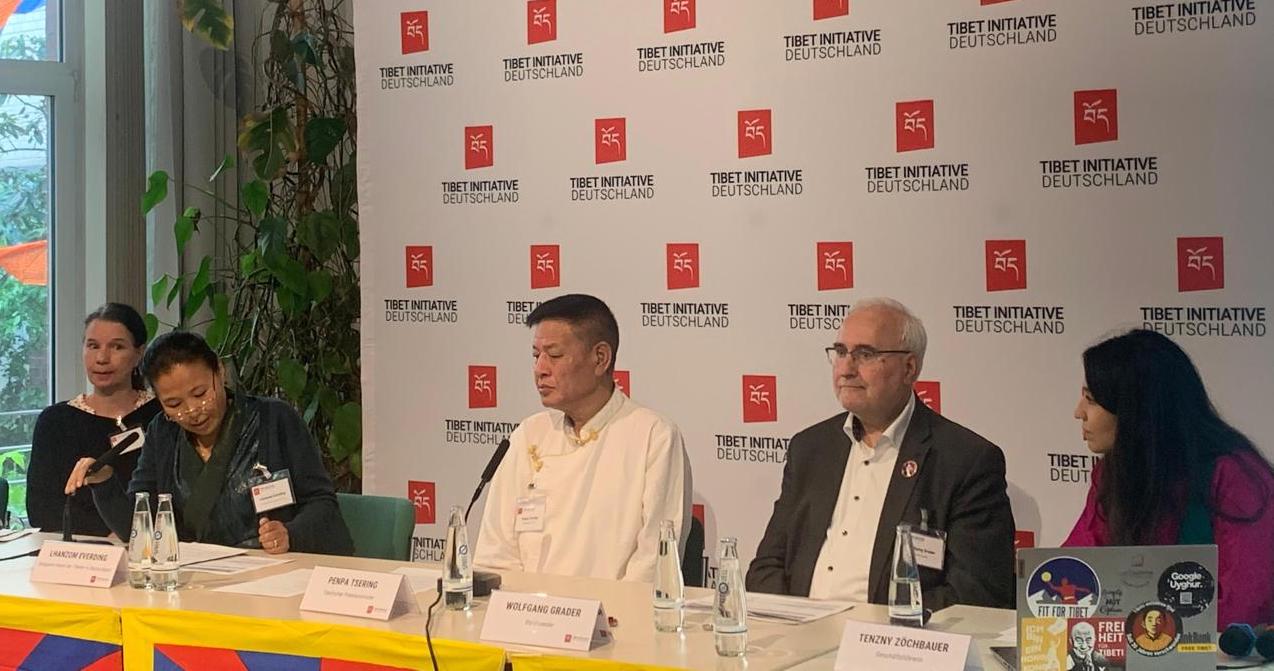
Berlin, Germany, 13 June 2026: Sikyong Penpa Tsering of the Central Tibetan Administration attended the 37th Annual General Meeting of Tibet Initiative Deutschland (TID) in Berlin.
Among those present were Wolfgang Graser, Lhanzom Everding, Sibylle Detel, Miriam Walther, Moana Monnicken, Thinlay Chukki (Representative of His Holiness the Dalai Lama to Central and Eastern Europe), Phuntsok Topgyal (UN Advocacy Officer), Dundup Donka (President of the Tibetan Community in Germany), and members of Tibet Initiative Deutschland.
Addressing the assembly, Sikyong emphasised that one of the foremost responsibilities of Tibetan institutions is to shoulder the burdens of the Tibetan freedom movement and avoid placing trivial concerns before His Holiness the Dalai Lama, who continues to dedicate his life to the service of humanity despite approaching his 91st birthday next month.
Sikyong reaffirmed the Central Tibetan Administration’s unwavering commitment to the Middle Way Approach, which seeks a peaceful and mutually beneficial resolution to the Sino-Tibetan conflict through dialogue and genuine autonomy for the Tibetan people within the framework of the People’s Republic of China.
At the same time, he stressed that lasting peace cannot be built upon the distortion of history, the suppression of identity, or the denial of fundamental rights.
“The world must understand Tibet as it is, not as Beijing portrays it. The truth about Tibet’s history, culture, religion, and political status must be examined through facts and historical evidence rather than political propaganda,” Sikyong stated.
Referring to recent academic research, including the work of Chinese scholar Professor Yan Hao, Sikyong noted that growing scholarly examination of historical archives from the Yuan, Ming, and Qing dynasties continues to challenge official narratives and contribute to a more accurate understanding of Tibet’s historical relationship with China.
He encouraged Tibetans, particularly younger generations, to study and preserve their history, language, and cultural heritage, emphasising that the future of Tibet depends not only on political advocacy but also on the transmission of identity and historical truth to future generations.
Speaking on current developments inside Tibet, Sikyong expressed deep concern over China’s increasingly restrictive policies, including the implementation of the Ethnic Unity and Progress Law, intensified surveillance, restrictions on religious freedom, forced assimilation measures, transnational repression targeting Tibetans abroad, and environmental degradation across the Tibetan Plateau.
He underscored that the Tibetan Plateau, often referred to as the “Third Pole” of the Earth, is not only a Tibetan issue but also a matter of global environmental significance, as it serves as the source of Asia’s major rivers and directly impacts the lives of billions of people across the continent.
Sikyong further called upon democratic governments, international institutions, and human rights organisations to remain vigilant and principled in defending universal values.
“The Tibetan issue is ultimately about human dignity, freedom of belief, cultural survival, and the right of a people to live according to their identity. Silence in the face of repression only emboldens authoritarianism,” he said.
He also briefed participants on recent engagements with European leaders, parliamentarians, and policymakers regarding human rights, freedom of religion, environmental protection, and support for the Tibetan people’s exclusive right to recognise the future reincarnation of His Holiness the Dalai Lama in accordance with centuries-old Tibetan Buddhist traditions.
Reiterating the Tibetan position on reincarnation, Sikyong stated that any attempt by the Chinese government to interfere in the recognition of the future Dalai Lama would constitute a violation of religious freedom and an unacceptable intrusion into the spiritual affairs of the Tibetan Buddhist community.
Sending a direct message to Beijing, he stressed that lasting stability in Tibet cannot be achieved through coercion, surveillance, or assimilation policies. Genuine stability, he said, can emerge only through dialogue, respect, justice, and recognition of the Tibetan people’s legitimate aspirations.
Concluding his remarks, Sikyong called on the international community to strengthen support for Tibet, defend human rights, reject efforts to erase Tibetan identity, and stand with the Tibetan people in their peaceful pursuit of justice and freedom.
Following the Berlin programme, Sikyong, accompanied by Representative Thinlay Chukki and President Phuntsok Topgyal, travelled to Frankfurt, where they received a warm welcome from members of the Tibetan community.
During his visit to Frankfurt, Sikyong is scheduled to participate in community engagement programmes and meet several long-time friends and supporters of the Tibetan cause.