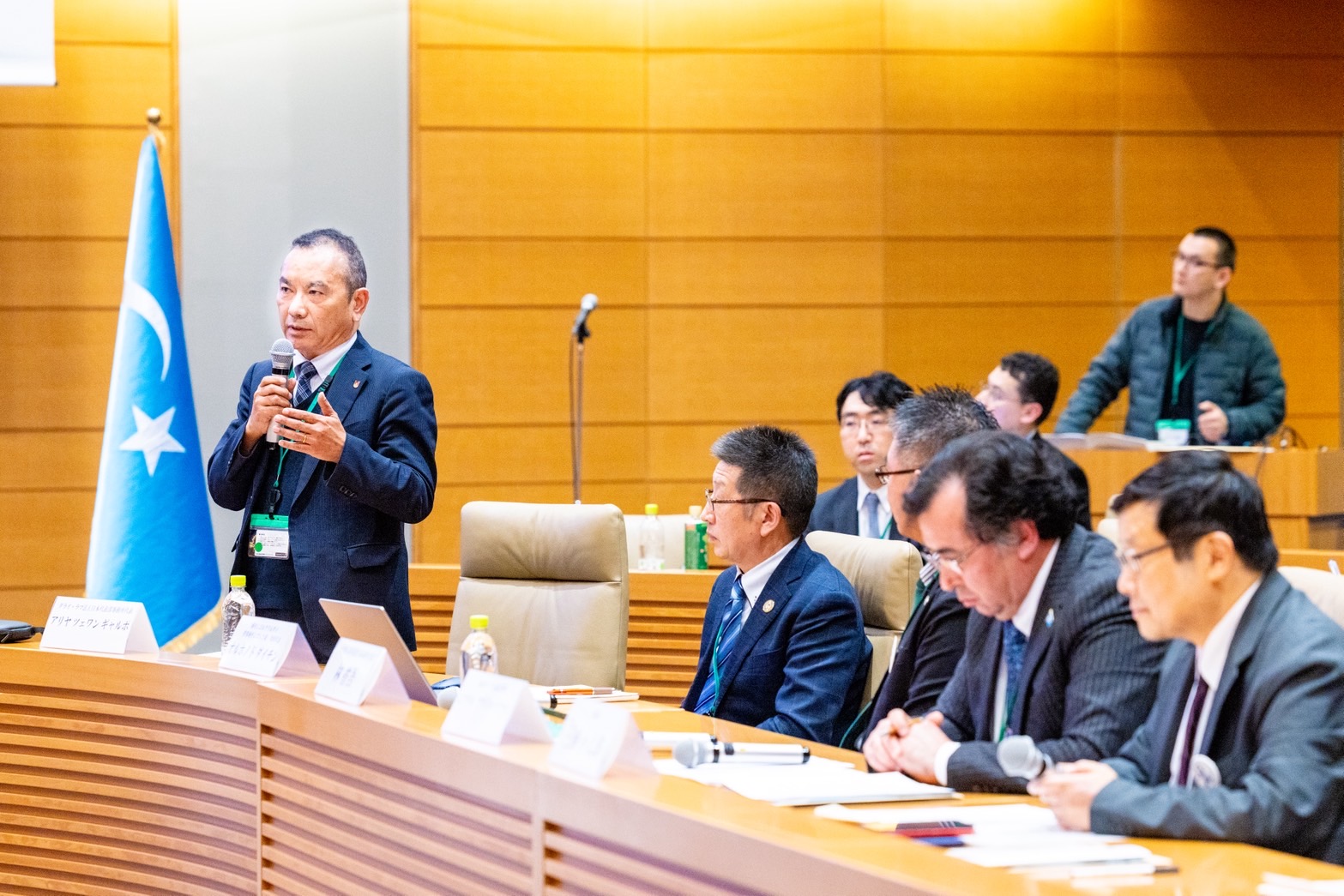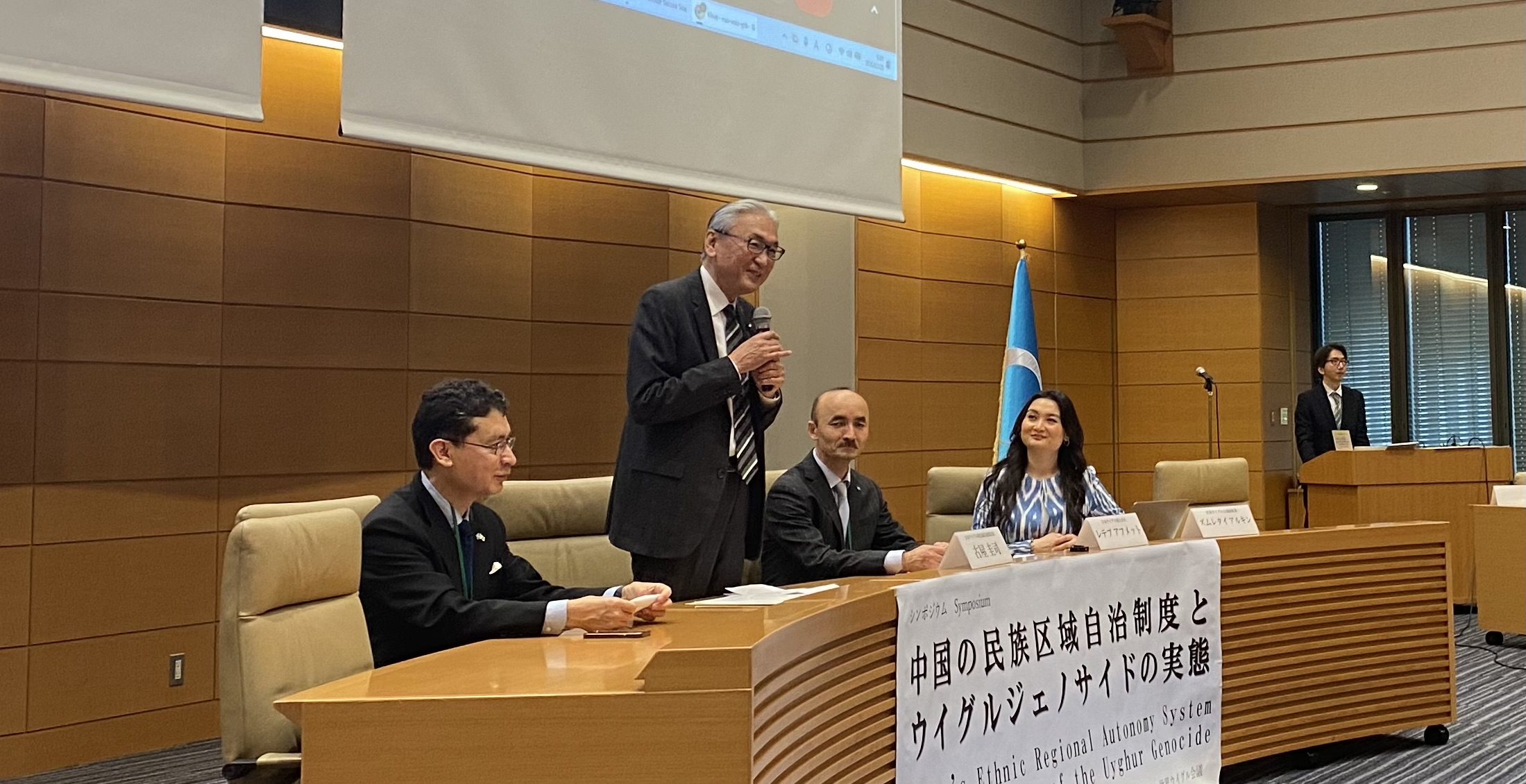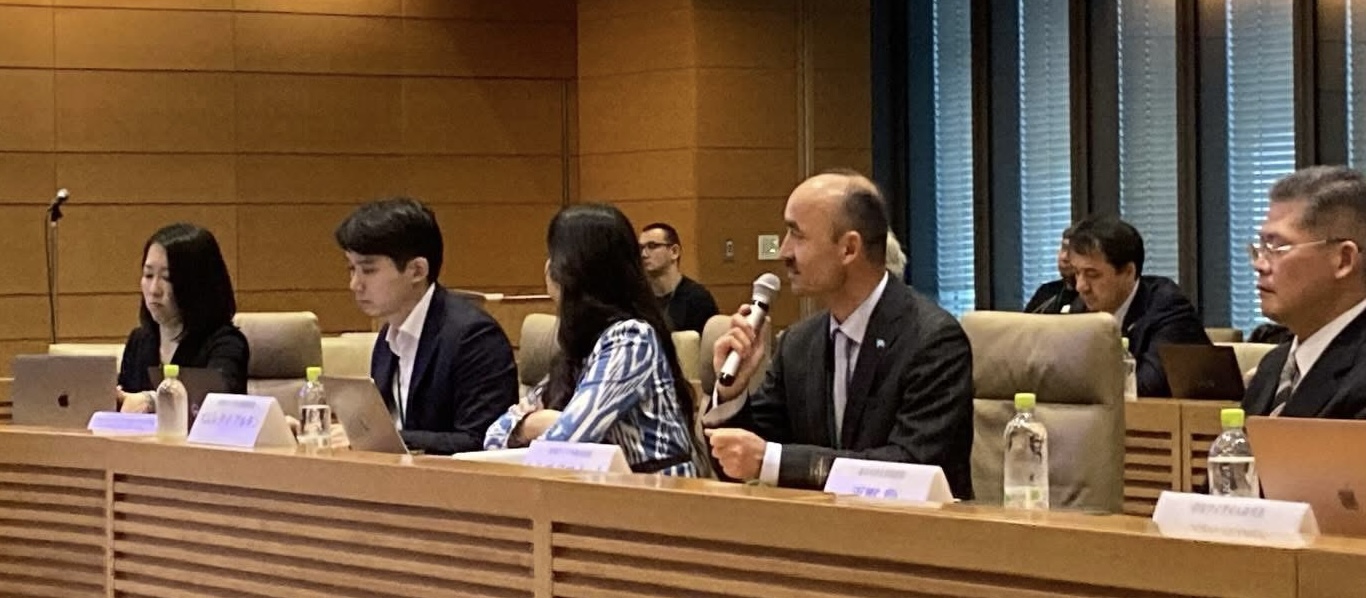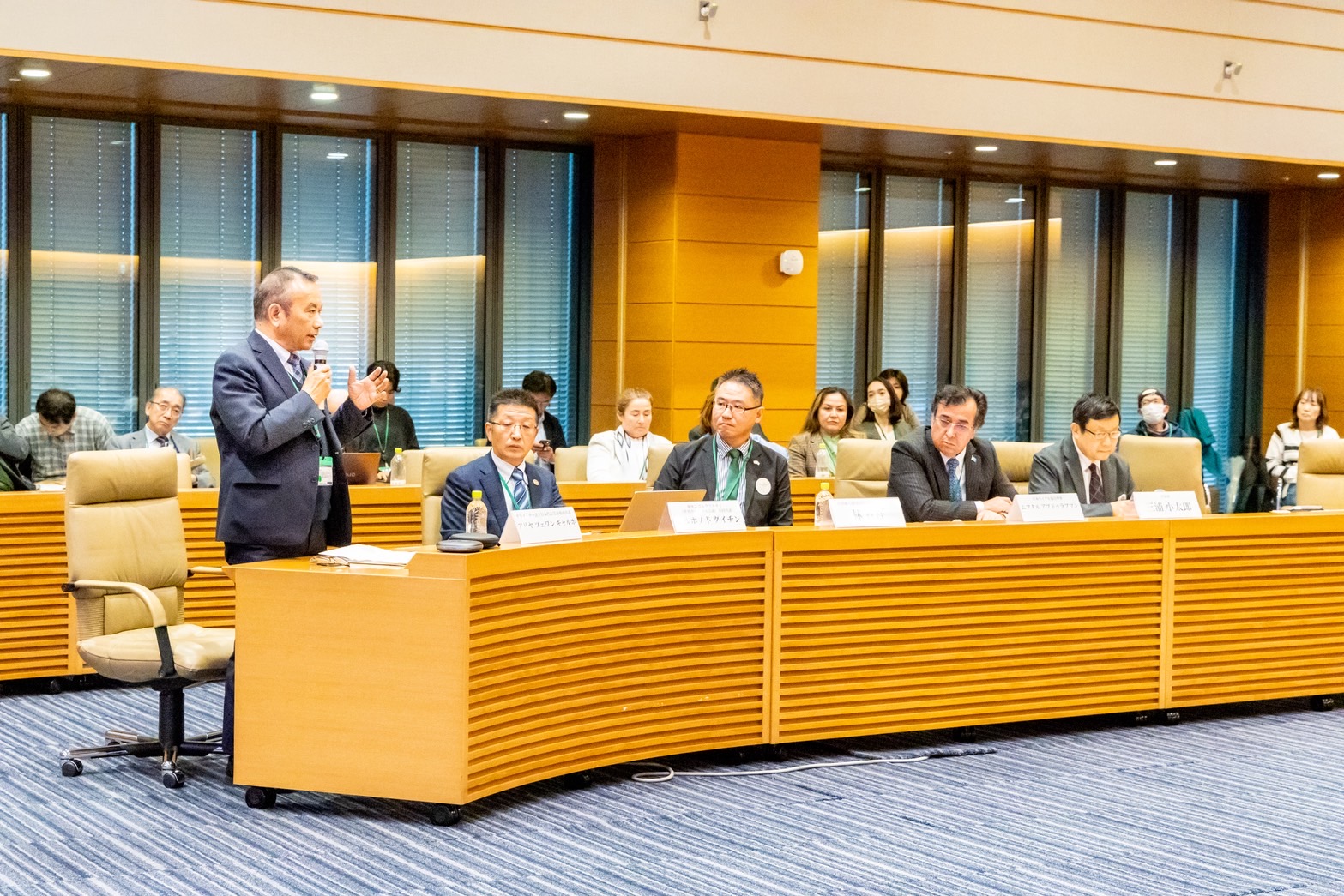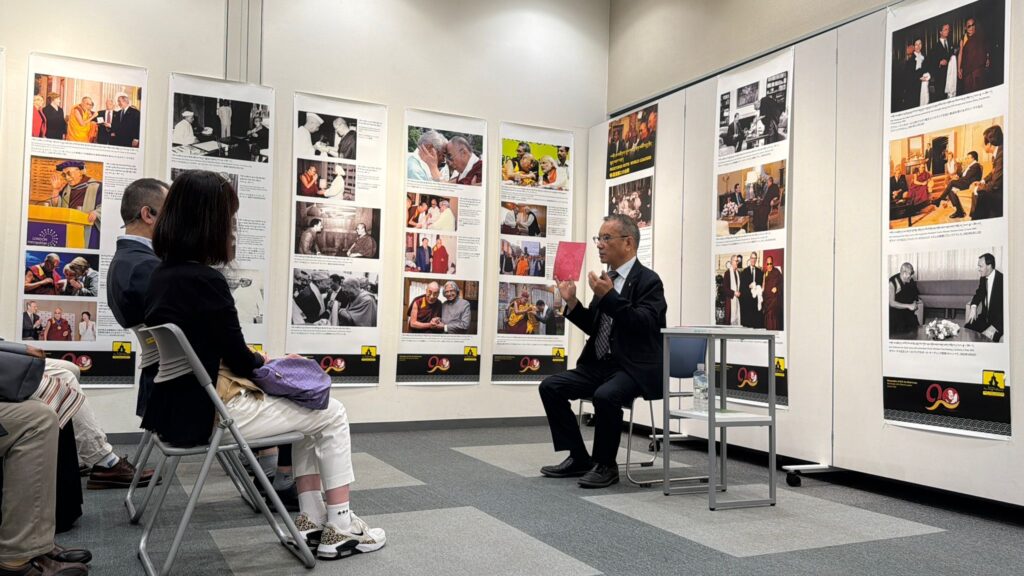

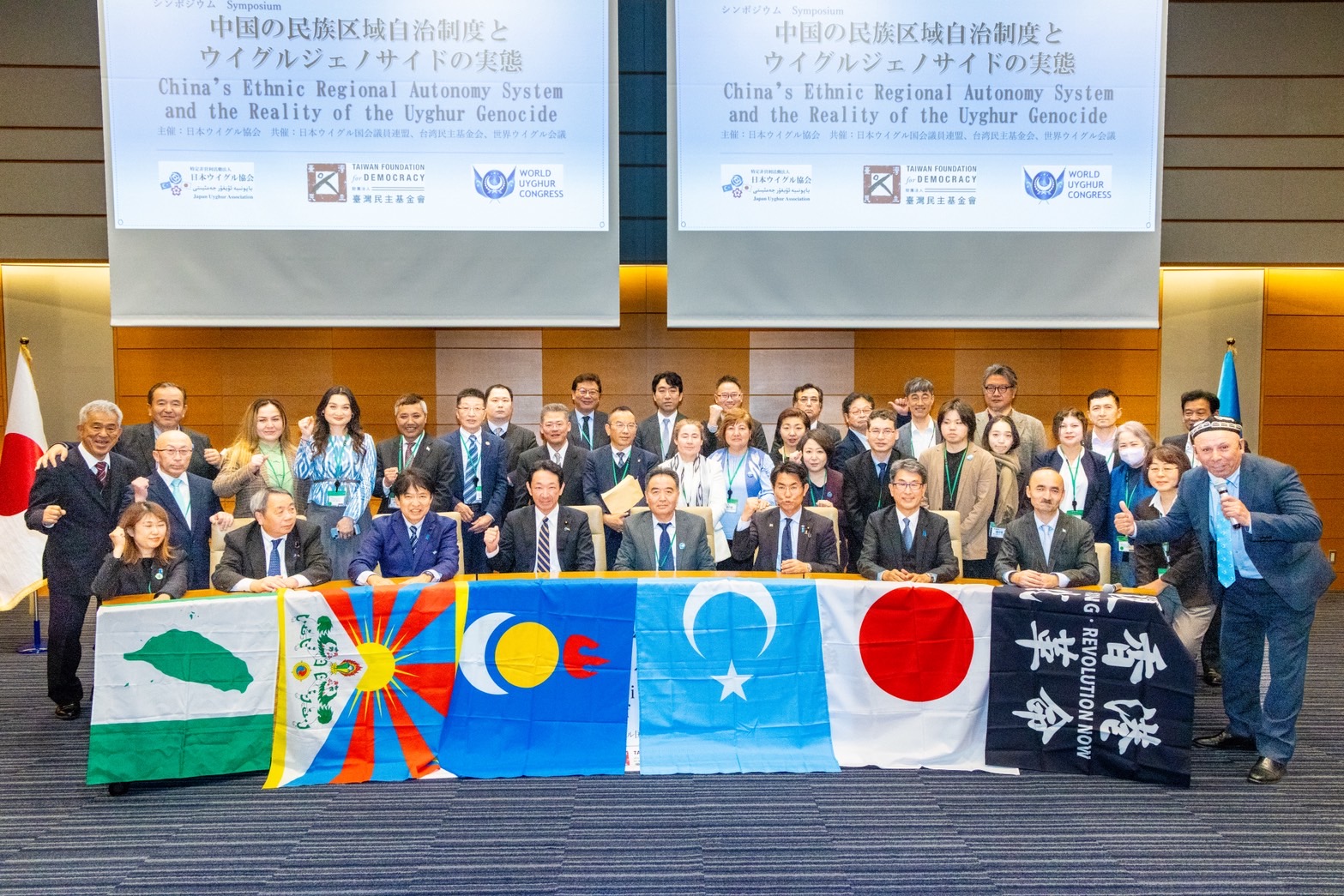
Tokyo: The World Uyghur Congress and the Japan Uyghur Association organised a symposium titled “China’s Ethnic Regional Autonomy System and the Reality of Uyghur Genocide” at the Japan’s Lower House Parliament conference hall in Tokyo in 2026. The purpose of the symposium was to highlight the genocide and forced labour happening in East Turkistan and to discuss how all nationals under Chinese occupation should work together to protest the CCP’s dreadful policy to exterminate their identities and cultures.
Afumetto Retepu, Chairman of the Japan Uyghur Association, welcomed the participants and briefed them on the purpose of the symposium. Lawmaker Furuya Keiji, Chairperson of the Japan Uyghur Parliamentary Association, in his opening remark, expressed strong support for the Uyghur people’s aspiration for freedom and self-determination. He requested the Japanese lawmakers to take an interest and condemn the human rights violations happening in the region and other occupied regions under the CCP regime.
Japanese lawmakers, scholars, human rights lawyers and activists, and representatives of the minority nationals spoke on how the CCP regime has become openly brutal in repressing and eliminating the identity of the occupied nationals and how the repression has spread beyond the border. There were participants from overseas, including Taiwan.
The organisers have invited the representative of the Liaison office of H.H. the Dalai Lama, Dr. Tsewang Gyalpo Arya, to present the Tibetan case, where he appealed to the lawmakers and the participants to look at Tibet, Uyghur, and Southern Mongolian issues as unresolved international issues. He informed the gathering about the increased Chinese repression not only inside the country but also beyond the national border. The cases of Hungkar Rinpoche’s death in Vietnam, the deportation of 40 Uyghur refugees from Thailand, the imprisonment of Hong Kong journalist Jimmy Lai, and the arrest of the young Chinese student, Zhang Di, for her participation in the Tibetan peace march in France, were presented as some recent proof of the CCP’s hidden and long hands beyond the border. He said the democratisation of China as an important factor to resolve many of the world’s problems.
Lawmakers: Yamatani Eriko, Sekihei, Ueno Hiroshi, Ishibashi Rintaro, and others spoke and expressed solidarity with the symposium and the minority nationals’ struggle for freedom and justice in their countries. Miura Kotaro, moderator of the last session, concluded with a message to the lawmakers and Japanese participants to view the minority nationals’ problem as something that would eventually affect Japan if it is not properly taken care of.
The symposium concluded with three appeals to the lawmakers and the Japanese government. First, to revive the post of Human Rights Monitoring Desk. Second, to reissue a stronger statement condemning the CCP’s violation of human rights, and lastly, to enact a law upholding the rights of the minority nationals and their rights to self-determination.
– Report filed by Office of Tibet, Japan