
Geneva: The 18th United Nations Minority Forum, held on 27–28 November at the Palais des Nations, recorded more than 900 registrations, the highest in the Forum’s history.
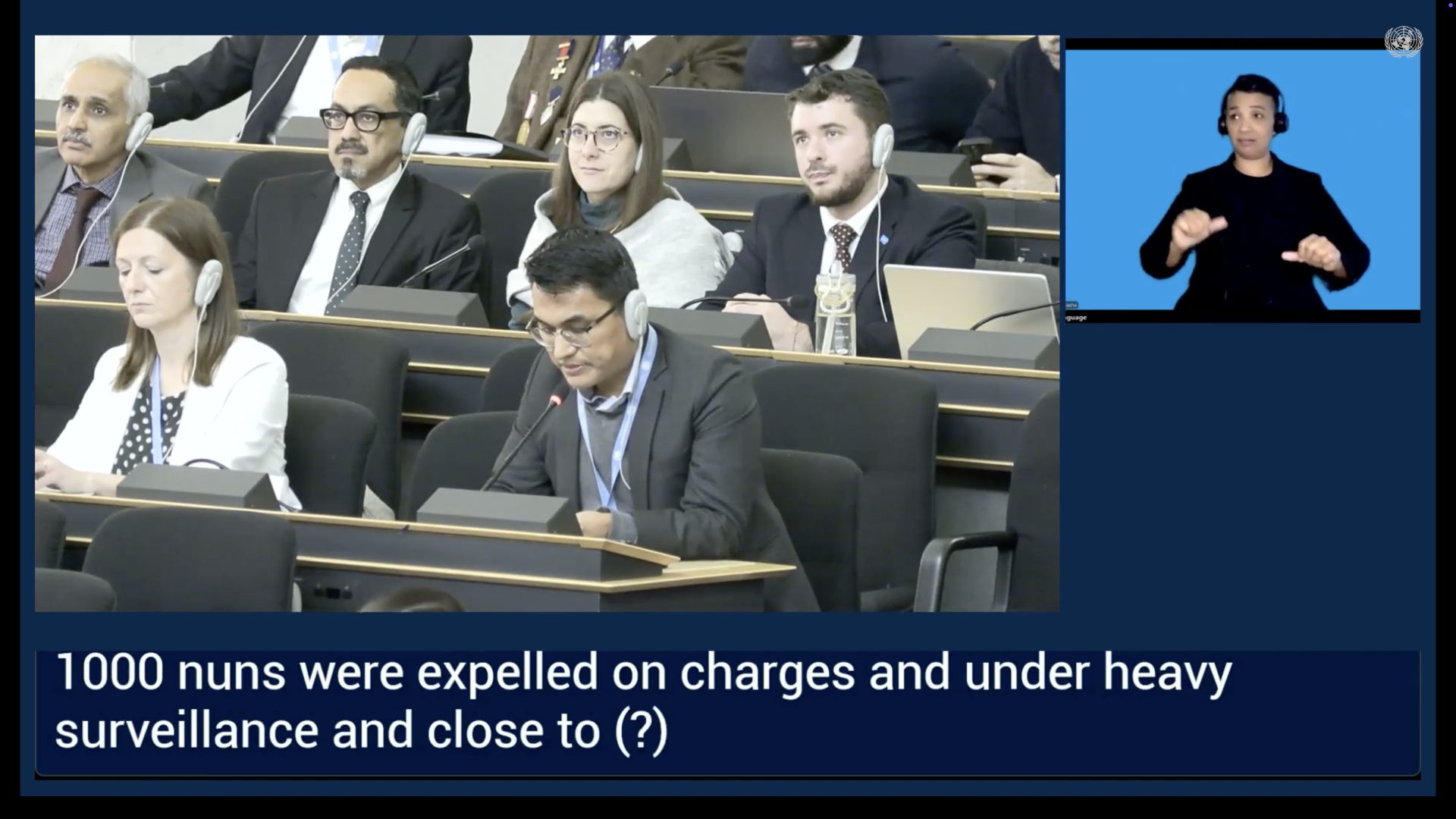
On the first day of the forum, UN Advocacy Officer Phuntsok Topgyal delivered a compelling oral statement on behalf of the Society for Threatened Peoples. His statement focused on the grave situation in Larung Gar, one of the world’s most renowned Buddhist learning centres. According to his remarks, more than 1,000 monks and nuns have been expelled from the institution on fabricated charges, and the entire area remains under strict surveillance. Pilgrims, once central to the monastery’s spiritual and cultural life, are barred from entering. The oppressive environment has driven many into despair, most tragically highlighted by the suicide of Shersang Gyatso, a respected monk who took his own life on 18 August after enduring prolonged harassment by Chinese authorities this year. His death symbolises the emotional toll that systemic repression has placed on Tibetan religious practitioners.
The UN Advocacy Officer also addressed China’s increasingly aggressive policies toward Tibetan language and cultural education. A recently issued 16-point directive, which prohibits content deemed “opposing the Chinese Communist Party,” has effectively marginalised Tibetan-medium instruction. Children are systematically denied the right to learn in their mother tongue, resulting in the erosion of linguistic identity. The arrest of Khenpo Tenpa Dhargye and twenty villagers in May 2024 for establishing a “Language Protection Association” reflects the dangers Tibetans face when they attempt to preserve their culture. Even more troubling was the death of village leader Gonpo Namgyal, who succumbed to injuries sustained during seven months of detention—dying only three days after his release. These incidents demonstrate a broader pattern of criminalising peaceful cultural preservation and inflicting irreversible harm on community members.
Another central theme raised during the forum was the persistent denial of due process. Political prisoner Dorjee Tashi continues to be denied access to legal counsel, reflecting the lack of transparency and fairness in the judicial system enforced in Tibet. Even more alarming was the sudden and suspicious death of Tulku Hungkar Dorjee Rinpoche, who passed away in Vietnam shortly after being detained by Chinese police. The secrecy surrounding his death, combined with a rushed cremation, has raised grave concerns among Tibetans and international observers alike. Such actions underscore the vulnerability of Tibetan religious and community leaders, even beyond the geographical borders of Tibet.
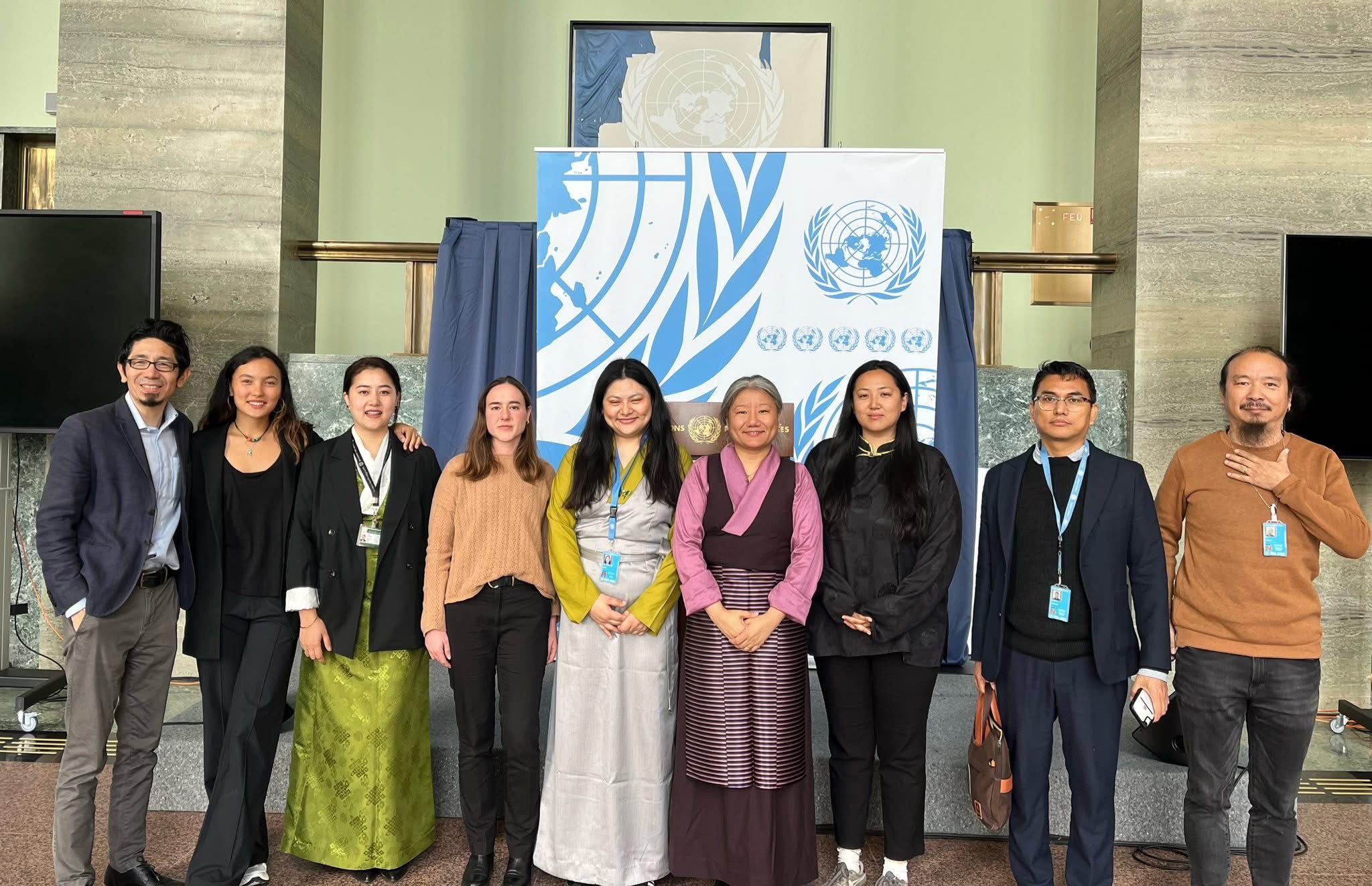
The 18th Minority Forum also highlighted the growing diversity and strength of Tibetan representation in international advocacy spaces. Participants included Tenzin Dorjee, a speaker at the forum, who addressed Agenda Item 3: Amplifying Minority Voices in Peace-building, Accountability, and Transitional Justice Processes; Tenzin Dolkar of the Tibetan Legal Association, Dharamshala; Pema Dolma and Tselha from Students for a Free Tibet (United States); and Jamyang, a Tibetan trainee from India participating in the UN Minority Fellowship Programme.
Representatives from the Tibet Bureau, Geneva—including Representative Thinlay Chukki, Phuntsok Topgyal, and Sangay Kyab—further strengthened the Tibetan delegation’s presence. Collectively, the participants engaged not only in plenary discussions but also in multiple side events, raising international awareness of the Tibetan people’s ongoing struggle for human rights, dignity, and cultural survival.
In conclusion, the 18th UN Minority Forum highlighted both the enduring suffering of Tibetans under repressive policies and the unwavering commitment of Tibetan advocates to voice these injustices. Their participation not only shed light on urgent human rights issues but also reaffirmed their determination to preserve Tibetan identity in the face of systemic suppression. As the forum came to a close, one reality stood out: Tibetan voices, strengthened by unity and persistence, continue to play a crucial role in reminding the world of the importance of protecting minority rights and safeguarding cultural and religious freedoms.
– Report filed by Office of Tibet, Geneva