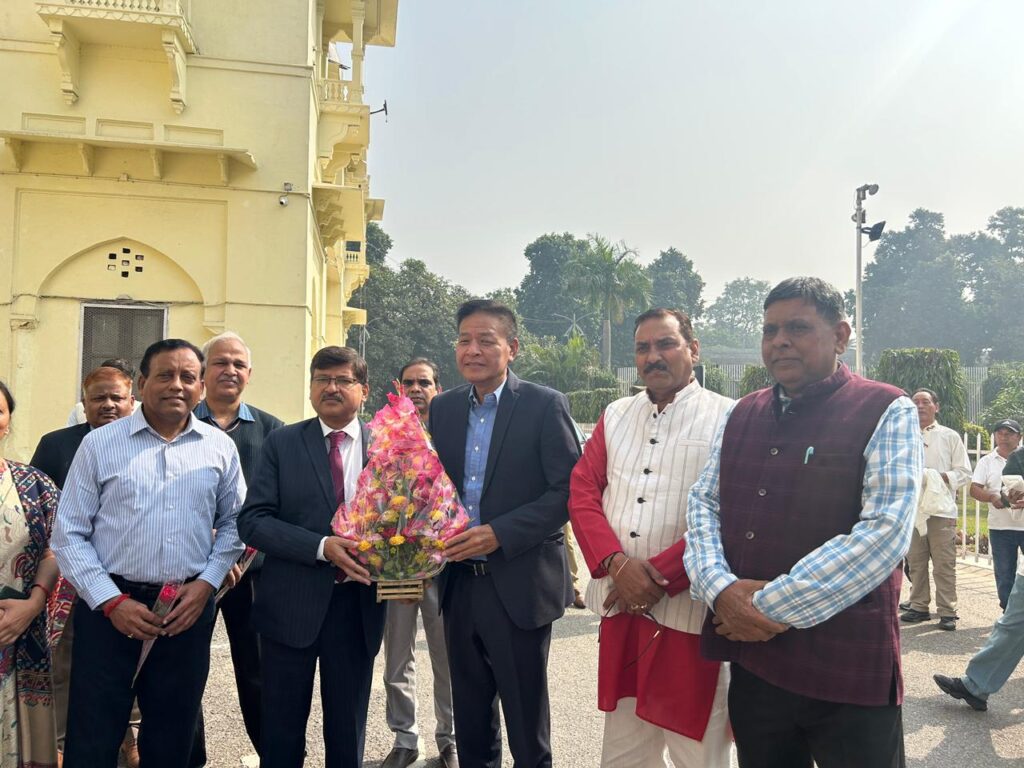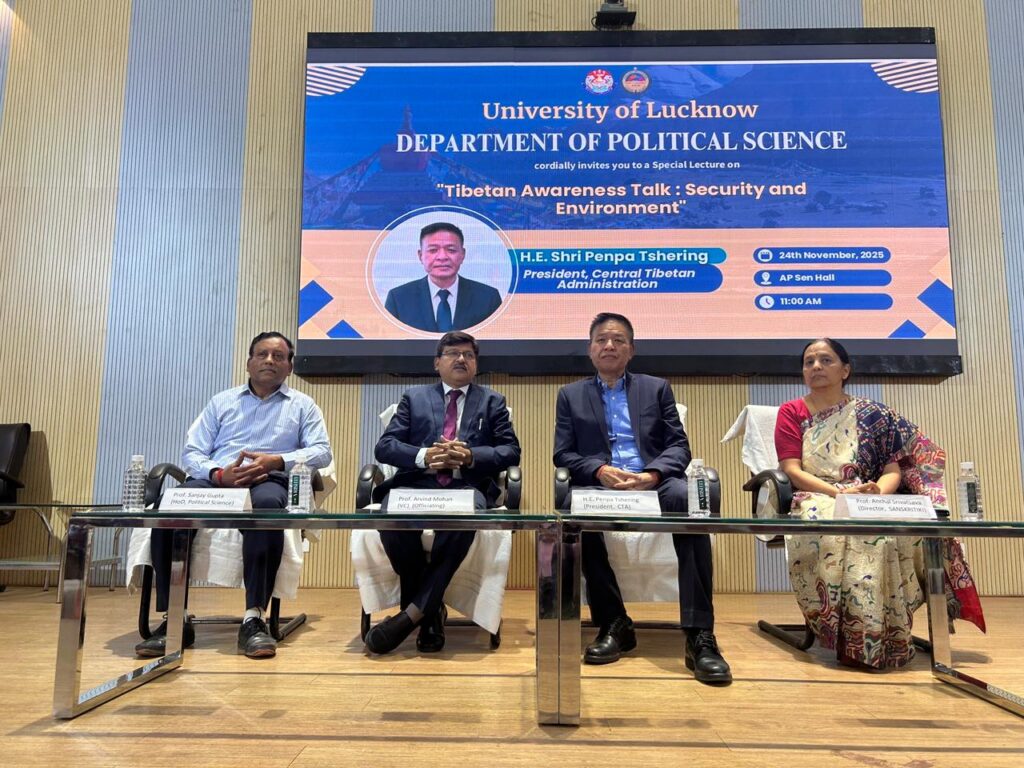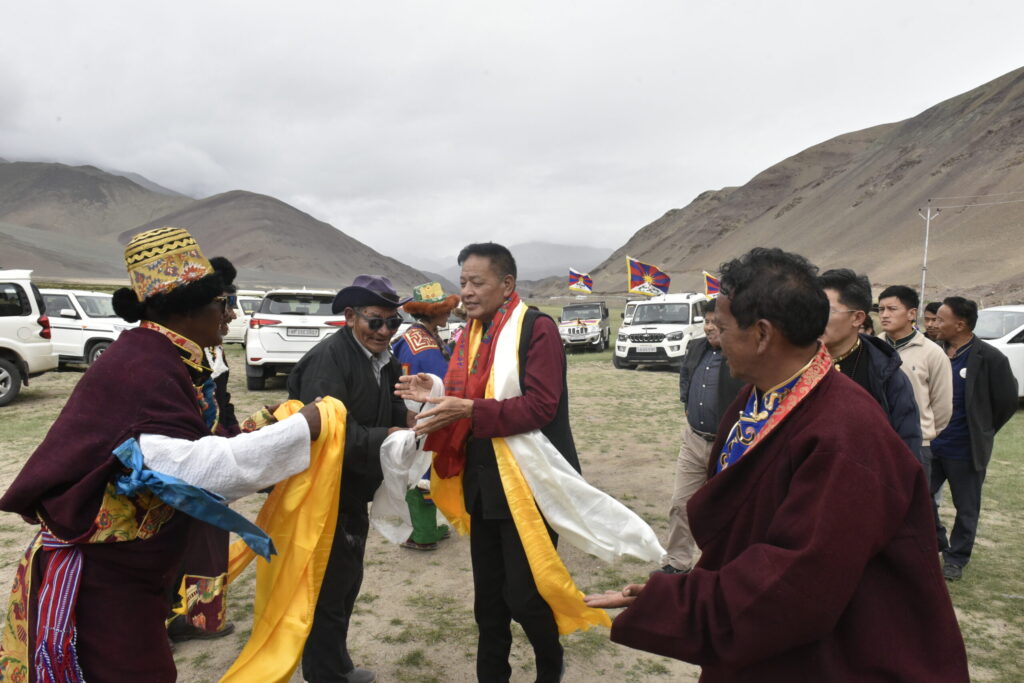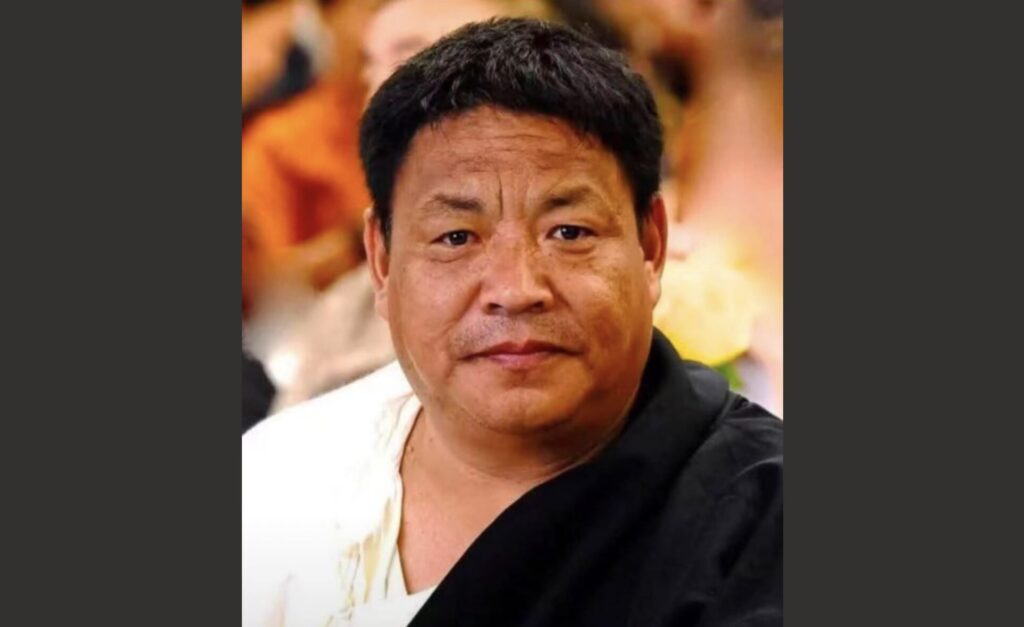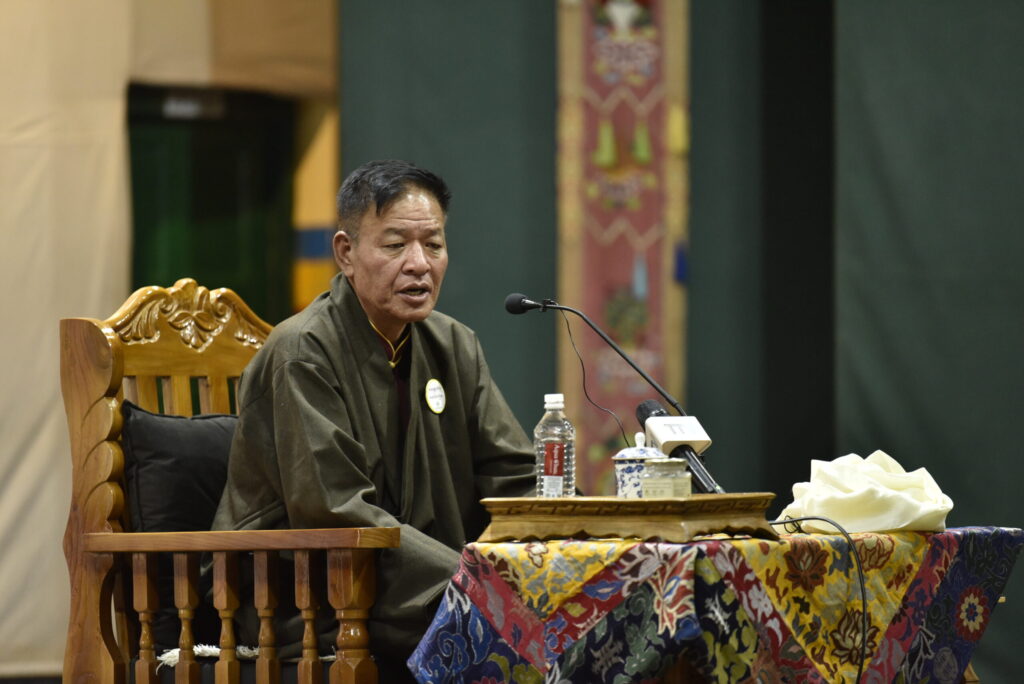

Lucknow, Uttar Pradesh: Sikyong Penpa Tsering visited University of Lucknow on the morning of 24 November 2025 for a talk session on Tibet. The visit was initiated through the efforts of Dr. Sanjay Shukla, Regional Convenor of CGTC and President of Bharat Tibbat Samvad Manch (BTSM), and organised by Professor Sanjay Gupta, Head of the Political Science Department at Lucknow University.
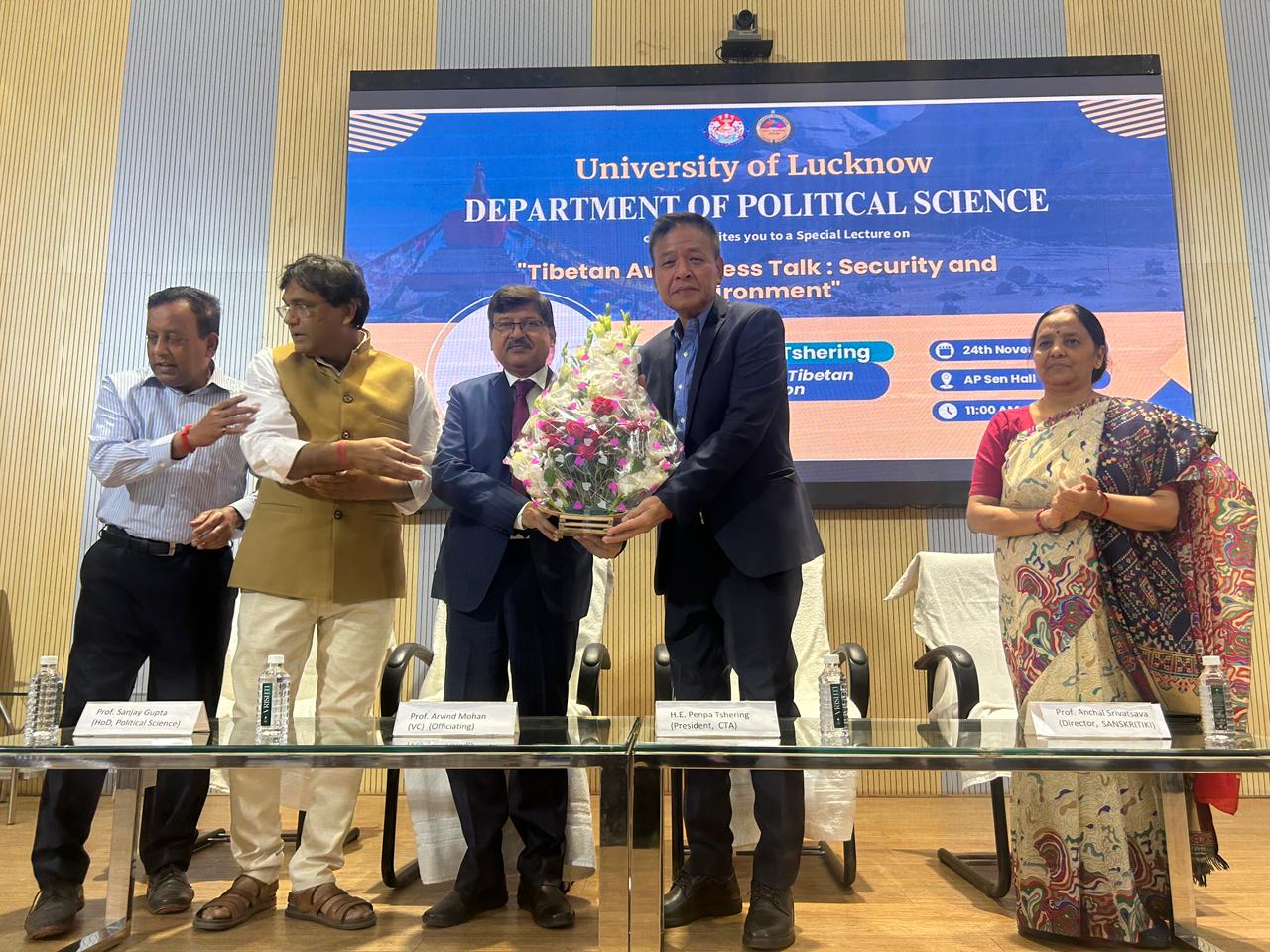
Upon arrival at the university, Sikyong was warmly received by the Officiating Vice-Chancellor Professor Arvind Mohan and Professor Sanjay Gupta. The talk programme was held in the University’s assembly hall in the presence of Professor Anchal Srivastava, Head of the Sanskrit Department, Dr. J. S. Yadav, and more than 200 faculty members and students.
The event commenced with a traditional lamp-lighting ceremony by Sikyong. In their welcome remarks, Professor Sanjay Gupta and Professor Arvind Mohan spoke about the deep religious and cultural ties that have connected India and Tibet for thousands of years, and underlined the importance of creating awareness among Indian youth about the political and historical significance of the Tibet and Tibet cause.
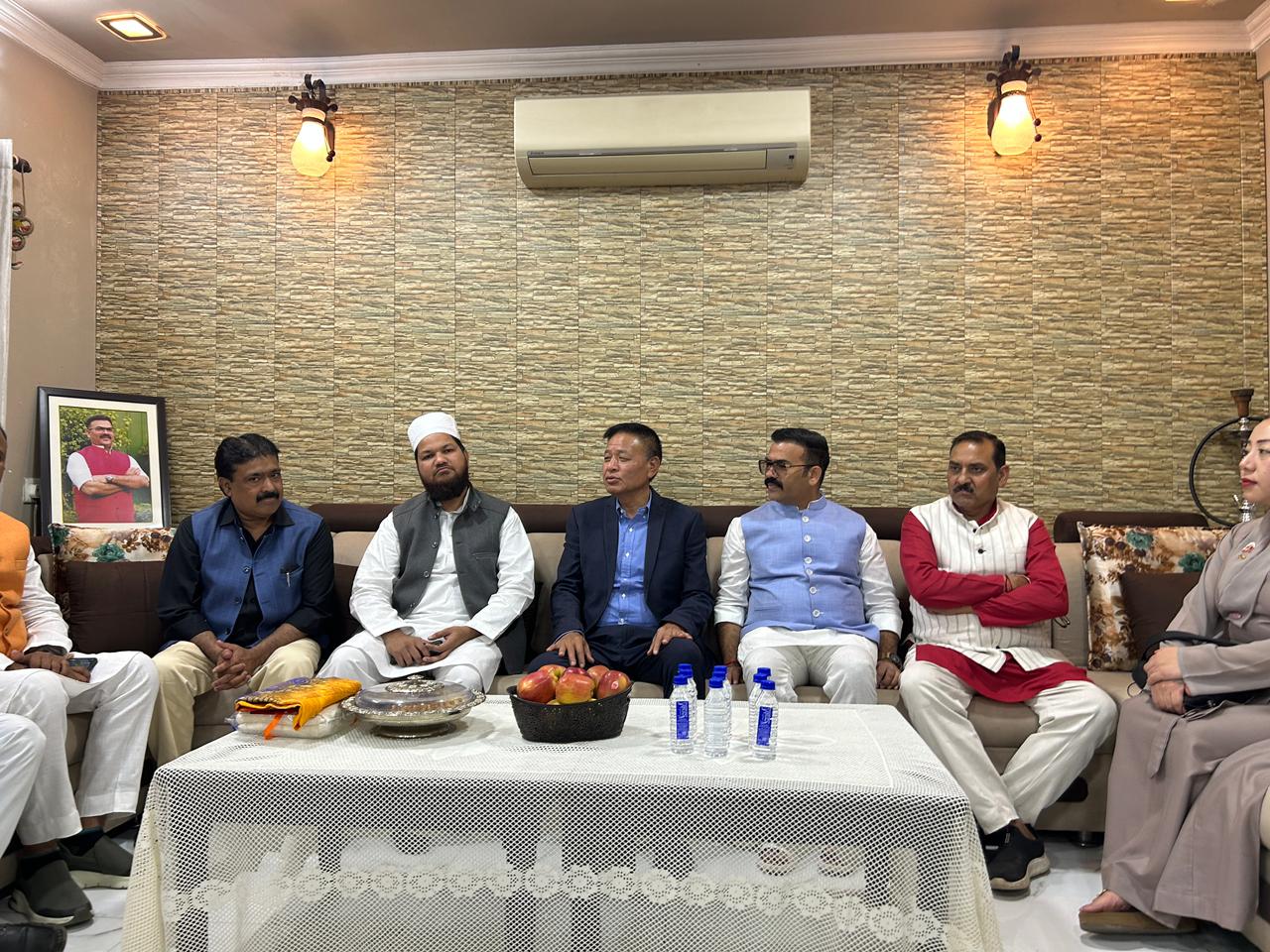
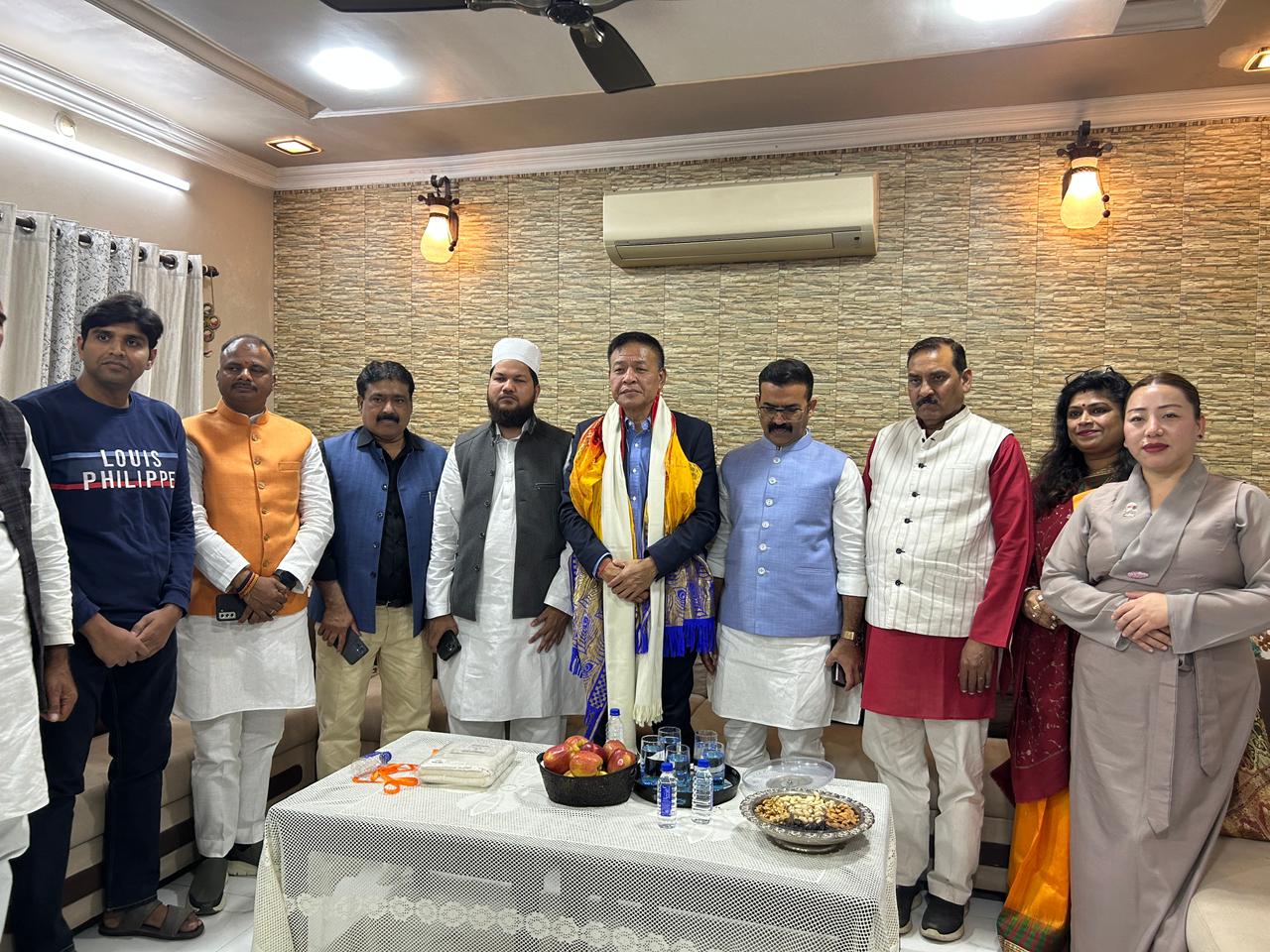
A luncheon in honour of Sikyong’s visit was hosted by Shri Syed Faizi, BJP leader and former member of the Shia Central Waqf Board. During which, Sikyong met with Maulana Sufiyan Nizami; Dr. Aahuti Bajpai Ojha, Chairperson of the Forsee India Foundation; Shri Rajnikant, Strength and Conditioning Trainer for the UP Cricket Association U-16 team in Bodh Gaya; Shri Sayed Shahab Haider, BJP Nagar Mantri of the Alpsankhyak Morcha in Lucknow, among other local leaders and community representatives.
Later in the afternoon, Sikyong gave interviews to Sadbhavna TV and Soochna India News, during which he spoke on the political situation in Tibet, the environmental crisis on the Tibetan plateau, and the importance of urgent need for Tibetans to preserving Tibet’s unique cultural heritage.
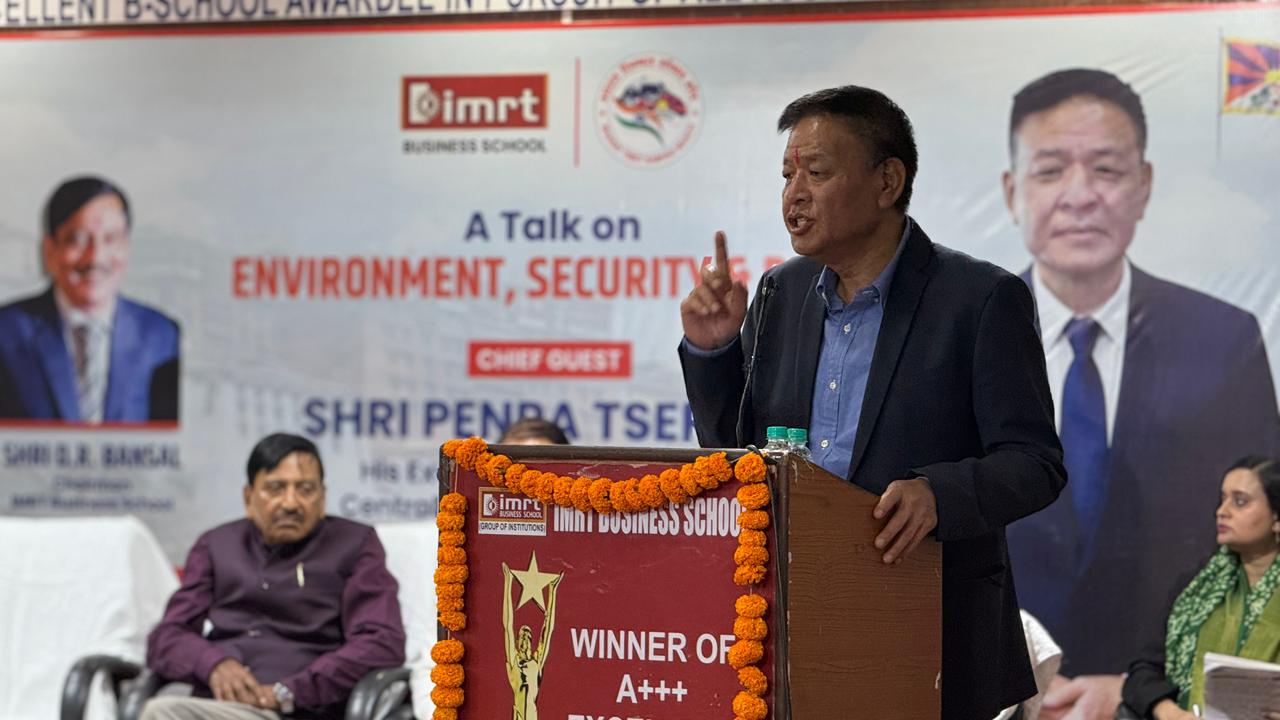
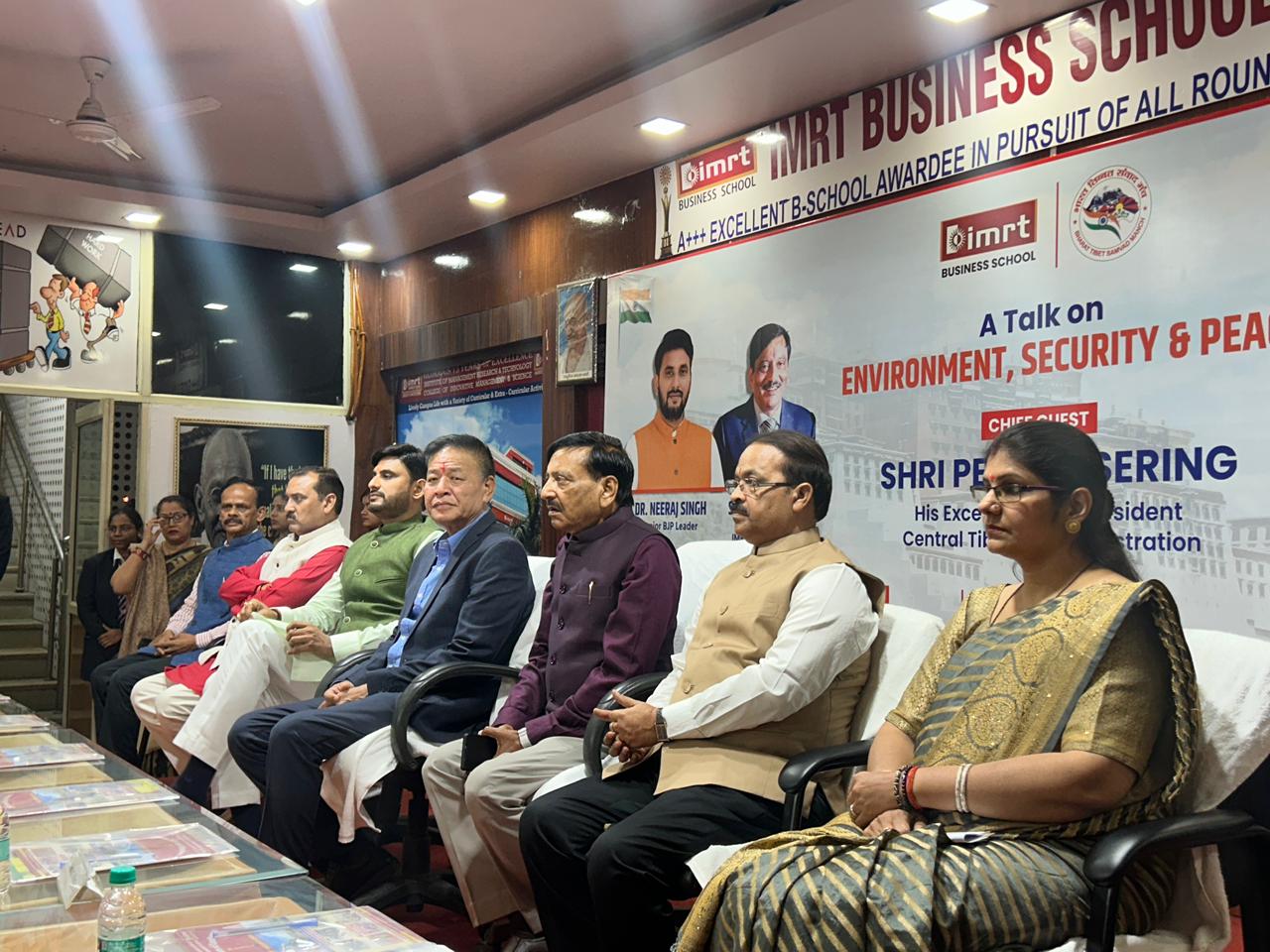
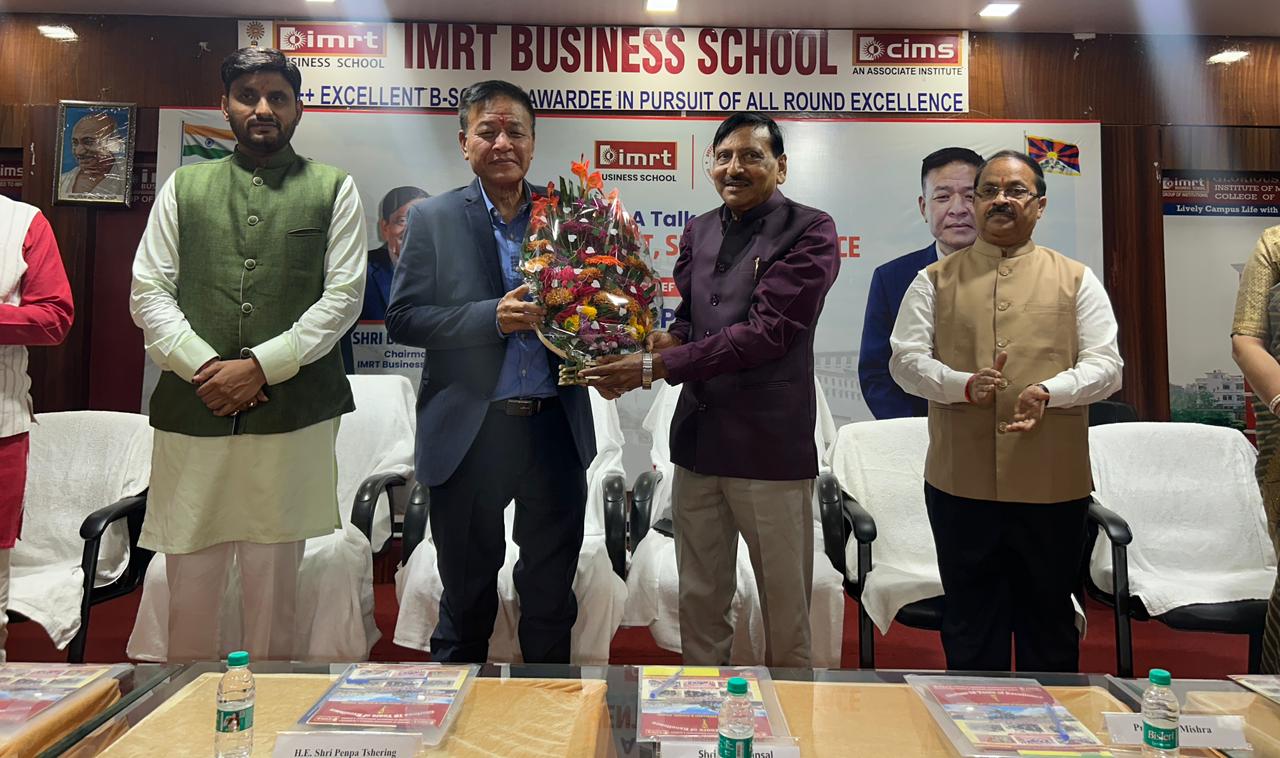
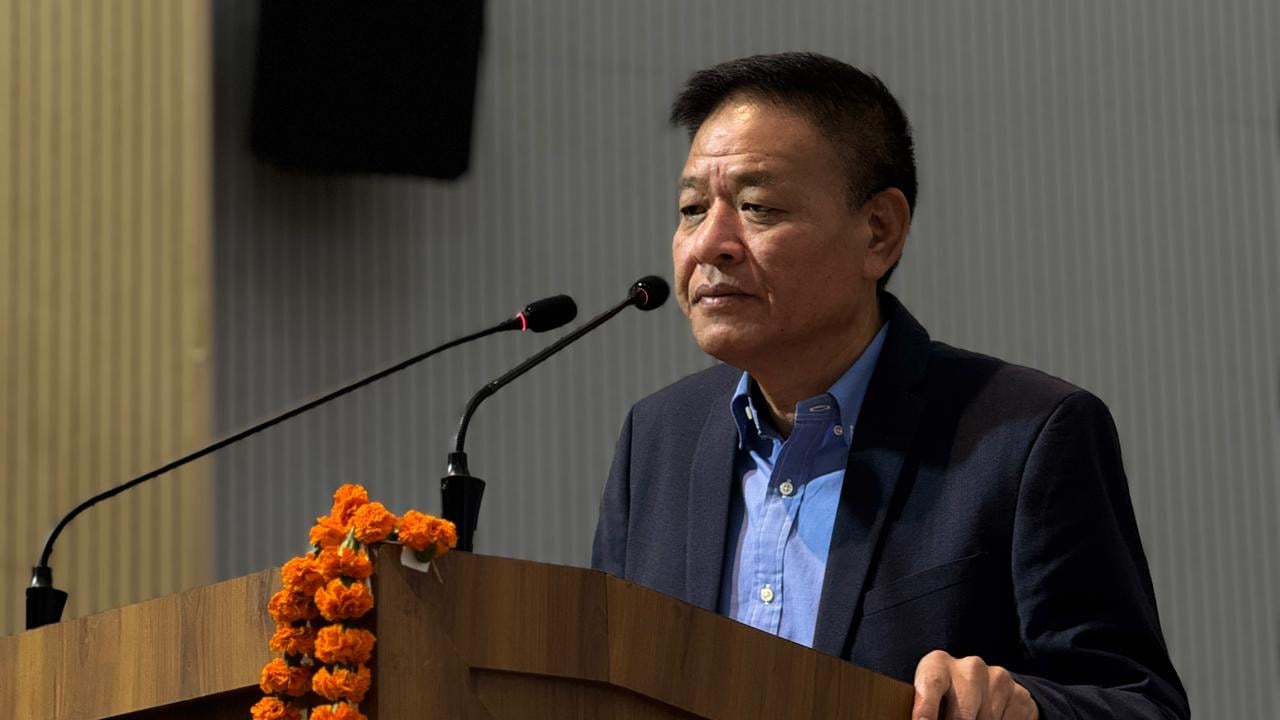
At 5 pm, he proceeded to the IMRT Business School, where he was received by its Chairman Shri Desh Raj Bansal, and addressed a gathering on the theme of environment, security, and peace.
Special guest Dr. Neeraj Singh, senior BJP leader, along with Chairmanr Bansal, Director Shilpika Pandey, Shri Pushkar Shukla (General Secretary of BJP Lucknow), Professor B. N. Mishra of Lucknow University, department head Yashasvi Bhargava, and over 50 faculty and students attended the programme.
The event began with a performance of Indian cultural songs, followed by a welcome address from Senior Academician Dr. M. K. Jha. In his remarks, Dr. Neeraj Singh spoke about the brotherly relationship between India and Tibet and reaffirmed his commitment to supporting the just cause of Tibet.
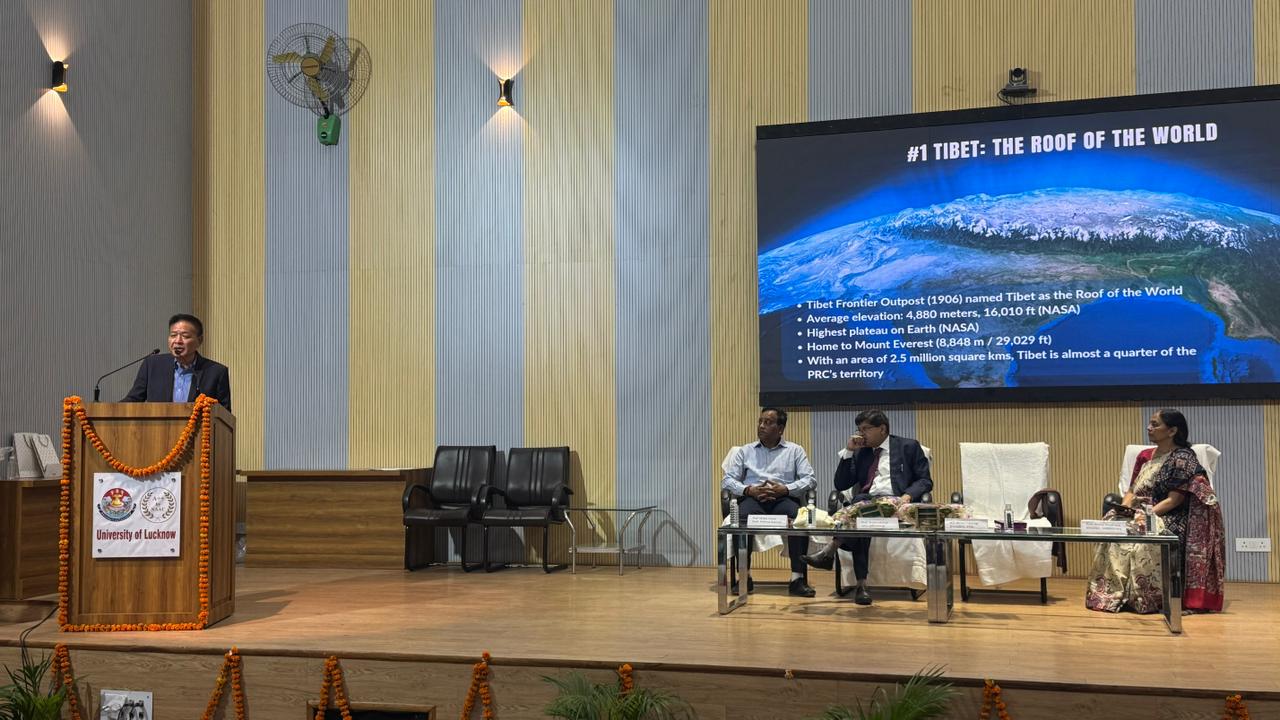
Thereafter, Sikyong delivered his address, focusing on the geopolitical significance of Tibet, its environmental importance, and its role in ensuring long-term peace and stability in the region. The programme concluded with a vote of thanks by Director Shilpika Pandey.
In his addresses at both institutions, Sikyong underlined that a clear understanding of the Tibet cause begins with an accurate understanding of Tibet’s historical evolution as a nation. He offered an overview of Tibet’s history from the imperial period, when Tibet exercised power across Central Asia, to the subsequent period of fragmentation, during which Tibet maintained stable borders despite the absence of a single central authority. He further explained that during the Ganden Phodrang era, Tibet’s relations with China and Mongolia were based on the patron–priest (chos-yon) relationship and did not constitute political subordination. Referencing the 1914 Simla Agreement, in which Tibet participated as an independent nation alongside British India, Sikyong stressed that the PRC’s claims regarding Tibet’s so-called “since time immemorial” integration into China are distortions of history and contrary to international law.
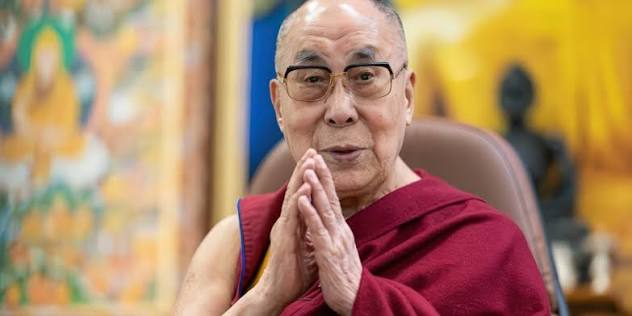
Reflecting on 20th-century developments, Sikyong recounted how the PLA’s invasion of Chamdo in 1949 forced Tibet into crisis, and how His Holiness the 14th Dalai Lama—then at 15 years of age—assumed both spiritual and temporal leadership on 17 November 1950, a moment whose 75th anniversary was recently observed. He noted that although His Holiness has now turned 90 according to the Western calendar, Tibetans continue to draw strength from His Holiness’ message to “not lose courage”, and remain committed to pursuing a peaceful resolution of the Sino-Tibetan conflict through dialogue and international engagement.
Referring to Tibet’s cultural and religious heritage, Sikyong emphasised that the profound values of compassion and non-violence, inherited from India’s ancient Nalanda tradition, are indispensable in today’s world. Preserving Tibet’s culture and Buddhist heritage, he said, contributes directly to fostering greater peace and understanding globally. At the same time, he expressed deep concern about the PRC’s escalating restrictions on religious freedom, Tibetan language rights, and environmental protections. He also spoke about Beijing’s political manipulation in the process of recognising the reincarnation of His Holiness the Dalai Lama, and welcomed the recent joint statement issued by seven major countries, affirming that the right to recognise His Holiness’ reincarnation lies solely with Tibetans.
In conclusion, Sikyong expressed profound gratitude to the Government and people of India for their unwavering support for the Tibet cause and appealed for the continuation of this longstanding solidarity.
The day’s engagements were coordinated by Shri Sanjay Shukla, assisted by Tashi Dekyi, Coordinator of the India-Tibet Coordination Office, and Shri Rohit Bharti, BJP MLA candidate from Sidhauli.