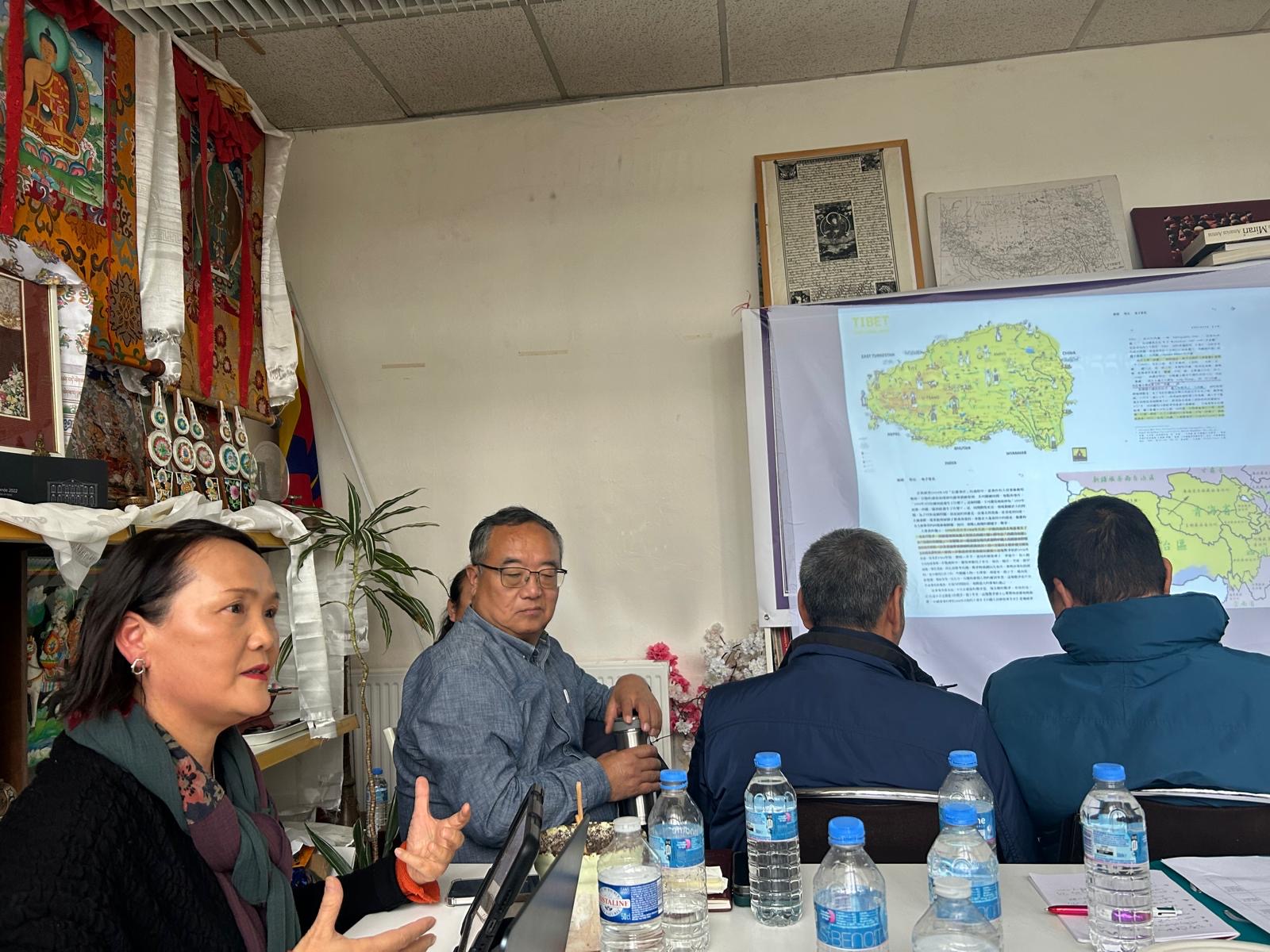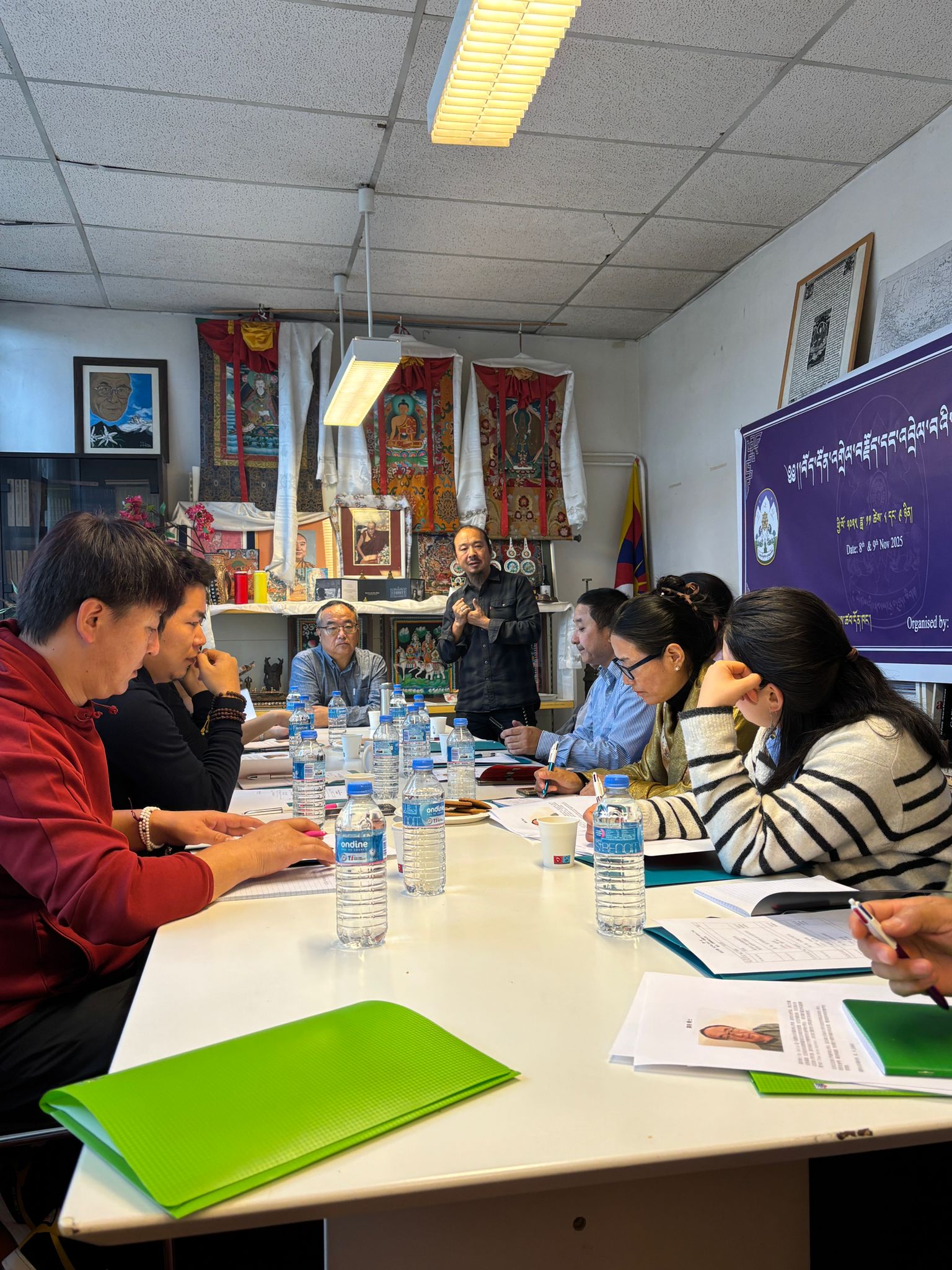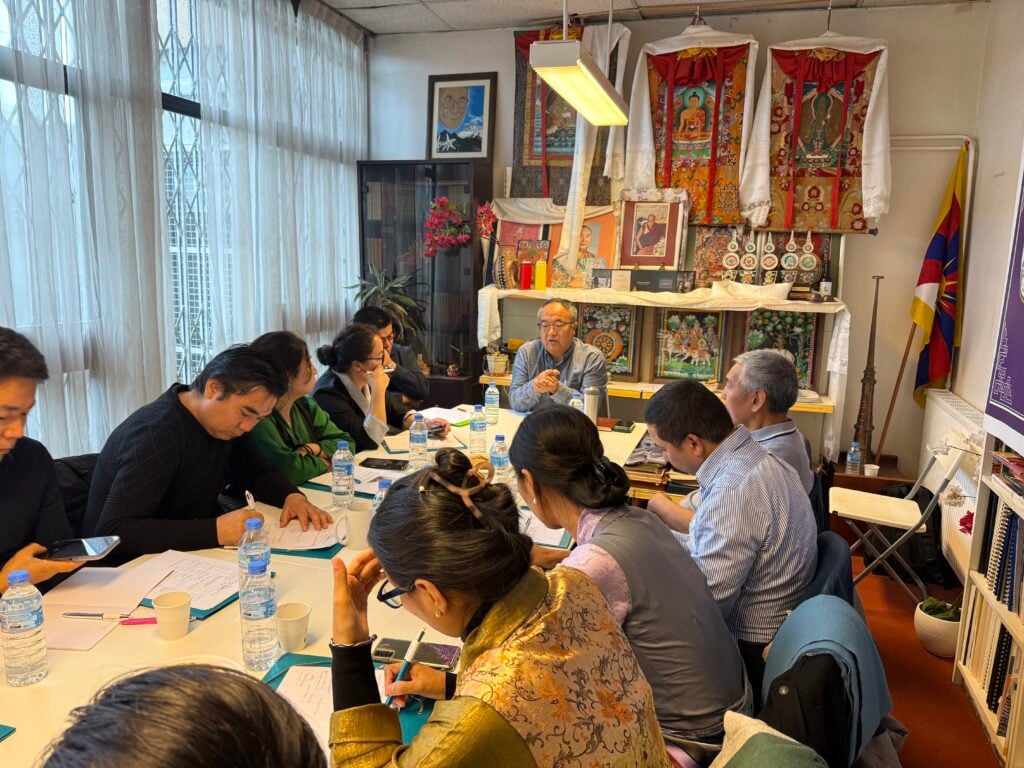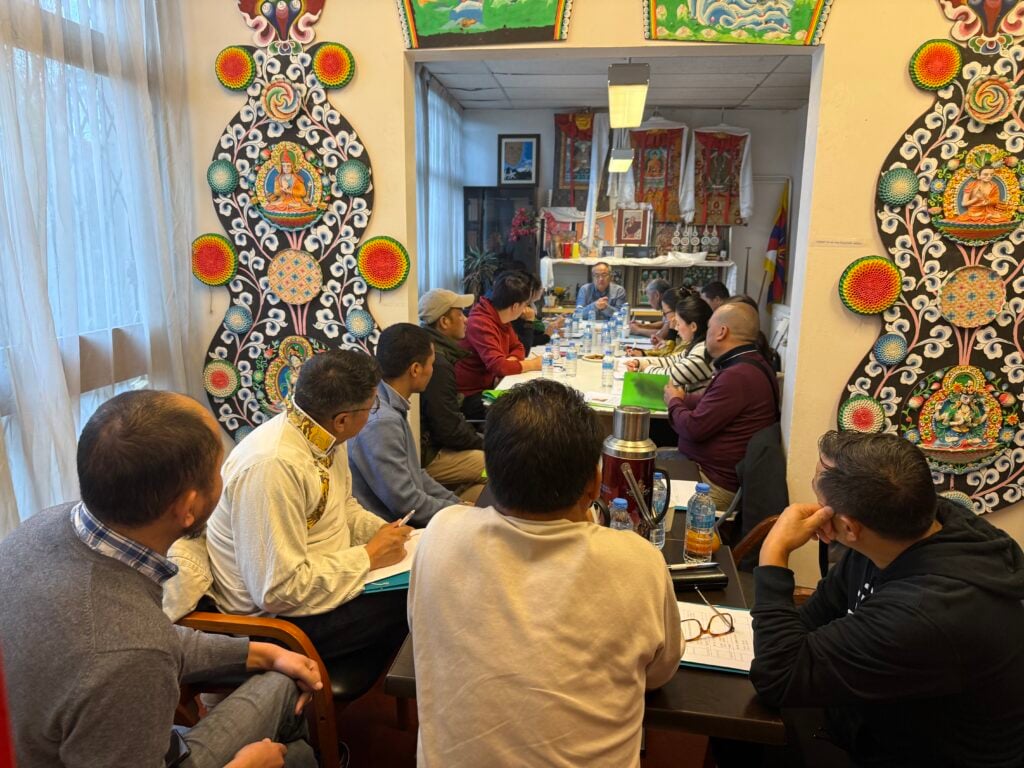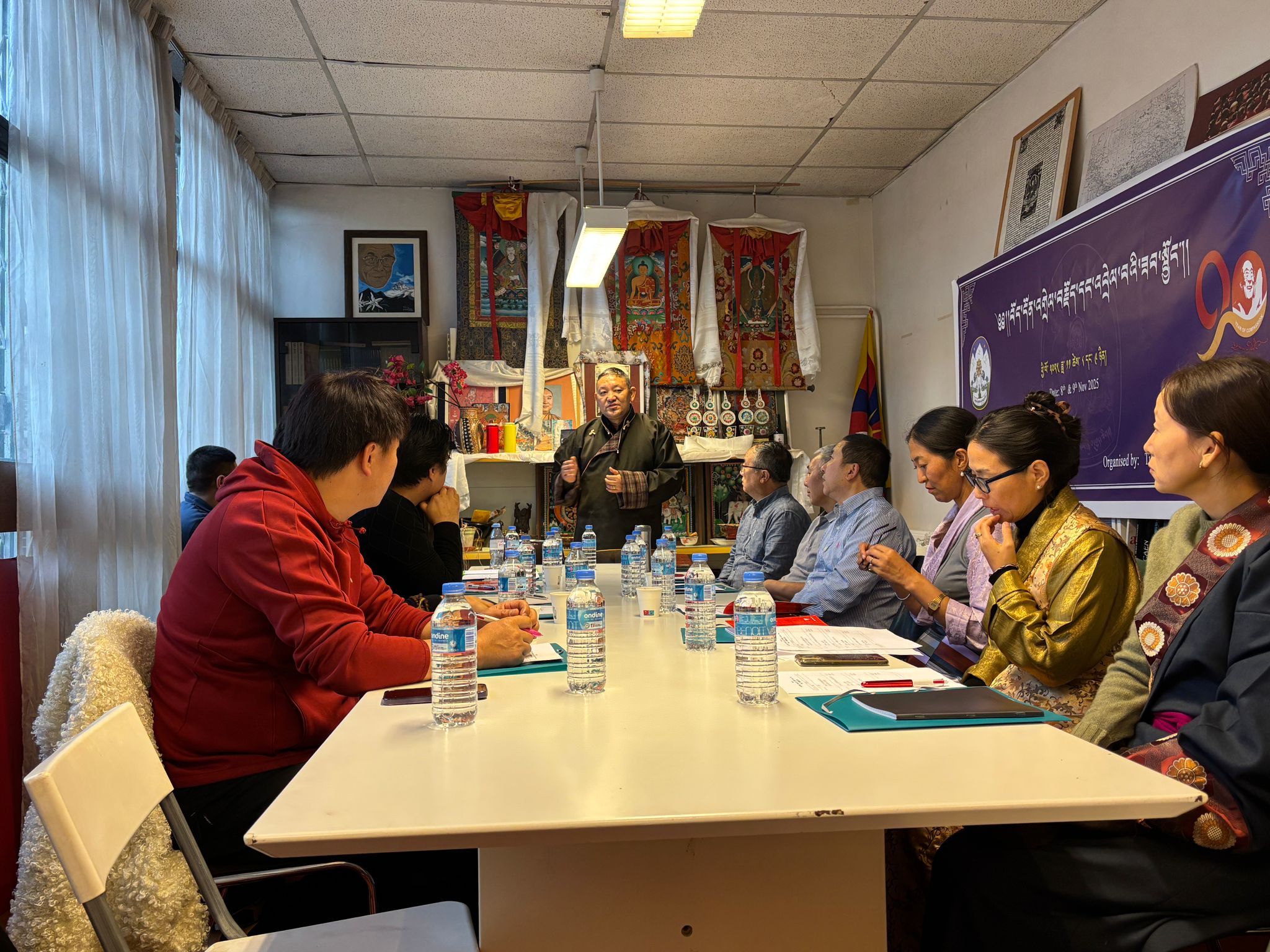
Geneva: A two-day Tibet advocacy training aimed at enhancing understanding of the Tibetan cause was held on 8 and 9 November 2025. The programme was organised by the Chinese Liaison Officer for European Countries from the Tibet Bureau in Geneva for Tibetan residents across Europe who speak the Chinese language.
A total of 26 participants from Switzerland, Belgium, and France took part in the training. Three scholars and the Chinese Liaison Officer for European Countries conducted sessions covering five key topics.
Coordinator Thupten Tsering delivered the opening remarks, highlighting the importance of empowering Chinese-speaking Tibetans with knowledge and communication skills to effectively advocate for Tibet. He emphasised that the Central Tibetan Administration (CTA) attached great importance to such initiatives and expressed hope that the participants would gain valuable knowledge and skills to further strengthen their efforts in advocating for the Tibetan cause in the future.
Additionally, Coordinator Thupten Tsering spoke about the Central Tibetan Administration’s policies and the importance of engaging in meaningful dialogue with the Chinese people while underscoring countering China’s disinformation and distorted narratives at the international level.
Following his address, the Chinese Liaison Officer Sangay Kyab welcomed all the participants and presented an overview of the training programme.
Dr Gyal Lo, who was specially invited for the training, gave a talk on the topic “Responsibilities of Tibetans in Exile” and engaged in discussion and dialogue with the training participants through Q&A.
In the second session, Chinese Liaison Officer Sangay Kyab introduced the CTA’s three democratic pillars, three autonomous bodies, and the seven departments.
In the third session, Chinese writer, poet, and Tibet supporter, Tang Danhong, provided training on the topic of correct usage of Terminology. This mainly covered the need to be careful when using terminology when describing Tibet cause in the Chinese language. It emphasised that if terminology is not used carefully, there is a risk of eroding the identity and political sovereignty. As well as how the Chinese government and people are fabricating and misinterpreting terms related to Tibet and the Tibet cause, and how to counter these issues.
On 9 November, in the first session, human rights expert and Chinese human rights defender Luo provided training on proper usage of Chinese social media. First, he introduced the power of social media and China’s situation, and engaged in Q&A and discussion with the participants.
Following this, the Chinese Liaison Officer provided apprised the gathering about Tibet’s history, how the historical facts are being distorted by the PRC, and the factual status of Tibet in the past. The final session discussed ‘future vision’, intending to discuss the future work and others.
The current training is organised in accordance with the Central Tibetan Administration, which calls for providing training to Tibetans who know Chinese, and it has been organised as per the guidelines.
-Report filed by Tibet Bureau, Geneva