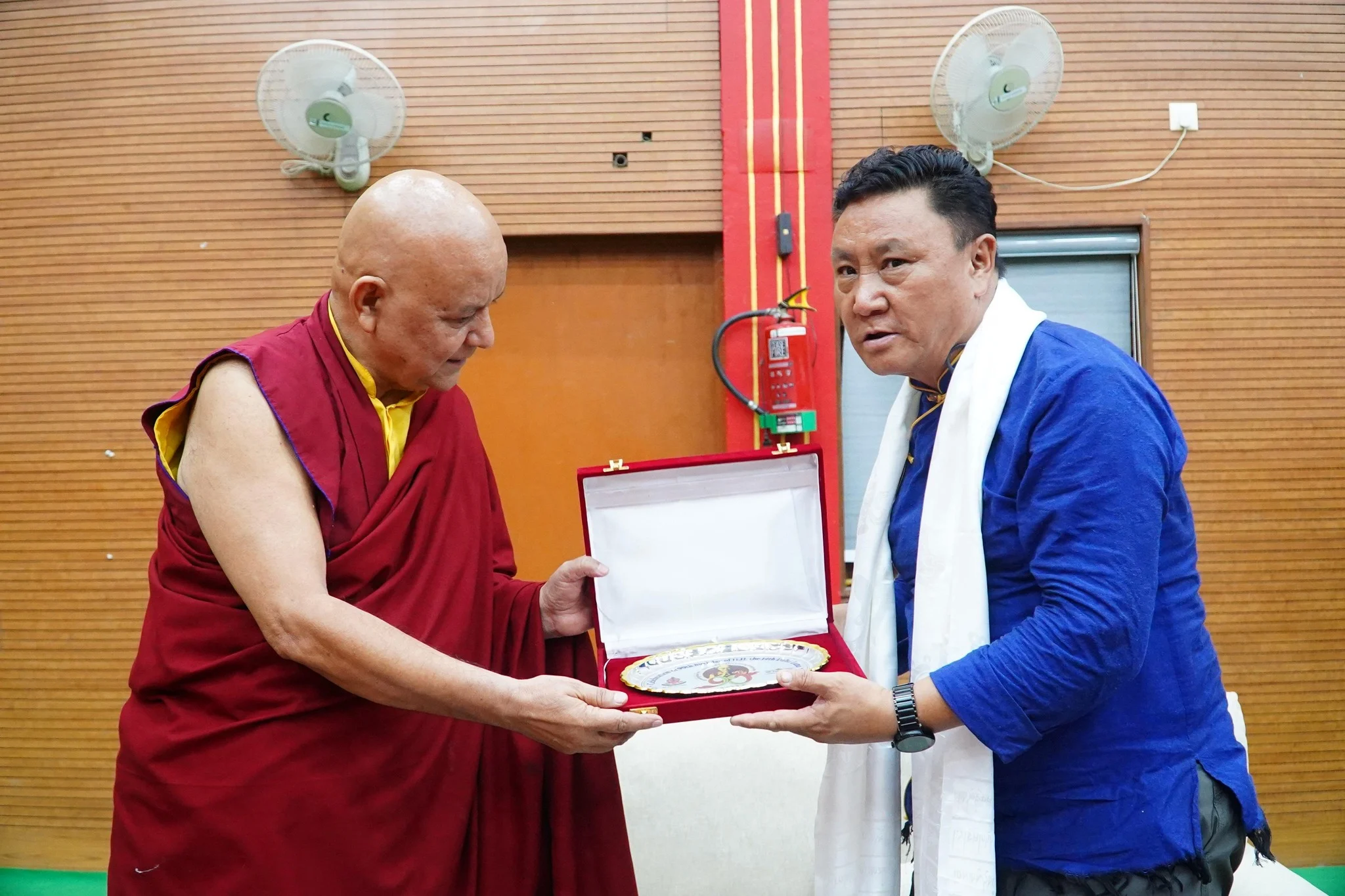
Varanasi: On 7 August 2025 at 12:30 PM, Sikyong Penpa Tsering arrived at the Central Institute of Higher Tibetan Studies (CIHTS) in Varanasi. Sikyong was warmly welcomed by Vice-Chancellor Professor Dr. Wangchuk Dorjee Negi, Registrar Dr. Sunita Chandra, along with heads of academic departments, section heads, faculty members, and students of the Institute.
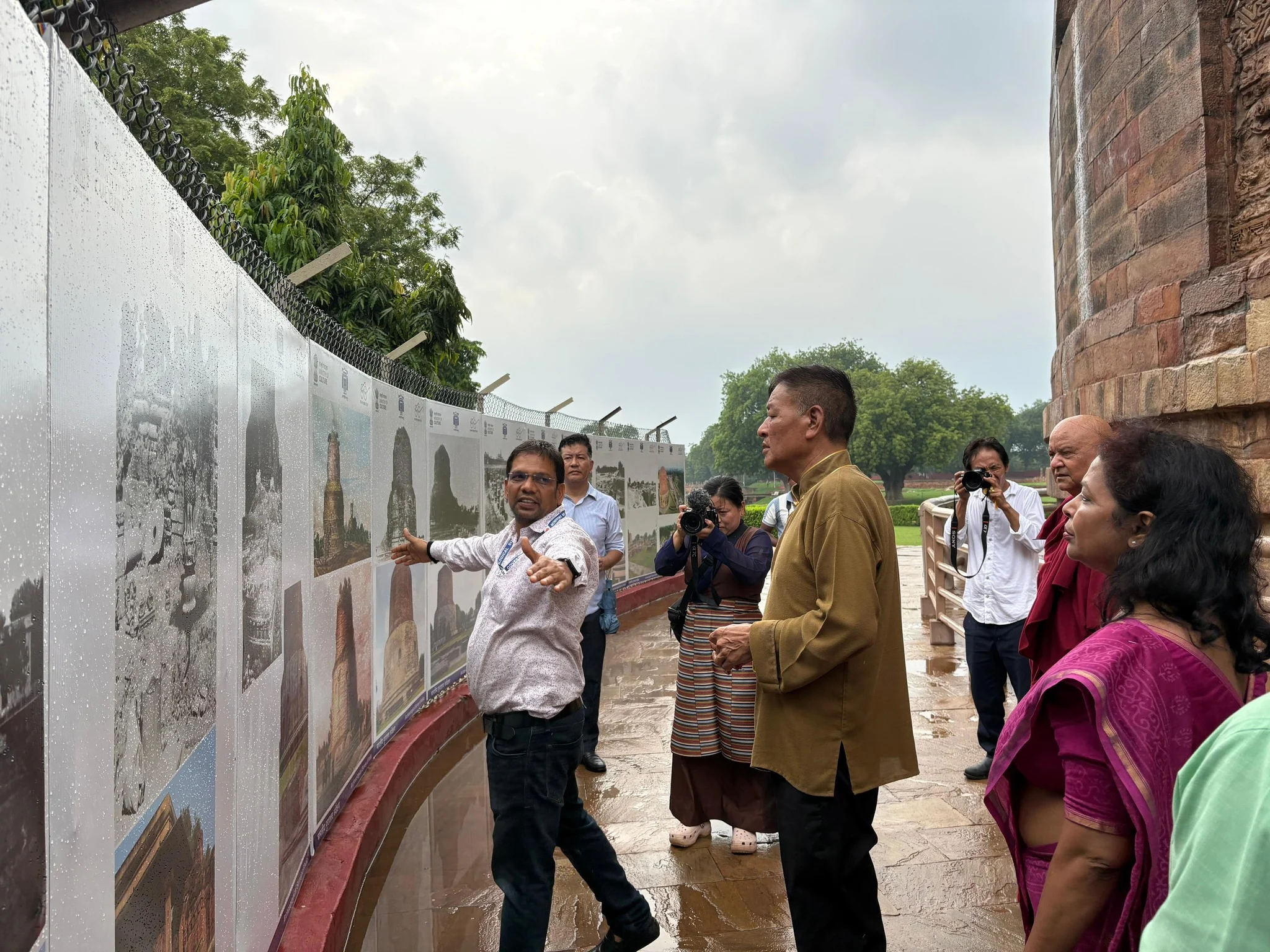
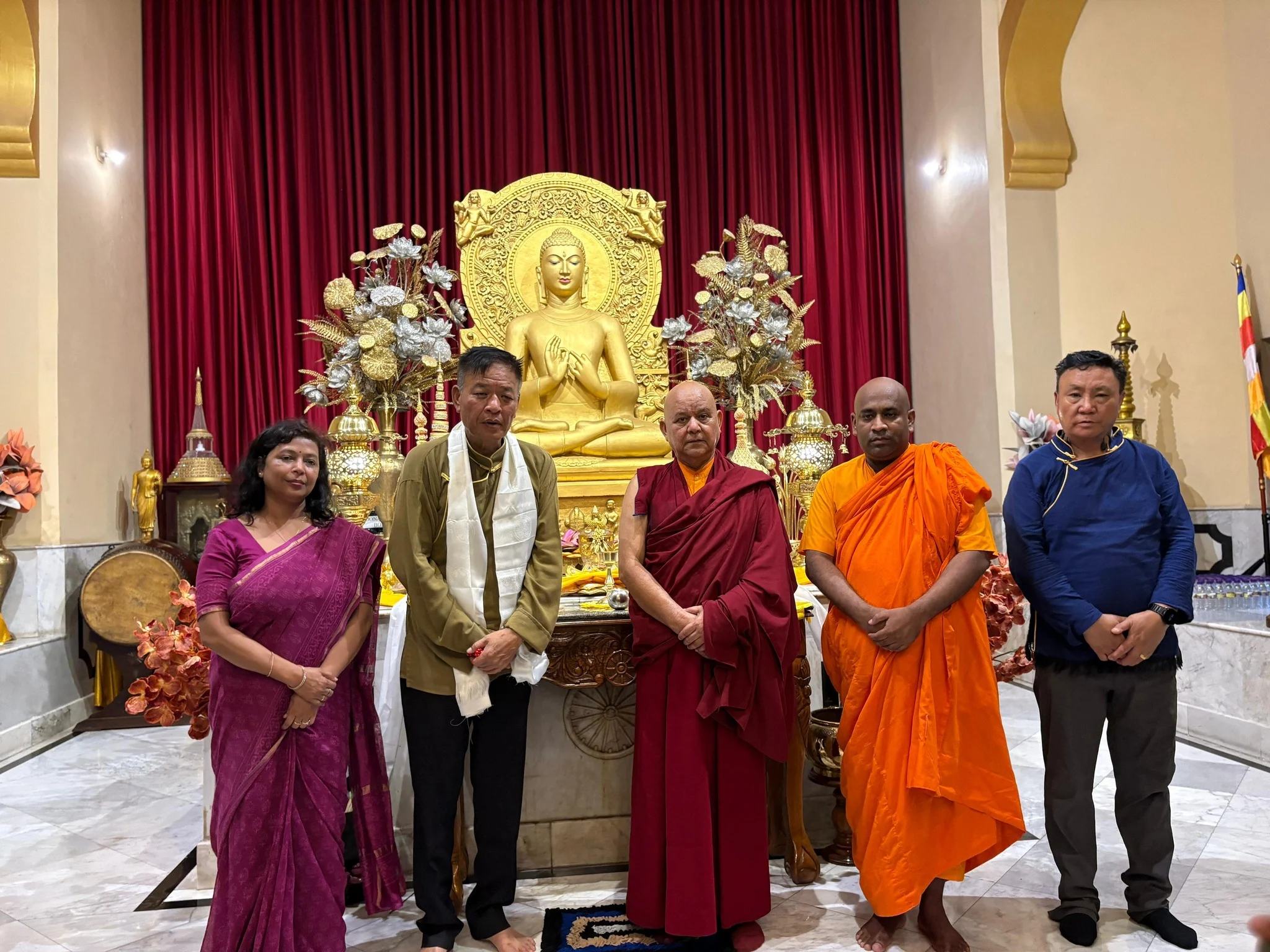
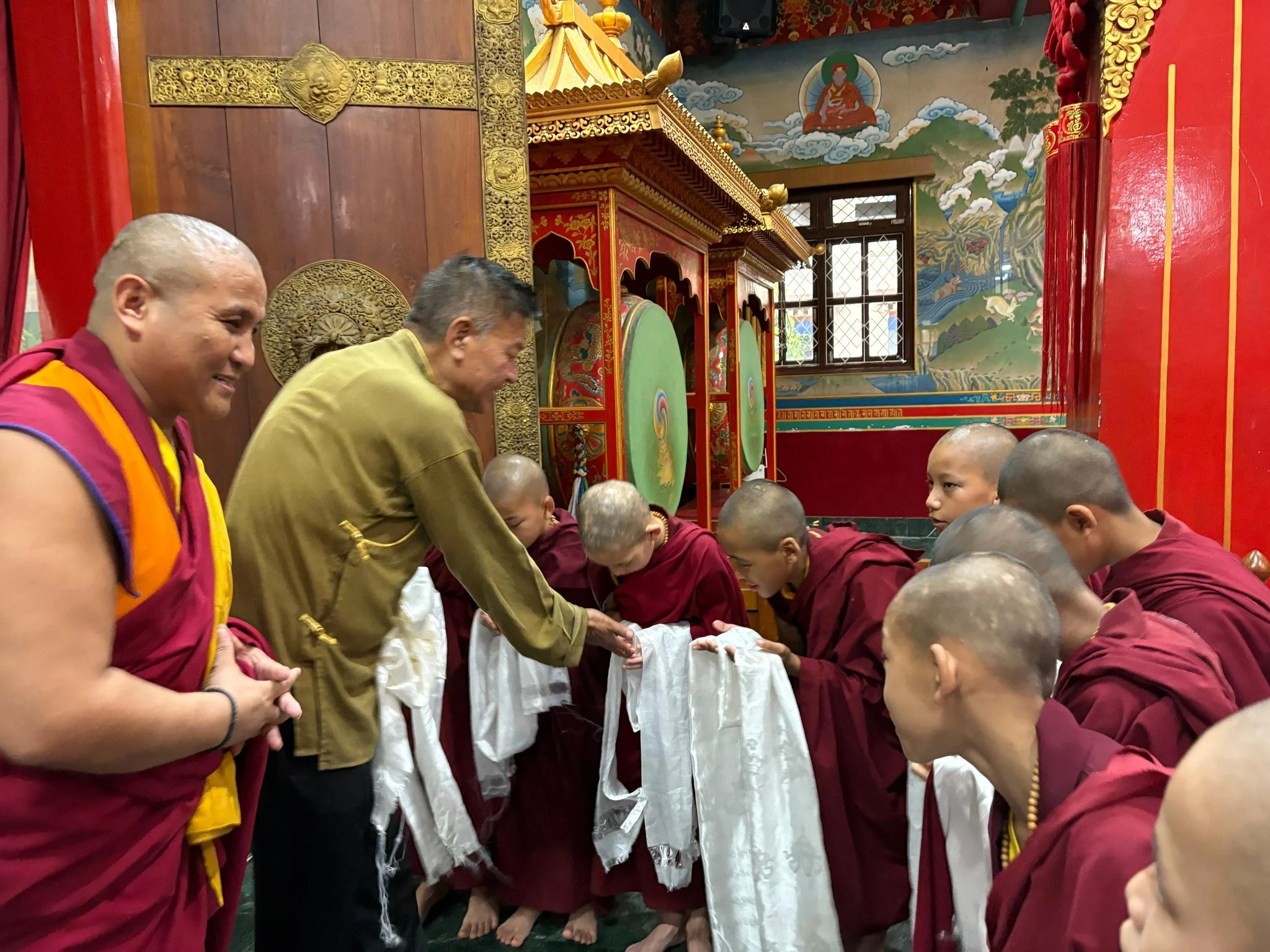
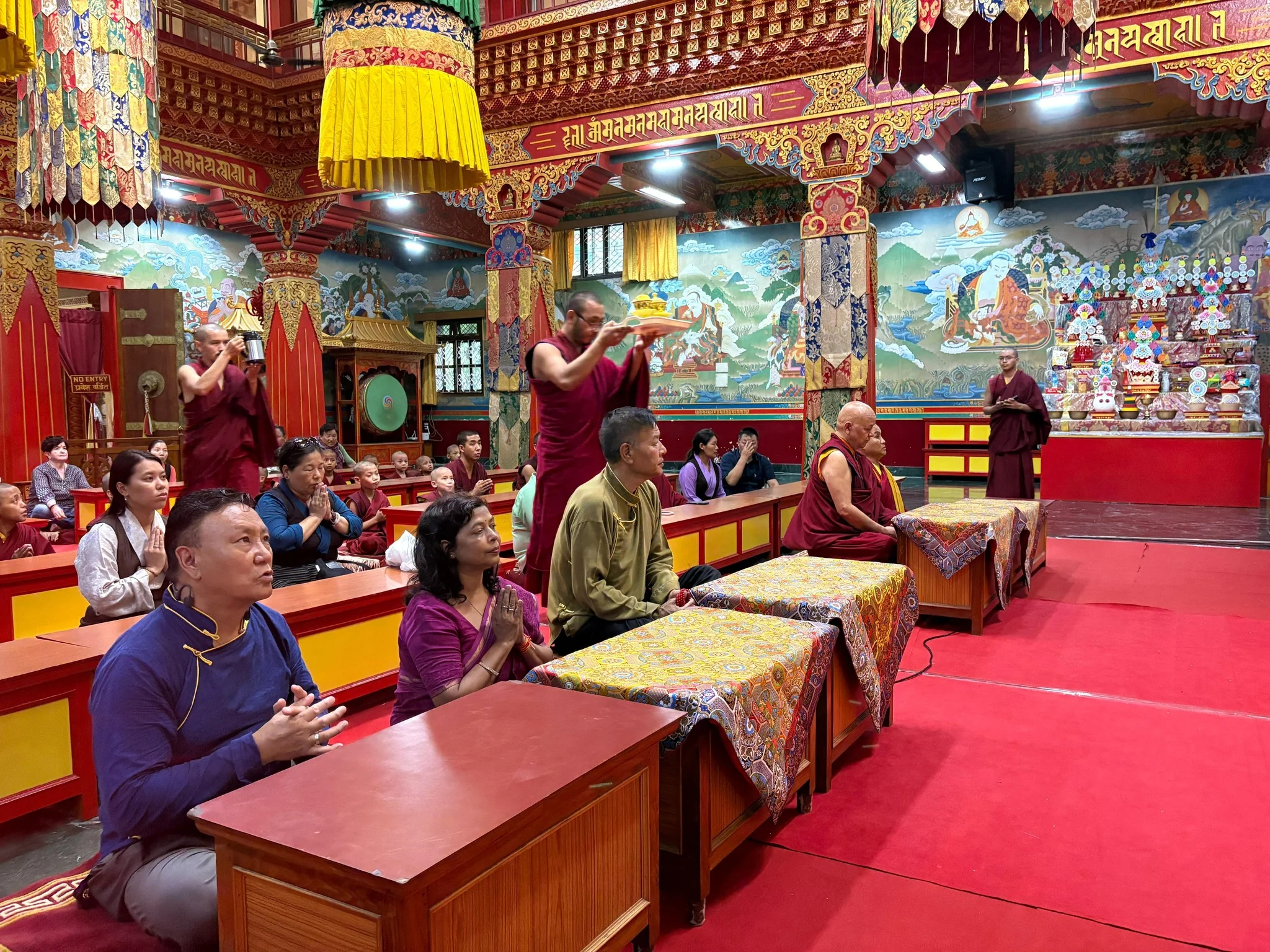
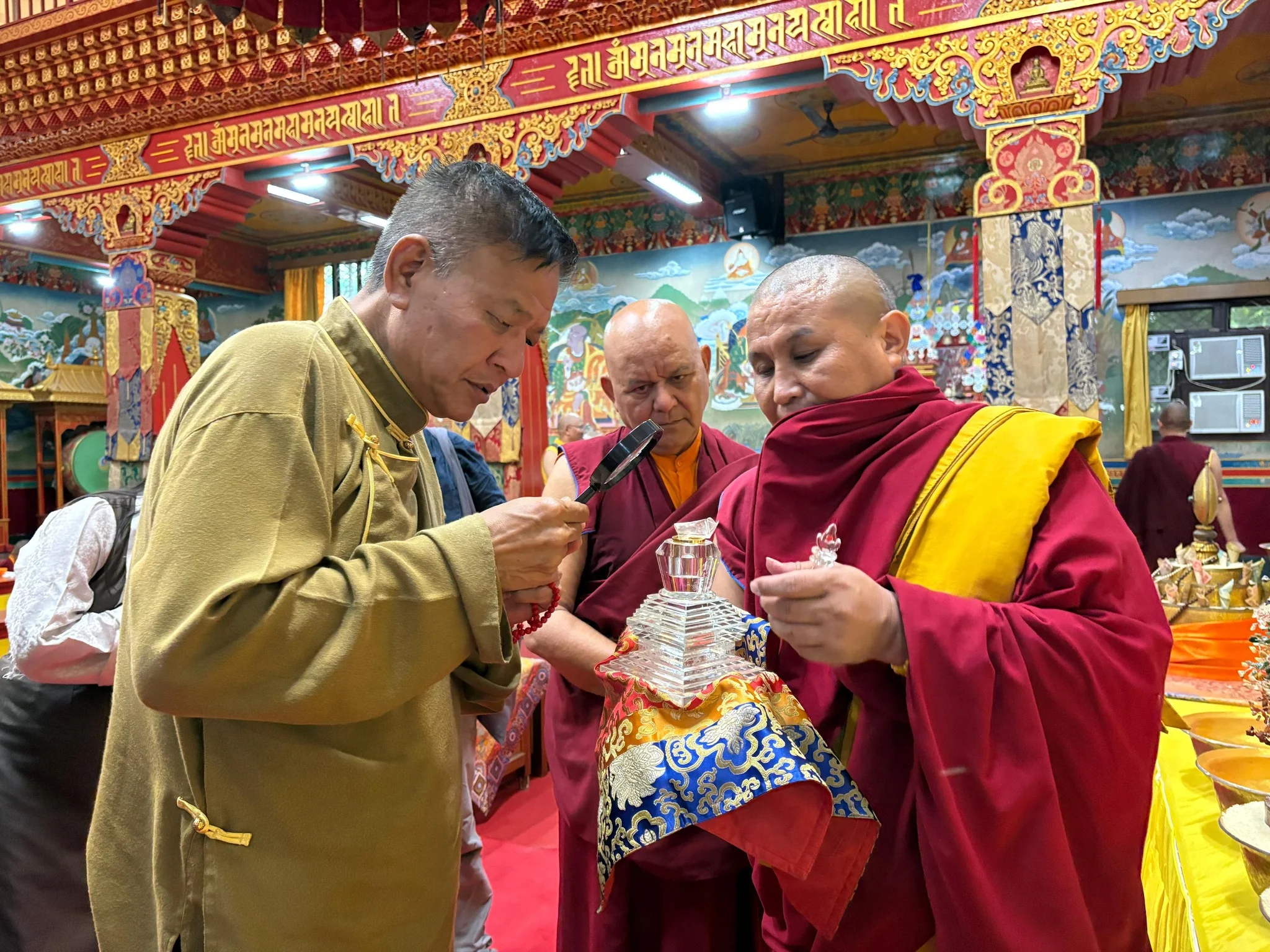
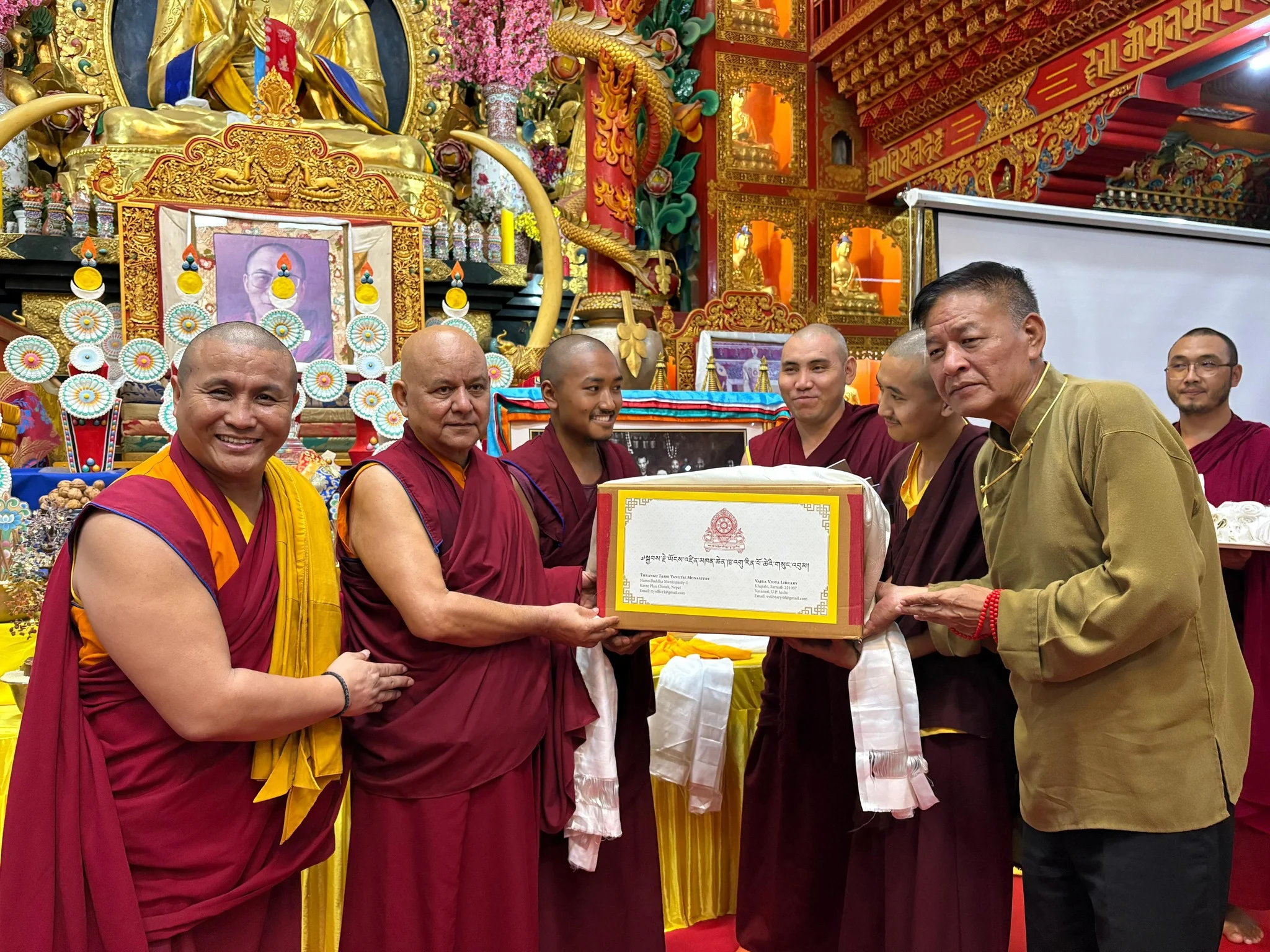
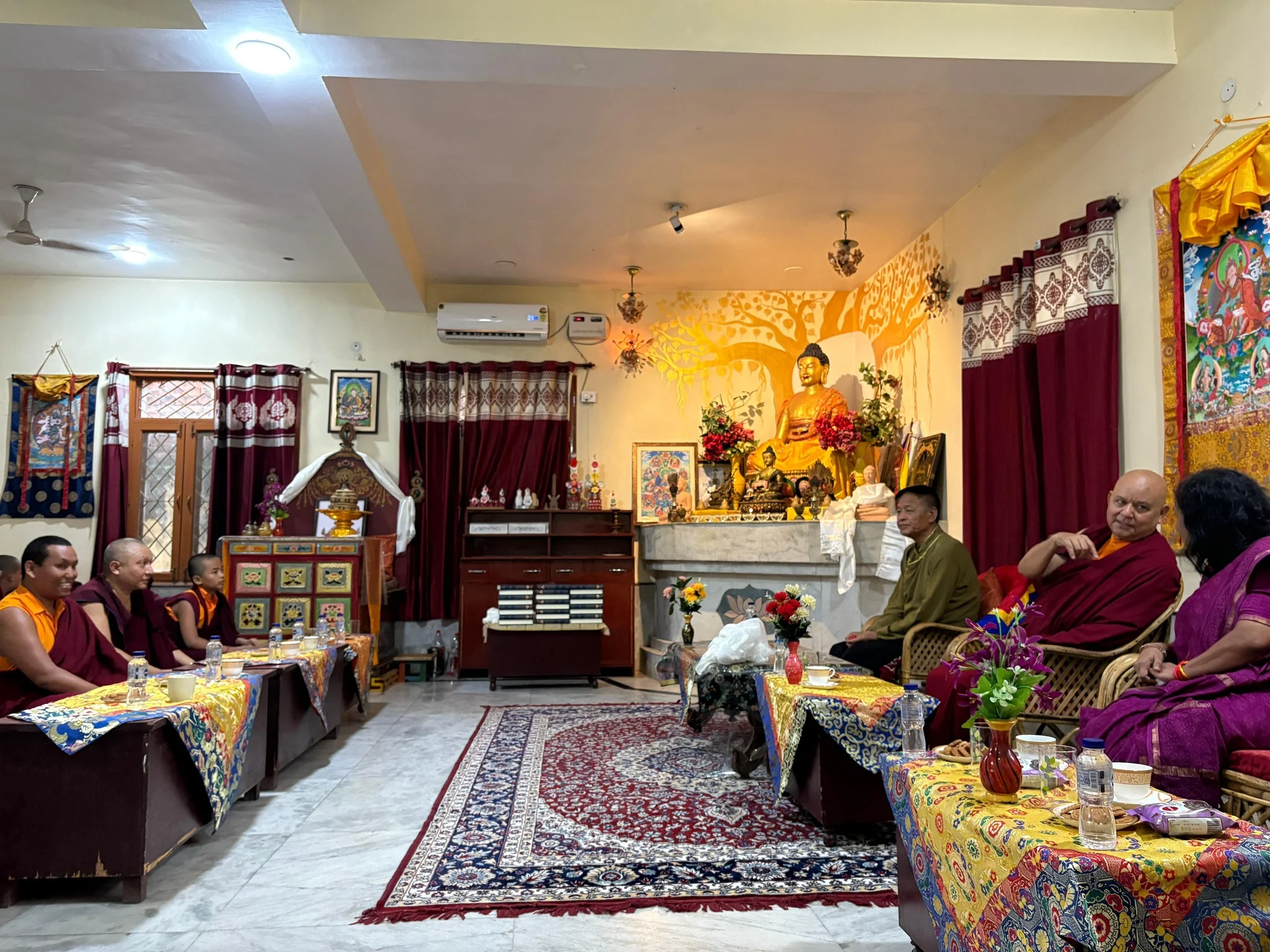
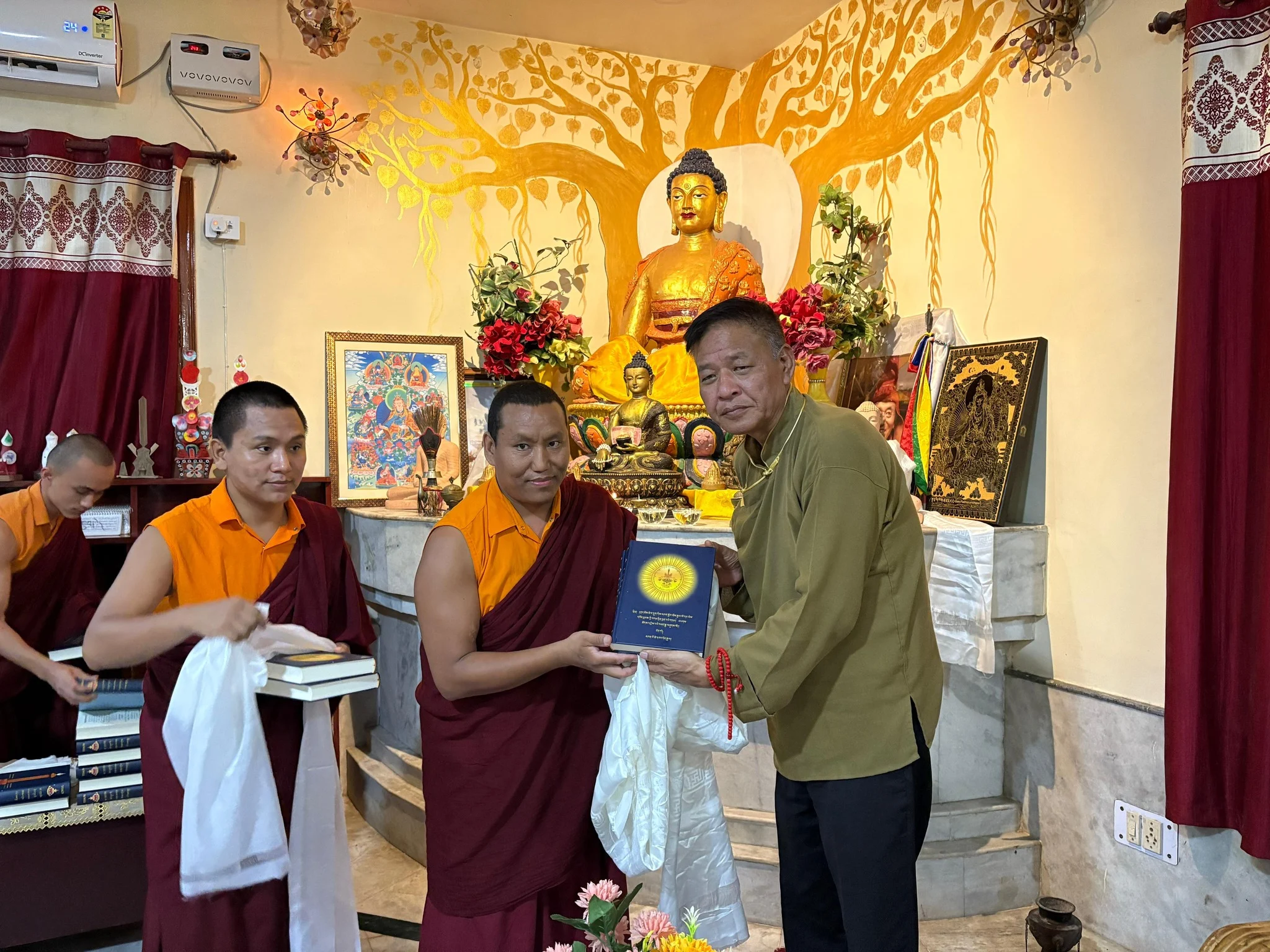
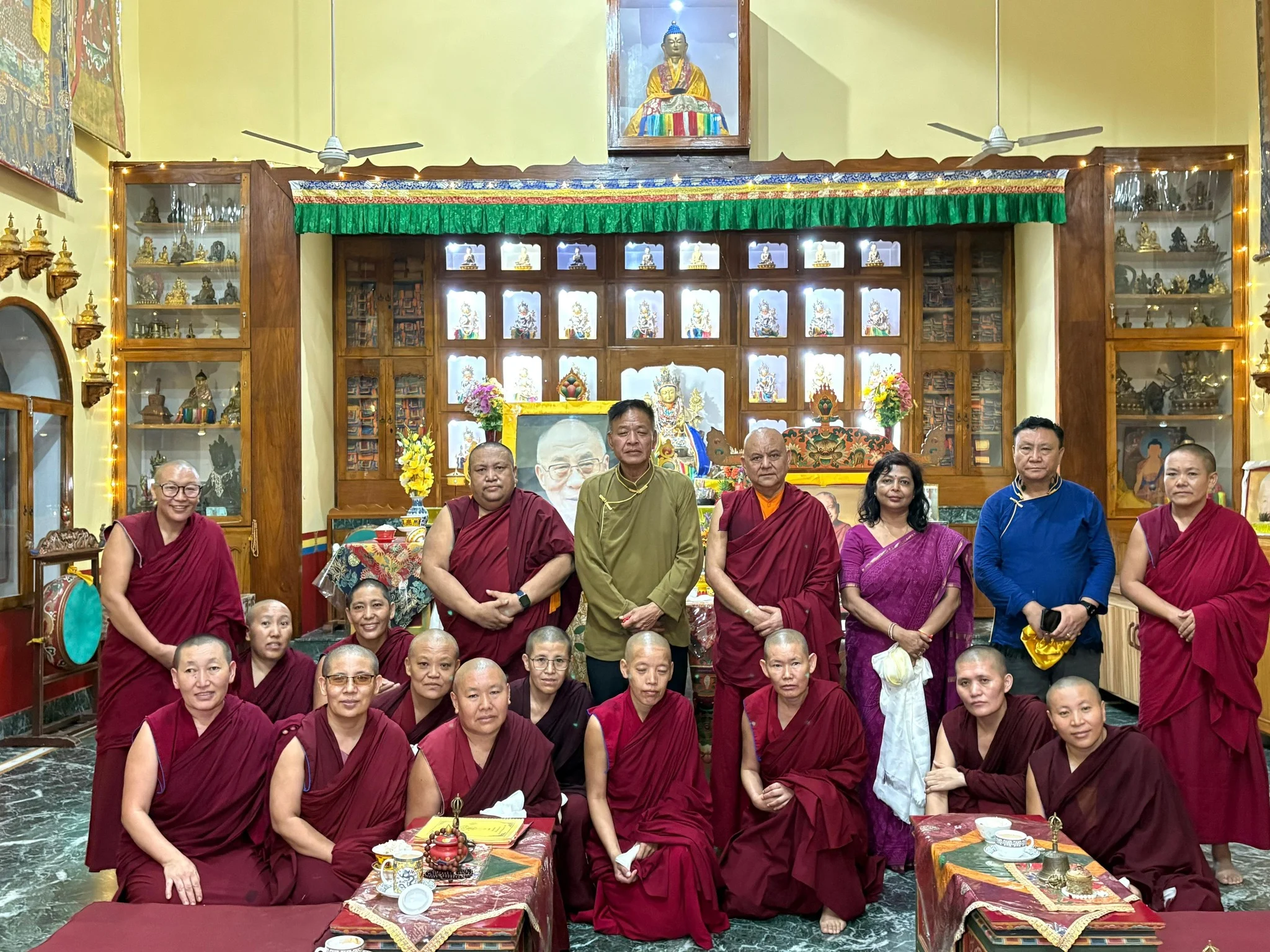
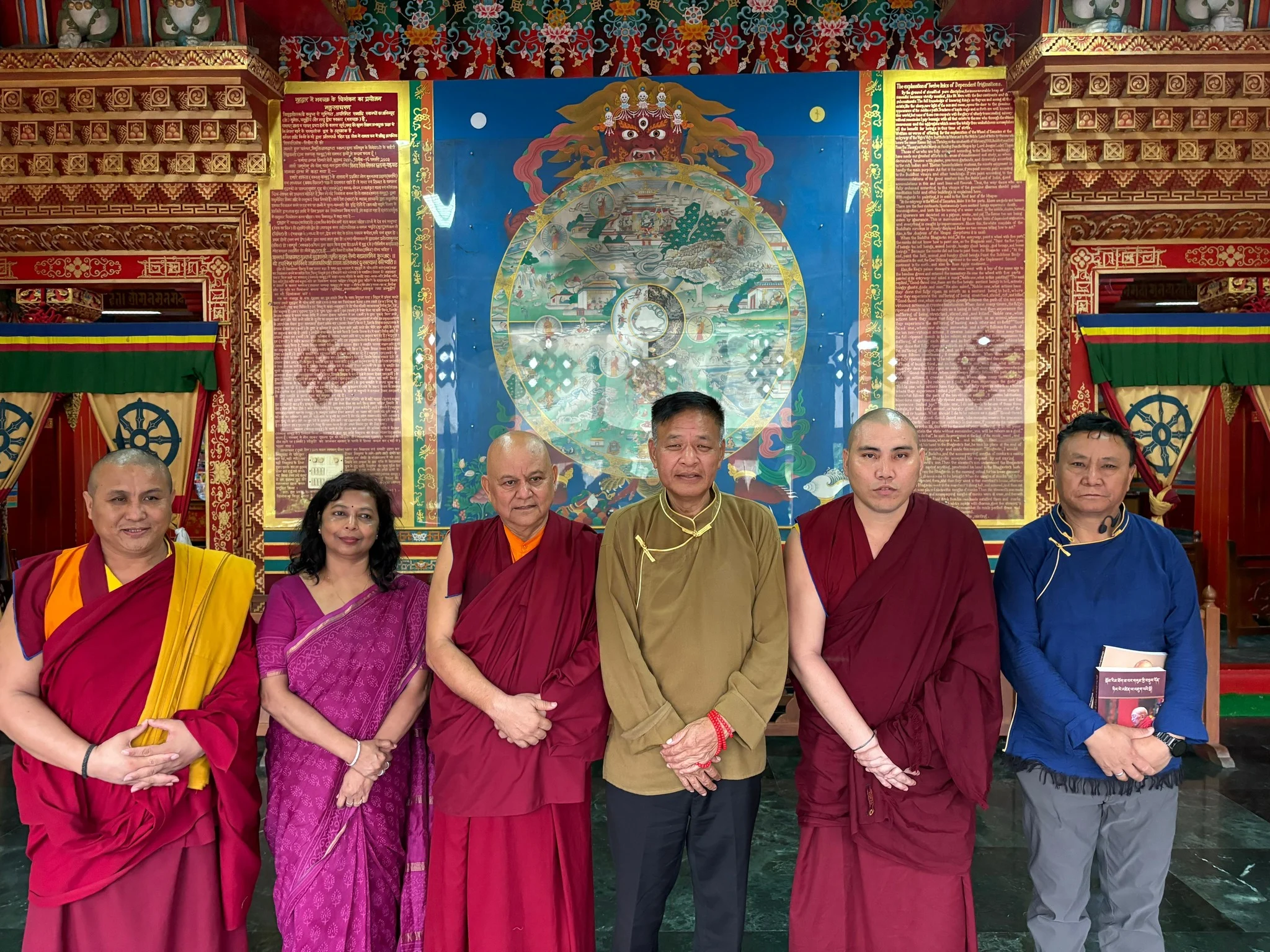
Later that afternoon, Sikyong visited several spiritual and cultural sites in Sarnath, including the Lhadhan Chotrul Monlam Chenmo, the Dhamek Stupa, Mulagandha Kuti Vihar, Vajra Vidya Institute, Orgyen Samye Chokhor Ling Monastery, and Yulo Kodrol Dolma Lhakhang.
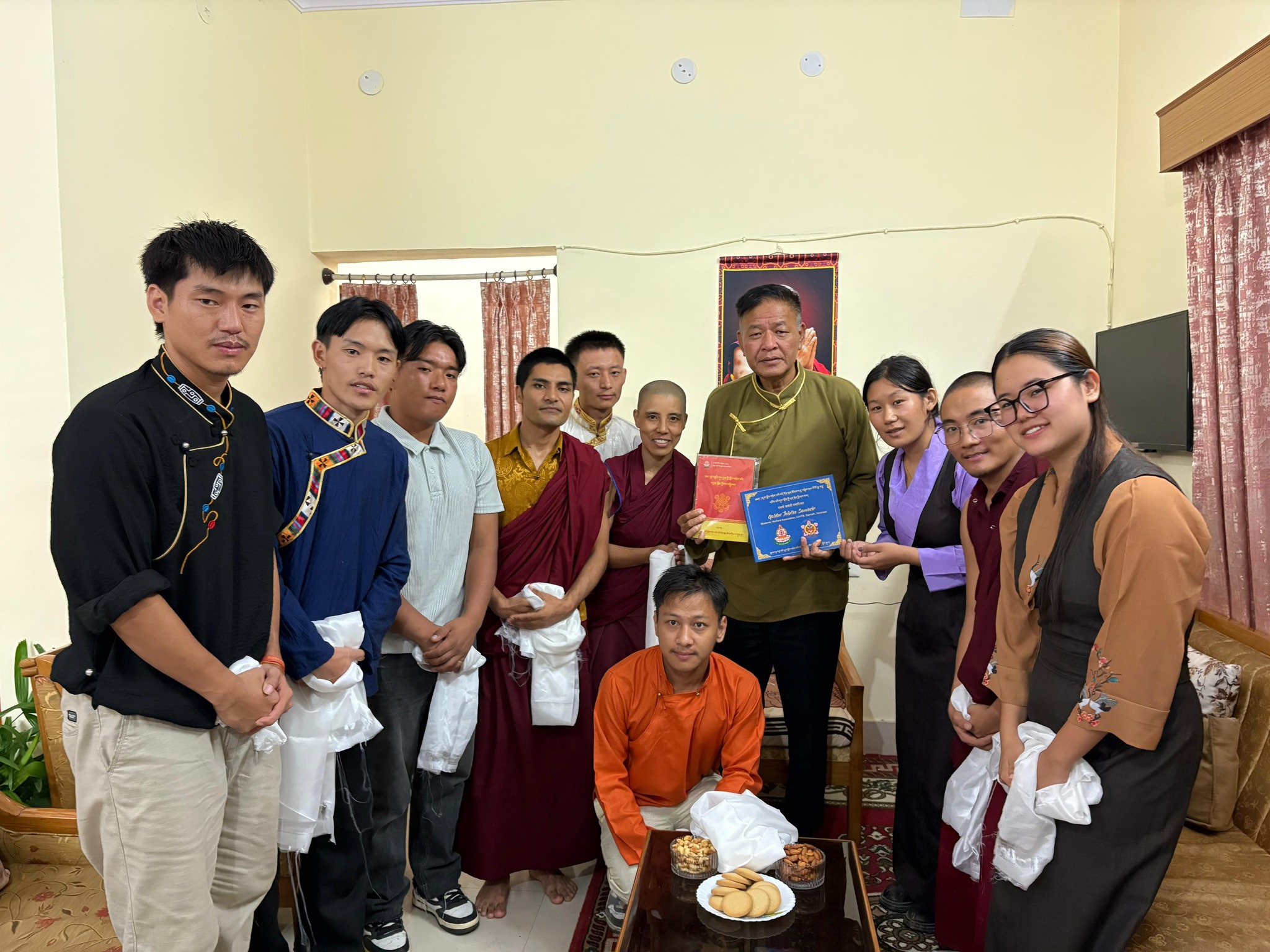
Following the visits, Sikyong held an interactive meeting with student representatives from various campus bodies at CIHTS, including the Student Welfare Association and the Mess Management Committee.
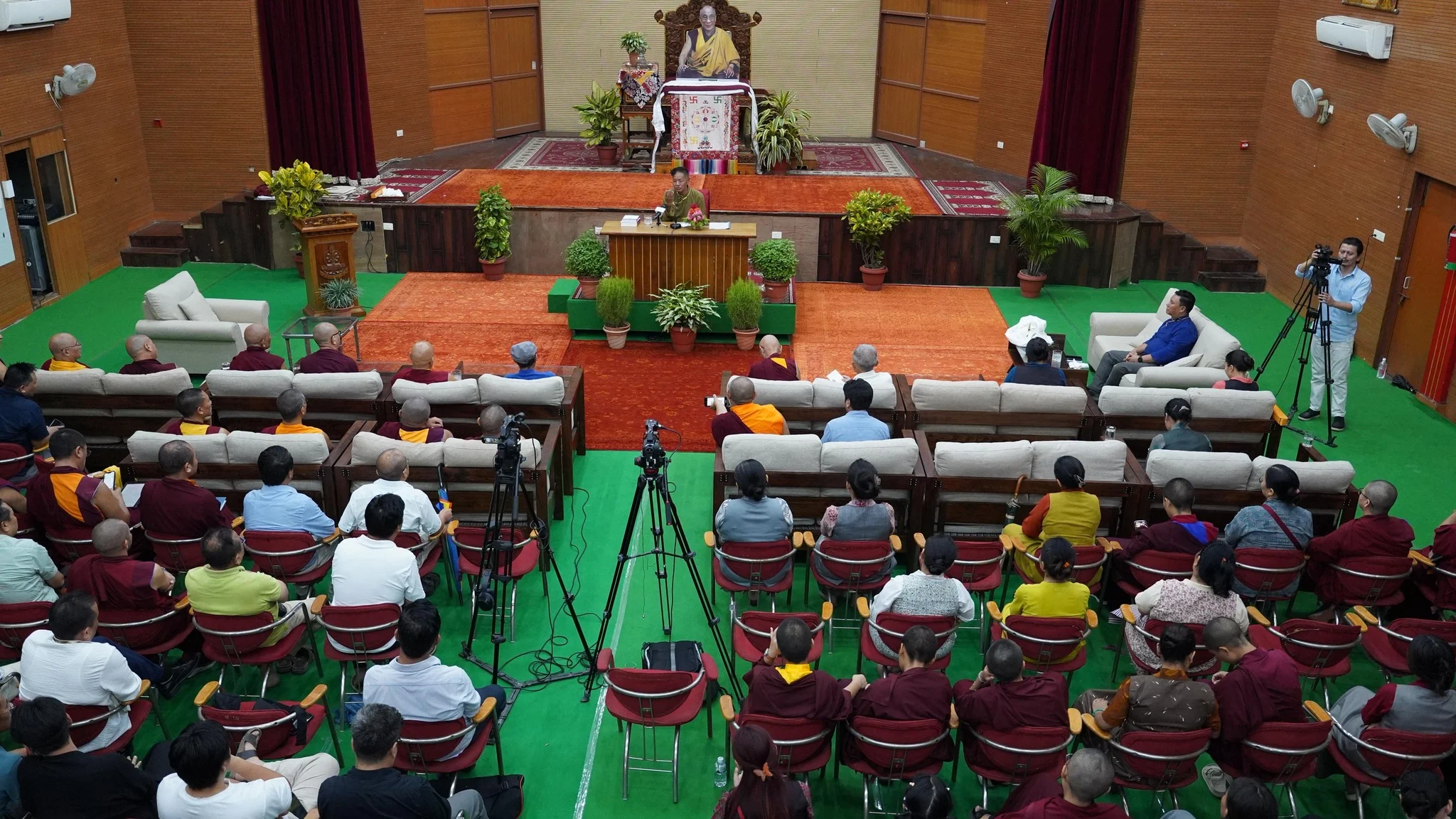
At 7:30 PM, Sikyong convened faculty and students at Atisha Hall, where he delivered a formal address.
The gathering began with a welcome speech by Vice-Chancellor Professor Dr. Wangchuk Dorjee Negi, who introduced the institute. He noted that just as enrolment numbers are declining in various monasteries and schools, CIHTS is also experiencing a similar trend. Highlighting that the institute offers free education in Tibetan Buddhism and culture, medicine, arts, and teacher training programs, he implored Sikyong to encourage Tibetan children in settlements to pursue studies at CIHTS.
In his keynote address, Sikyong Penpa Tsering acknowledged the Vice-Chancellor’s concern, noting that while the number of Tibetan students is declining, the number of students from the Himalayan region is rising. However, Sikyong emphasised, “We are one people, one culture, and share one religion,” while highlighting the institutional significance of CIHTS, stating that it has produced many graduates who have gone on to become leaders in Tibetan society.
Reflecting on the Tibetan exile community, Sikyong recalled that since His Holiness the Dalai Lama arrived in India on 31 March 1959, around 85,000 Tibetans followed, mostly during the 1980s and 1990s. However, current estimates suggest that there are now only about 80,000 Tibetans in India and Nepal combined, with another 15,000–16,000 living in other countries. Sikyong added that this declining trend is also visible in schools, the SFF, monasteries, and universities.
Sikyong then outlined the primary responsibilities of the Central Tibetan Administration: resolving the Tibet-China issue through addressing evolving Chinese government policies, protecting Tibetan interests, and adapting strategies in response to shifts in international politics.
Sikyong also spoke about the systematic erosion of Tibetan identity by the Chinese government—through attacks on religion, language, and the environment. Stressing the importance of internal unity among Tibetans, Sikyong reiterated the Administration’s commitment to the Middle Way Approach and emphasised the need for strategic and global advocacy of the Tibetan cause.
The event concluded with a question-and-answer session, where students raised queries on international politics, particularly regarding China’s economic and political developments.
Sikyong was accompanied by Home Secretary Palden Dhondup and Mainpat Tibetan Settlement Officer Tsewang Yangtso during this visit.