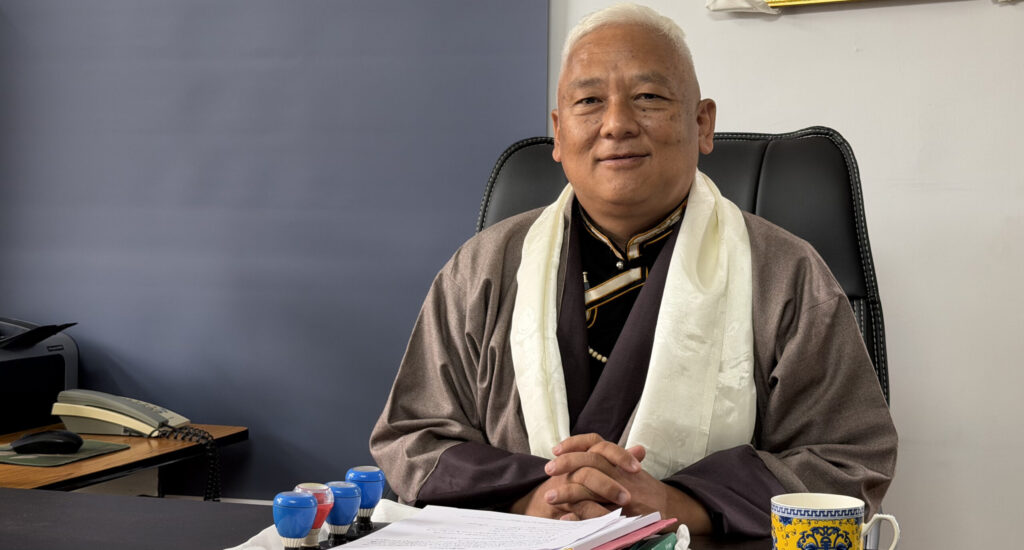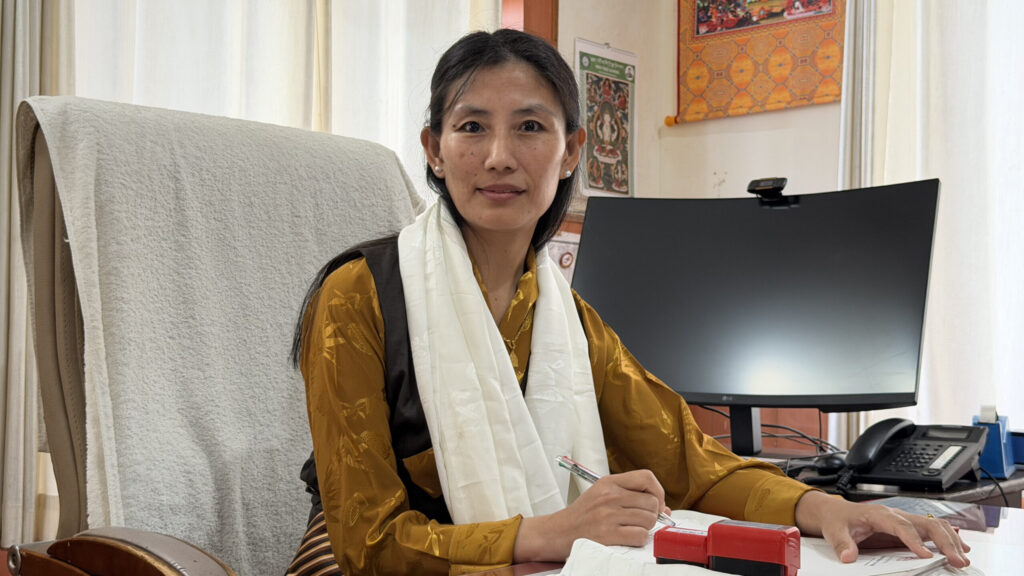


Gajapati, Odisha: Sikyong Penpa Tsering, the incumbent Kalon (Minister) of the Department of Home, arrived at the Phuntsokling Tibetan Settlement on 2 August 2025, receiving a warm welcome at the railway station by Settlement Officer Karma Lodoe Sangpo and members of the local Tibetan leadership.
Upon his arrival at the settlement, Sikyong first called on Kyabje Gyetrul Jigme Rinpoche and offered obeisance at Rigon Thupten Mindrolling Monastery. He subsequently attended the 15th General Body Meeting of the Tibetan Women’s Association held within the settlement.
Sikyong then visited several key institutions, including the Sambhota Tibetan School, agricultural fields, and monasteries such as Nga-gyur Nyingma Dudul Rabten Ling, Zangdok Palri, and Namkha Khyung Dzong. These visits reflected the 16th Kashag’s ongoing efforts to assess on-the-ground conditions and support community development across settlements.
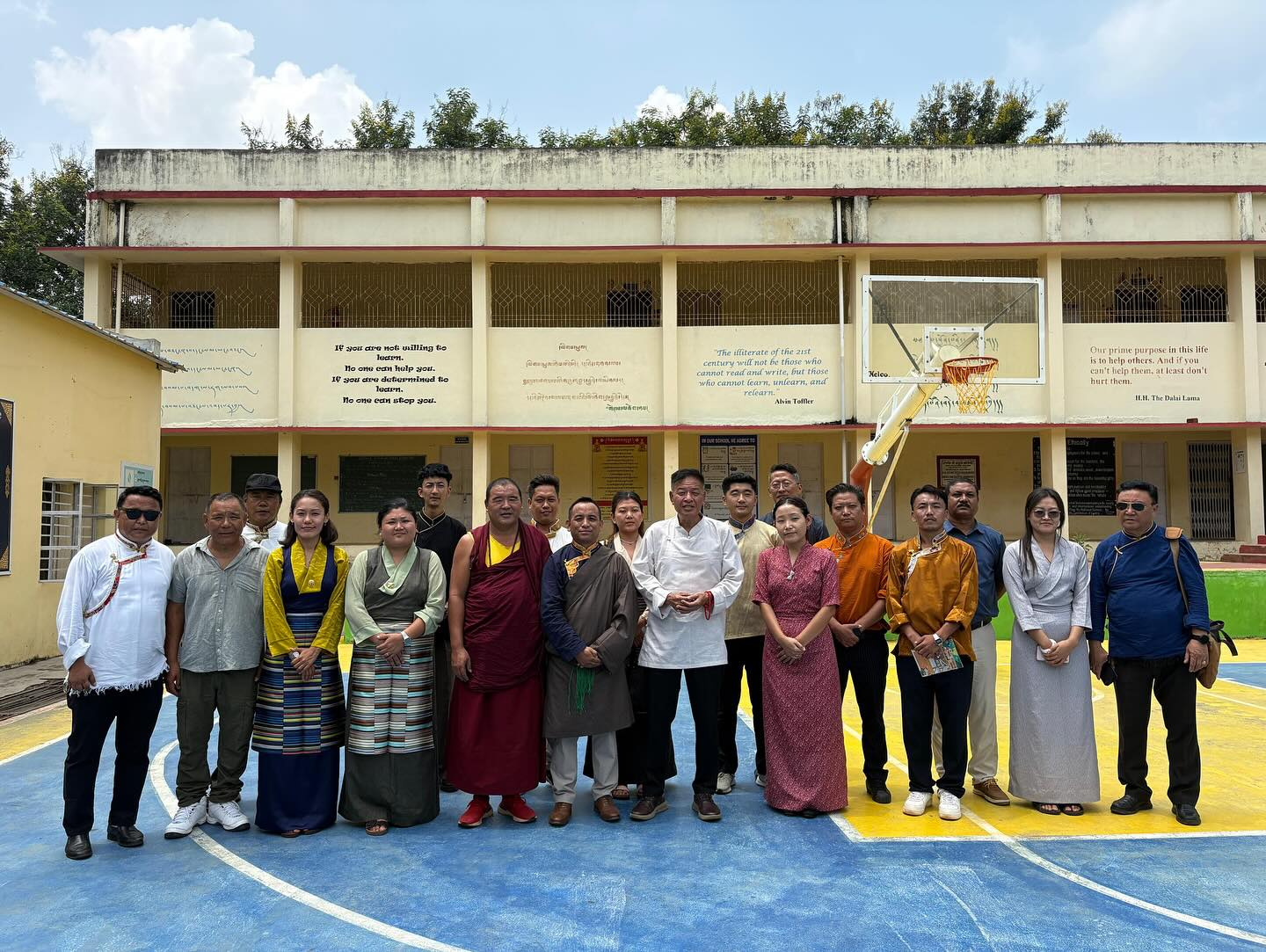
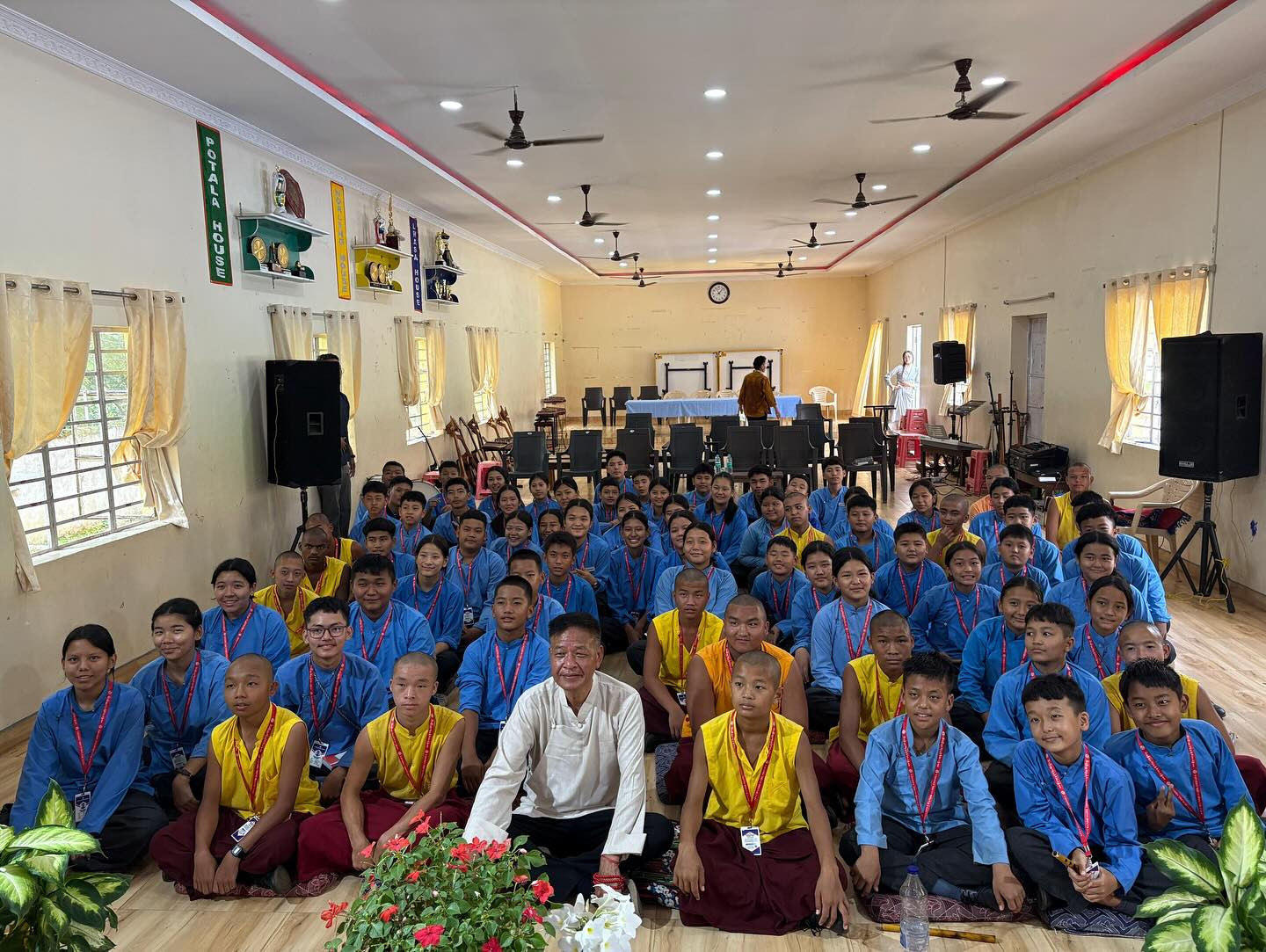
On the following day, Sikyong visited Sambhota Tibetan School, Chandragiri, where he was received by school staff and students. Principal Samdrub Dorje presented the school’s annual report prior to Sikyong’s address.
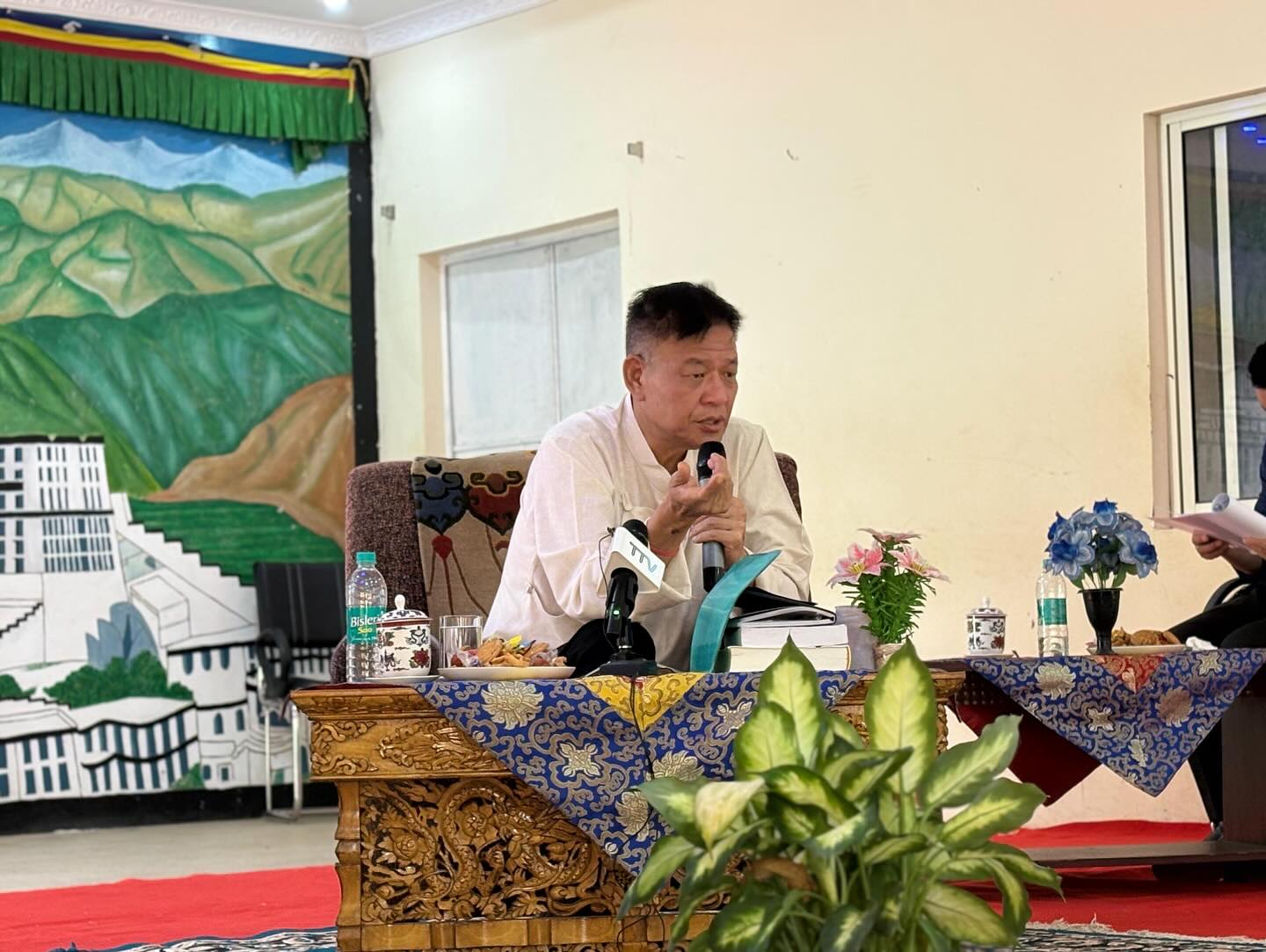
During his interactive session with students, Sikyong emphasised the importance of preserving Tibetan identity, culture, and religion. He highlighted the need for the younger generation to remain informed about global political dynamics and understand their responsibilities as Tibetans in exile. Using a video presentation, Sikyong elaborated on the environmental and geopolitical significance of the Tibetan Plateau, known as the “Third Pole.” Sikyong underscored how the plateau serves as a vital water source for billions across Asia, and raised concerns over environmental degradation caused by dam construction and large-scale infrastructure projects in Tibet by the Chinese government.
Later in the day, Sikyong visited key local administrative bodies, including the Settlement Office and offices of Local Tibetan Assembly, Regional Tibetan Freedom Movement, and local Tibetan Co-operative Society.
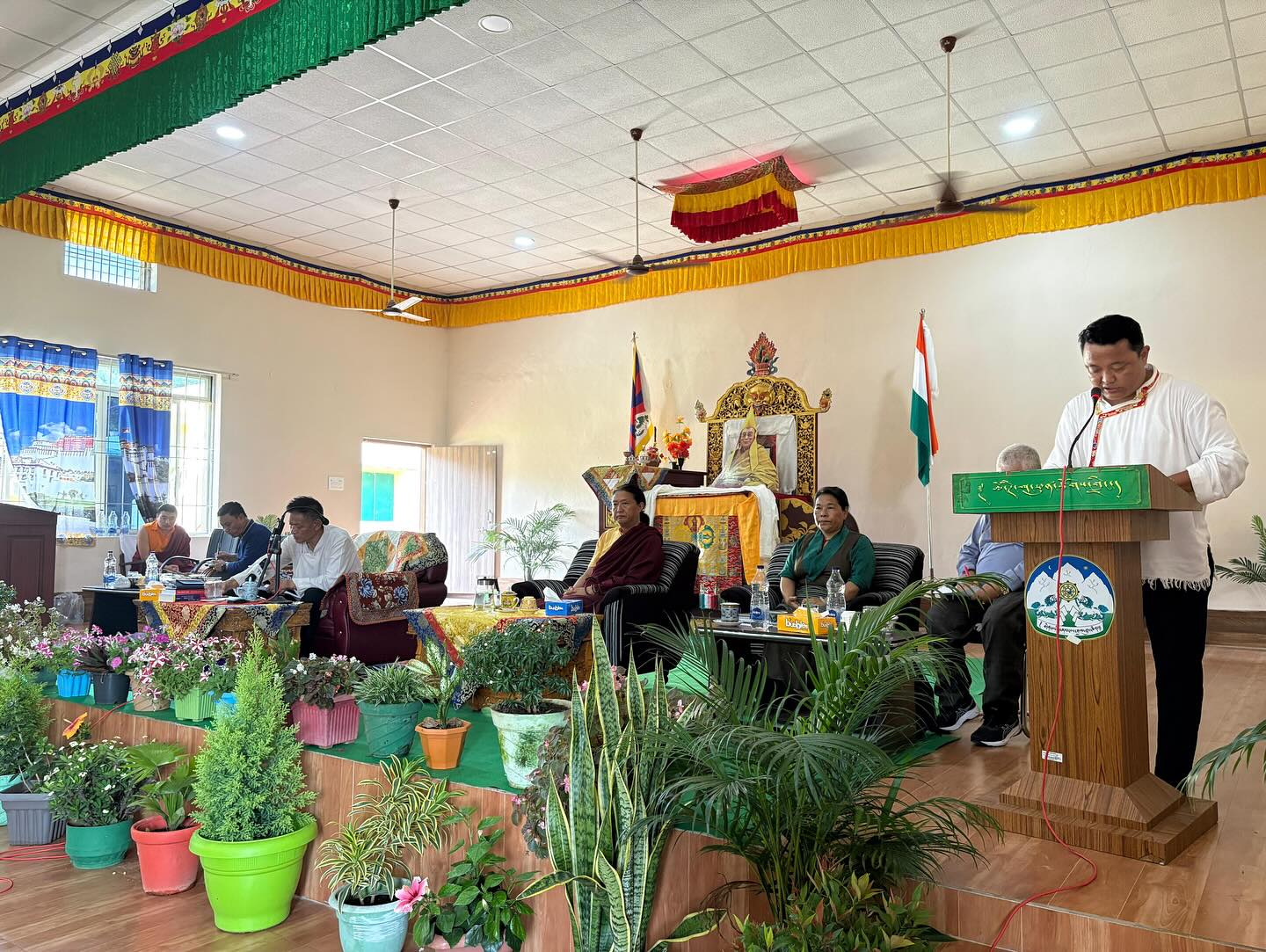
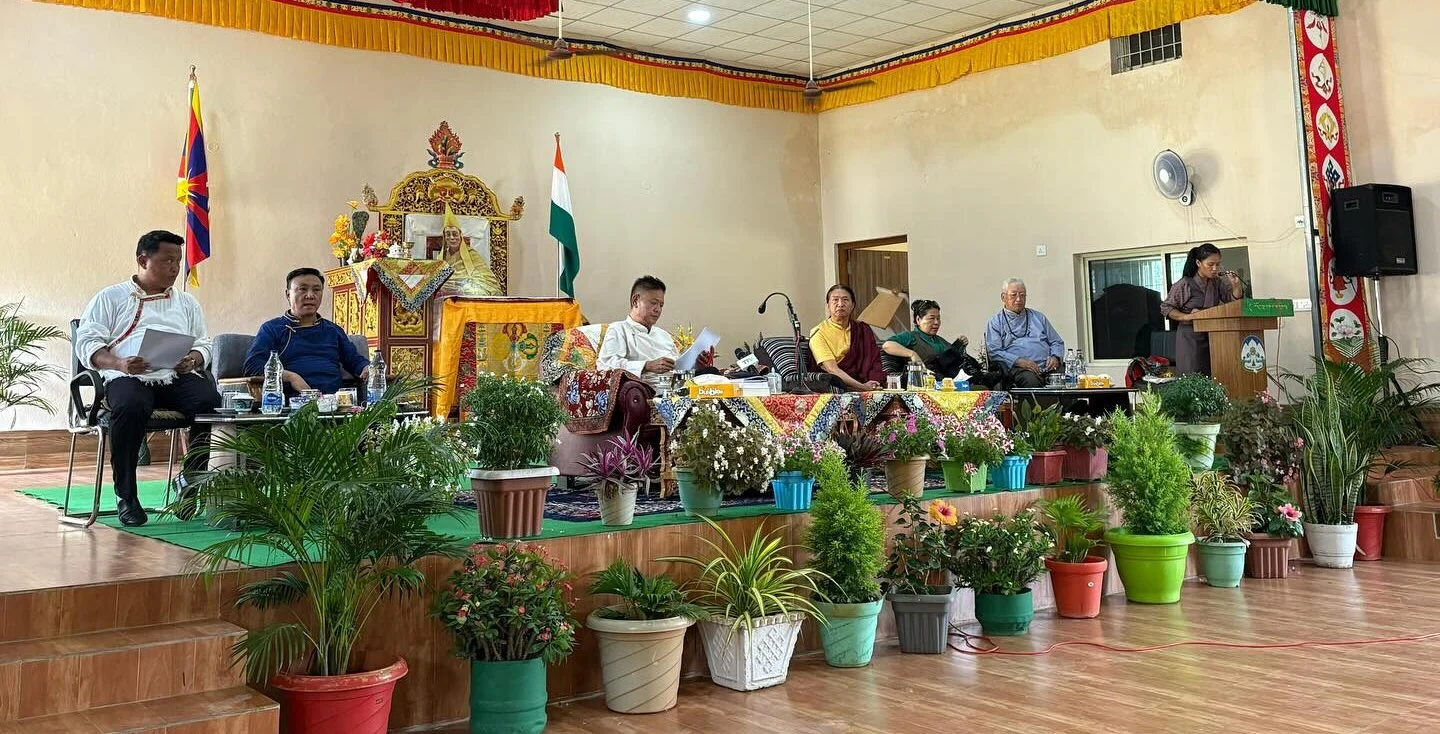
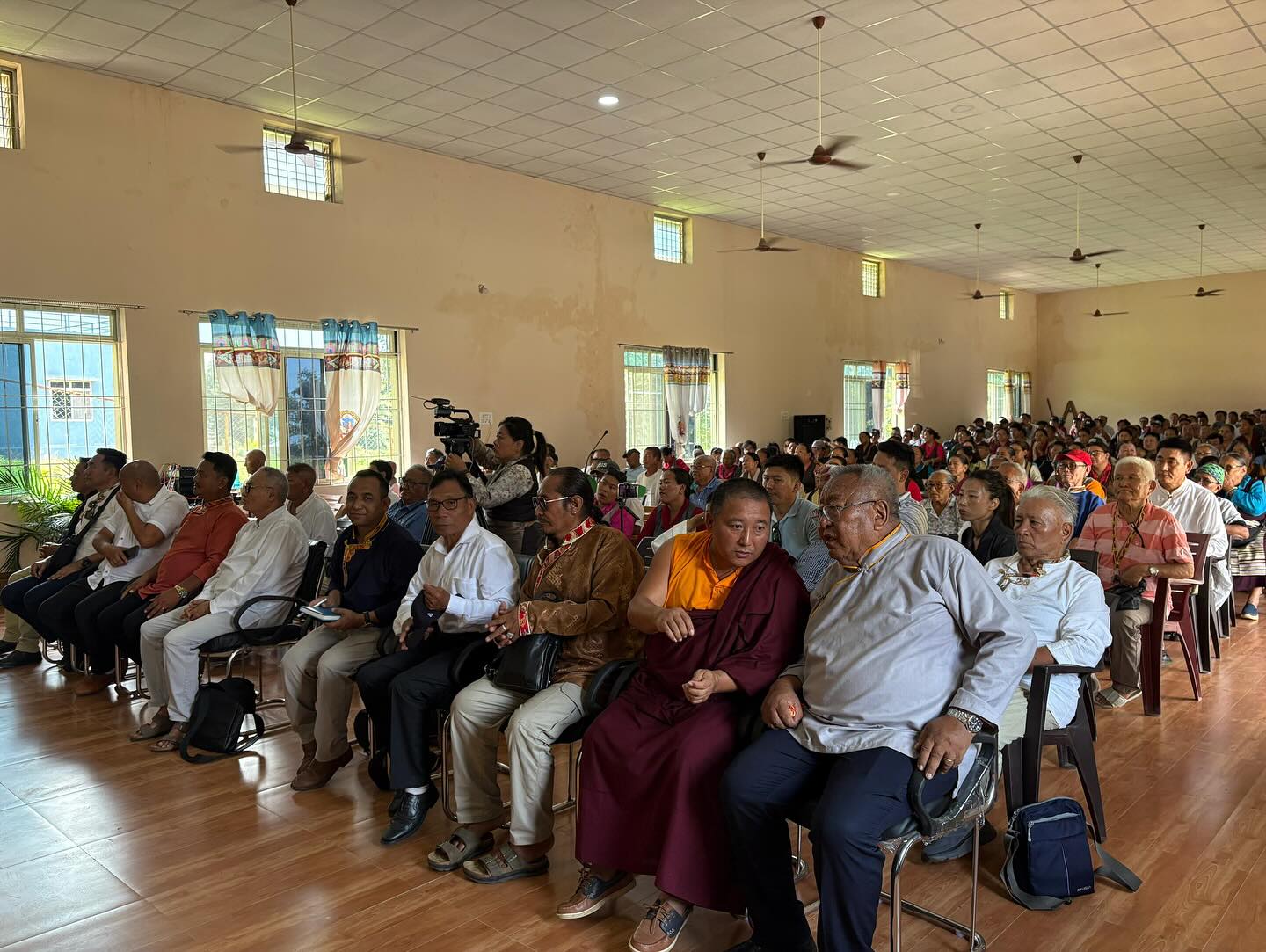
In the afternoon, Sikyong addressed a public gathering at the community hall of the settlement. The event was attended by Kyabje Gyetrul Jigme Rinpoche, Home Secretary Palden Dhondup, Joint Secretary Tenzin Kunsang, former Settlement Officer Khenpo Pema Tenphel, as well as representatives from the Local Tibetan Assembly, Co-operative Society, schools, and monasteries.
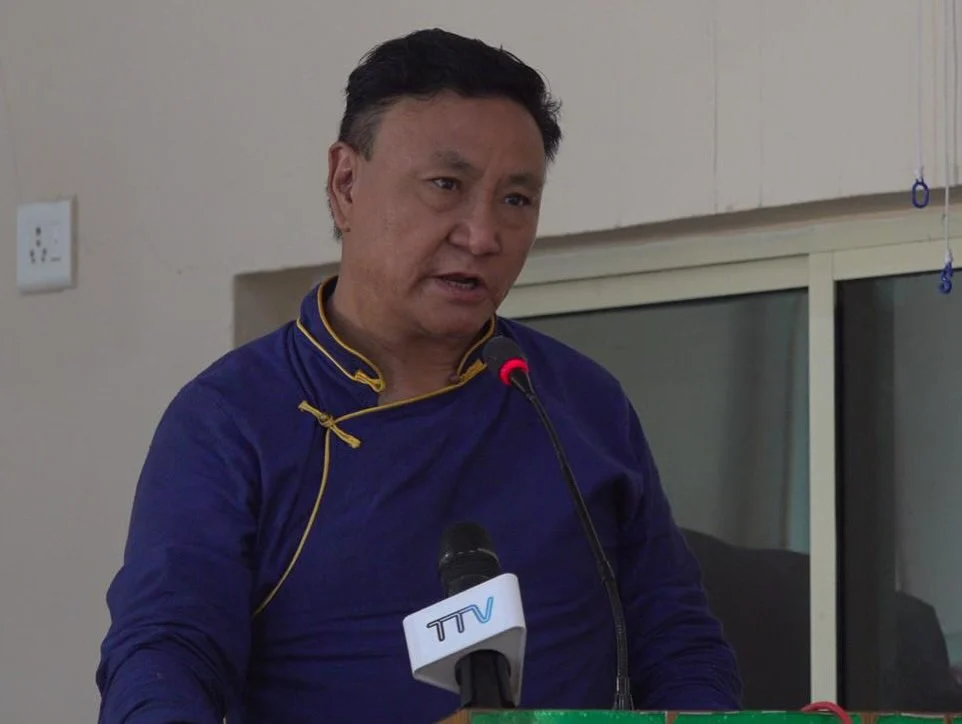
Settlement Officer Karma Lodoe Sangpo opened the function with briefing of the settlement annual report. This was followed by an address from Home Secretary Palden Dhondup, who elaborated on the Home Department’s restructuring efforts under the 16th Kashag. He further highlighted the Kashag’s key initiatives aimed at providing land and housing facilities to Tibetan communities in India, thereby ensuring the continued sustenance of the Tibetan settlements. He also spoke on various welfare programmes initiated by the department.
In his address, Sikyong lauded the recent developmental progress of the Phuntsokling Settlement and stressed the need to uphold and promote His Holiness the Dalai Lama’s noble visions and the Four Principal Commitments. He reiterated the Central Tibetan Administration’s responsibility to carry forward His Holiness’ legacy through community-based programmes and international advocacy.
Speaking in the context of the “Year of Compassion” commemorating His Holiness’ 90th birthday, Sikyong mentioned the growing international support for the Tibetan cause and His Holiness’ reincarnation issue. He referenced the historic visit of Czech President Petr Pavel to Ladakh for an audience with His Holiness, marking the first time a sitting head of state had done so—an event of great symbolic and political significance.
Sikyong also addressed China’s attempts to interfere in the reincarnation of His Holiness. He noted that those who do not believe in the concept of reincarnation have no moral authority to make decisions about spiritual matters. Echoing His Holiness’ own words, Sikyong questioned why the Chinese leadership does not first seek the reincarnations of Mao Zedong or Deng Xiaoping before attempting to intervene in Tibetan religious traditions.
Sikyong went on to recount the history of Tibetan resettlement in India and Nepal following the 1959 exodus. He cited early initiatives such as handicraft centres in Darjeeling, and educational institutions in Dalhousie, followed by the establishment of the first southern Tibetan settlement, Lugsung Samdupling, in 1962.
The gathering concluded with a Q&A session and a vote of thanks from President of the Local Tibetan Assembly Jampal Dhondup.
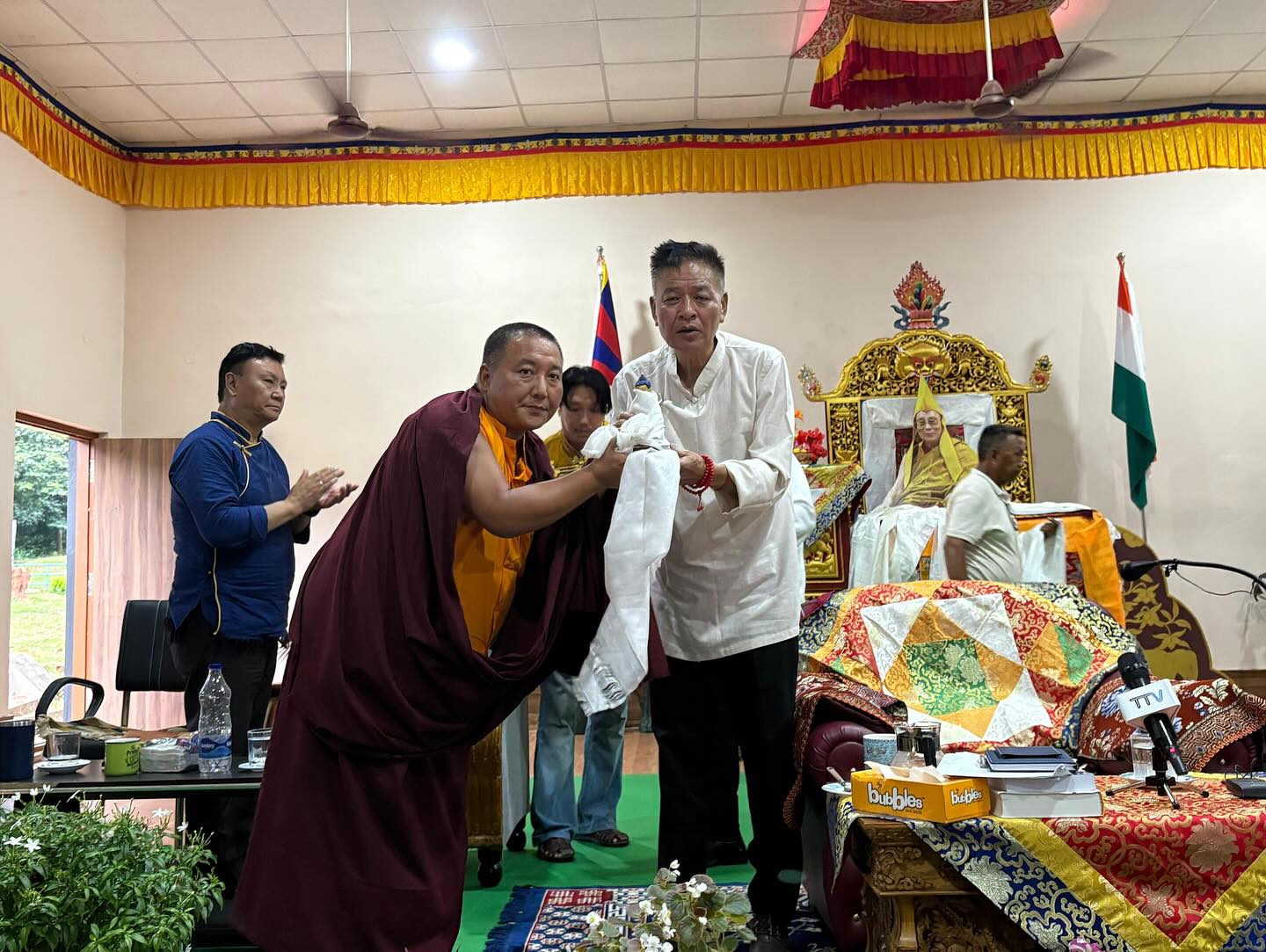
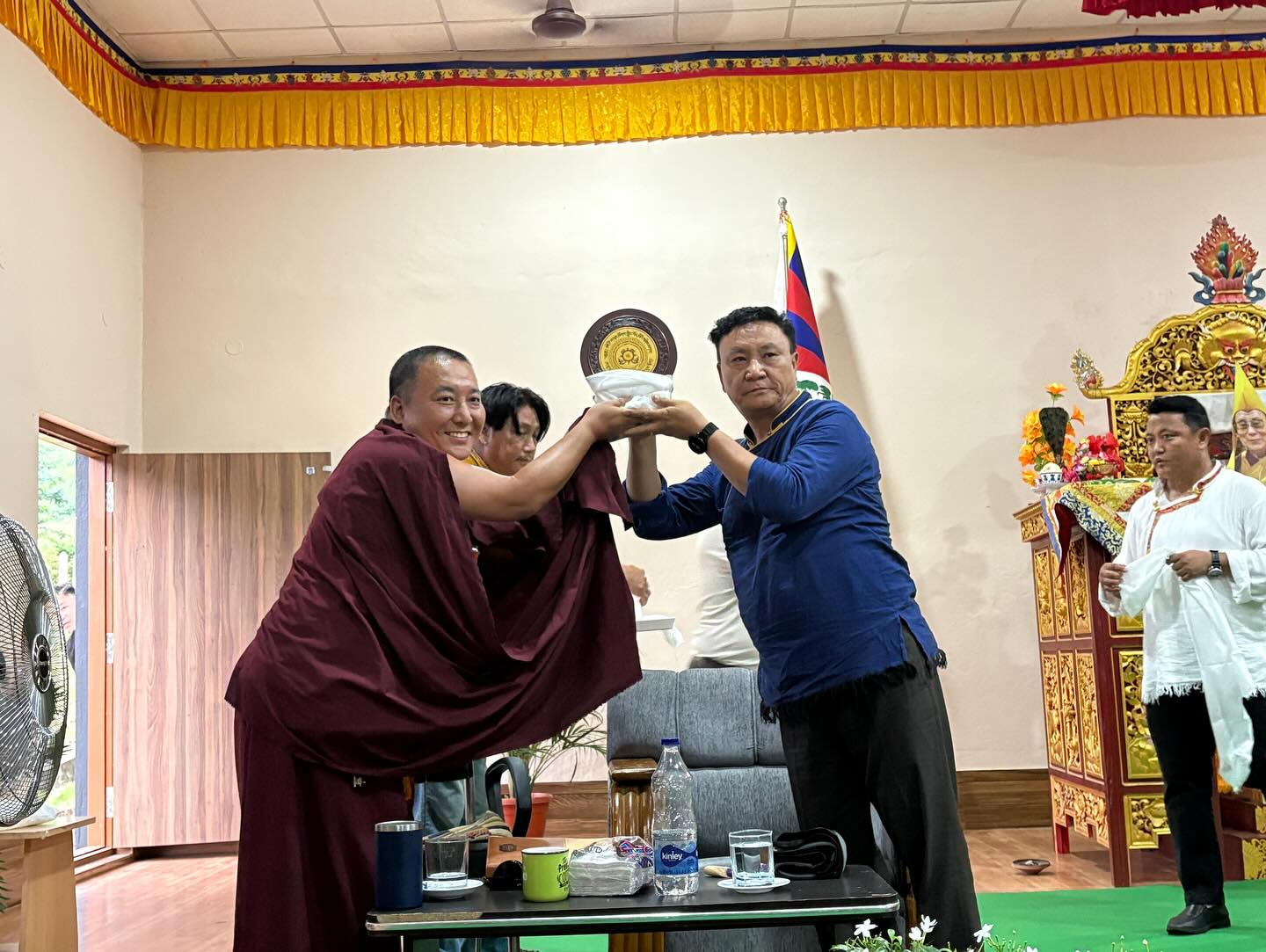
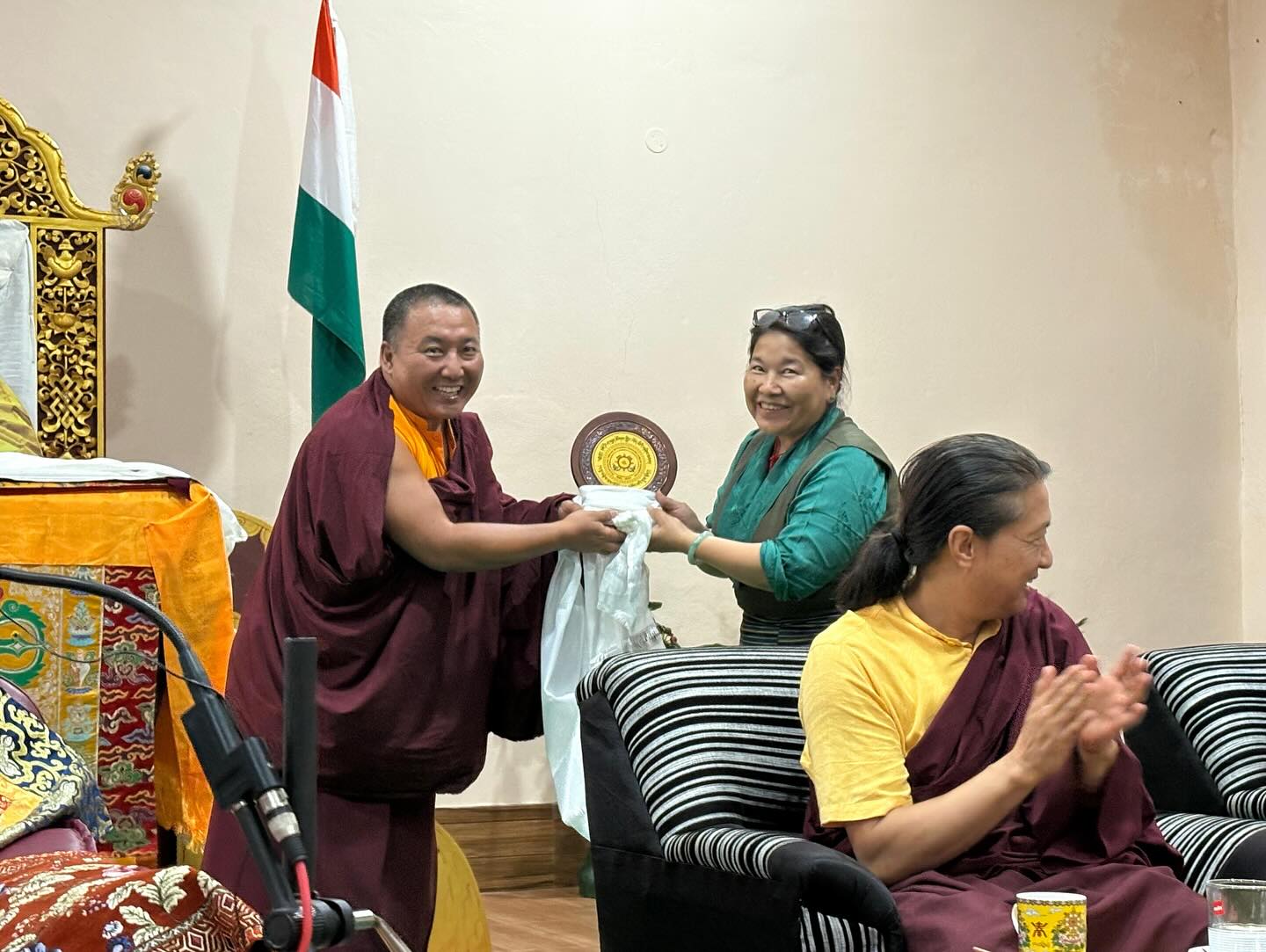
On behalf of the organising committee of the 60th founding anniversary celebration of Phuntsokling Tibetan Settlement, former Settlement Officer Khenpo Pema Tenphel presented commemorative tokens of appreciation to Sikyong Penpa Tsering, Home Secretary Palden Dhondup, and Joint Secretary Tenzin Kunsang.