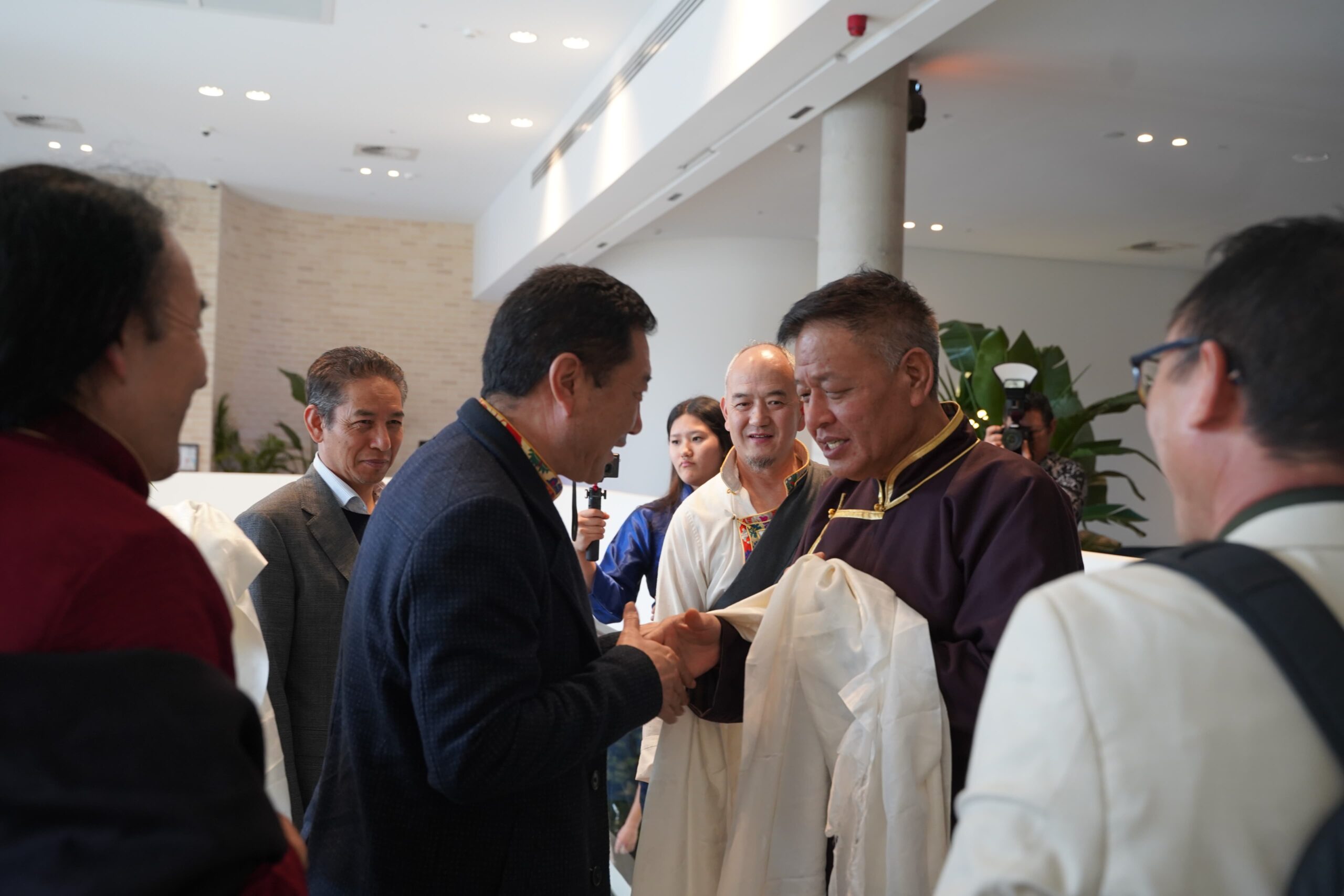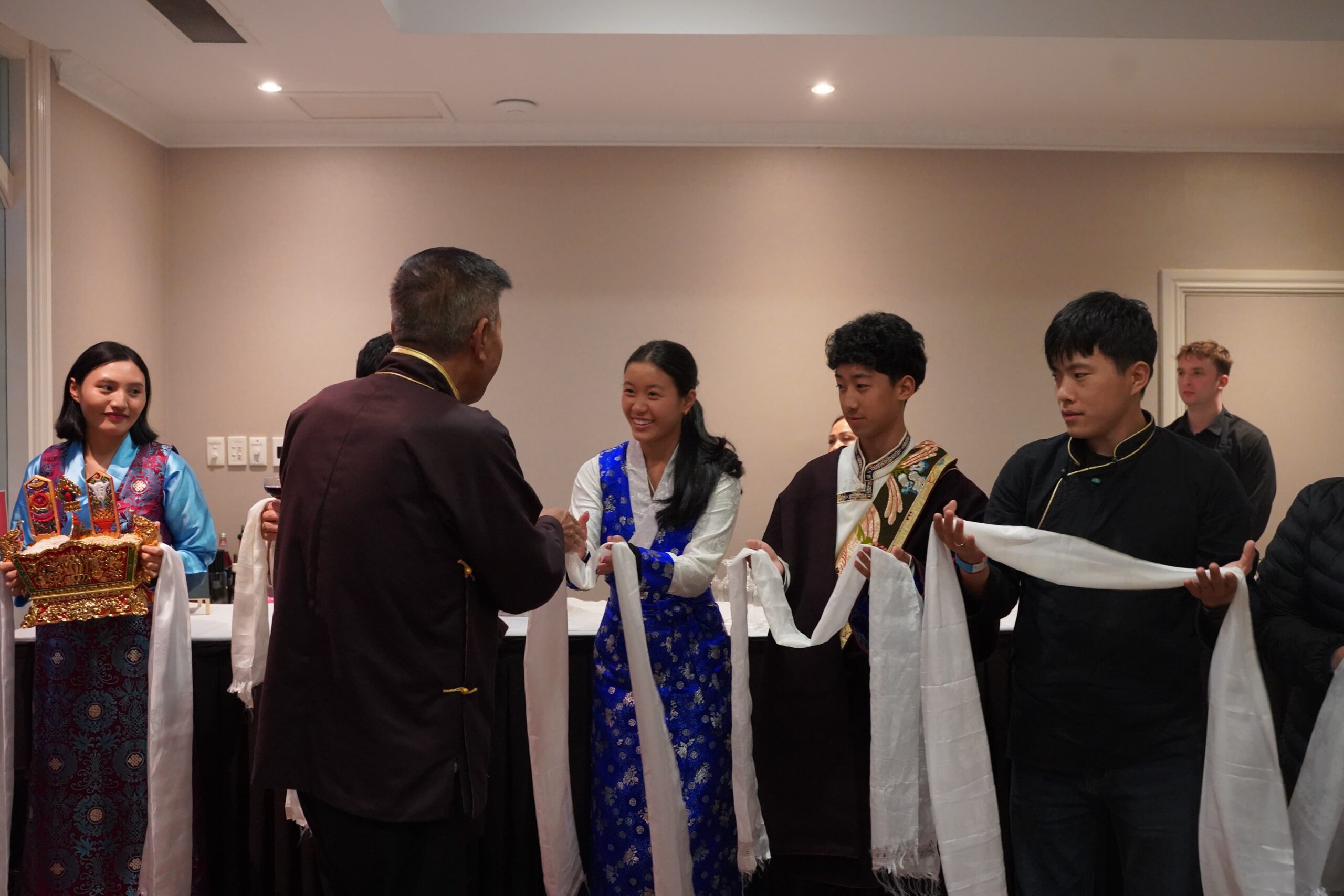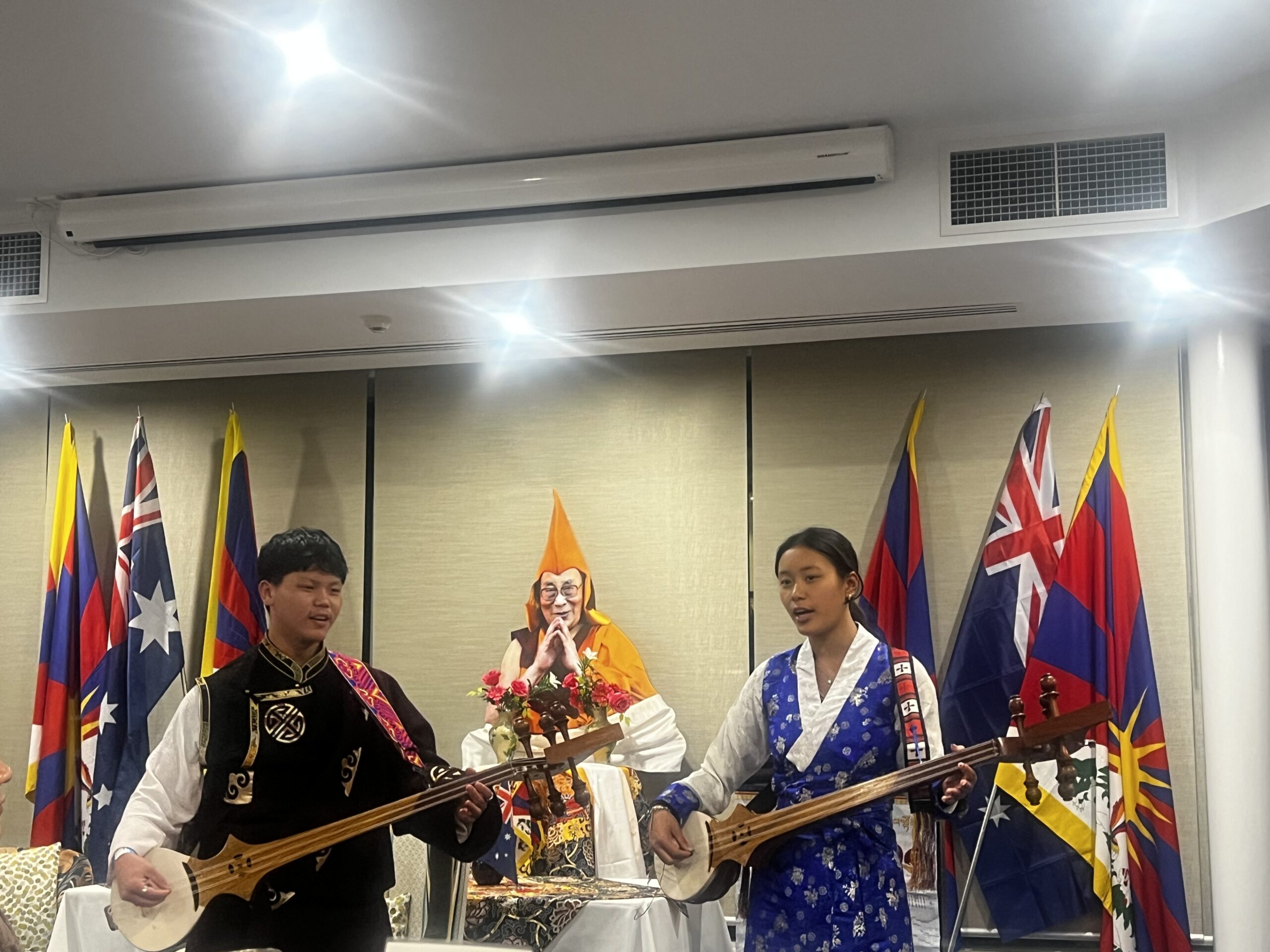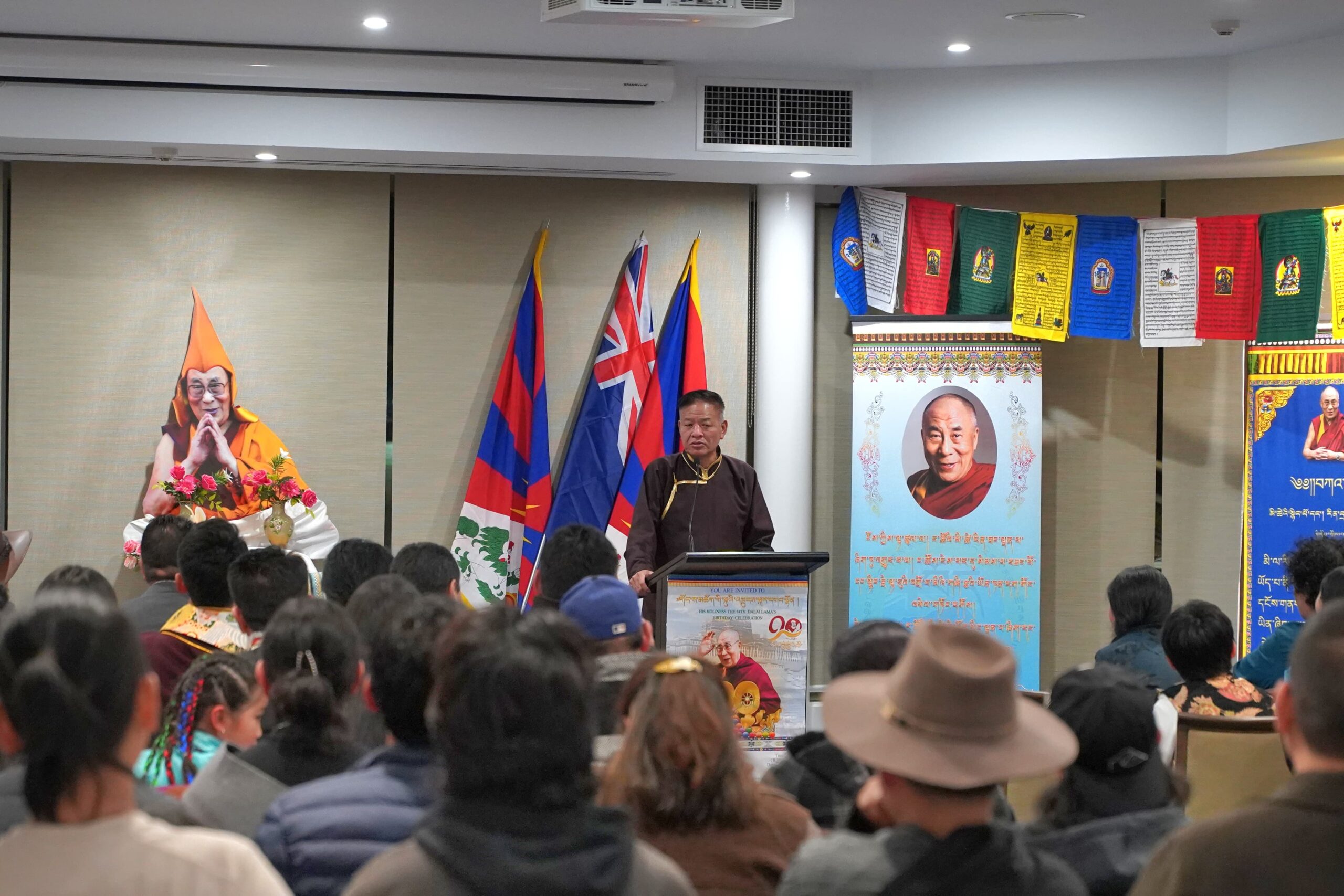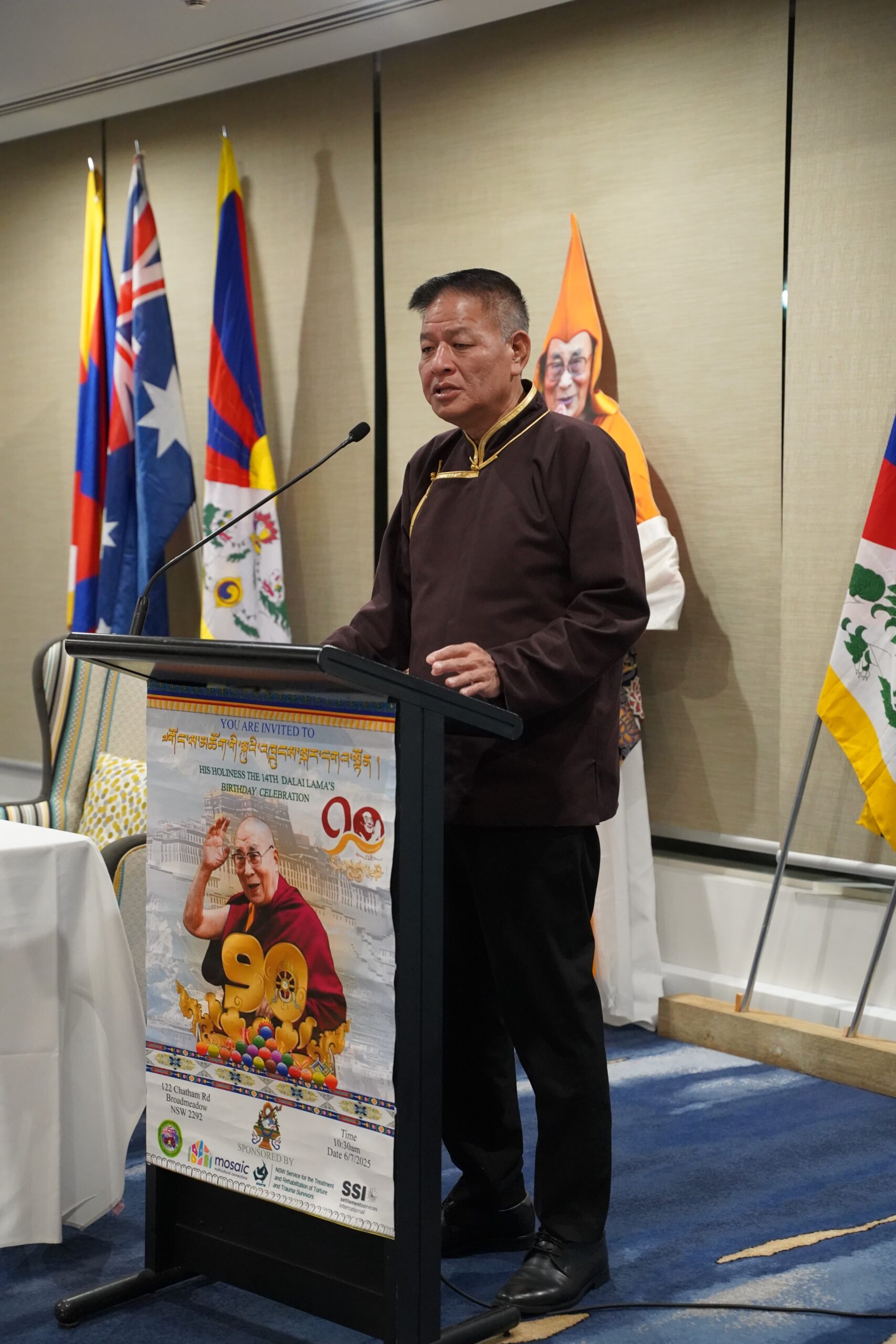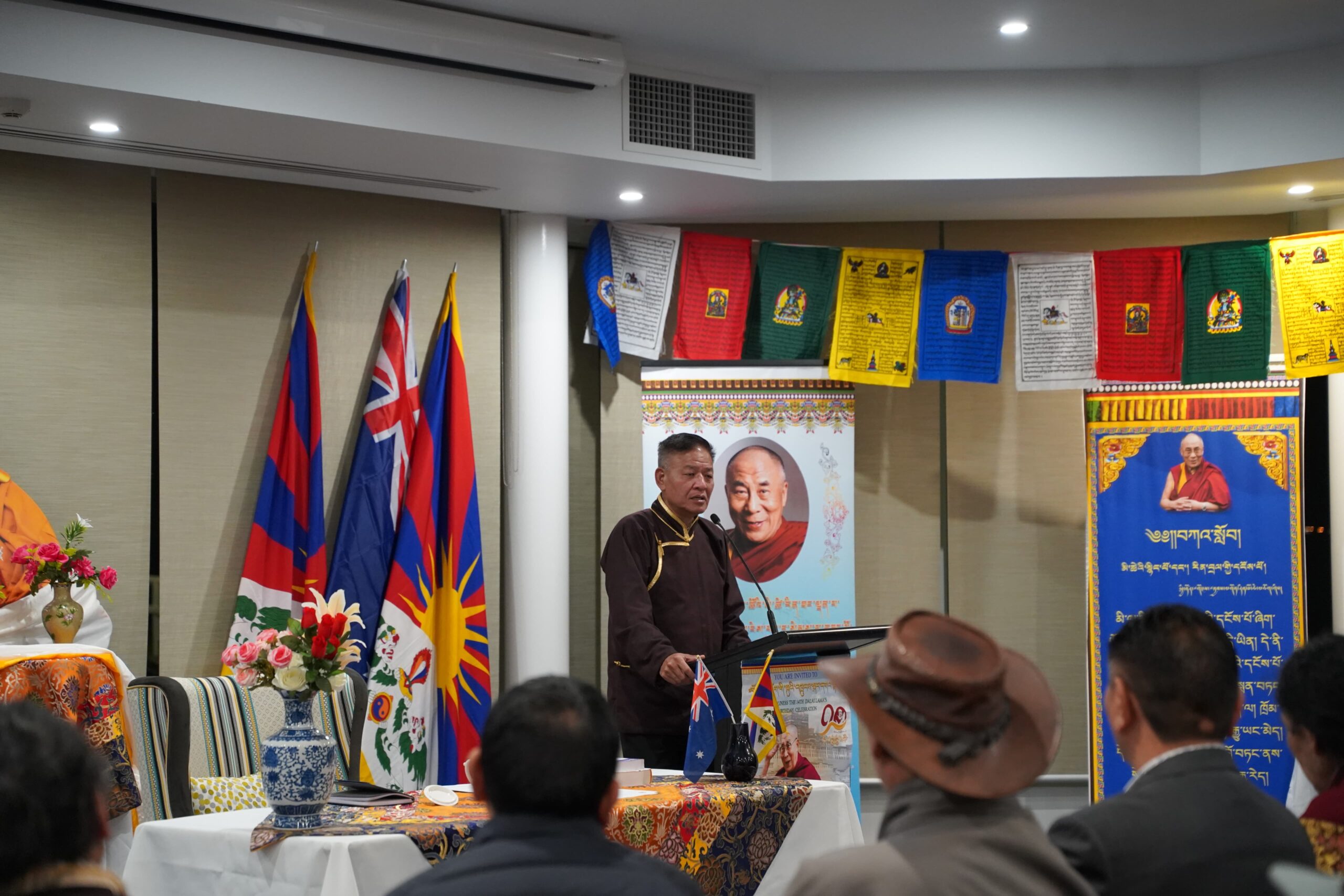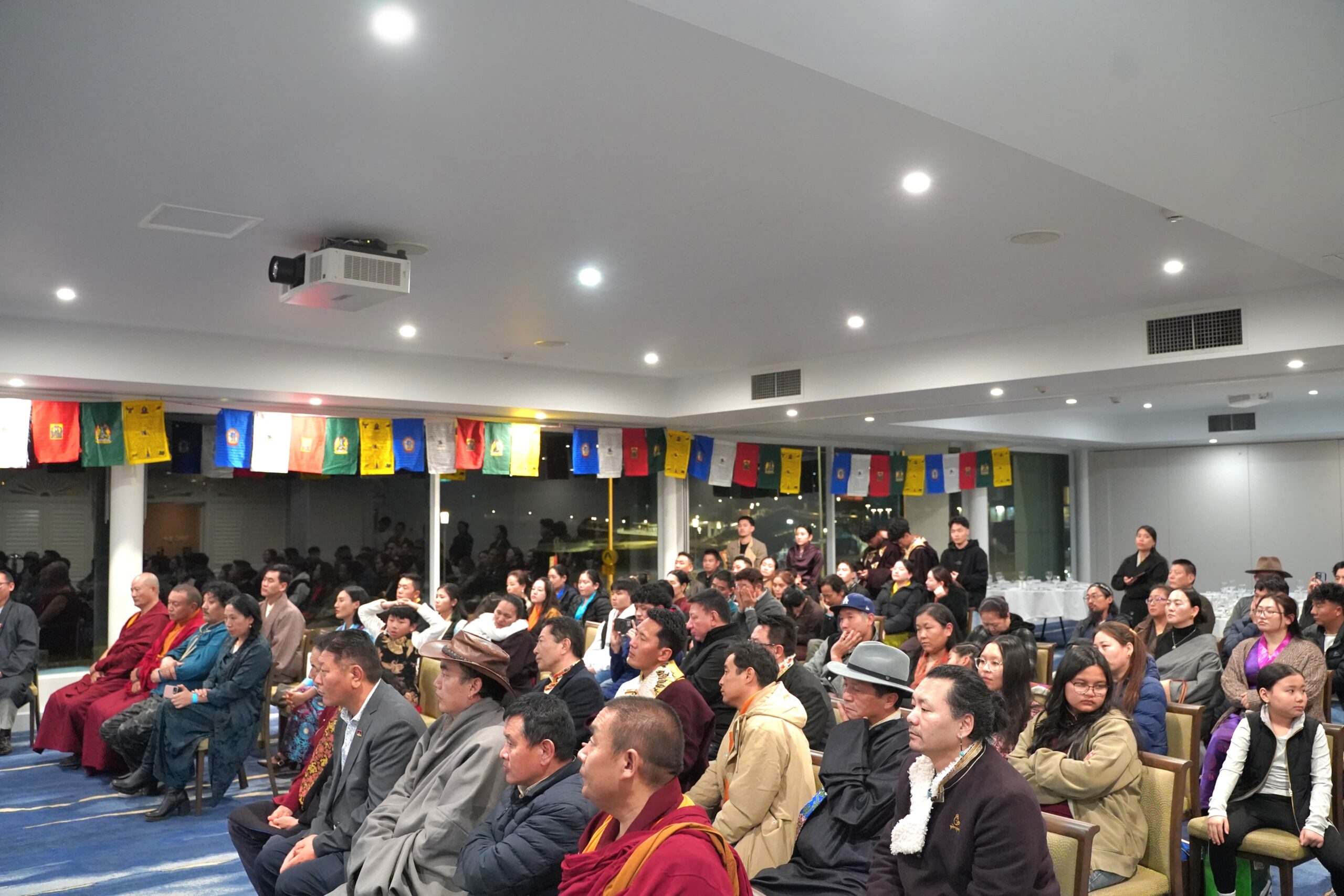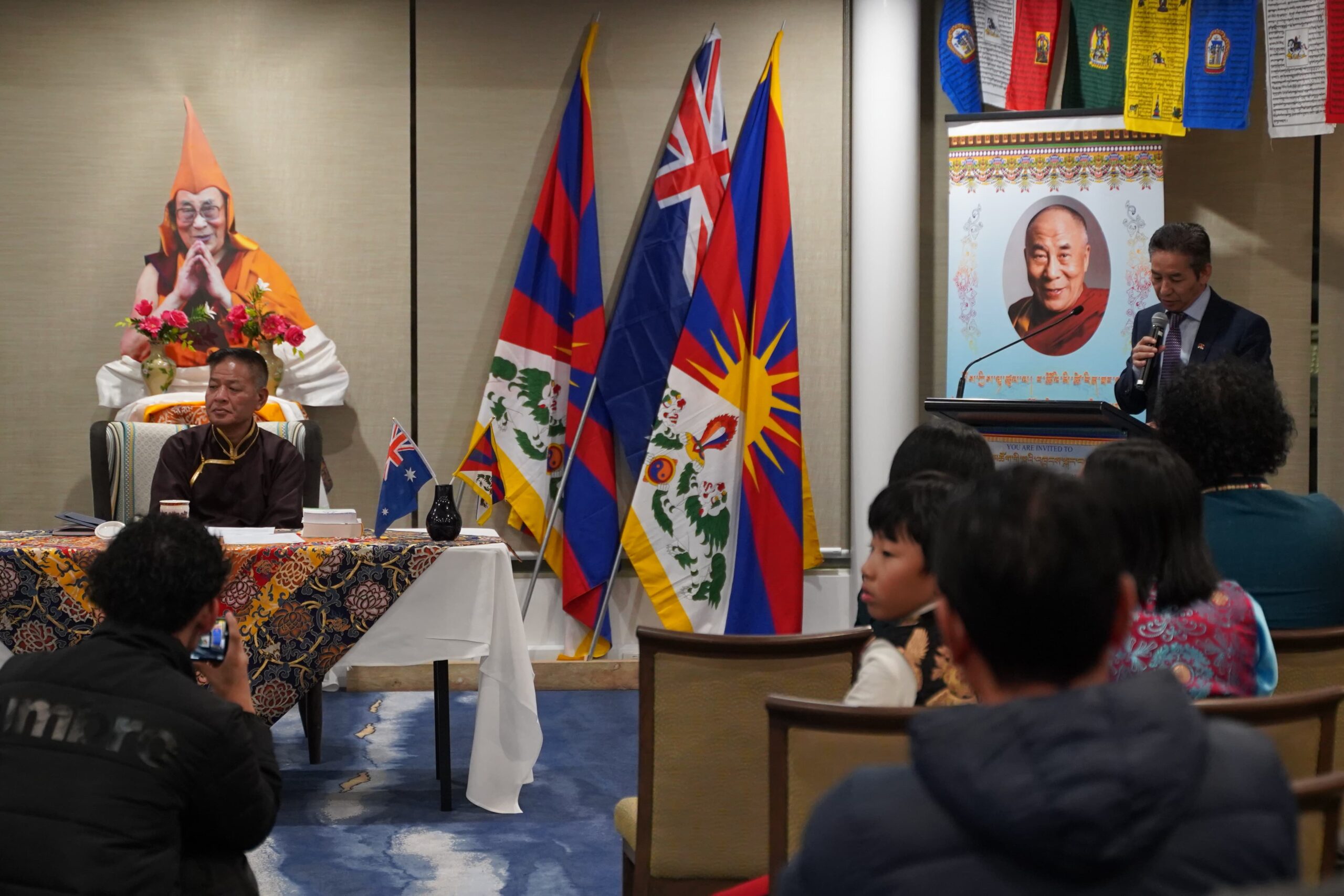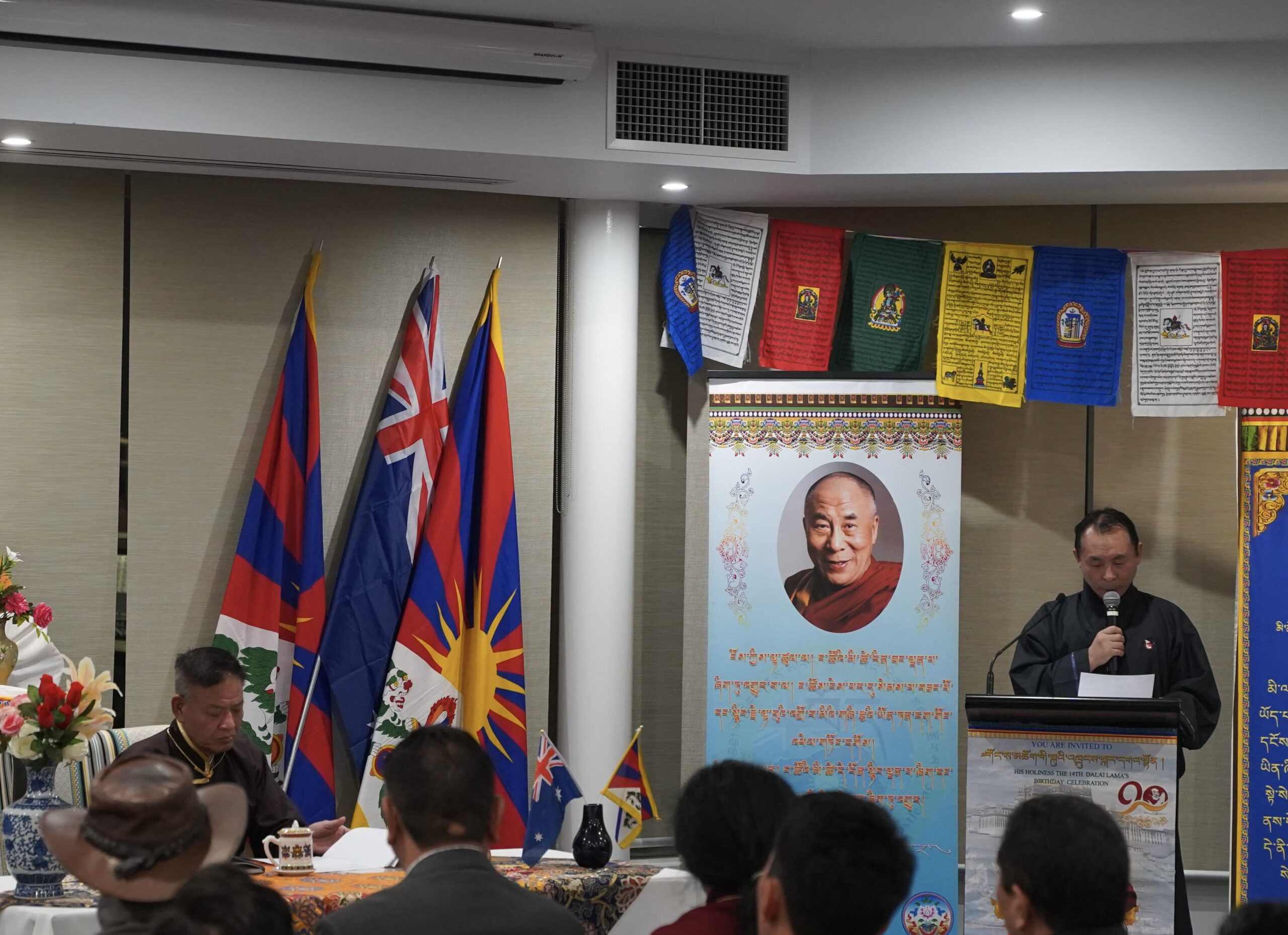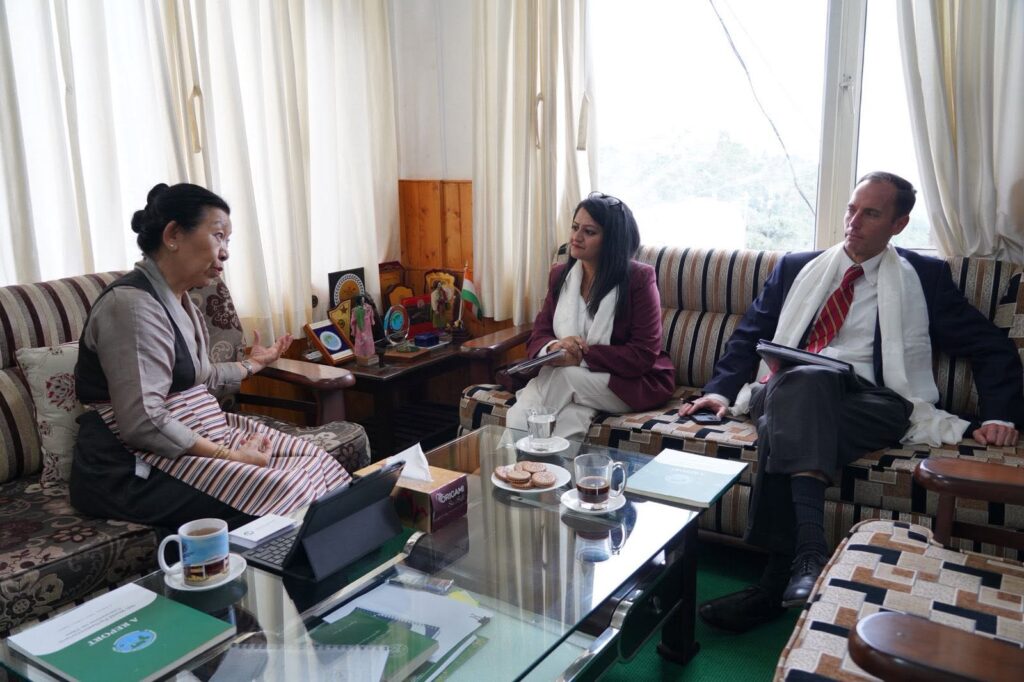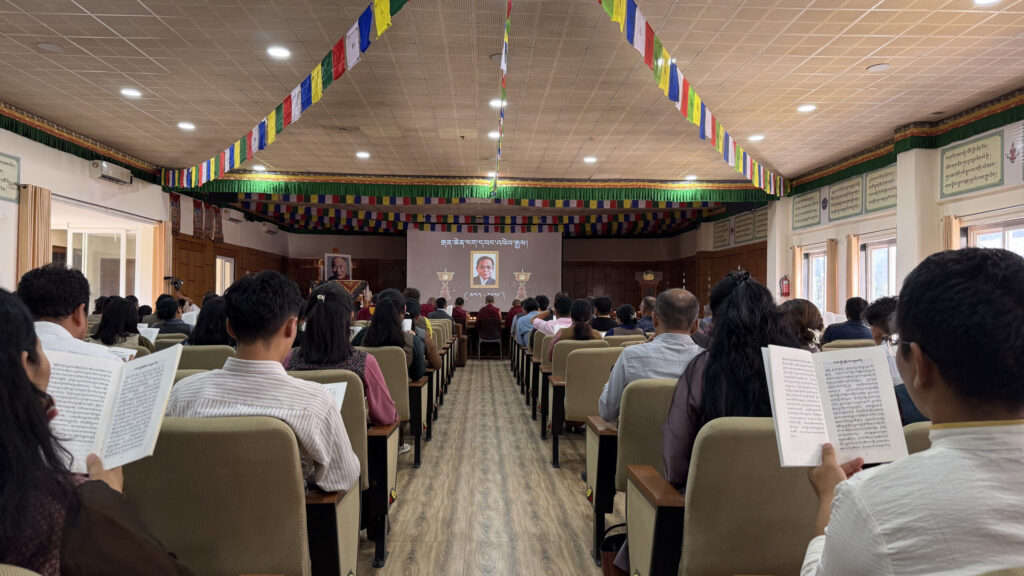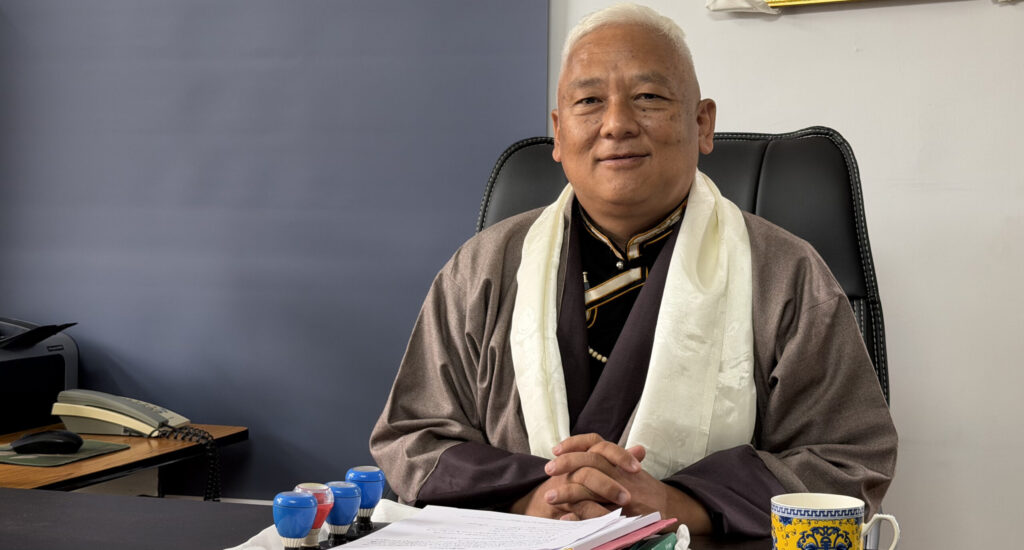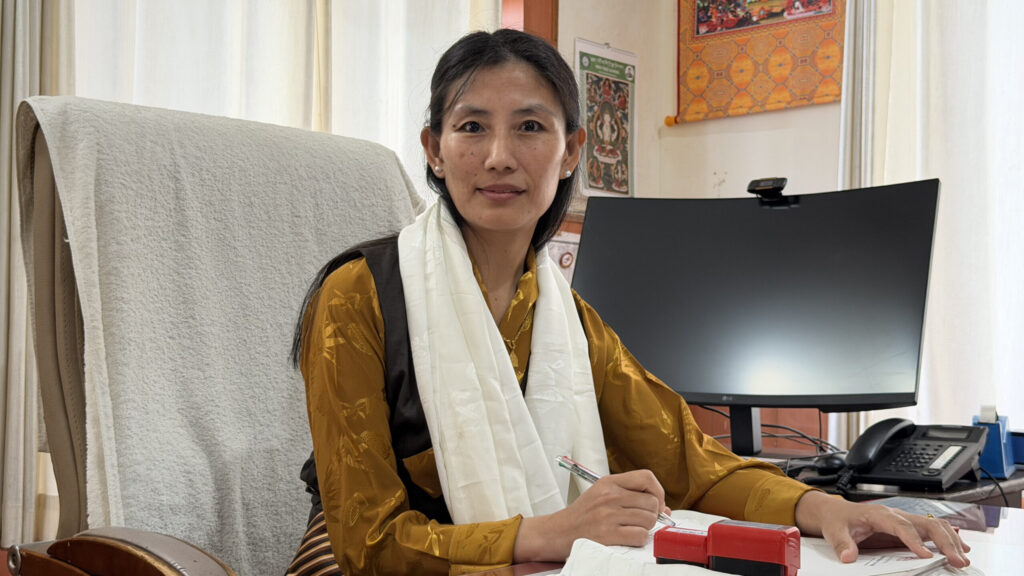


Dharamshala: Sikyong Penpa Tsering of the Central Tibetan Administration formally visited Newcastle for the first time, marking a significant milestone in his outreach to the Tibetan diaspora and supporters in the Australia. He reflected on his previous official visit to the country, noting that while he had visited several cities, this was his first time in Newcastle. Emphasising the vital role of the Tibetan and the value of the Tibetan language, he stated that anyone wishing to know and study Buddhism must learn Tibetan, as the core teachings are preserved in the original texts.
He encouraged Tibetans—especially the younger generation—to take pride in their mother tongue, explaining that major Buddhist scriptures like the Kangyur and Tengyur are available only in Tibetan. “Our language is not just cultural—it is the gateway to understanding Tibetan Buddhism,” he said, beginning with the importance of preserving linguistic heritage as a foundation for safeguarding Tibetan identity, religion, and values.
Sikyong further shared that during his tenure as Speaker of the Tibetan Parliament-in-Exile, His Holiness the 14th Dalai Lama had remarked that the Tibetan struggle is not solely political. His Holiness had emphasised that preserving the Tibetan language and religion is itself an important part of the Tibetan freedom struggle.
He further noted that while other religions and global interest in Tibetan Buddhism continue to grow, the language remains the key to truly accessing and understanding its depth. Without knowledge of Tibetan, one risks relying on translations that may not fully convey the intended meaning of the teachings. Therefore, he urged Tibetan youth to take learning their language seriously,
Sikyong also highlighted the contribution of Geshe Lobsang Monlam’s unprecedented achievement. Together with his team of over 200 editors and staff, Geshe Monlam created a dictionary that defines more than 360,000 words in Tibetan. It was a remarkable achievement. When printed as books, the current version of this growing dictionary filled 223 volumes.
He further emphasised the significance of celebrating His Holiness the 14th Dalai Lama’s 90th birthday program by observing the year-long Ghoton as the Year of Compassion. He noted that the Central Ghoton Organising Committee, formed the previous year, had played a key role in launching this initiative. Sikyong also acknowledged that Regional Organising Committees were given greater flexibility and autonomy to organise events tailored to the needs and cultural settings of their respective Tibetan communities and institutions.
Speaking at the press conference following the 15th Tibetan Religious Conference, Professor Samdhong Rinpoche responded to a foremost journalist’s question regarding the reincarnation of His Holiness the 14th Dalai Lama by stating that it was a ‘premature inquiry’. He explained that His Holiness has consistently expressed his intention to live a long life, initially aiming to live until the age of 113, and more recently extending that His Holiness hopes to live until he is more than 130 years old, two decades longer than his previous prediction. This, Sikyong added, affirms both the Dalai Lama’s commitment to continuing his life’s work and the ongoing relevance of the institution of the Dalai Lama.
Sikyong Penpa Tsering noted that the international community’s growing interest in the issue of His Holiness the Dalai Lama’s reincarnation, seeing it as a sign of deeper recognition and respect for Tibetan culture, religion, and identity.
He acknowledged the active presence of V-TAG (Voluntary Tibet Advocacy Group) in Newcastle, Australia, commending its role in spreading awareness and building advocacy networks beyond the Tibetan community. Stressing the importance of Tibetan language preservation, he urged Tibetan youth to understand their responsibilities—especially as Tibetans inside Tibet continue to live without basic freedoms under Chinese Communist Party rule.
Sikyong Penpa Tsering stated that efforts are currently underway to introduce Tibet-related legislation in other countries, similar to the United States’ existing Tibet policy law. He encouraged Tibetan youth to learn about factual histories of Tibet and recommended reading the research and writings of Professor Michael van Walt van Praag and Professor Hon Shiang Lau.
Regardless of whether one supports the Middle Way Approach or Rangzen (independence), he called on all Tibetans to stand united and contribute collectively to the just cause of Tibet.