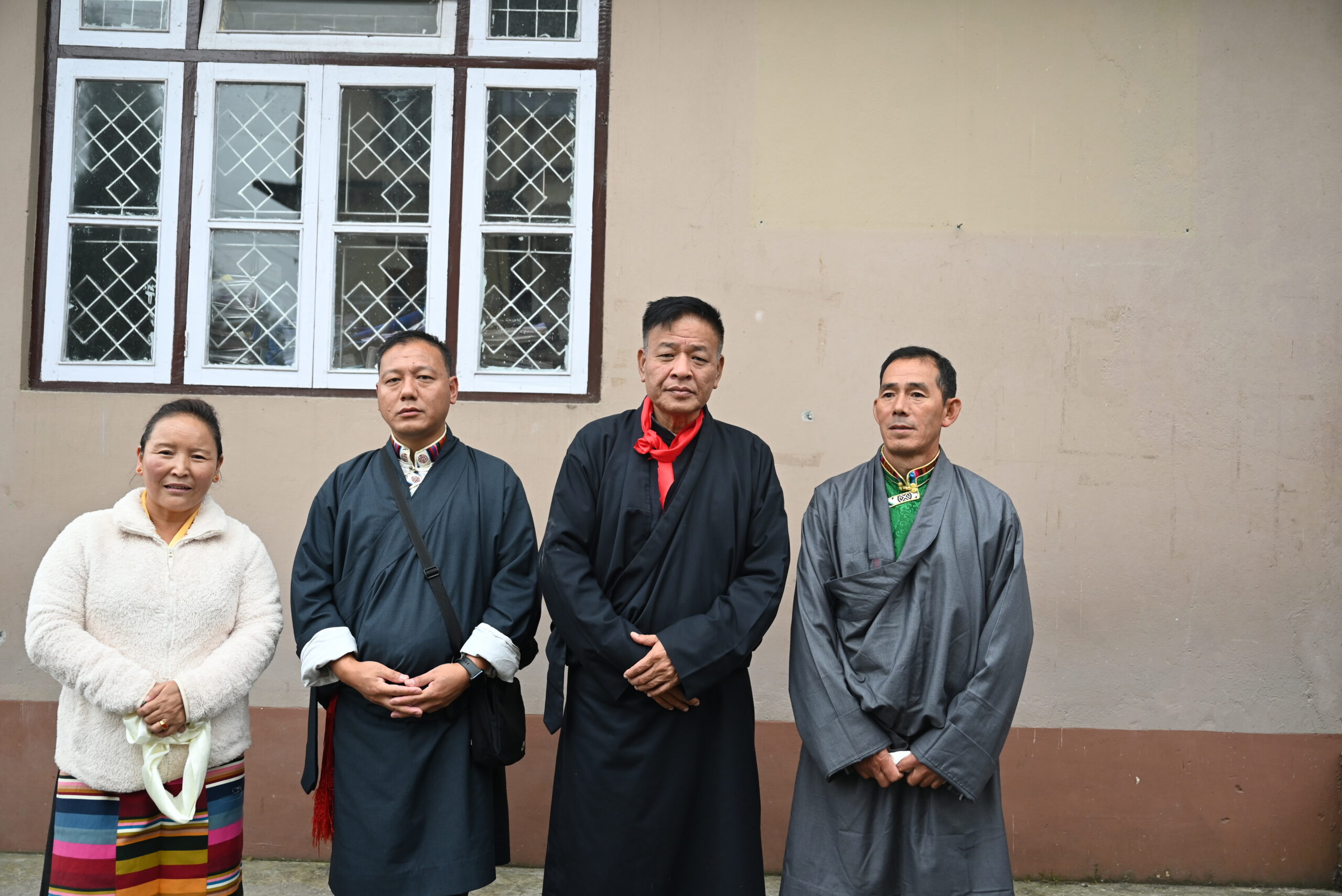


Ravangla: On the afternoon of 18 October 2024, Sikyong Penpa Tsering of the Central Tibetan Administration visited Kunphenling Tibetan Settlement and the Mentse-Khang branch for an inspection tour in Sikkim.
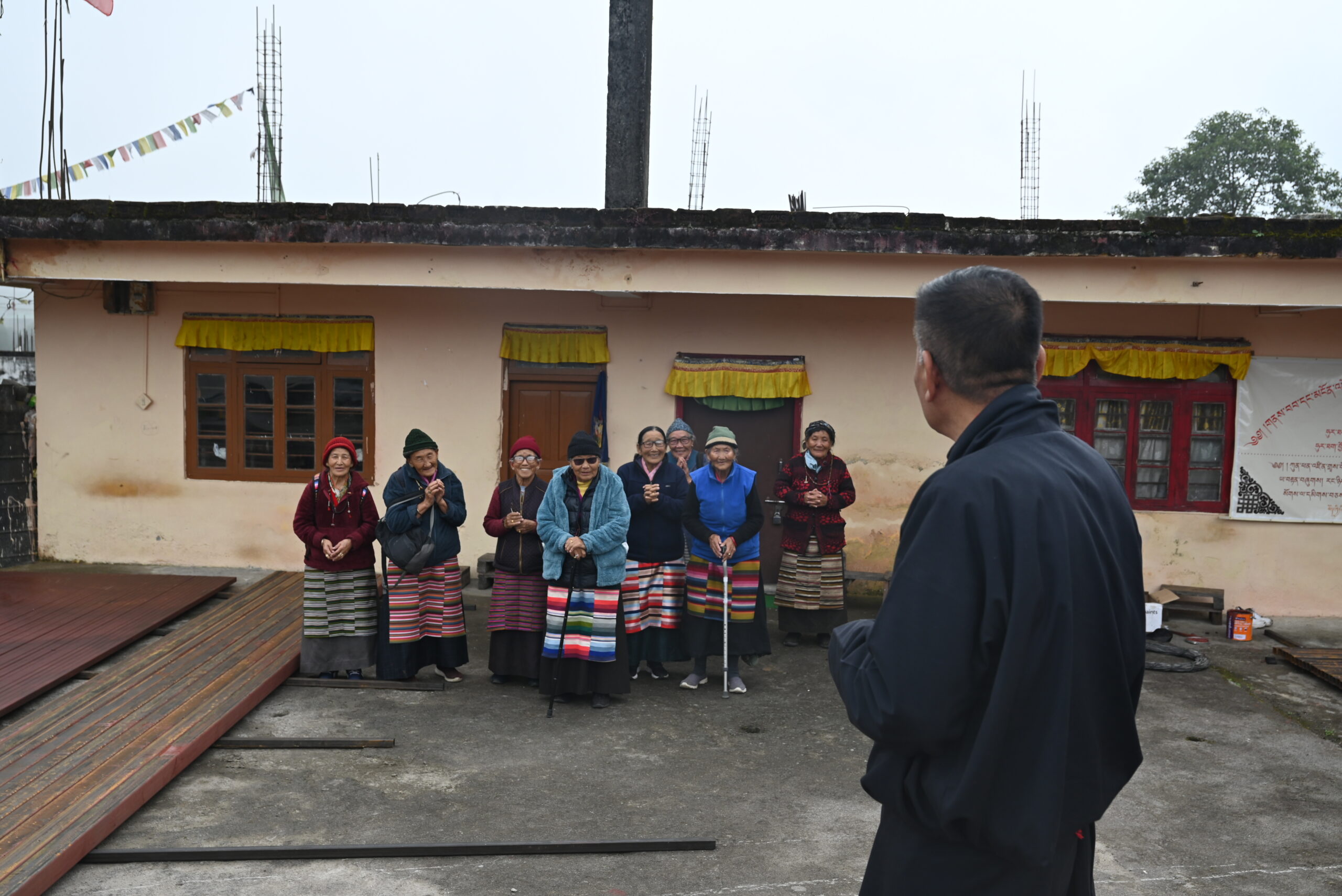
Upon his arrival at the Ravangla Tibetan Settlement, Sikyong Penpa Tsering was warmly greeted by the students of Sambhota Day School, camp leaders from Camp 1 through Camp 7 and local Tibetan settlers. One of the highlights of his visit was the stop at Thupten Dhargyeling Monastery, a significant spiritual centre for the community.
After he visited the monastery, Sikyong proceeded to the Sambhota Tibetan School for an inspection tour. There, he was warmly welcomed by the Headmistress, teachers, and students, who celebrated his arrival with a traditional song, further enriching the day’s experiences.
During his visit, Sikyong extended his greetings to the students and emphasised the importance of upholding strong moral conduct. He further highlighted the significance of good manners, noting that having knowledge without proper manners holds little value in society. He urged the students to embody both intellectual excellence and positive behaviour in their daily lives.
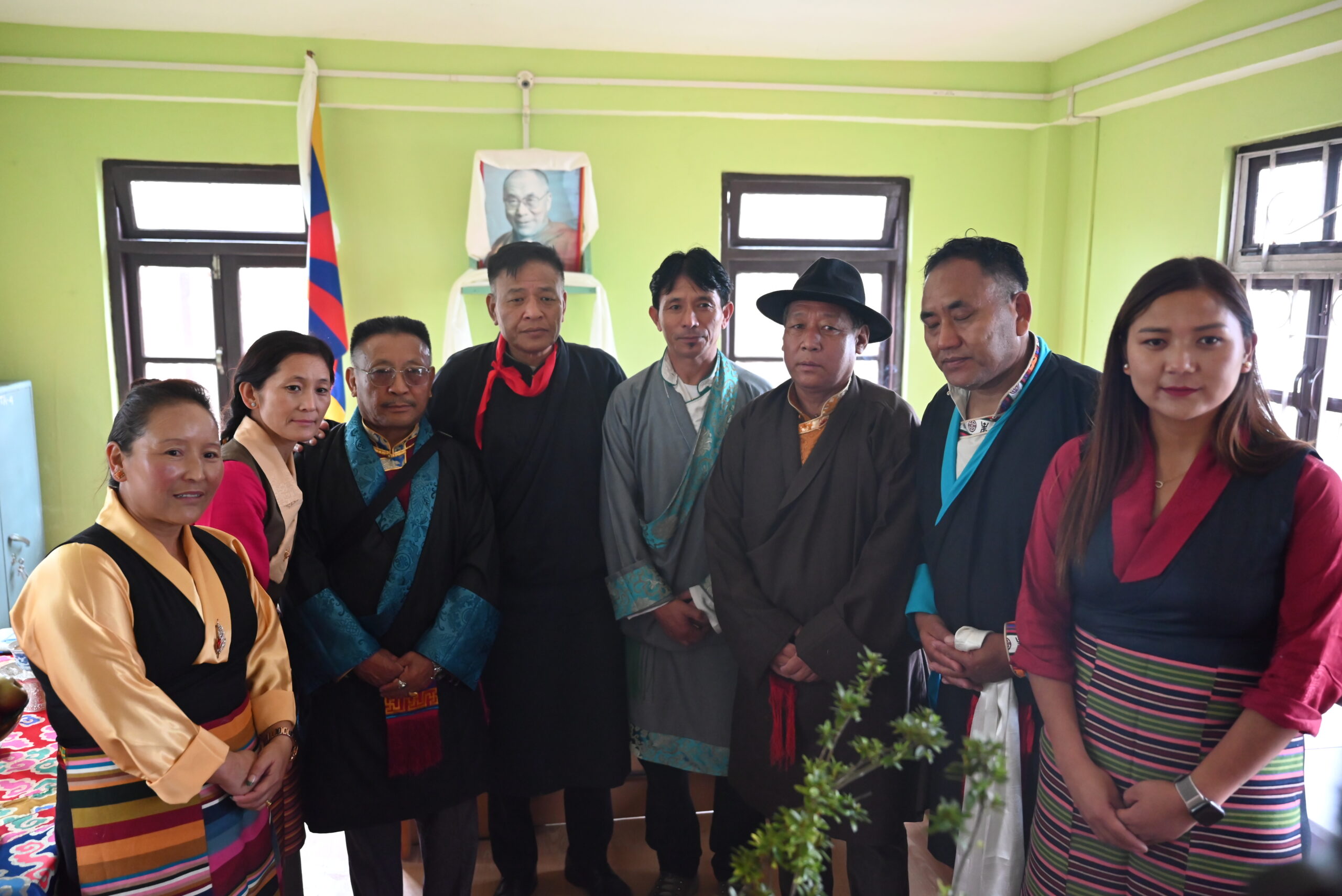
Later, Sikyong visited the Thupten Dhargyeling Monastery and the Nyagton Dhensa Lelung Monastic Institute. During this visit, he toured various camps within the settlement, including the Tibetan Primary Health Care Clinic, Local Tibetan Assembly Hall, Tibetan Regional Freedom Movement and the offices of the settlement. Subsequently, Sikyong proceeded to the Tibetan Settlement Office for an internal meeting with local leaders, where they discussed the challenges faced by the Tibetan settlers of Ravangla.
This meeting was followed by his address at the Gyalyum Chenmo Memorial Hall, where the Tibetans in the Kunphenling Tibetan Settlement gathered to hear Sikyong’s insights and reflections after his visits.
The event was attended by Settlement Officer Tenzin Lekshey, President of the Local Tibetan Assembly and President of Tibetan Freedom Movement, the President of the Cooperative Society, the Headmistress of the Sambhota Tibetan School, the Caretaker of Thupten Dhargyeling Monastery, representatives of local Tibetan associations, camp leaders from camp 1 to camp 7 and general public of the Kunphenling Tibetan Settlement, along with students.
At the hall, Sikyong addressed the residents of Kunphenling Tibetan Settlement. Following a report by Tibetan Settlement Officer Tenzin Lekshey, Sikyong highlighted how His Holiness’s vision and the dedication of the older generation helped establish the Tibetan exile community. He explained that this second visit to the settlement aims to strengthen ties between the administration and the public, despite the challenges posed by a dispersed population. Midway through Sikyong’s talk to the Kunphenling Settlement, the Commanding Officer and Political Leader from 6 Vikas joined the event along with the public.
In his opening remarks, Sikyong stated, “Today, I stand before you to discuss our collective journey and the path we must take to ensure the preservation of our identity and culture.” He emphasised the twin goals of the Central Tibetan Administration: resolving the Sino-Tibetan conflict through dialogue based on the Middle Way Approach and looking after the welfare of the Tibetan people in exile.
Speaking at the Gyalyum Chenmo Memorial Hall in Kunphenling Tibetan Settlement, Sikyong highlighted the unwavering commitment of His Holiness’s Middle Way Approach (MWA) for resolving the issue, “From the very beginning of His Holiness’s leadership, he has consistently emphasised that resolving the Tibet issue through peaceful and non-violent means is the most viable path forward.”
Sikyong explained that His Holiness, drawing from both his Buddhist philosophy and the Gandhian principles of non-violence, envisioned a solution based on dialogue and mutual understanding. “The Middle Way Approach is not about seeking independence, but rather genuine autonomy within the framework of the People’s Republic of China. This approach ensures the preservation of Tibet’s unique cultural, spiritual, and linguistic identity, while maintaining peaceful coexistence”, he noted.
Additionally, he emphasised the importance of preserving Tibetan religion, culture, and history, particularly in the context of China’s policies aimed at eradicating Tibetan culture and identity, which seek to erase Tibet from the memories of younger generations.
Speaking about the importance of preserving Tibetan identity and history, Sikyong Penpa Tsering noted that many Tibetan parents are moving abroad these days. While they may find a better quality of life compared to India, he reflected on conversations with parents who have shared their motivations. “They often say they moved abroad for the brighter future of their children,” he stated. However, he raised a critical concern: as children grow up and integrate into societies far removed from Tibetan culture, they may drift away from their roots.
Sikyong cautioned, “Once these children become adults and enjoy the freedoms of a democratic society, parents can no longer impose their beliefs or traditions on them.” He expressed that this situation can lead to parental worry and doubt about whether the decision to move abroad was indeed the right choice.
Sikyong stressed that ultimately, the responsibility lies with both parents and their children. He cautioned, “If you focus solely on one side and neglect the brighter aspects of life, you may find yourself reflecting on that decision for the rest of your life.”
During his visit to the Kunphenling Tibetan Settlement, Sikyong Penpa Tsering addressed the residents with a focus on the future of the Tibetan community in exile. He added, “Our efforts to maintain our religion, culture, and history are crucial. Each of you plays a vital role in this preservation. Whether through teaching our children the Tibetan language or celebrating our festivals, we must ensure that the essence of Tibet continues to thrive.”
Sikyong also addressed the significance of unity among Tibetans, urging everyone to work together for the common cause. “In unity, we find strength. Together, we can safeguard our identity and heritage against any attempts to undermine them,” he said, encouraging community members to remain engaged and active in cultural preservation efforts.
In conclusion, Sikyong remarked, “Our journey may be challenging, but as long as we stand together, with the guidance of His Holiness, we will continue to strive for a peaceful resolution and a bright future for our people.”
In the early morning of Saturday, 19 October, Sikyong Penpa Tsering departed from Bagdora Airport for Delhi. Throughout his official engagements in the Kunphenling Tibetan Settlement, he was accompanied by Additional Secretary Tashi Dickey, Uma Trinley from the Department of Home and Settlement Officer Tenzin Lekshey.
From 6 to 15 October, Sikyong Penpa Tsering undertook a European tour, engaging with prominent members of Tibet Support Groups in Switzerland, the Netherlands, Luxembourg, and the Czech Republic. During this visit, he attended the Zurich Film Festival and Forum 2020, where Sikyong participated in discussions aimed at raising awareness about the Tibetan cause.
Upon returning to India, Sikyong continued his engagements by participating in the 600th birth anniversary celebration of the first reincarnation of Goshir Gyaltsab Rinpoche at Palchen Chosling in Ravangla, Sikkim.