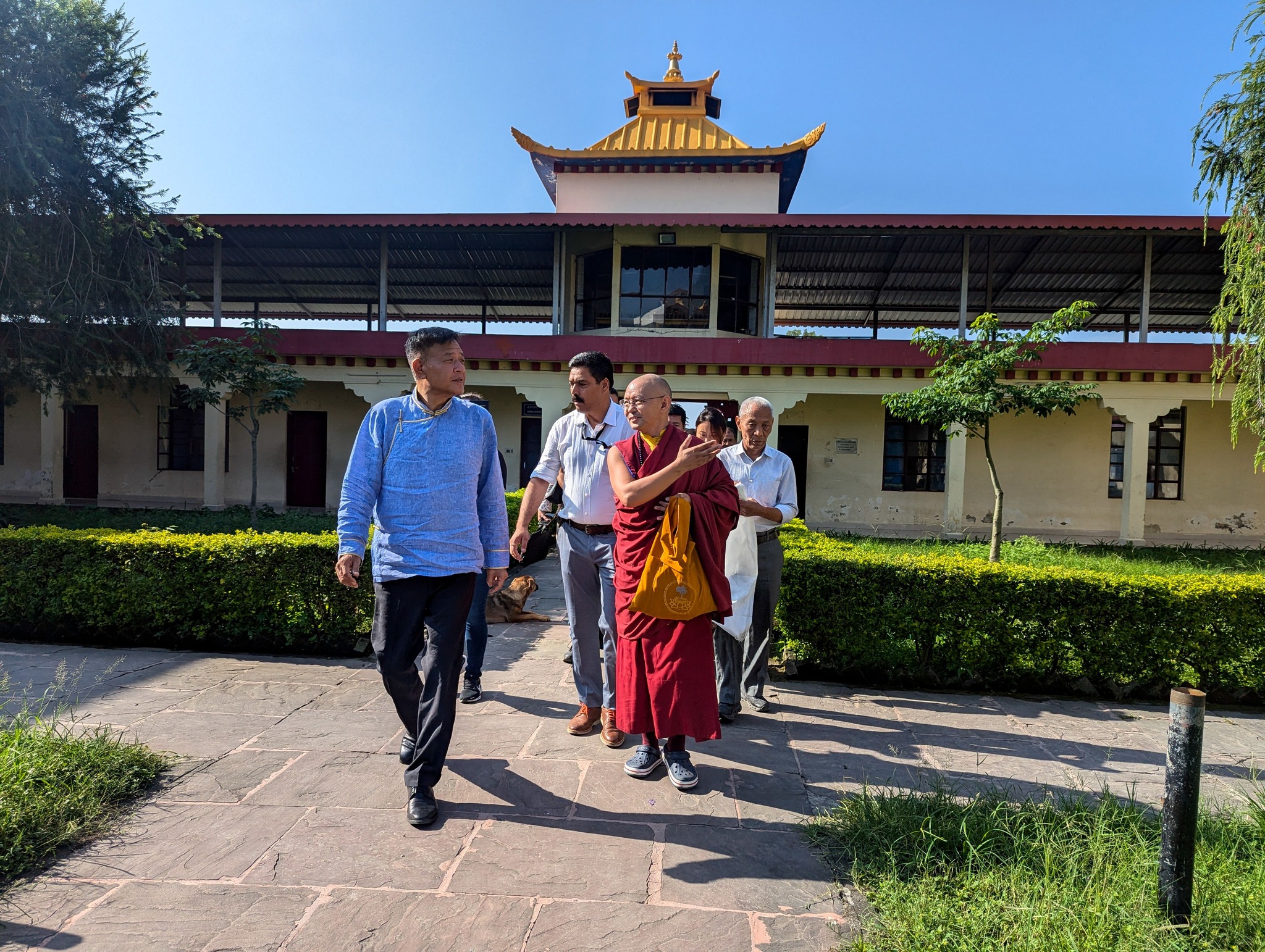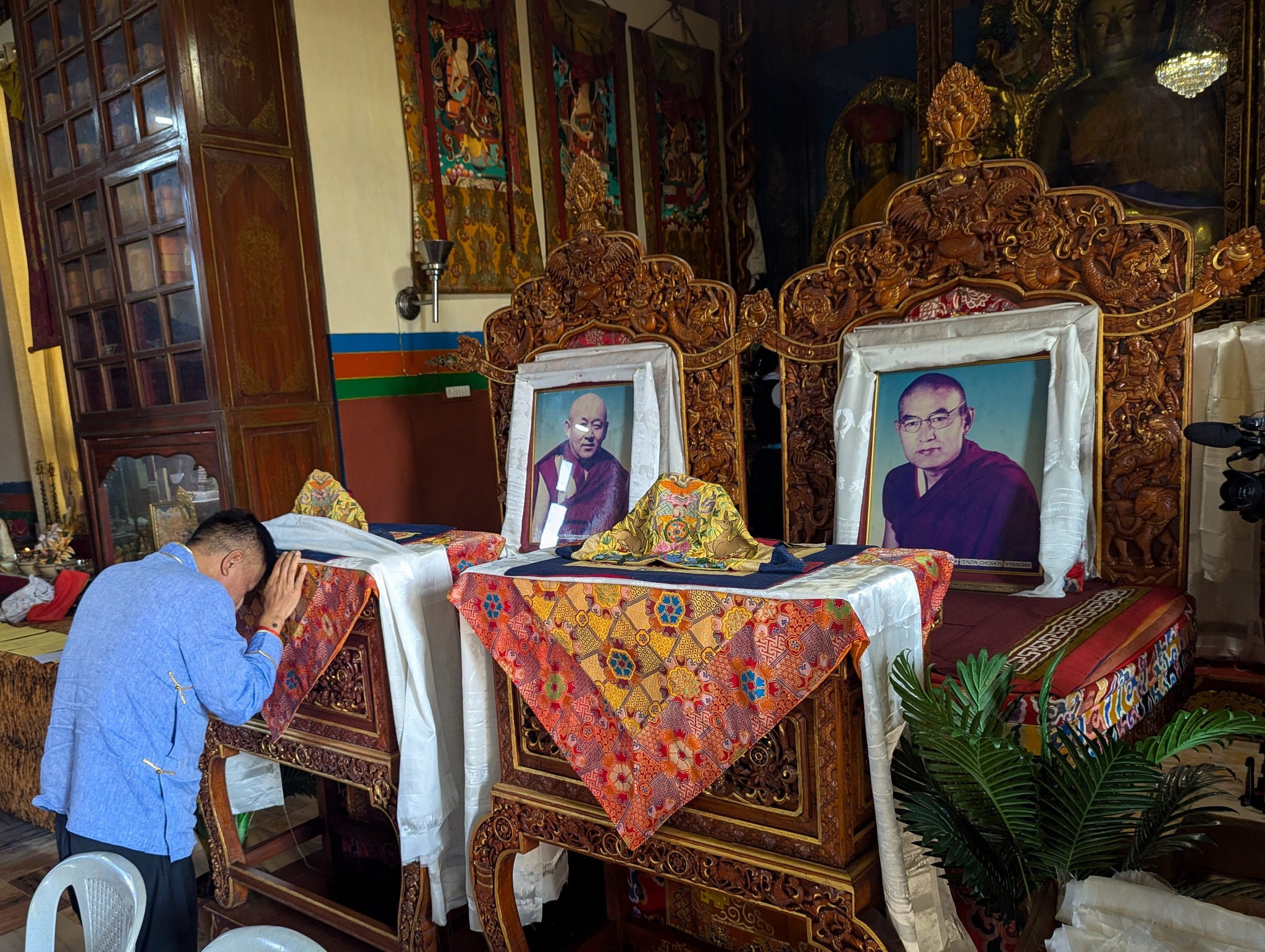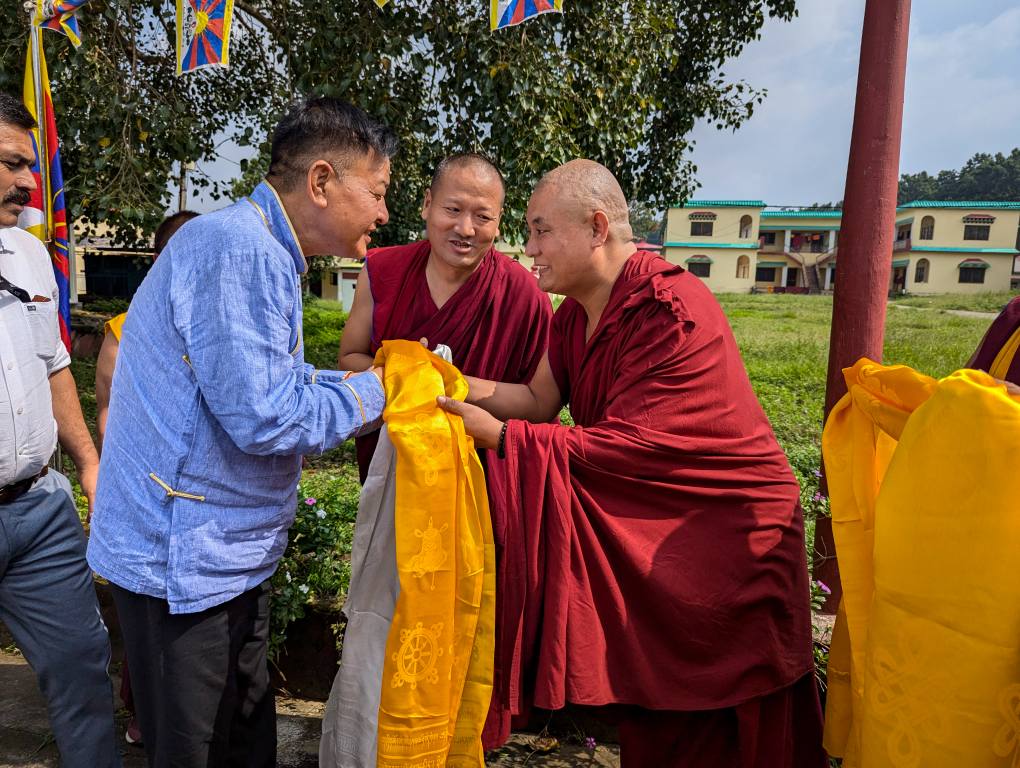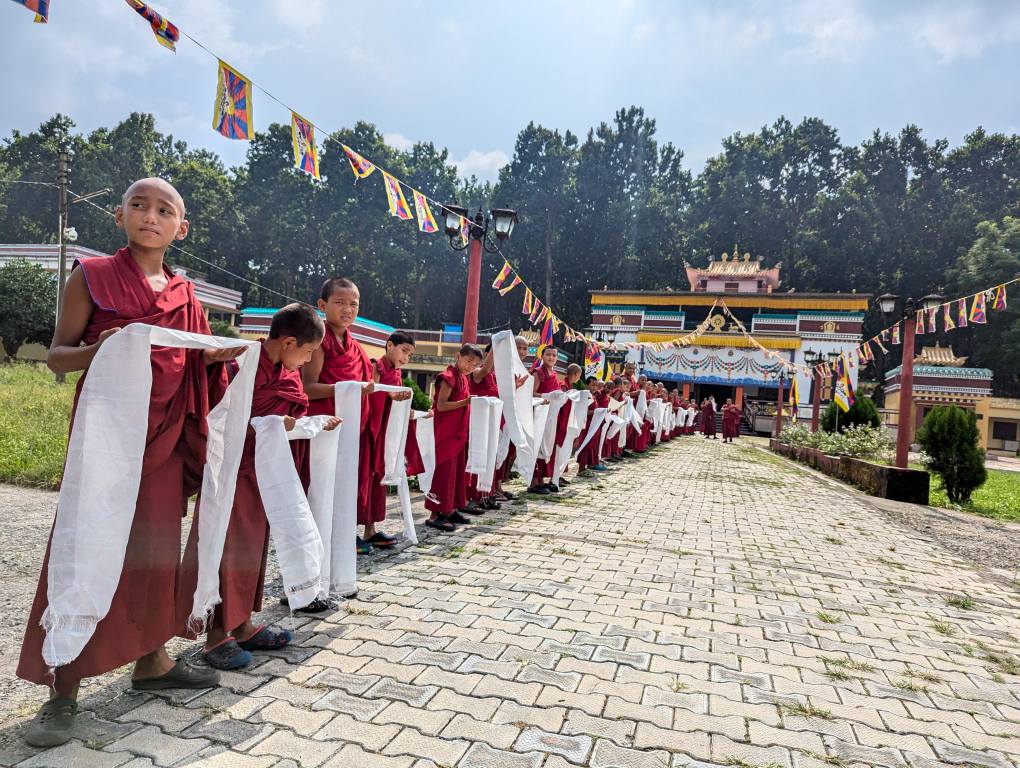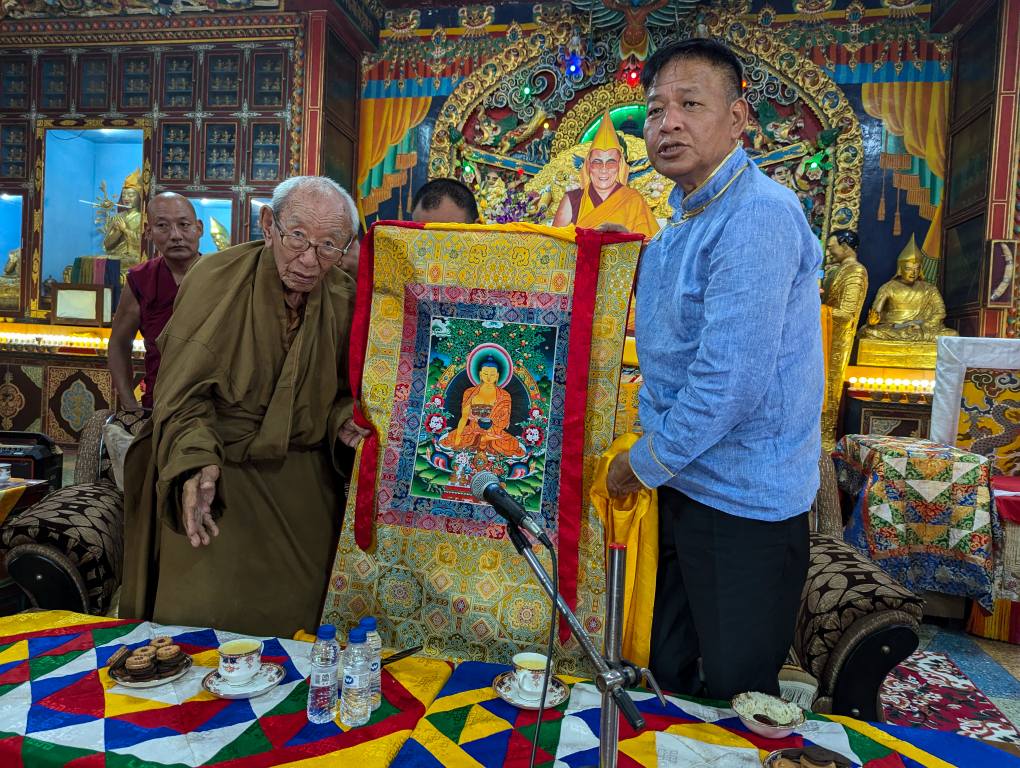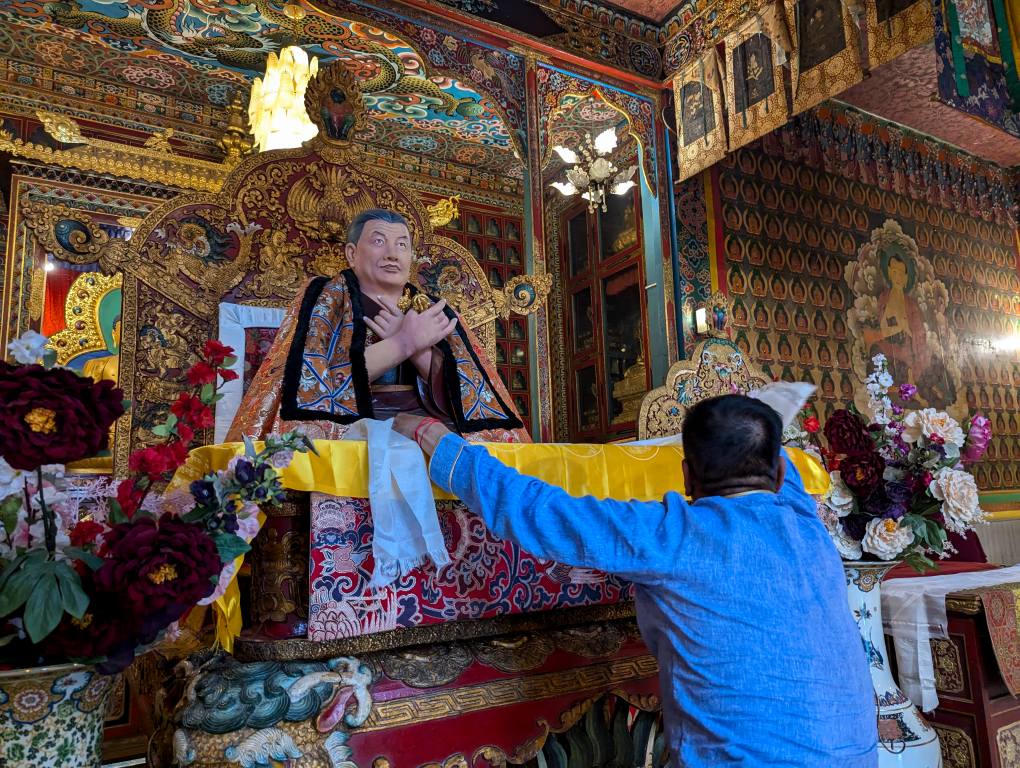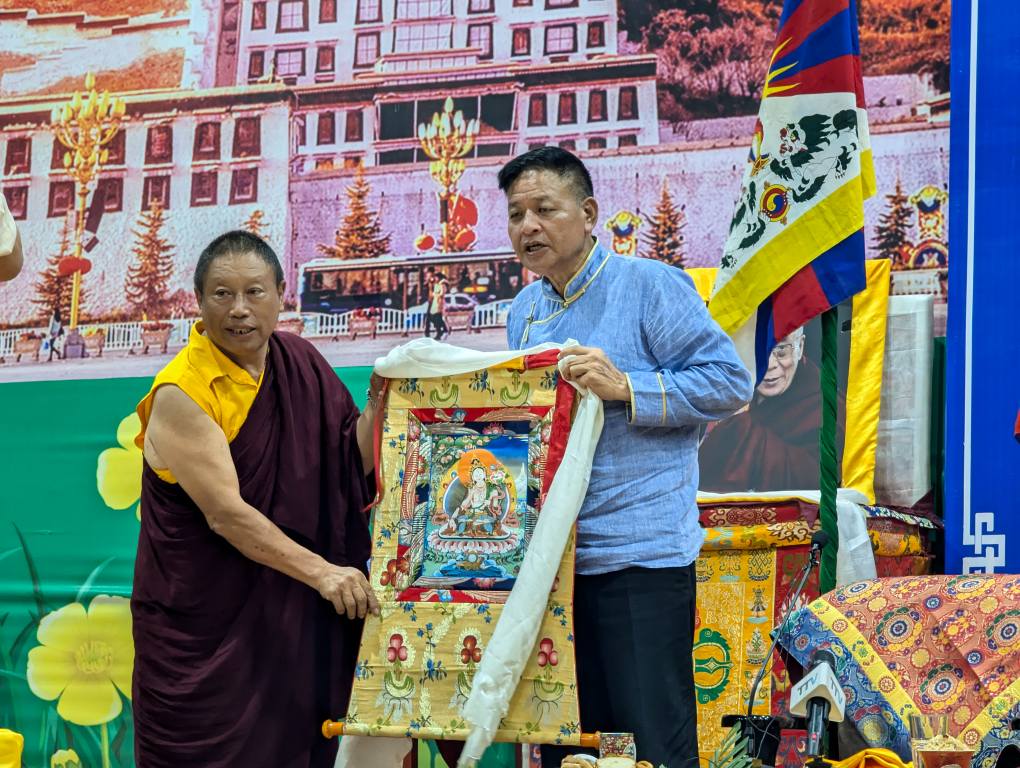
Dehradun: On 30 September 2024, during the seventh day of his official visit, Sikyong Penpa Tsering of the Central Tibetan Administration began his morning by paying obeisance at the Drikung Jangchubling Monastery.
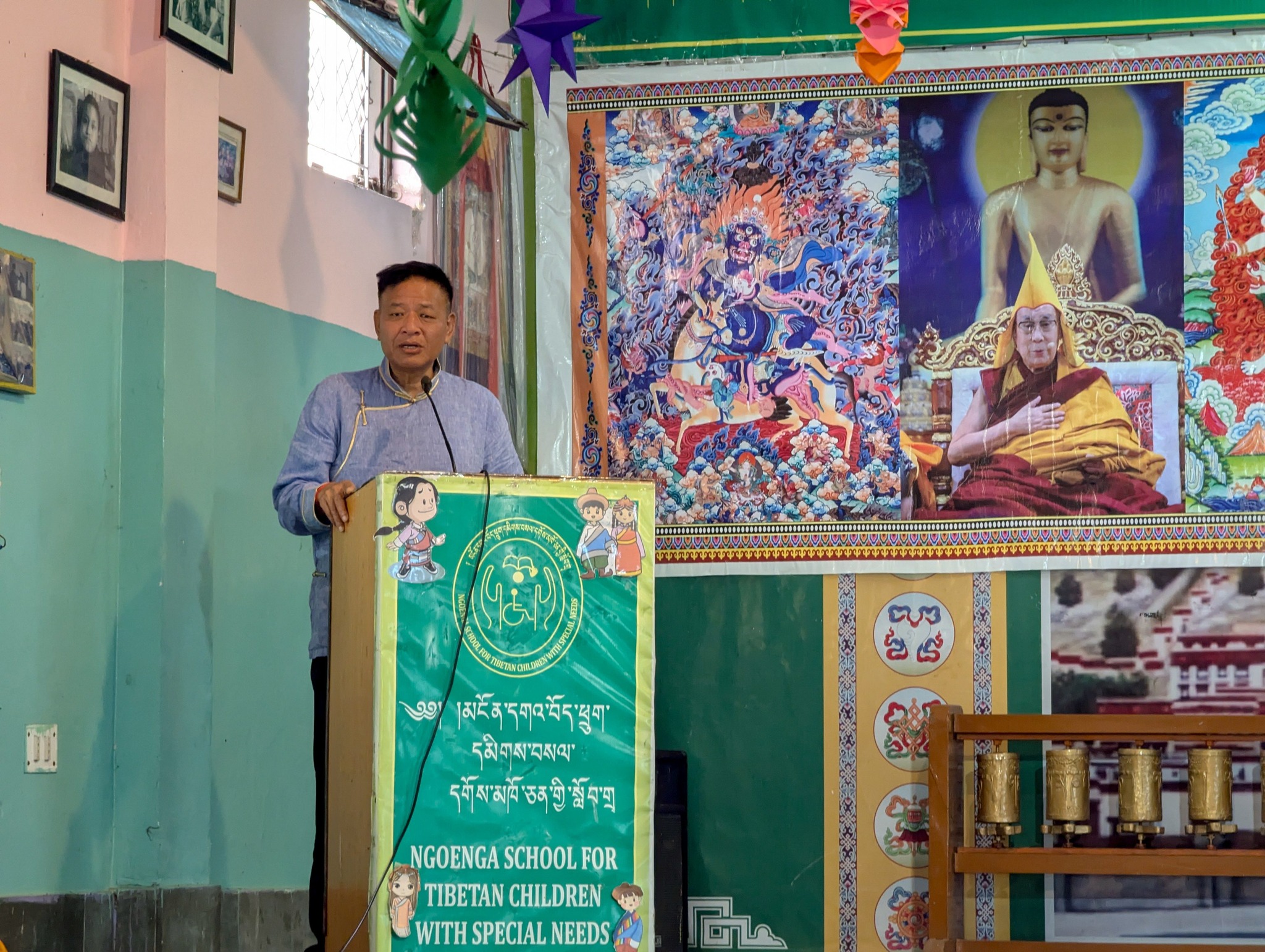
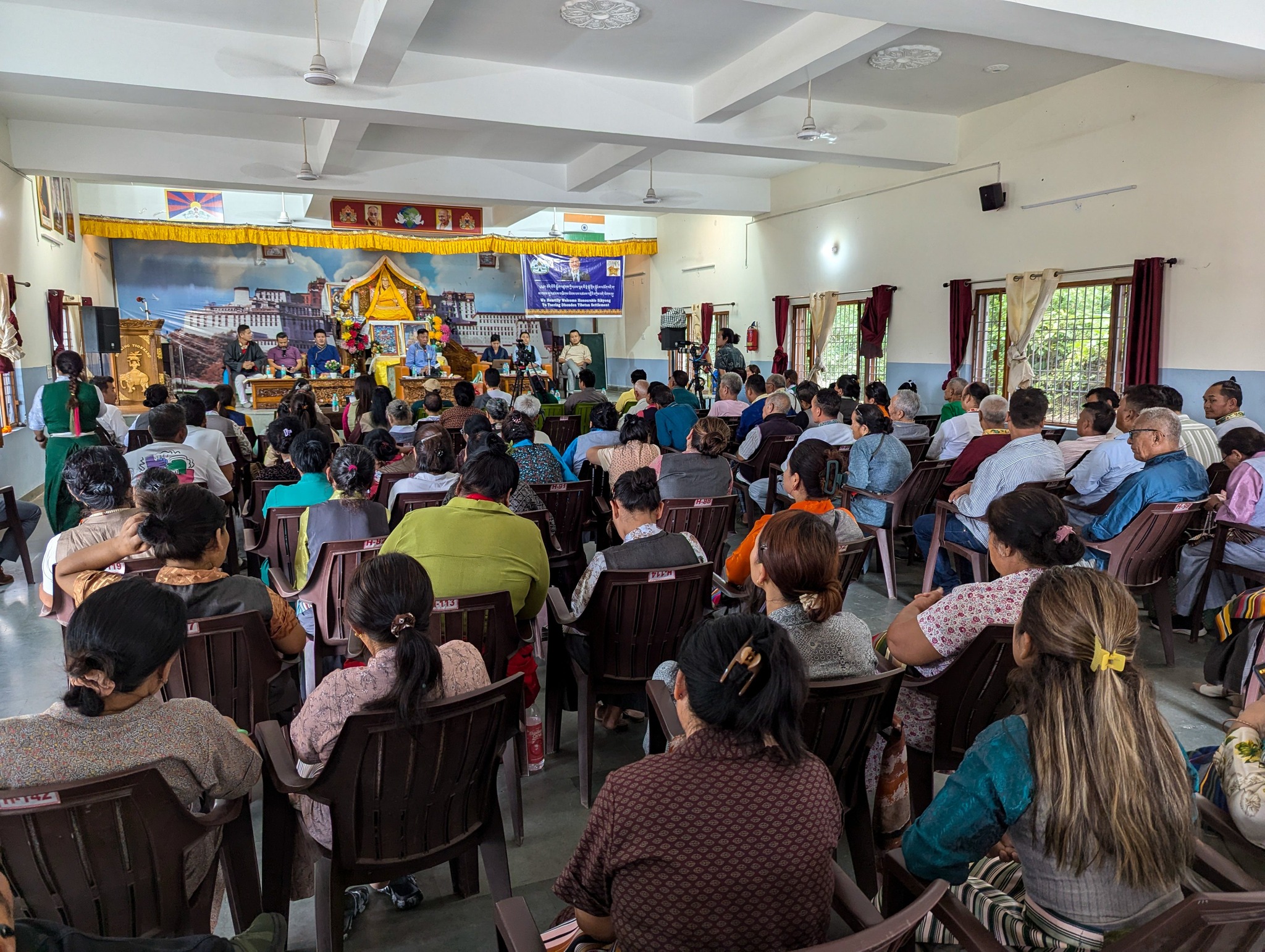
He then visited the Ngoenga School for Tibetan Children with Special Needs, where he met both teachers and students. Thereafter, Sikyong visited the Tsering Dhonden Tibetan Settlement in Raipur and addressed the residents at Norling Community Hall.
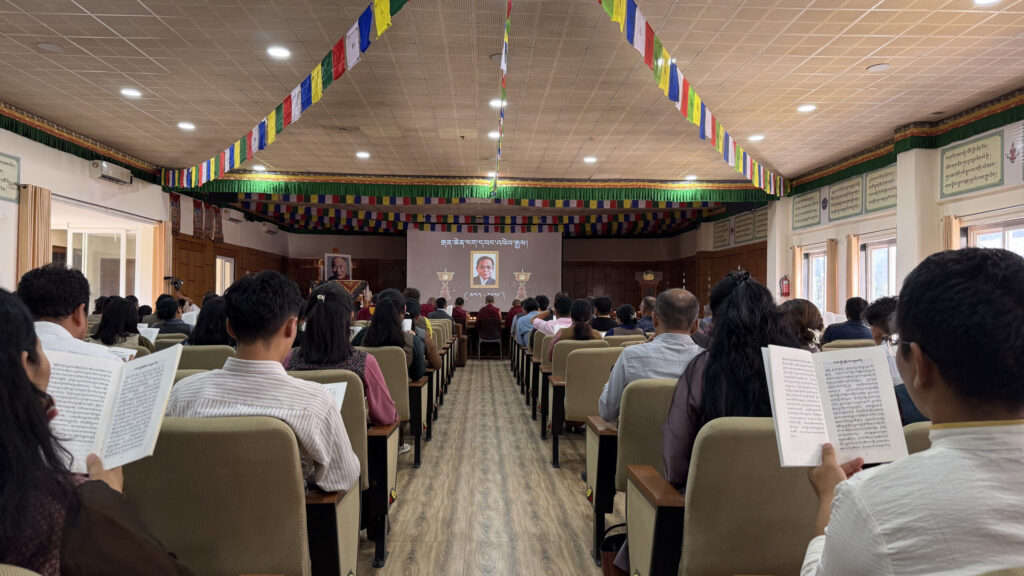
Dehradun Local Tibetan Settlement Officer, Dhondup Gyalpo, commenced the gathering with a welcome speech and presented the settlement’s annual report.
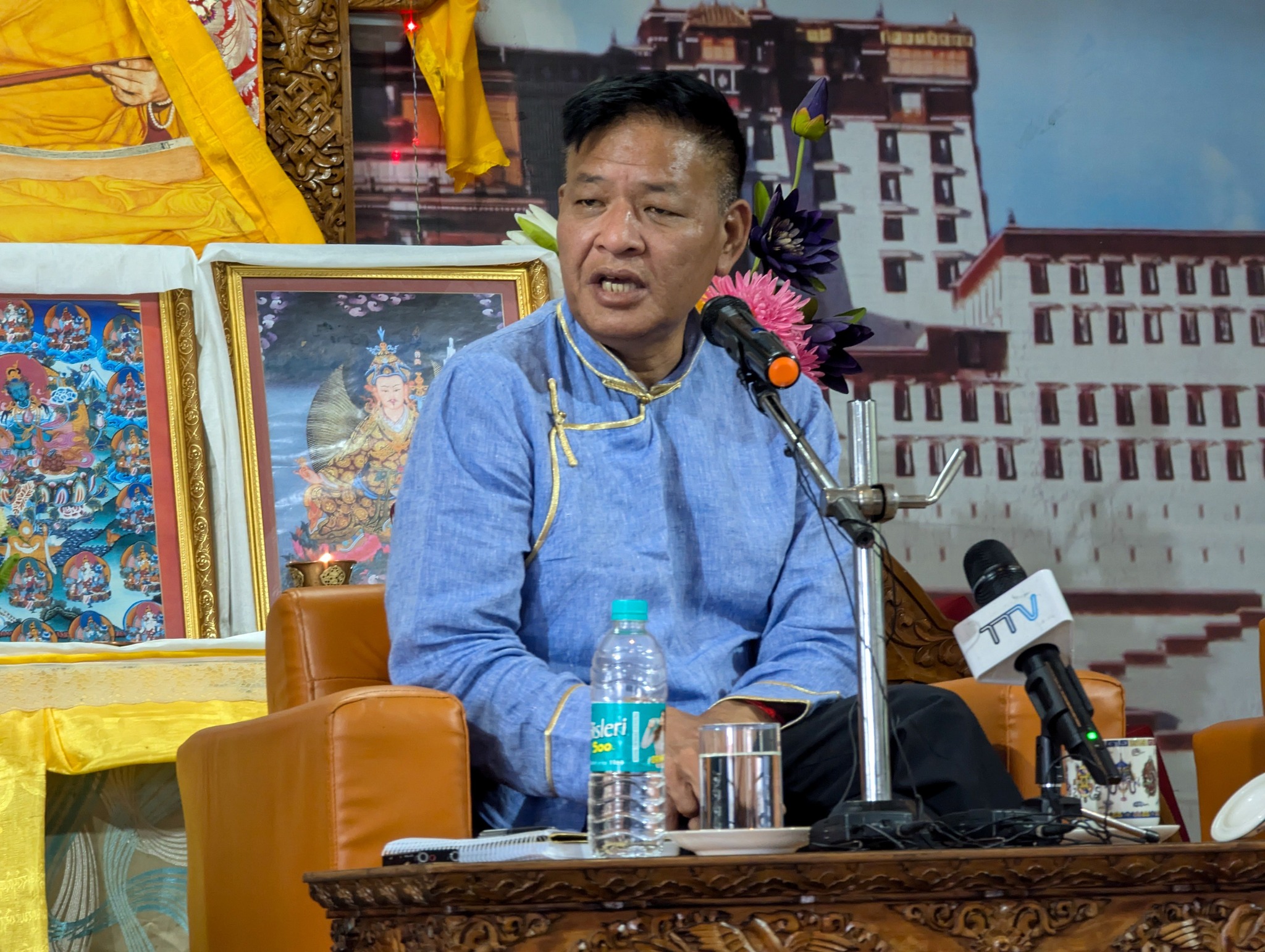
In his keynote speech, Sikyong emphasised that, “Tibetans must study history in order to effectively advocate for the Tibetan cause”. Sikyong stated that, having been elected by the people’s trust, he is working on political and social welfare issues for the Tibetan cause, based on the campaign promises and in line with the 16th Kashag’s ‘Securing Tibet Future’ vision paper.
Sikyong stressed that the primary objective of the Tibetan freedom struggle is to resolve long-standing Tibet-China conflict and hence, advised the public to pay attention not only in their own welfare but also to the general political situation. Additionally, Sikyong explained that the Kashag has made improvements to the organisational structure of the Central Tibetan Administration to enhance efficiency and quality of work, and updating rules and regulations as needed.
Sikyong also reported that the CTA is striving to modernise administration through digital technology. This includes digitising old government documents, initiating online inter-departmental communications, and creating digital libraries of Tibetan Buddhist texts.
In addition, Sikyong clarified Kashag’s principle of equitable justice, stating that all Tibetans in exile were provided with equal facilities and opportunities, including in allotment of land through the ongoing resettlement program with efforts being made to collect accurate data for its effective implementation. Sikyong further declared the Kashag’s firm commitment of adhering to the official policy of the Middle Way Approach.
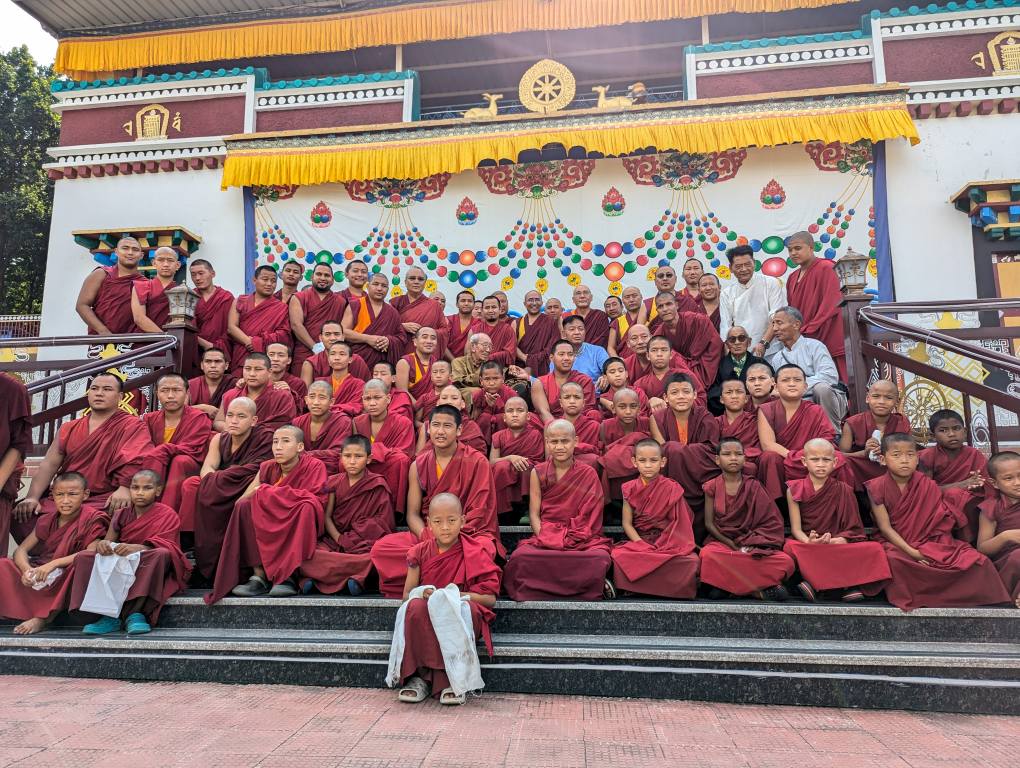
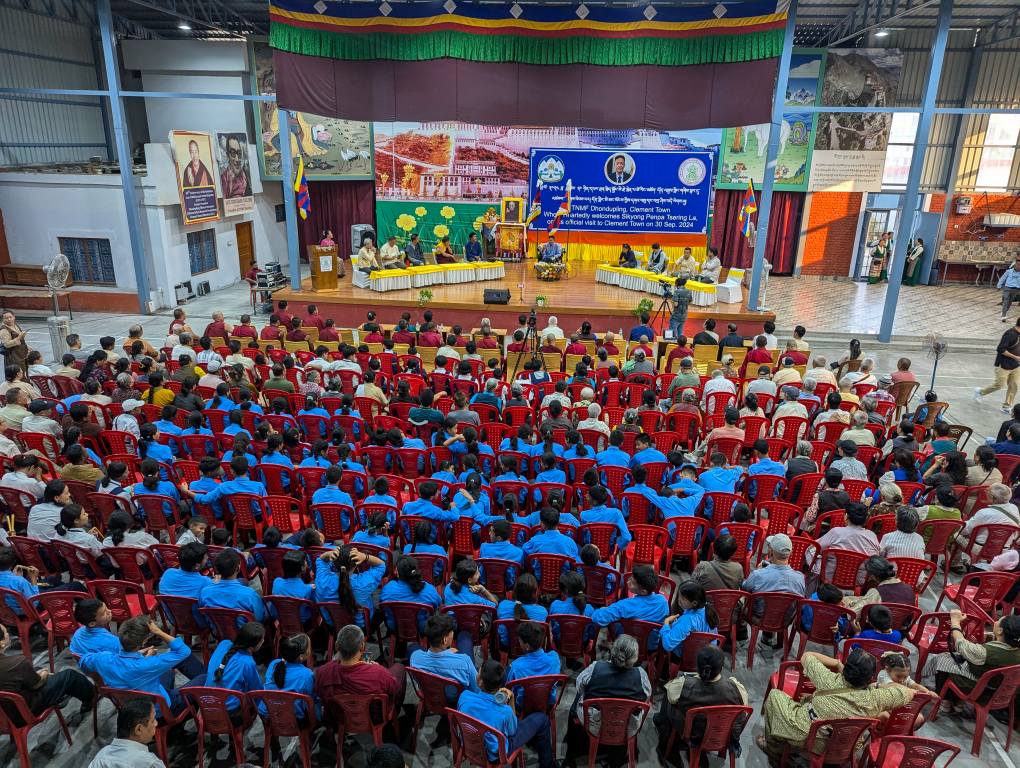
Subsequently, Sikyong arrived at the Dhondupling Tibetan settlement (Clement Town) in Dehradun. There, he was welcomed by Lama Phuntsok, General Secretary of Dhondupling settlement, and then visited Labrang Tashi Kyil monastery where he met with Alak Rita Rinpoche. After visiting Dechen Chokhorling and Mindrolin monasteries in Clement Town, Sikyong toured Tibetan Nehru Memorial Foundation School and inaugurated the school’s new metal roof sponsored by the Department of Education (CTA). Later, Sikyong addressed the Tibetan settlers at Phuntsok Palkhil Hall.
During his speech, Sikyong recounted how the Chinese government began invading Tibet from the east around 1950 subsequently forcing the “Seventeen Point Agreement” in 1951 usurping Tibet’s sovereignty. Sikyong further added that although His Holiness the Dalai Lama made efforts for many years to peacefully implement the said agreement, the Chinese government violated its terms, ultimately leading to His Holiness’s exile in India. In India, with His Holiness’ astute leadership, the three traditional provinces of Tibet were united, and a democratic system was established. Sikyong further said that under leadership of His Holiness and support from the government of India, separate settlements and schools were established for Tibetan refugees to preserve Tibetan identity and continue the Tibetan freedom struggle.
While reiterating the other key issues that he discussed at the Tsering Dhonden Tibetan Settlement, Sikyong talked about the U.S. government’s recent legislation on Tibet Act.
Throughout his official engagements, Sikyong was accompanied by Additional Secretary Tashi Dickey, Department of Home; Settlement Officer of Dehradun Dhondup Gyalpo; Thupten Rigzin from the Social and Resource Development Fund; and Pema Yudon from the Department of Health.