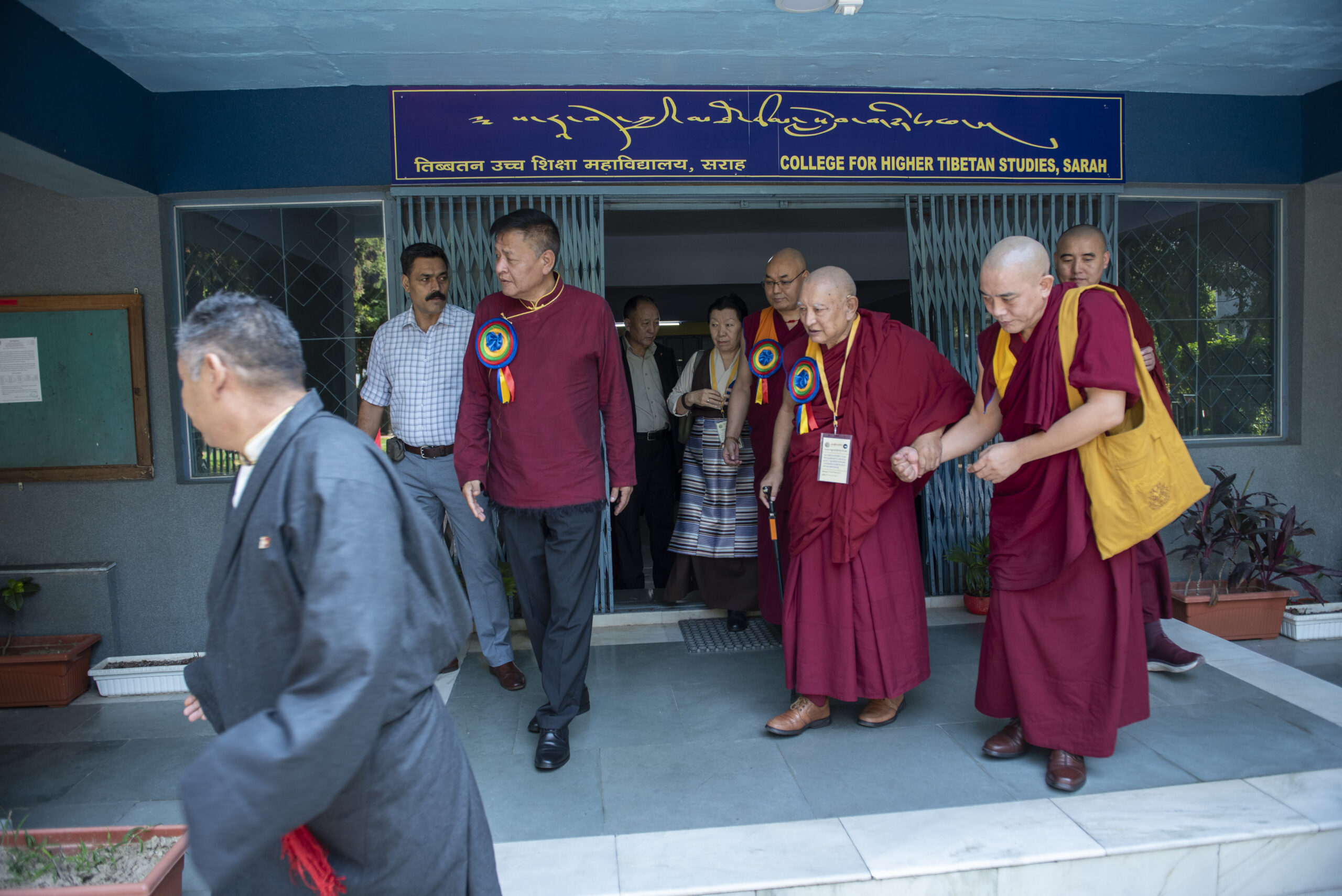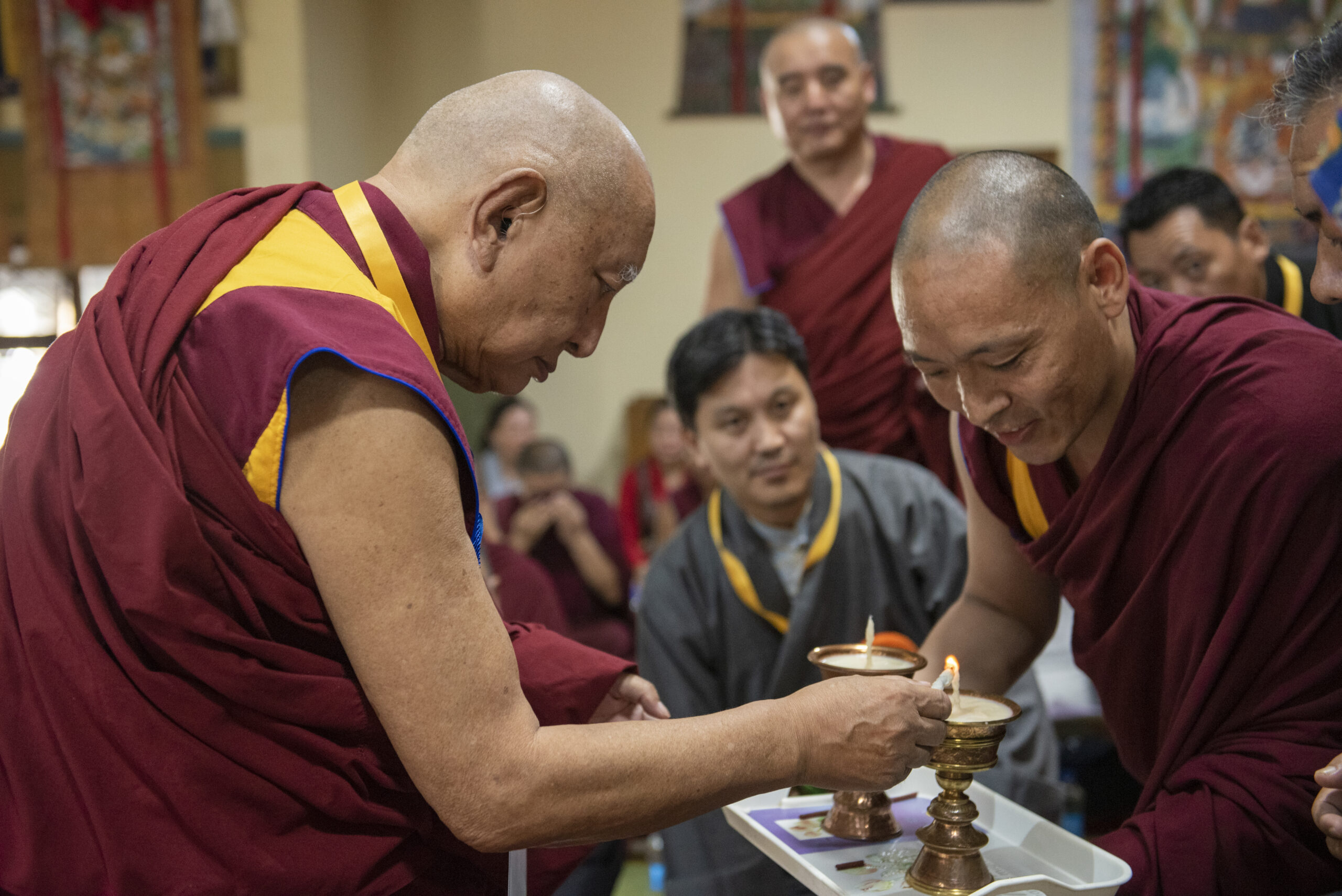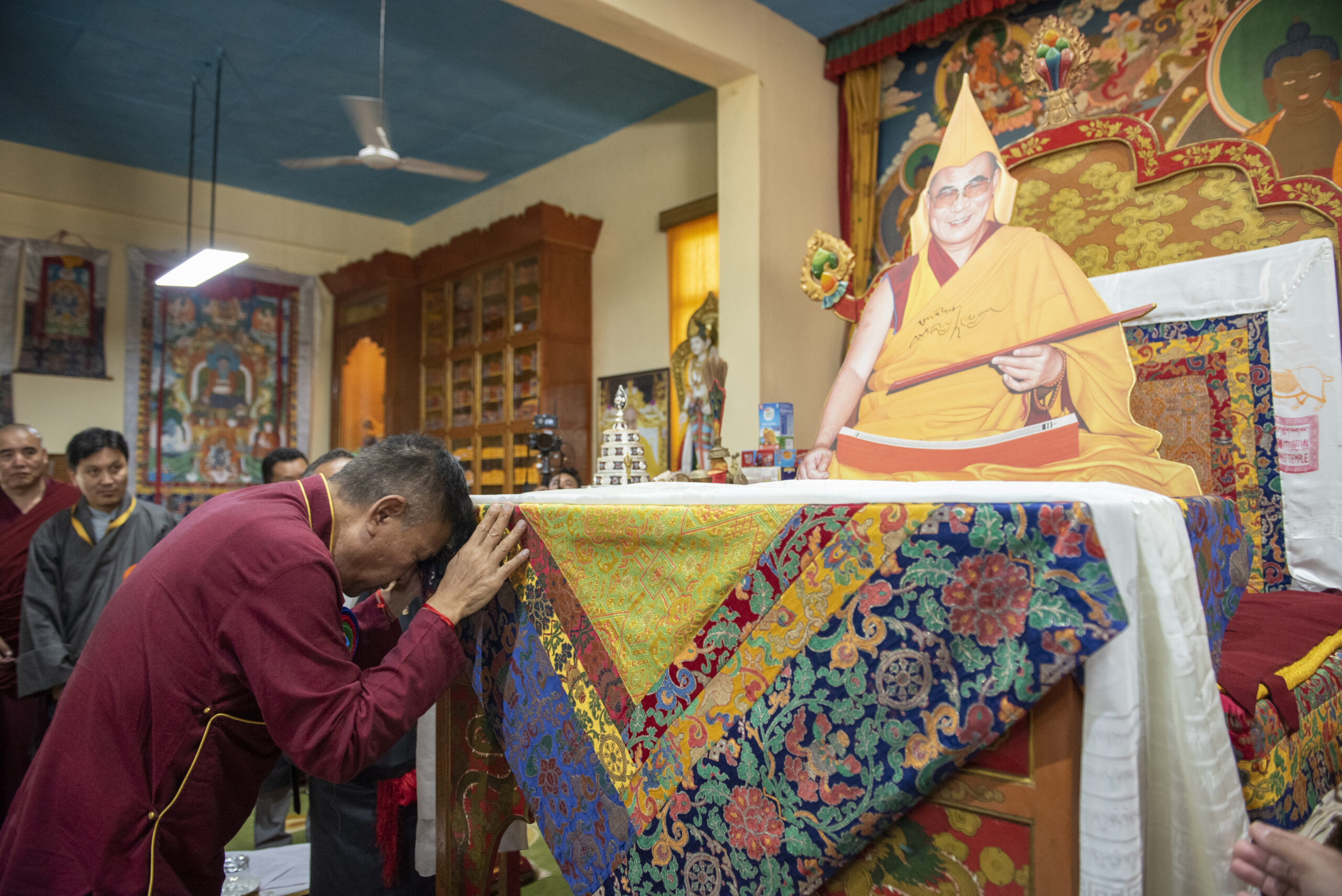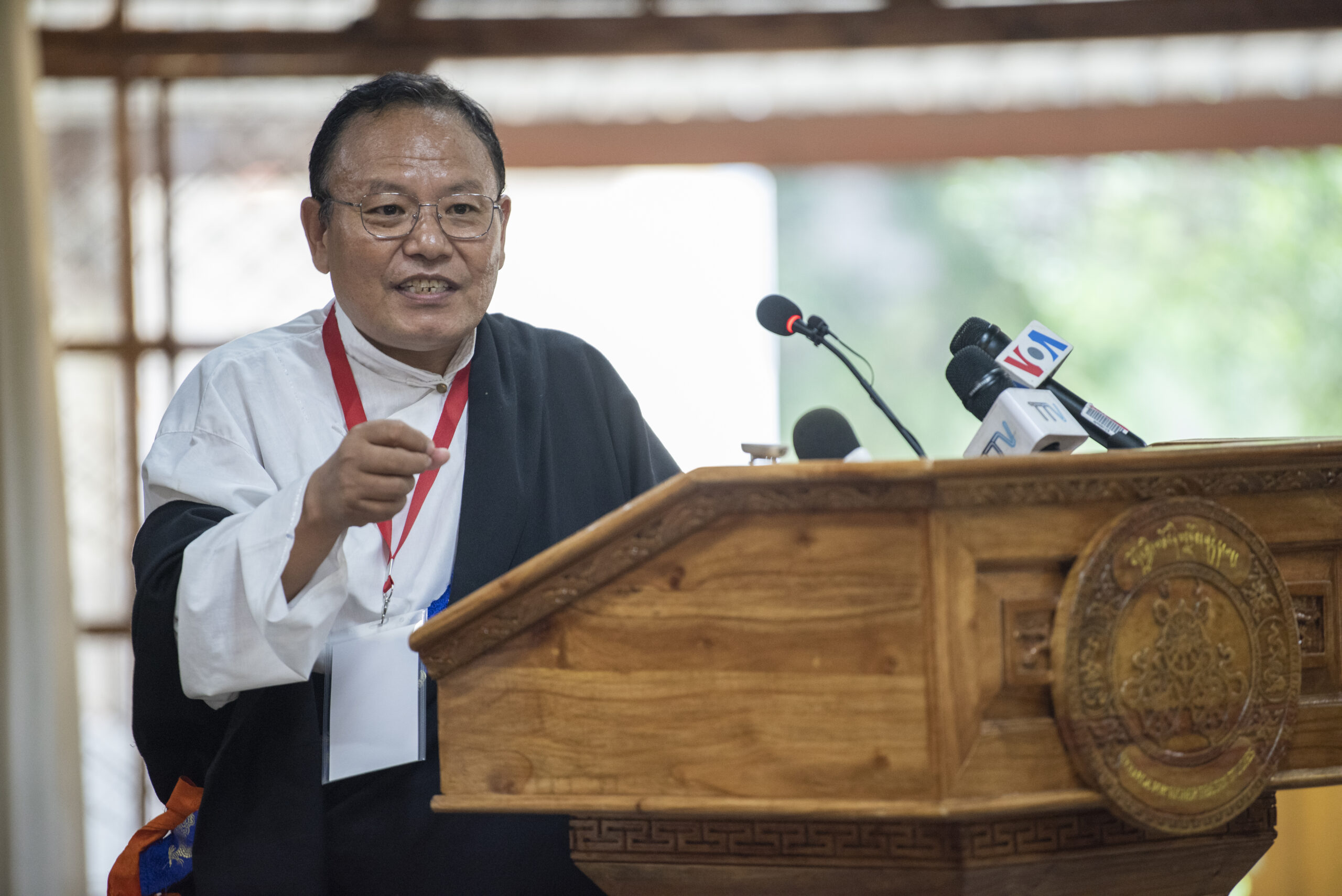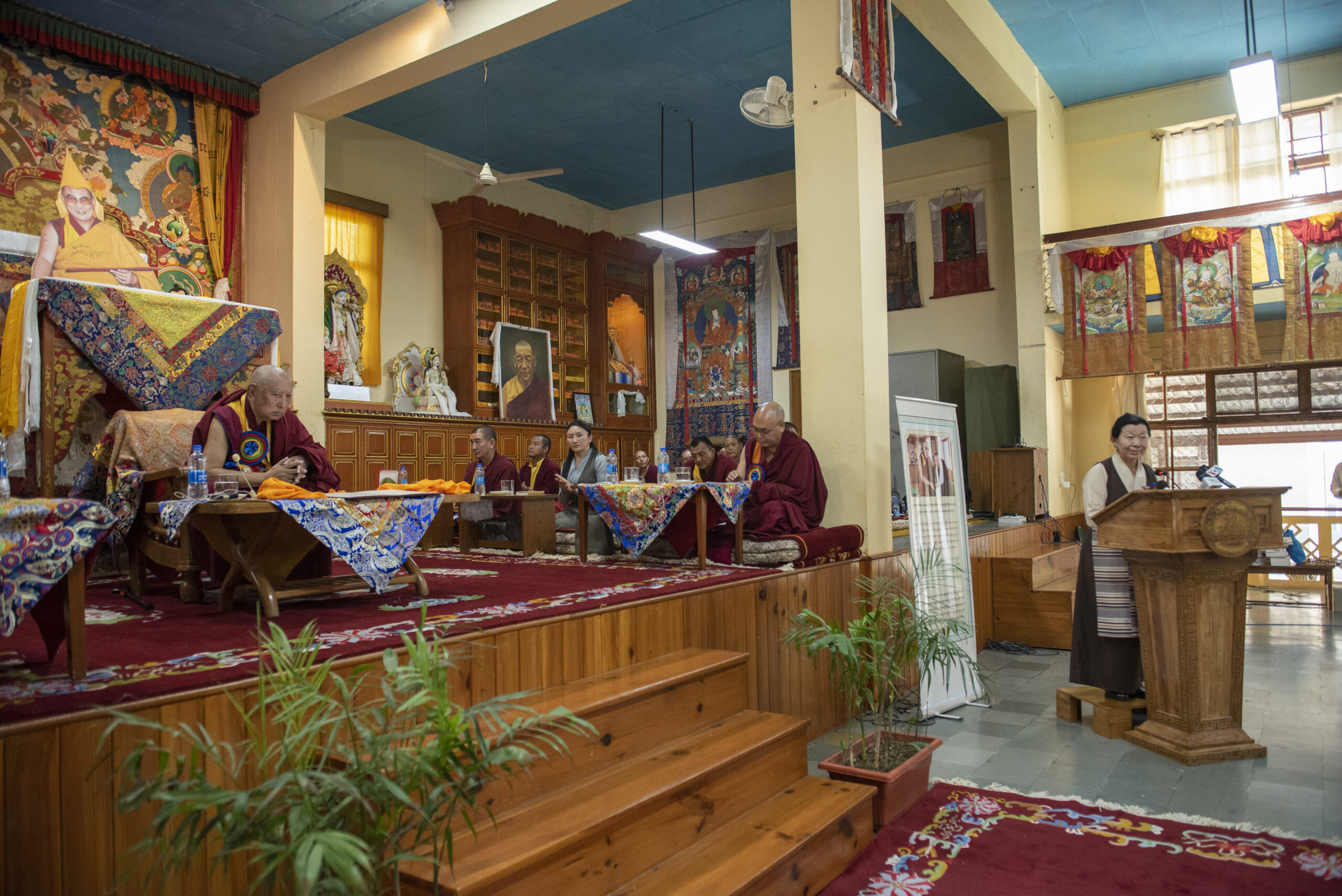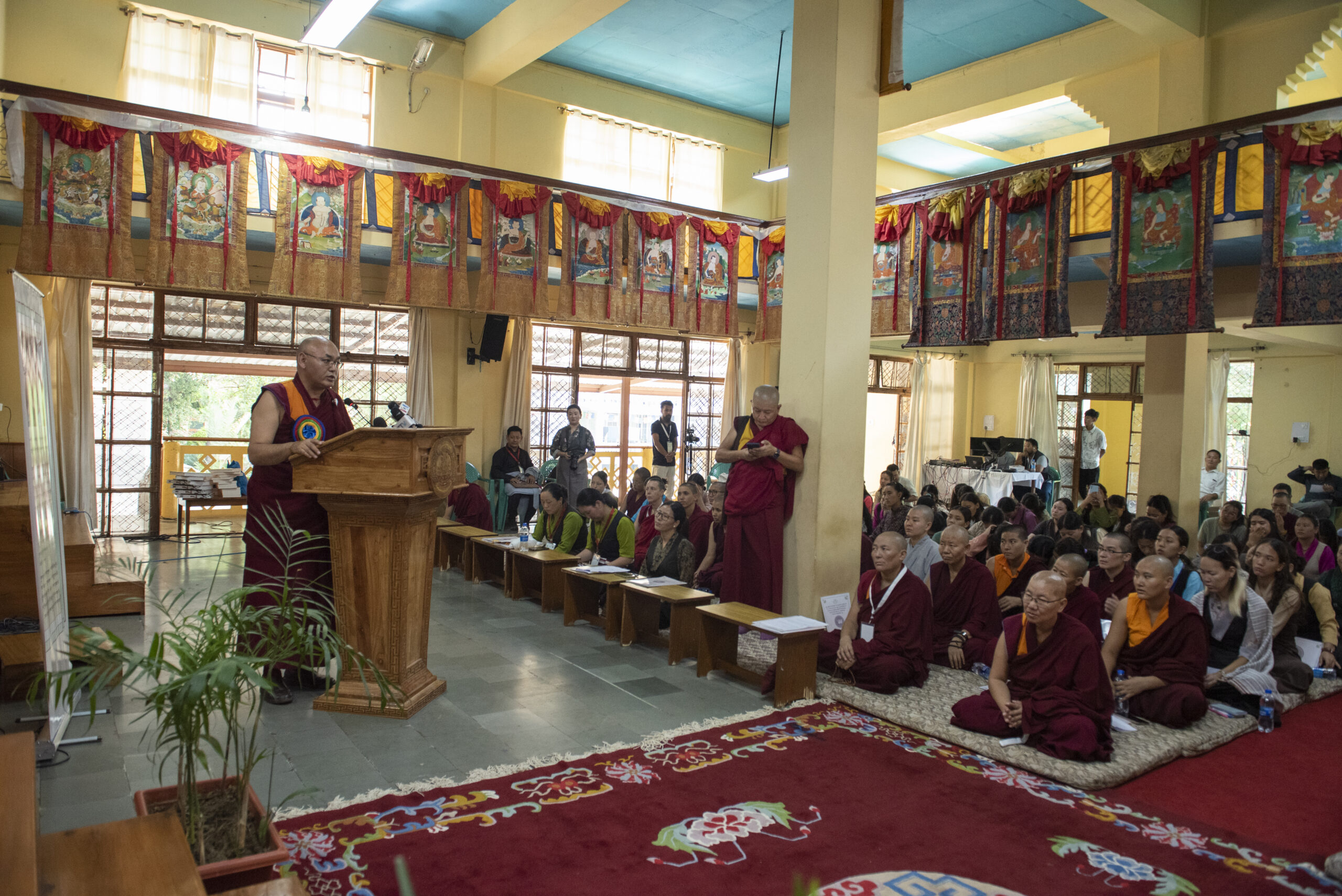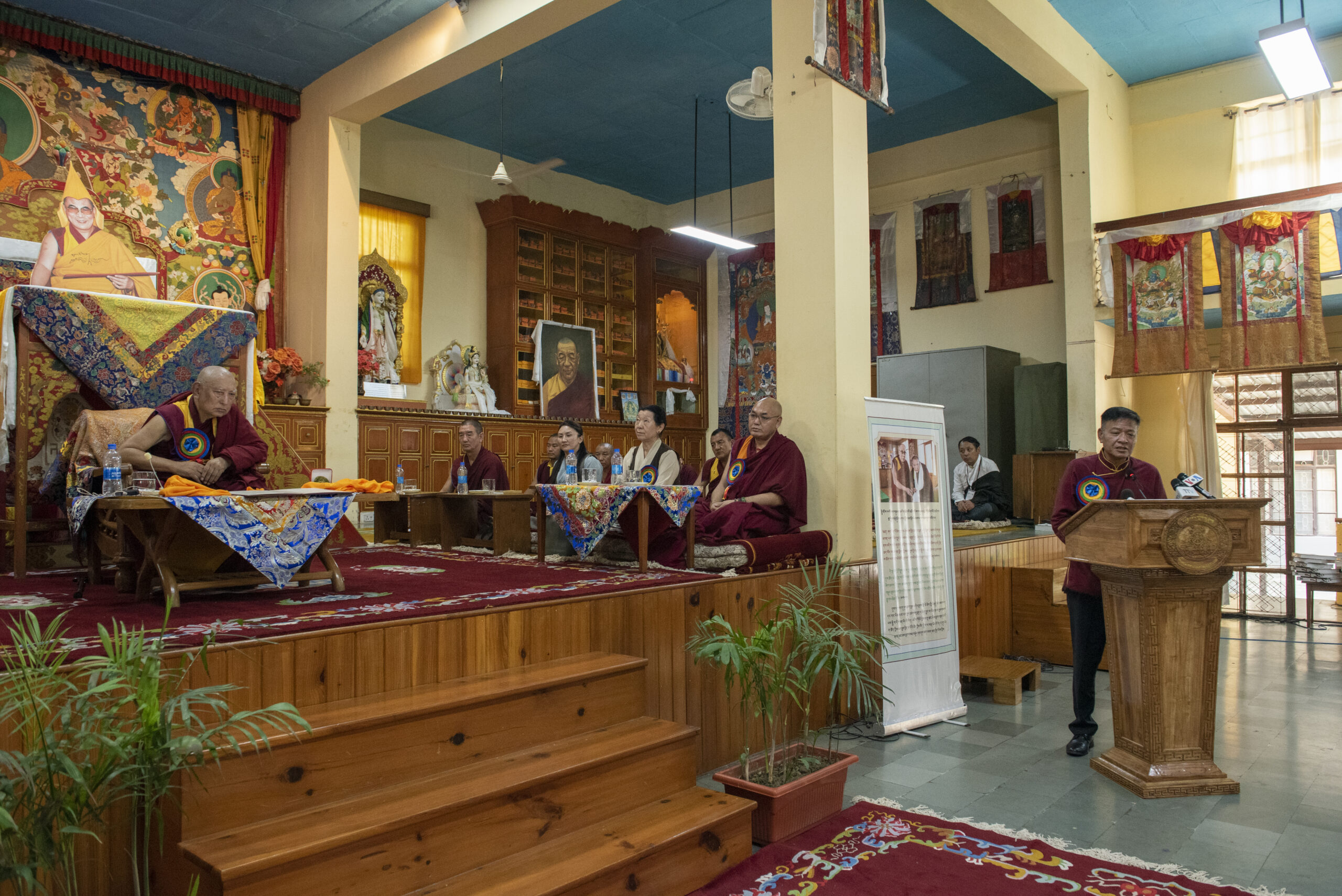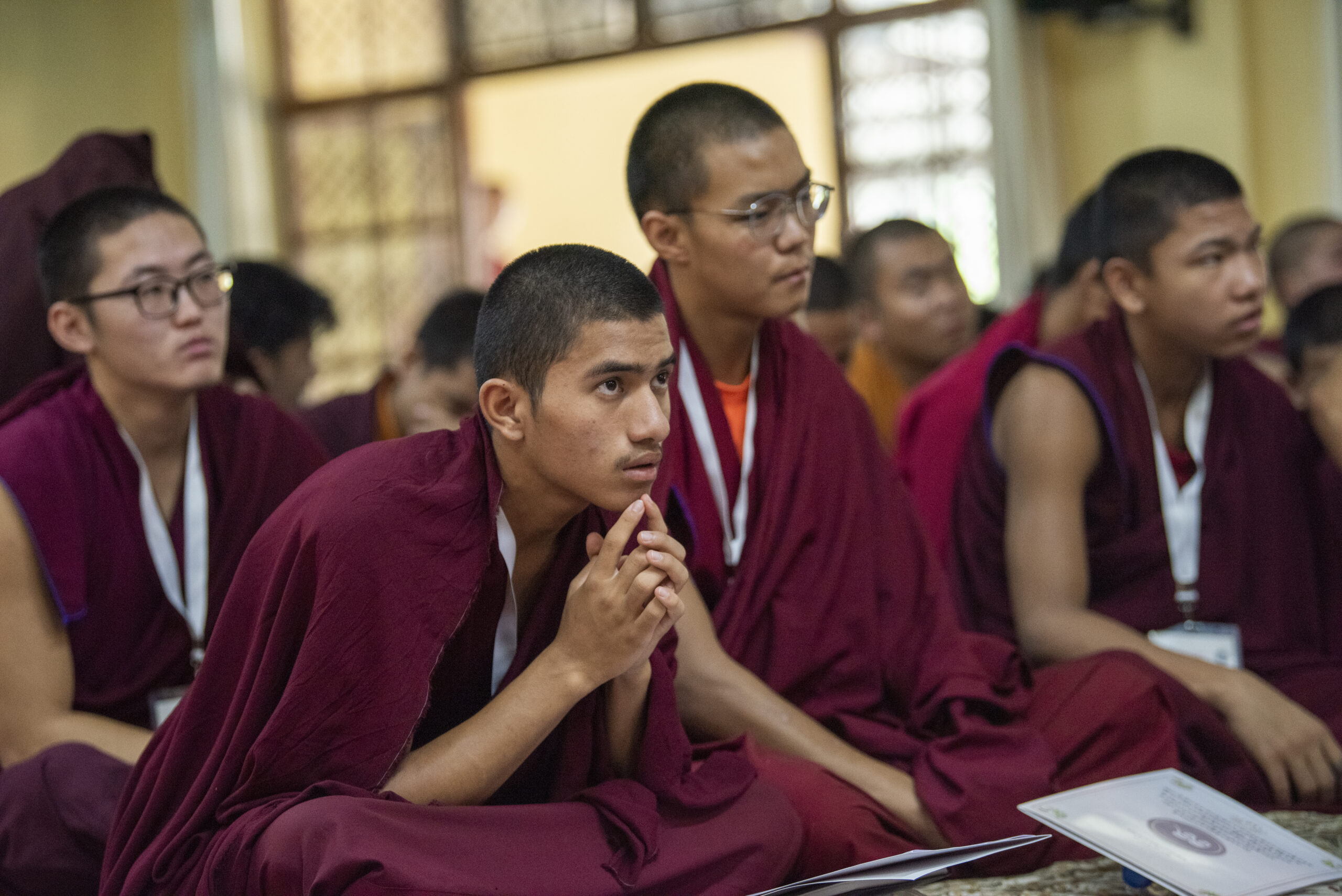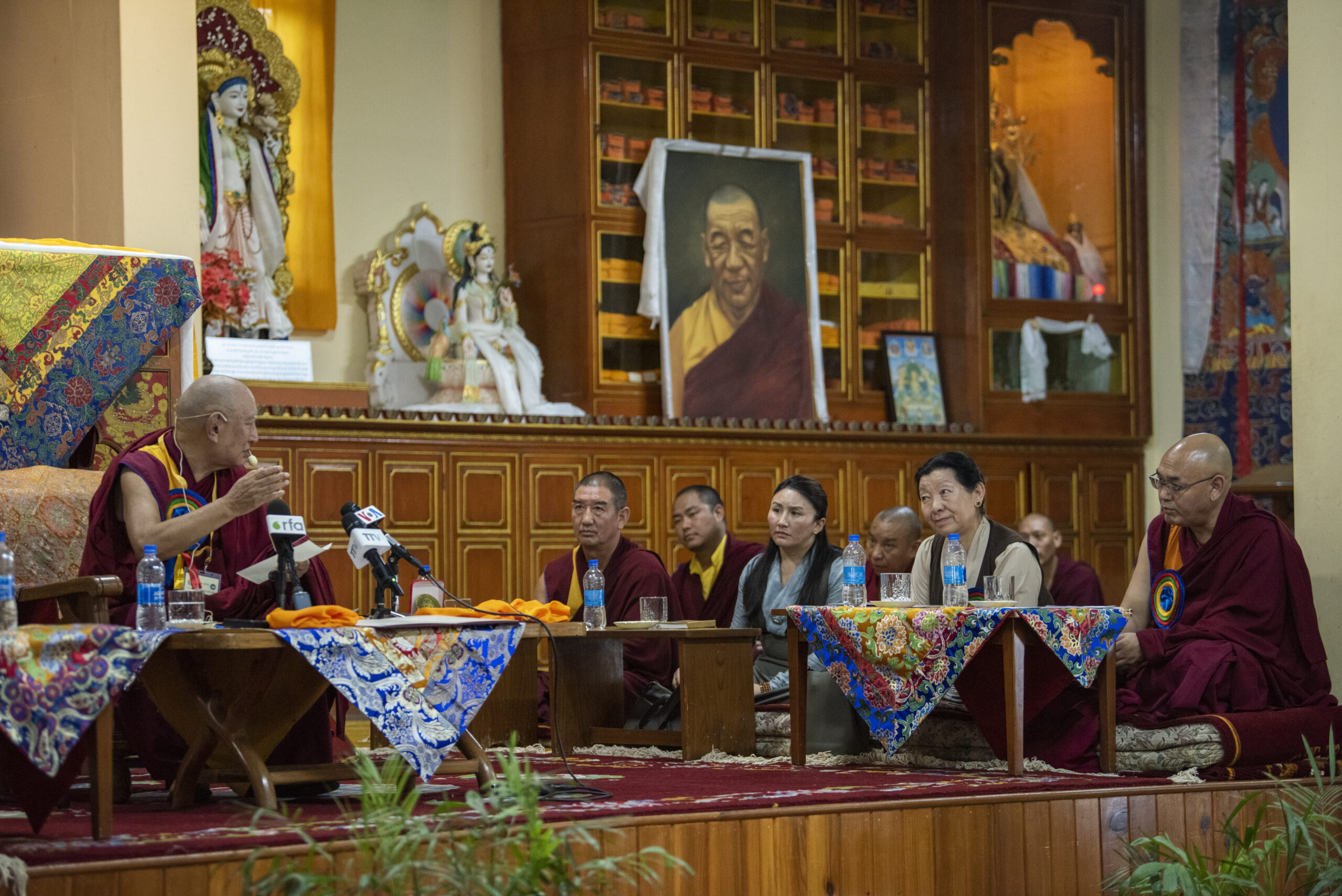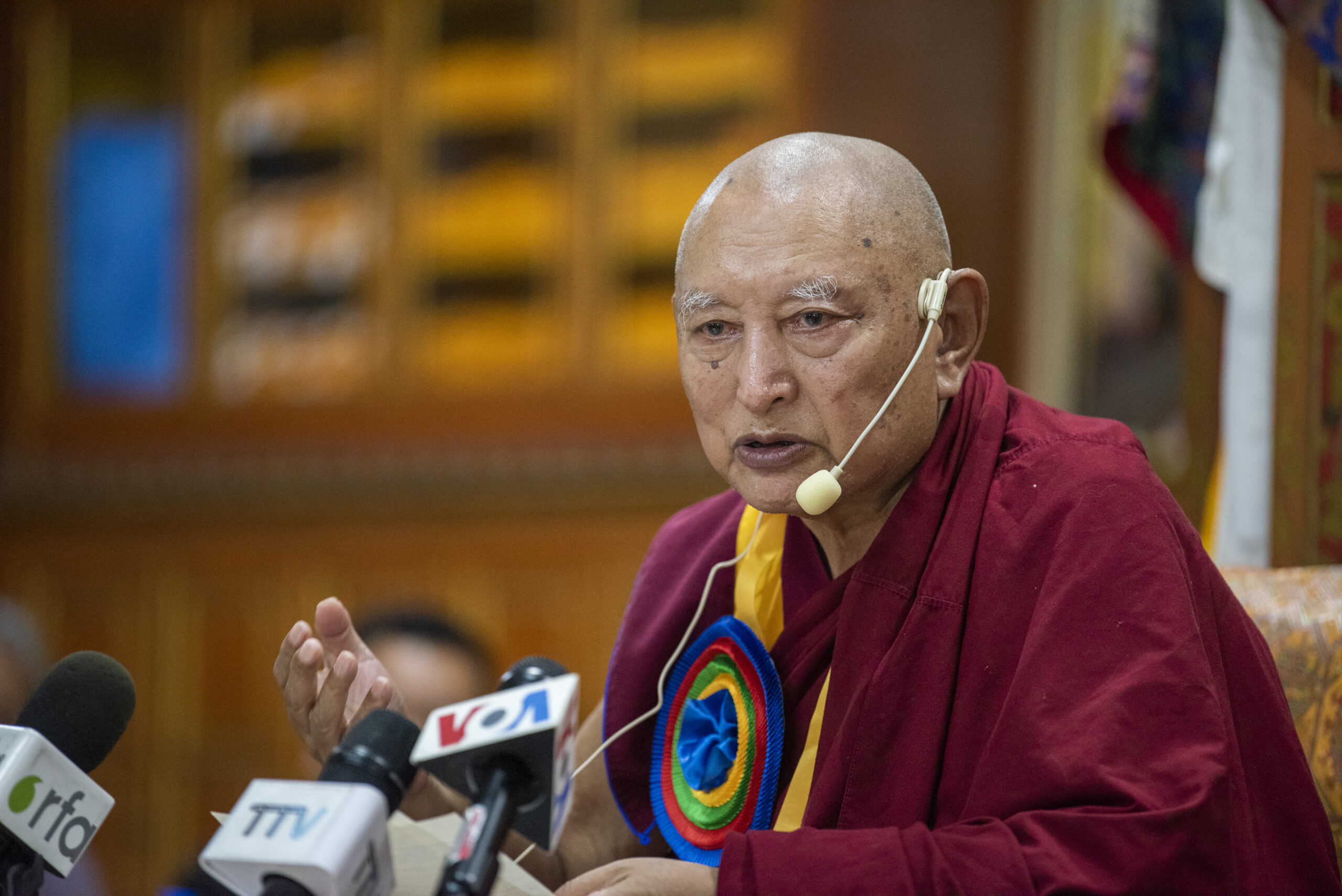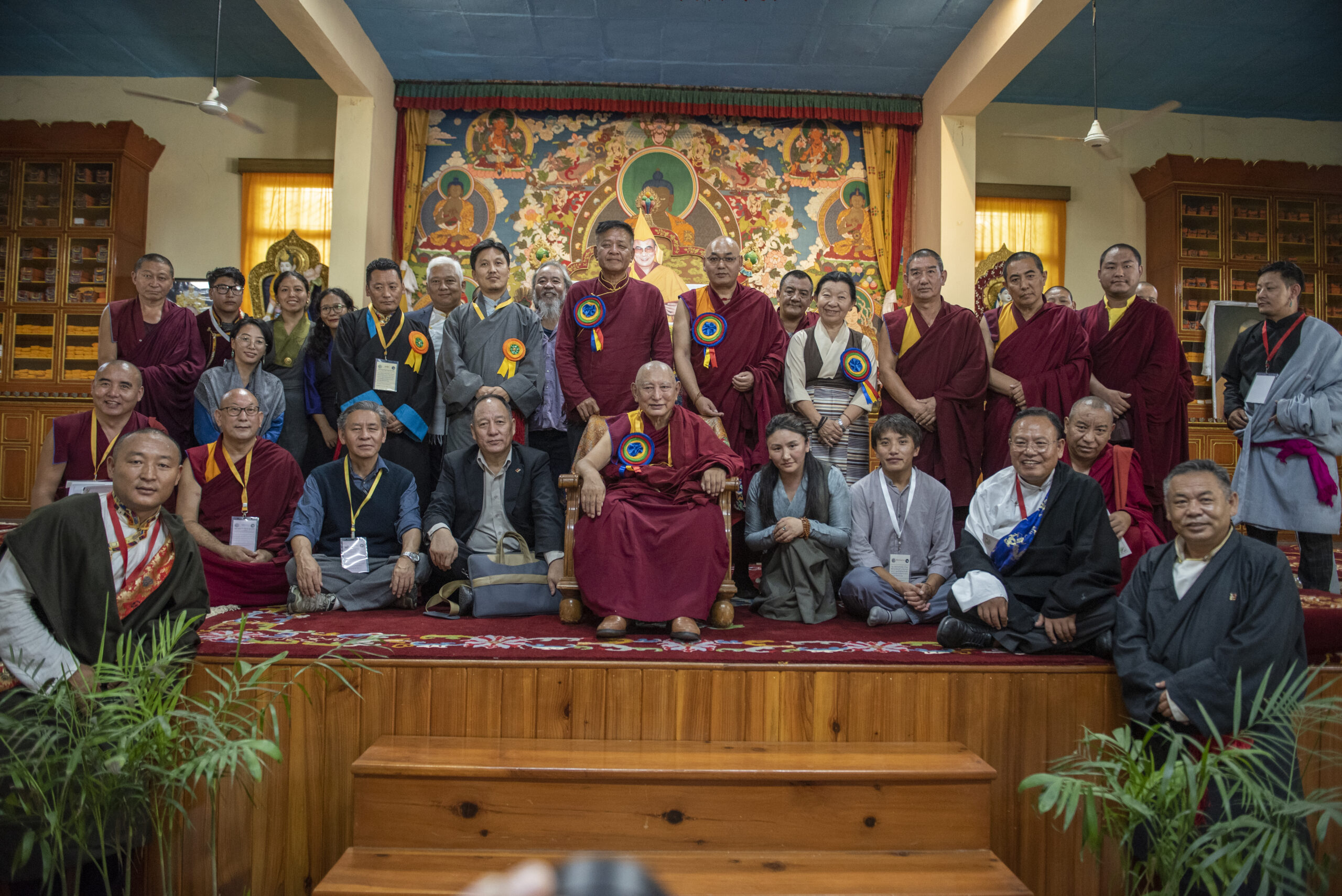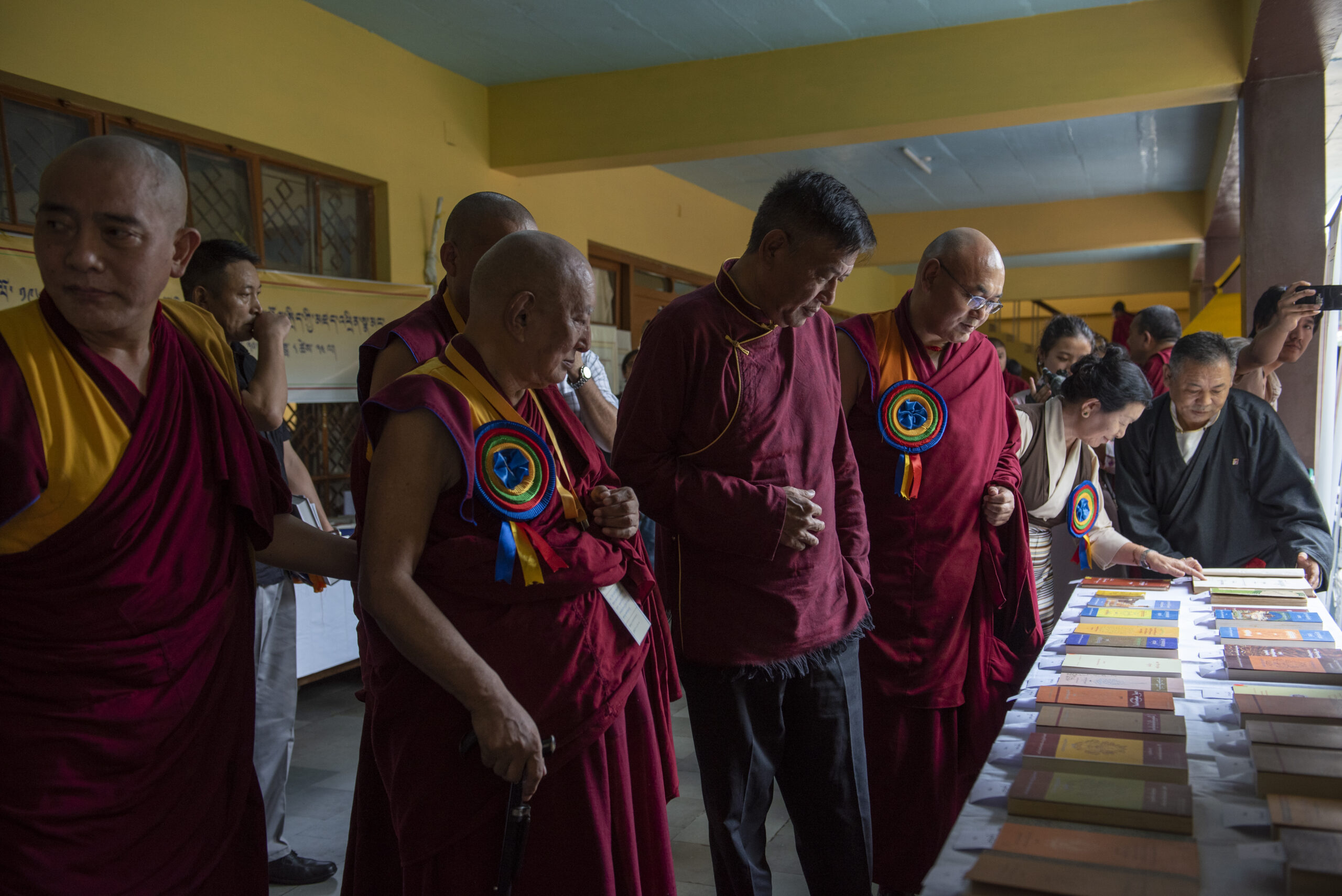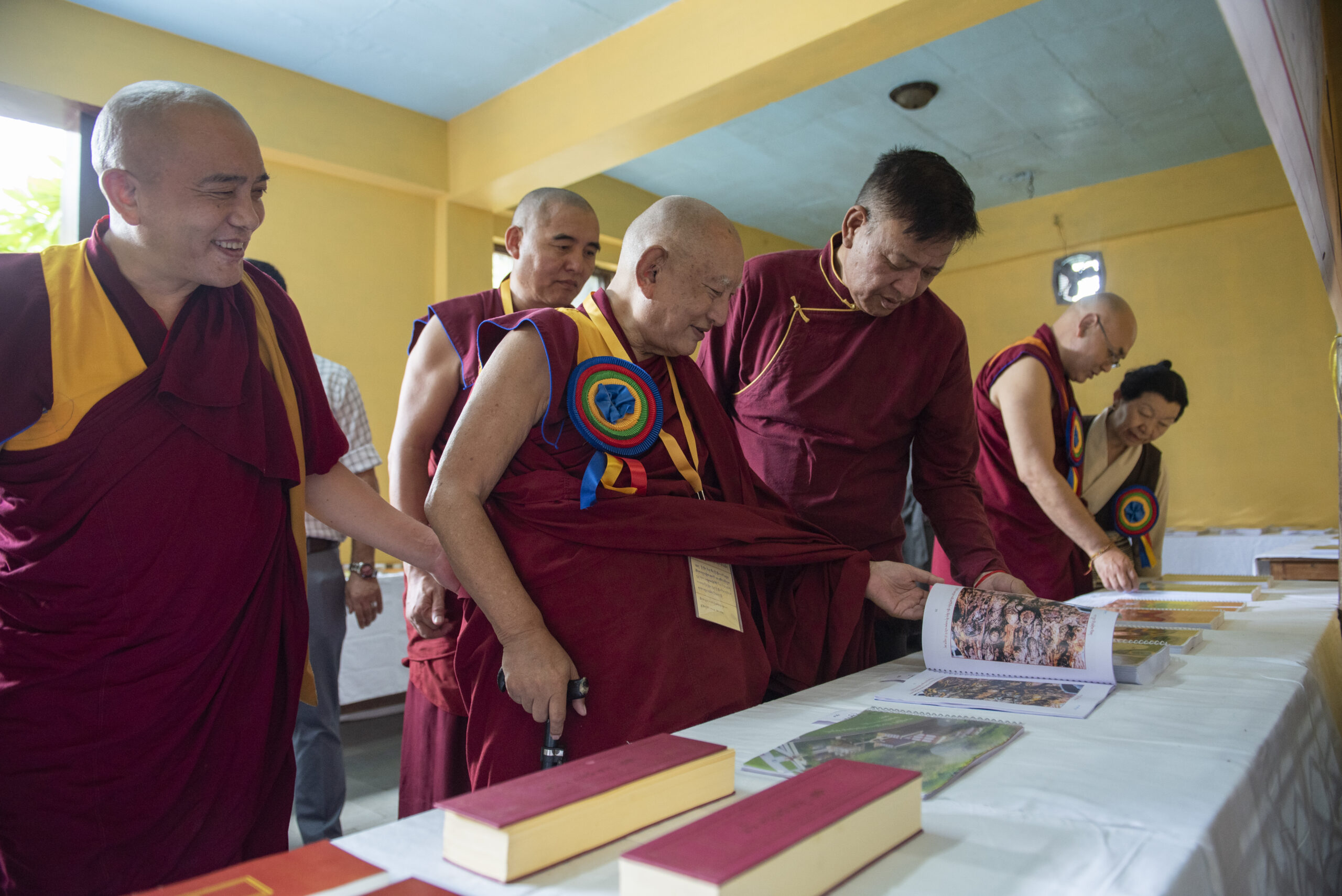

Dharamshala: On 24 August 2024, the 25th Anniversary of PEN Tibetan Writers Abroad was commemorated today at the College for Higher Tibetan Studies, Sarah.
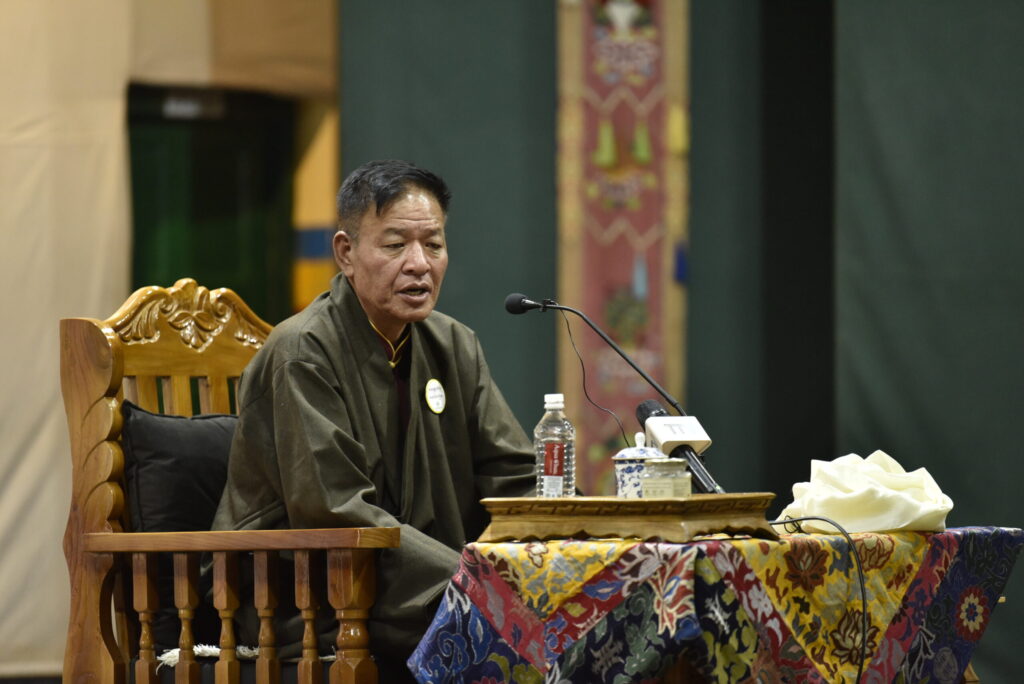
The event was attended by several prominent figures, including Sikyong Penpa Tsering as a chief guest and Khenpo Sonam Tenphel, Speaker of the Tibetan Parliament-in-Exile (TPiE), as the guest of honour. Deputy Speaker Dolma Tsering, along with Parliamentarian Pema Tso; Secretary Dhondul Dorjee of the Department of Religion and Culture; Secretary Jigme Namgyal of the Department of Education; and Secretary Dawa Tsering of the Tibet Policy Institute, also present to mark the occasion and to honour the legacy of Kyabje Kriti Rinpoche.
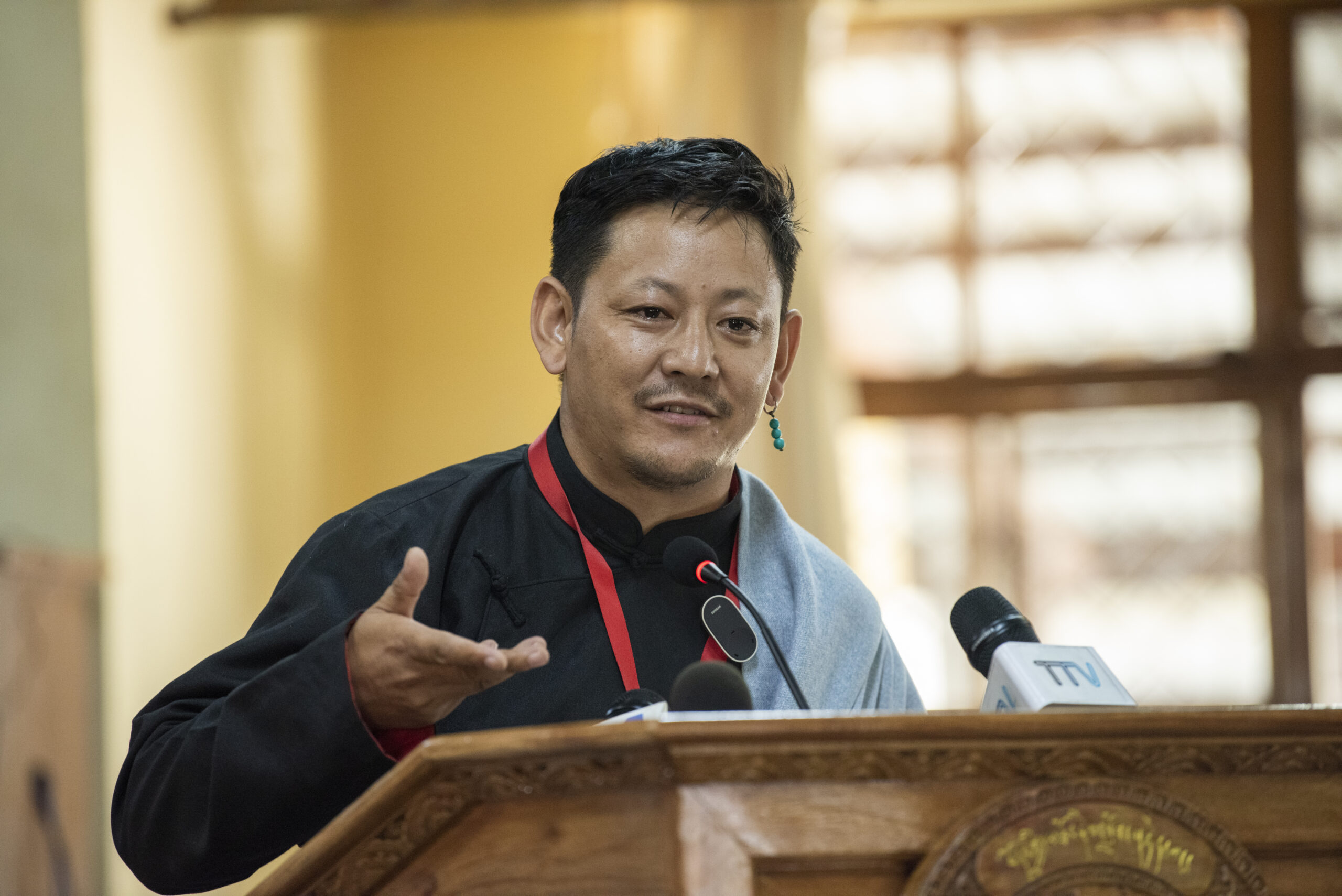
After the commencement of the event, Dr Sonam Gyaltsen, the incumbent president of the PEN Tibetan Writers Abroad and former Tibetan parliamentarian, delivered a welcome speech that outlined the significance of the 25th anniversary. In his speech, Dr Sonam highlighted the importance of the PEN Tibetan Writers Abroad association, which has played a crucial role in preserving and promoting Tibetan literary traditions over the past 25 years. He also expressed deep gratitude for the lifelong contributions of Kyabje Kriti Rinpoche, whose work has greatly enriched Tibetan linguistic and literary heritage (culture).
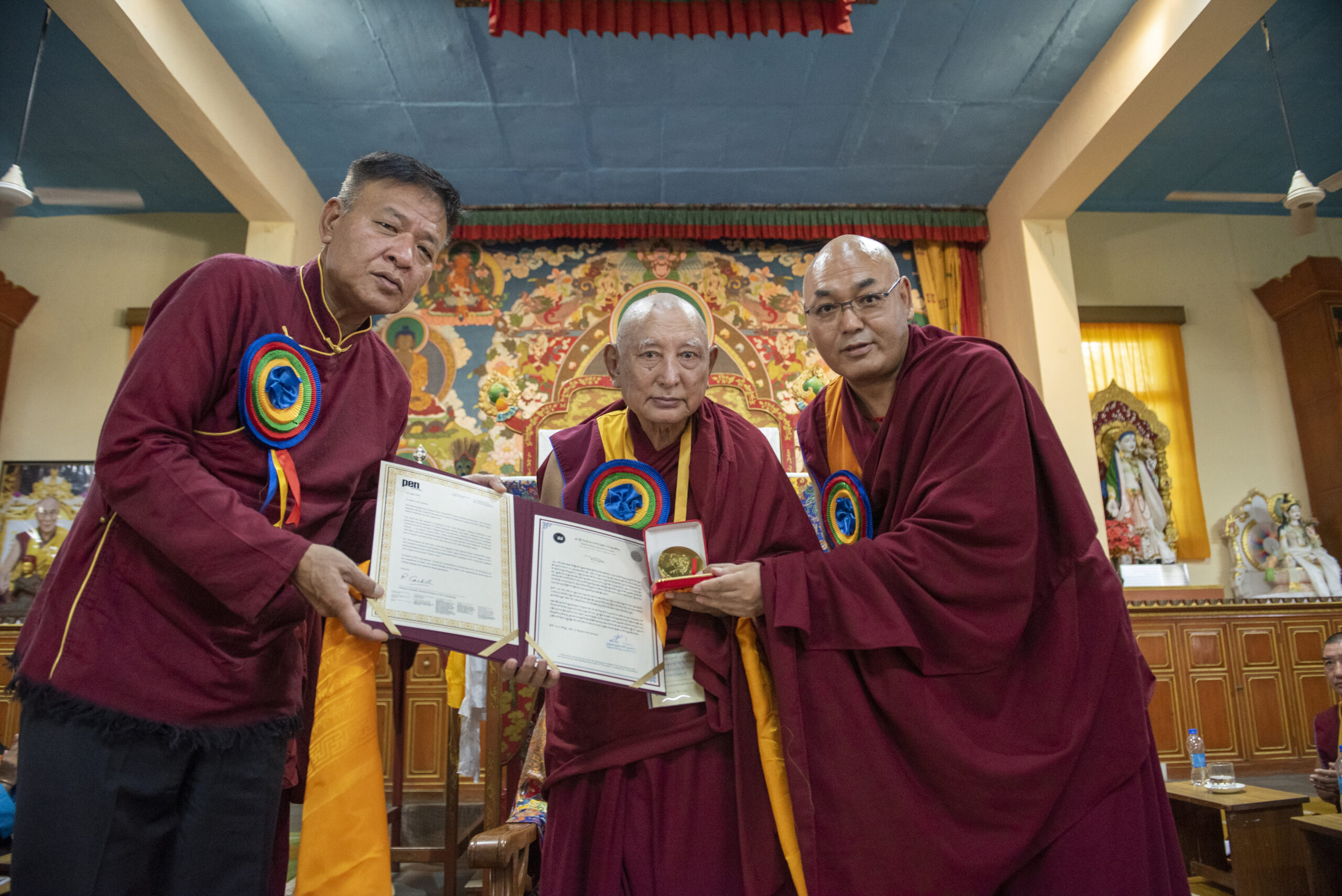
Norbulingka Institute Researcher Lutso Kyi briefly introduced Kyabje Kriti Rinpoche, acknowledging his profound contributions to Tibetan language preservation. Following the introduction, Sikyong Penpa Tsering and Khenpo Sonam Tenphel led an award ceremony to honour Kyabje Kriti Rinpoche’s lifelong dedication to promoting the Tibetan language.
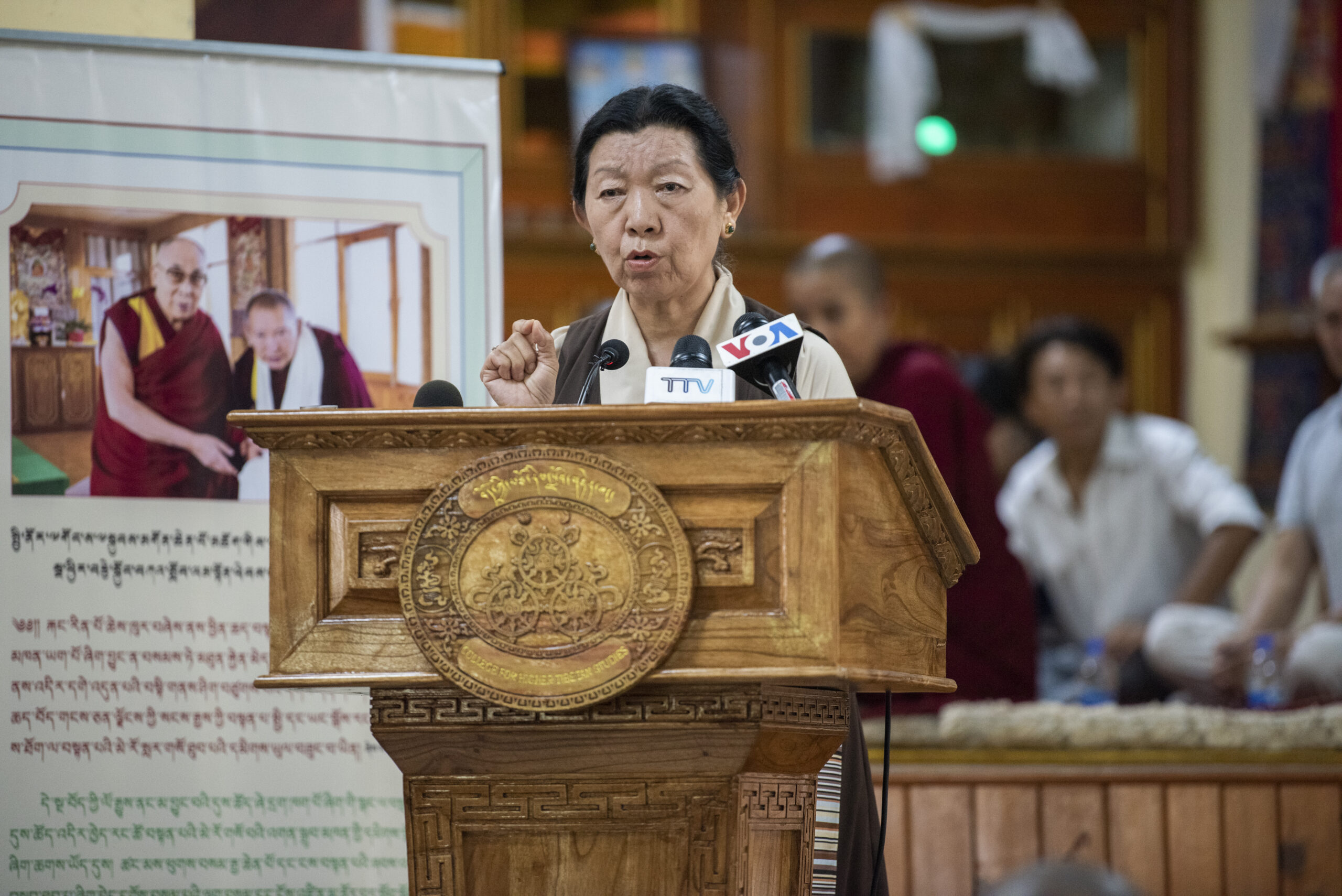
Deputy Speaker Dolma Tsering Teykhang delivered a speech honouring the 25th anniversary of PEN Tibetan Writers Abroad. In her address, she warmly greeted Kyabje Kriti Rinpoche and the audience present at the event. Reflecting on the anniversary theme, Deputy Speaker Dolma Tsering said, “We have been living in exile for more than 60 years, spanning multiple generations, and I, too, am a product of this exile. Although I learned the Tibetan language, I regret not having made greater efforts to preserve Tibetan linguistics through writing and other means.”
She continued, “When I first received the invitation to this event, I questioned myself—what can I do to preserve the Tibetan language? Throughout my school life, I have been grateful to my teachers for teaching us various writing techniques and helping us memorize Tibetan literature. While each of us learns differently during school, we often realise that our understanding of Tibetan linguistics diminishes as we move on to higher education and become occupied with our careers. This is especially true when all our major subjects in college are taught in English, distancing us from our Tibetan language skills in daily life.
I deeply love and value our Tibetan language but recognise my shortcomings in maintaining fluency. Everything I am today and the ability to speak on this platform is thanks to the guidance of my seniors and school teachers. We must think about future generations and the importance of preserving Tibetan linguistics. This preservation should be nurtured from kindergarten through advanced education, using methods that sustain and enrich our Tibetan linguistic heritage.”
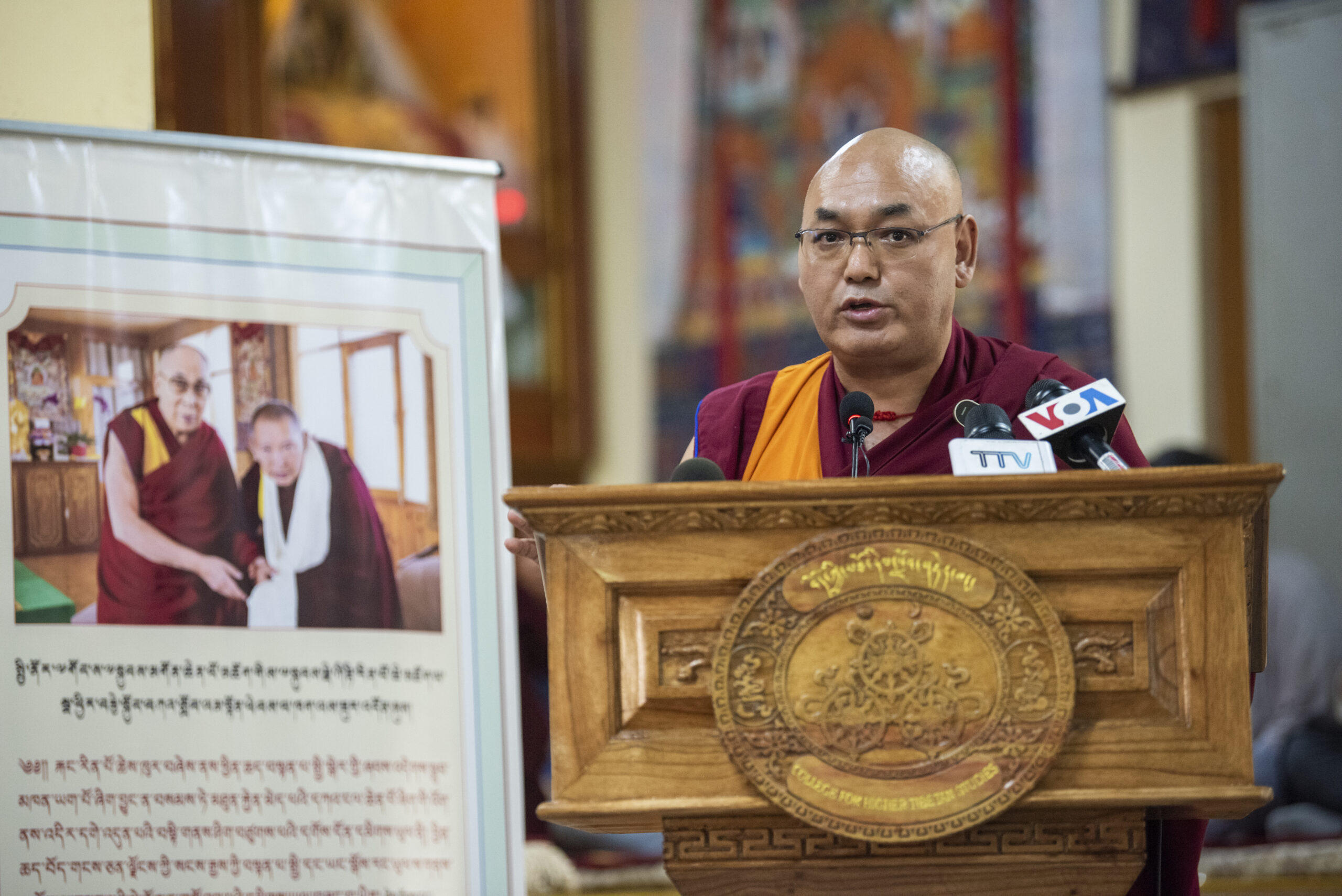
After that, Khenpo Sonam Tenphel, the Speaker of Tibetan Parliament-in-Exile, delivered a speech about the 25th anniversary of PEN Tibetan Writers Abroad and greeted all the audience members present. TPiE Speaker Khenpo said, “I wanted to thank all the people, scholars, and writers who contribute to the safety and promotion of Tibetan linguistics. This generation, it is high time for all the Tibetans to unite and become aware of our linguistic and Tibetan culture. Through events like this, we can promote our Tibetan linguistics together, and we need more events like this in the future. While we are in exile, we can propagate and promote our language, but some Tibetan writers in Tibet have been jailed while safeguarding and promoting the Tibetan language, like Go Sherab Gyatso, who has written numerous books and articles on Buddhist philosophy, Tibetan literature and other famous books and was later imprisoned in a Chinese jail. He has been through multiple hardships and torture. This incident can happen to anyone, and these days, we know what is happening inside Tibet quickly. Being in exile, we have to stand together and unite to promote awareness and organise events like today.
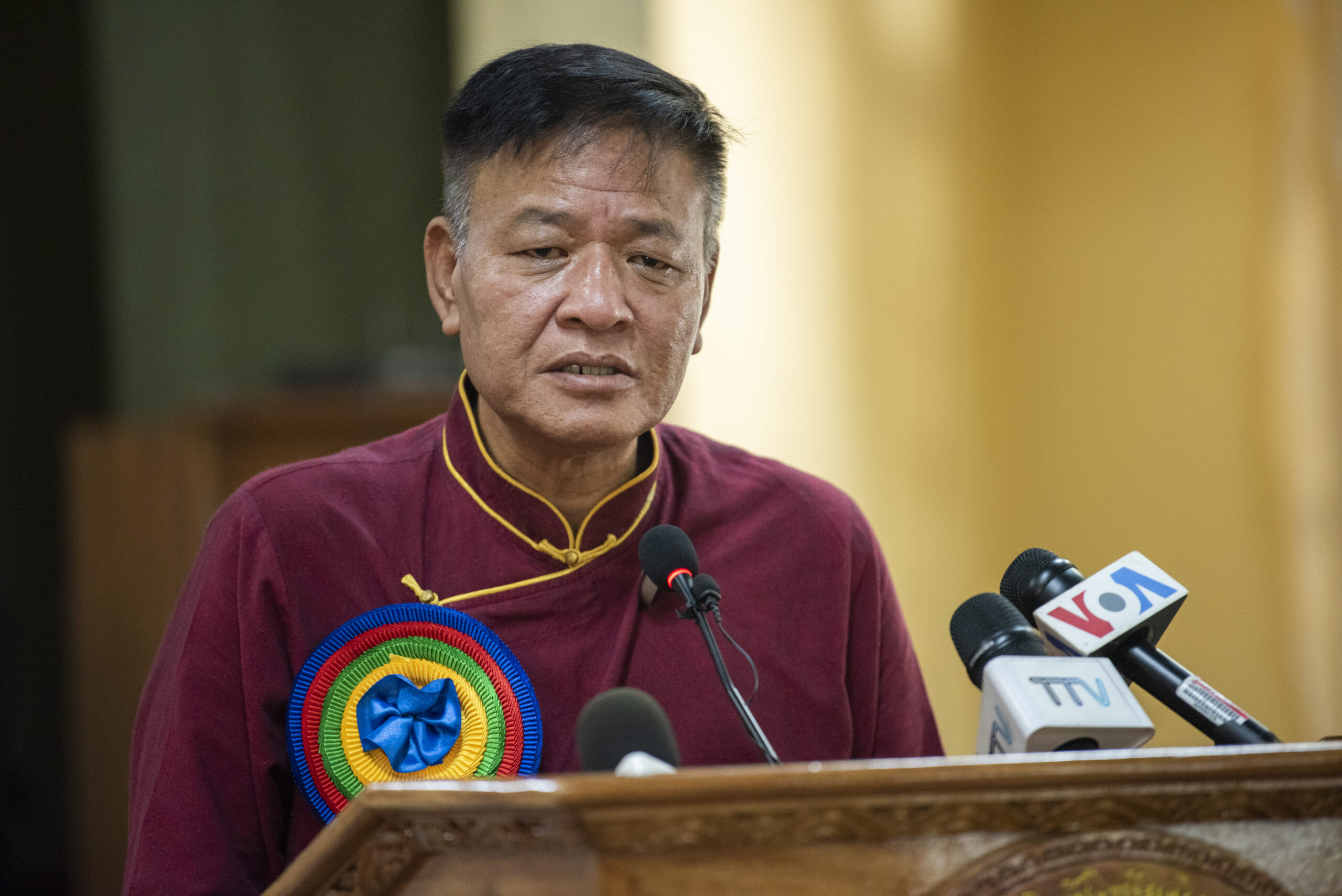
Following this, Sikyong Penpa Tsering gave a keynote speech marking the 25th anniversary of PEN Tibetan Writers Abroad, emphasising the milestone’s importance. He said, “Since its establishment in the 1999s, the association has been important in advancing Tibetan linguistics and literature in exile. However, there has been a noticeable absence of recent international coverage regarding its activities.” Sikyong Penpa Tsering underscored the need to publish books and cultivate a habit of reading. He pointed out that while many books are produced, a low readership often lessens their impact. We need to increase awareness about the value of reading within schools and communities to ensure that literary works reach their audiences.”
In addition, Sikyong acknowledged Kyabje Kriti Rinpoche, who has authored over 149 books on subjects such as Tibetan culture and history and many other books covering various topics. “Rinpoche’s contributions are essential in supporting the preservation of Tibetan culture and addressing broader Tibetan issues.” He expressed deep gratitude for Kyabje Kriti Rinpoche’s lifelong commitment to Tibetan language preservation. He stated, “The work of individuals like Kyabje Kriti Rinpoche is vital in maintaining our linguistic heritage, especially during these challenging times. His dedication serves as an inspiration to all of us.”
Addressing the current situation in Tibet, Sikyong Penpa Tsering noted the rise in restrictions and the closure of monasteries and schools. He called on Tibetans and PEN members to stay vigilant in protecting Tibetan culture and language, especially as these face increasing threats in Tibet.
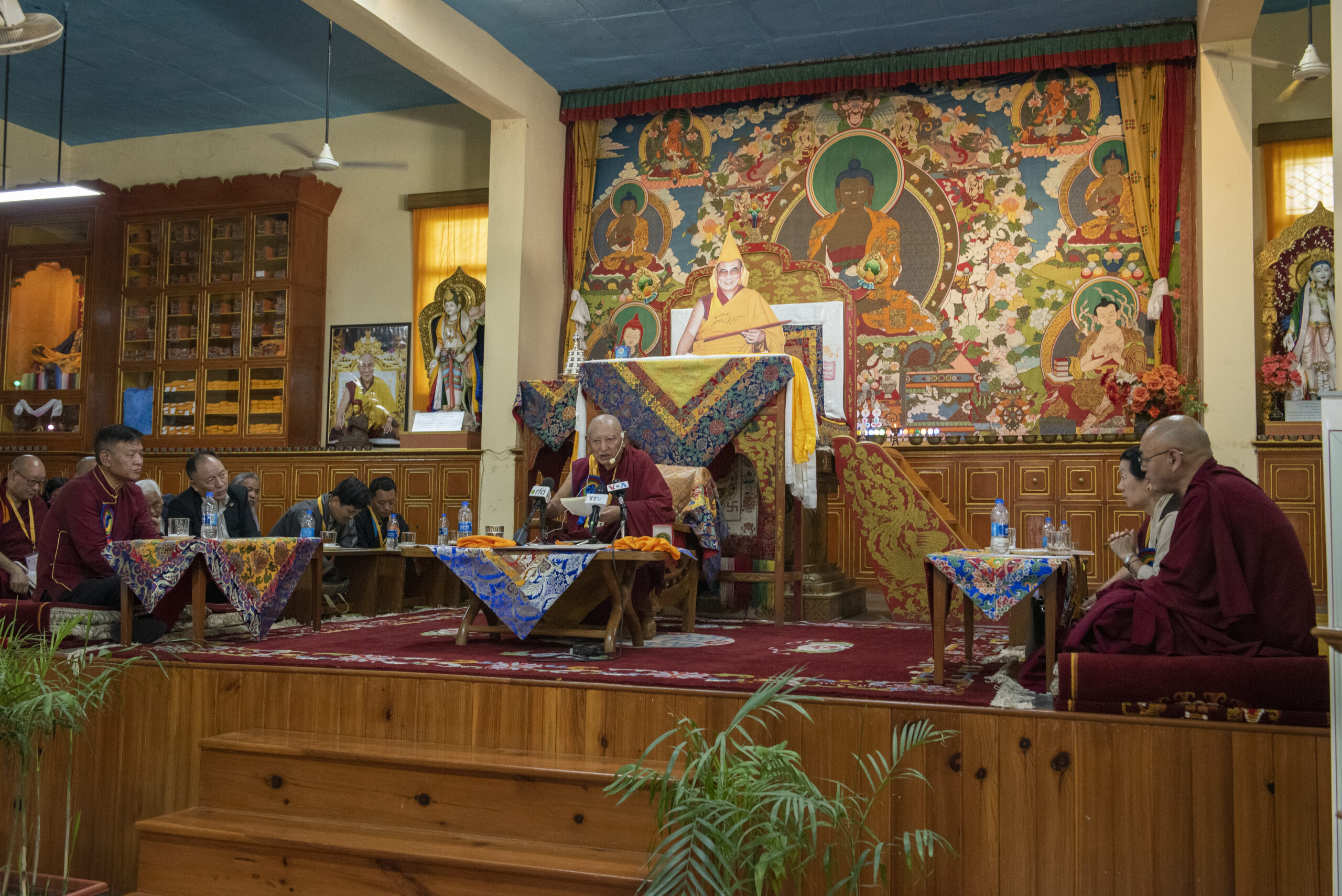
Following Sikyong’s Speech, Kyabje Kriti Rinpoche extended his warm greetings to all present, including Sikyong, the Speaker and Deputy Speaker of the TPiE, the Director, staff, and students of Sarah College for Higher Tibetan Studies (CHTS), and other distinguished guests.
Rinpoche began by offering his heartfelt Tashi Delek on the occasion of the 25th anniversary of PEN Tibetan Writers Abroad. He expressed his deep gratitude for the honour bestowed upon him by the Sikyong and the Speaker of TPiE. Humbly, he noted that while his published works have grown in number and covered various topics, he does not see them as deserving of any special award. However, he acknowledged that his books have been appreciated by readers both inside and outside of Tibet, for which he is thankful.
Rinpoche further said, “I was born as a spiritual lama and had responsibilities that come with that role. Through my books, I aim to help and guide others on various subjects. As a Tibetan Buddhist and follower of His Holiness the Dalai Lama, I also feel a duty to contribute to the welfare of Tibetans. Some of my books address the roles and responsibilities of being a Tibetan, which I believe are important for our community.”
In addition, Kyabje Kriti Rinpoche shared the challenges he faced after the publication of his books. He mentioned that “some people were imprisoned by Chinese authorities simply for possessing photos and files of his books. The Chinese government has announced and banned his books entirely in Tibet, prohibiting their printing and distribution. Even the funds he provided for printing in Tibet were confiscated, and the money was donated to the community instead.
Rinpoche highlighted the small number of Tibetans dedicated to preserving Tibetan culture and language as well as the limited number of Tibetan writers and warned that the Chinese authorities have long aimed to erase Tibetan identity and culture by shutting down Tibetan educational and religious institutions.
Before concluding the event, Dr Sonam Gyaltsen, President of the PEN Tibetan Writers Abroad, conveyed a vote of thanks at the end of the 25th Anniversary of the PEN Tibetan Writers Abroad and award Ceremony Honouring Kyabje Kriti Rinpoche.
PEN Tibetan Writers Abroad is a branch of the renowned group PEN International. Founded in 1921 as PEN in London, UK, PEN International has grown into a prominent global organization dedicated to freedom of expression and the value of literature. Today, PEN International spans five continents and operates in over 90 countries. It boasts 130 Centres worldwide, each dedicated to ensuring the free flow of ideas within individual nations and across international boundaries.
Guided by the principles outlined in the PEN Charter, the organization champions the free exchange of ideas and the promotion of literature. The Charter embodies a collective commitment among members to protect these ideals and uphold the importance of literary freedom.
Among its many member centres is the PEN Tibetan Writers Abroad, which formally joined PEN International during its 68th Congress in Macedonia in 2002. Since becoming a member, PEN Tibetan Writers Abroad has participated in subsequent PEN International Congresses hosted in various countries. Their participation has been pivotal in raising awareness about the severe challenges faced by Tibetan writers under the rule of the Chinese Communist Party (CCP). They have persistently advocated for the rights of Tibetan writers to express themselves freely, drawing attention to the repression and censorship that these writers endure in Tibet.