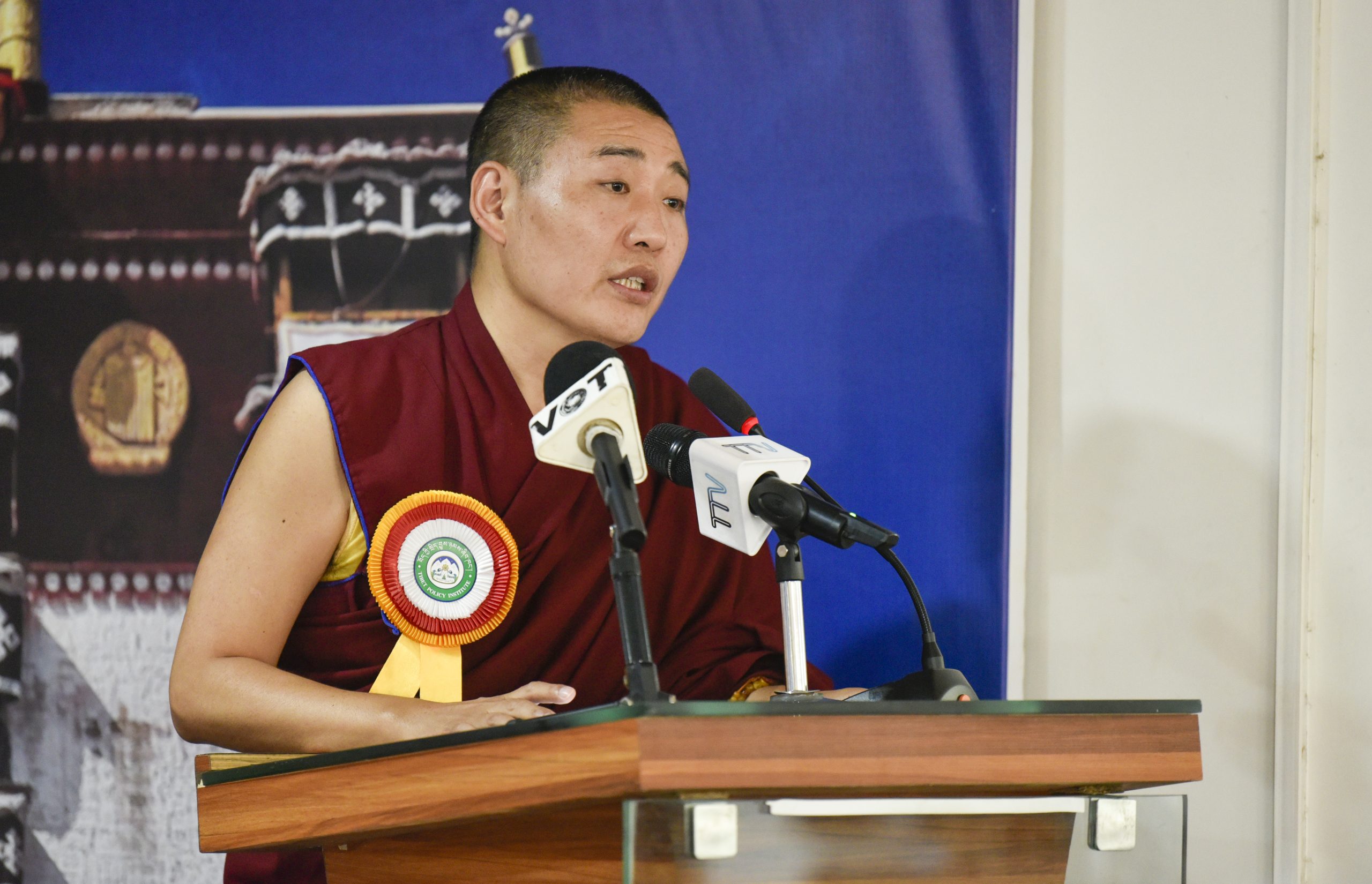
Dharamshala: Earlier this morning at the Administrative Training & Welfare Society in Dharamshala, the 11th Young Tibetan Research Scholars’ Conference, organised by the Tibet Policy Institute (TPI), commenced with the participation of 26 young Tibetan scholars and academicians.
Prior to the conference, a brief inaugural ceremony was held in the presence of Chief Guest Yangten Rinpoche, Secretary at the Office of His Holiness the Dalai Lama; Karma Choeying, Director of TPI and Secretary of the Department of Information and International Relations (DIIR); and Tempa Gyaltsen Zamlha, Deputy Director of TPI. The event also featured Tibetologist Tashi Tsering Josayma, the former Director of Amnye Machen Institute.
Following the opening remarks by Tenzin Dalha, Research Fellow at TPI, Secretary Karma Choeying delivered the welcome address. He noted that while Tibetan researchers often focus on Tibet’s history, culture, and language, it is equally important to prioritise research, publications, and discussions on the Tibet cause—particularly strategies to resolve the Sino-Tibet conflict and address the ongoing challenges posed by the PRC’s systematic erosion of Tibet’s language, culture, and identity. The Secretary further emphasised the need to counter China’s distortions and suggested that translating Tibetan-language research into other languages would significantly broaden global understanding and engagement with these issues.
The DIIR Secretary cum TPI Director also highlighted that TPI not only engages with young Tibetan scholars but also organises annual conferences fostering connections with researchers from India, Nepal, and Bhutan. Expressing gratitude to the Indian government and people for their enduring kindness and support, Secretary Karma Choeying underlined the importance of raising greater awareness of the Tibet cause among the Indian public to sustain their sympathy and solidarity. He further stressed that such initiatives are vital to ensuring the Tibetan freedom movement remains visible and relevant in India.
In his keynote address, Chief Guest Yangten Rinpoche expressed deep appreciation and gratitude to the researchers for their commitment to studying Tibetan history, lexicology, politics, and Buddhism. He recalled that His Holiness the Dalai Lama has repeatedly emphasised the importance of Tibetans developing expertise in specialised fields—particularly in the study of major Buddhist texts—since specialisation enables the production of high-quality, in-depth research.
Yangten Rinpoche also underscored the importance of conducting research that meets international academic standards and encouraged scholars to maintain impartiality, present facts accurately, and avoid bias. He further advised relying on and cross-referencing authentic, reliable sources, as well as consulting experts closely connected to the subject matter, to ensure well-founded conclusions. By following such methods, Yangten Rinpoche said, researchers can achieve both effectiveness and excellence in their work.
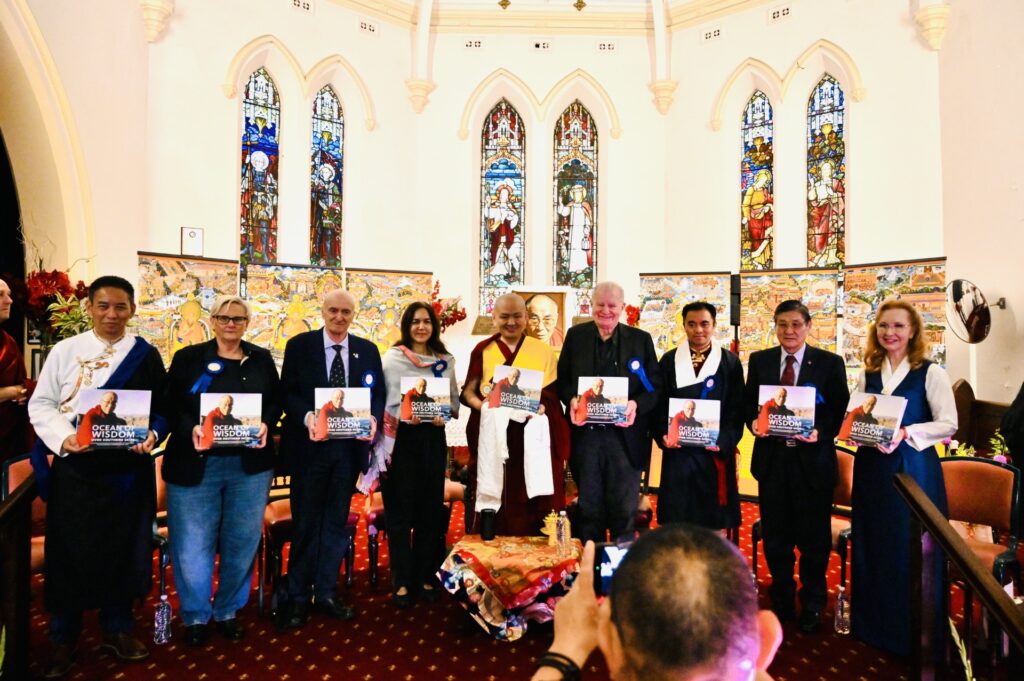
The inaugural session concluded with the presentation of TPI’s publication to the chief guest by Secretary Karma Choeying as a token of appreciation.